What Is Organophilic Clay? Properties, Uses & Applications
In the complex world of industrial chemistry and advanced manufacturing, specialized additives often play the most critical roles behind the […]
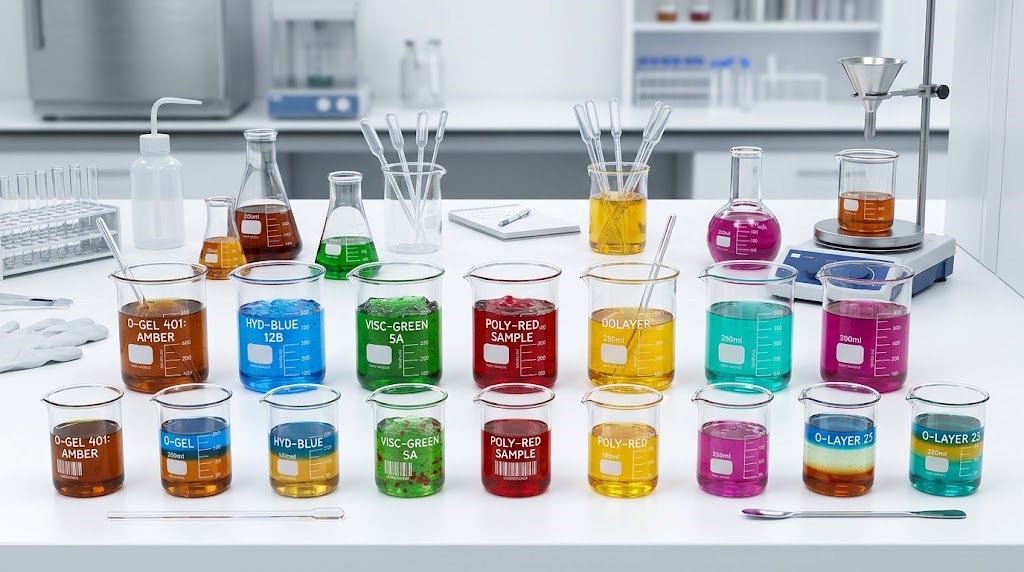
In the complex world of industrial chemistry and advanced manufacturing, specialized additives often play the most critical roles behind the scenes. Among these specialized compounds, organophilic clay stands out as a remarkable material with unique capabilities. While standard naturally occurring clays like bentonite love water—exhibiting high hydrophilicity and swelling drastically in aqueous environments—organophilic clay undergoes sophisticated chemical processing to reverse these natural affinities. By replacing inorganic cations on the clay surface with organic cations, chemists create a modified material that thrives in non-polar organic systems, oils, and solvents.
For engineers, formulators, and manufacturing professionals across the United States, understanding how to harness this unique additive is essential for optimizing everything from high-performance oilfield drilling fluids to industrial protective coatings and lubricating greases. This comprehensive guide explores the definition, manufacturing chemistry, core benefits, and diverse industrial applications of organophilic clay, providing a thorough overview of why this modified mineral remains indispensable in modern engineering.
What Is Organophilic Clay and How Is It Made?

To understand organophilic clay, one must first examine its parent material: natural smectite clays, most notably sodium or calcium bentonite. Natural bentonite possesses a layered, plate-like crystal lattice structure carrying a net negative electrical charge. In its native state, these layers are held together by exchangeable inorganic cations such as sodium or calcium ions, which readily attract water molecules.
To transform this water-loving mineral into an organic-compatible additive, manufacturers subject the clay to a targeted ion-exchange process. The raw bentonite is dispersed in water, and organic quaternary ammonium salts—typically containing long alkyl chains—are introduced into the solution. These bulky organic cations migrate between the silicate layers, displacing the native sodium or calcium ions.
Once the ion exchange is complete, the treated clay is washed, dried, and milled into a fine powder. The resulting organophilic clay features organic chains grafted onto its silicate platelets. These organic groups radically change the surface chemistry of the mineral, making the clay hydrophobic (water-repelling) and lipophilic (oil-loving). When introduced into organic solvents, resins, or oils, the treated platelets swell, separate, and form an intricate gel network that imparts exceptional rheological control.
Key Physical and Chemical Properties
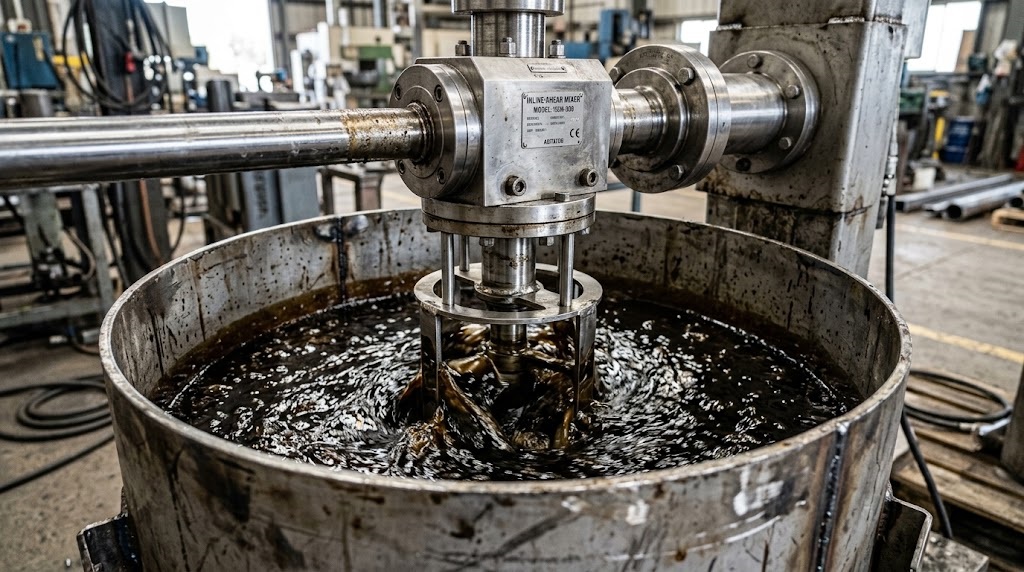
The industrial value of organophilic clay lies entirely in its unique physical and chemical characteristics. When formulated into non-aqueous systems, it delivers specific functional performance metrics that cannot be achieved with unmodified minerals.
Exceptional Rheology and Viscosity Modification
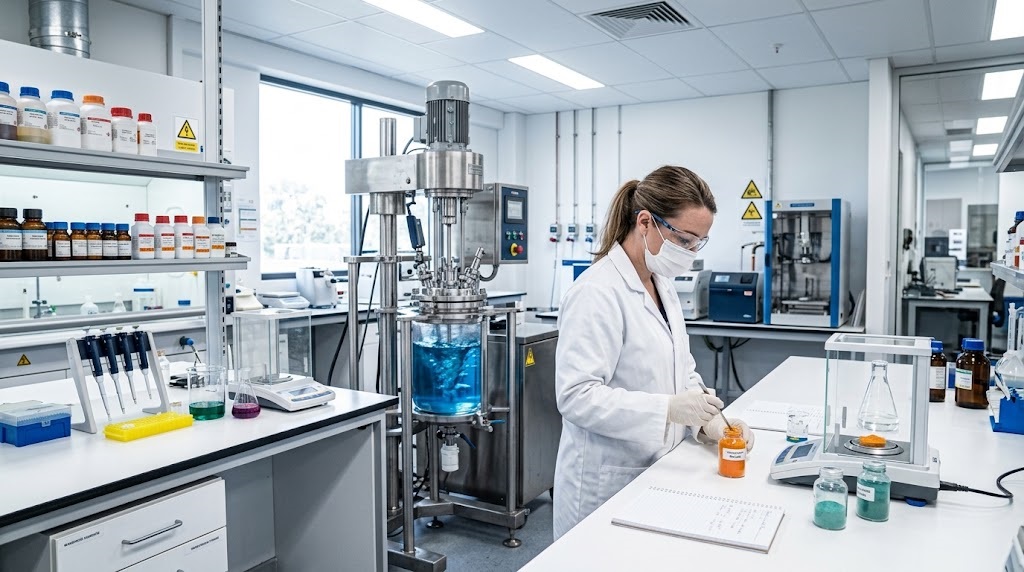
In organic liquids, organophilic clay acts as an outstanding rheological modifier. It builds thixotropic viscosity, meaning the fluid flows easily under high shear stress—such as during pumping or spraying—and rapidly regains its gel structure once the shear force is removed. This thixotropic behavior prevents suspended solid particles from settling out of suspension over time.
Temperature and Shear Stability
Industrial formulations often encounter extreme operating environments, ranging from high-shear mechanical mixing to elevated downhole temperatures. High-grade organoclay additives maintain their structural integrity and thickening efficiency across wide temperature ranges, preventing thermal thinning in heavy-duty lubricants and high-temperature drilling muds.
Compatibility with Diverse Solvent Systems
Because the organic tail groups on the clay platelets can be tailored during manufacturing—using varying chain lengths and chemical structures—formulators can select specific grades optimized for aliphatic solvents, aromatic hydrocarbons, or polar organic systems like alcohols and ketones.
Major Industrial Applications
The unique capacity of organophilic clay to control flow, prevent sagging, and stabilize suspensions makes it a vital component across several heavy industries in the United States and globally.
Oil and Gas Drilling Fluids
One of the largest consumer markets for organoclay additives is the oil and gas sector. During deep-well drilling operations, non-aqueous drilling fluids—often referred to as oil-based muds (OBMs)—are utilized to lubricate the drill bit, cool the assembly, and transport heavy rock cuttings up to the surface. Organophilic clay serves as the primary primary viscosifier and suspending agent in these oil-based systems. It ensures that heavy barite weighting agents and drilled cuttings remain suspended even when drilling operations are temporarily paused, preventing stuck pipe incidents and borehole instability.
Protective Coatings, Paints, and Inks
In the formulation of industrial paints, marine coatings, and high-performance primers, sag resistance is a critical quality parameter. When applied to vertical or overhead surfaces, paints tend to run or sag under gravity before the solvent evaporates and the film cures. Incorporating organophilic clay into solvent-borne coatings creates an internal structural network that prevents sagging on vertical walls while maintaining excellent leveling properties and brushability. Furthermore, it prevents the hard settling of heavy pigments during long-term storage in warehouse inventories.
Lubricating Greases and Automotive Fluids
High-performance lubricating greases require thickeners that can withstand intense mechanical shear and elevated operating temperatures without breaking down. While traditional greases use metallic soaps, clay-thickened greases—often called bentonite or non-soap greases—utilize organophilic clay to lock lubricating oils into a stable, gel-like matrix. These greases exhibit high dropping points, meaning they will not melt or liquefy even when subjected to extreme frictional heat in automotive wheel bearings, industrial machinery, and heavy equipment.
Sealants, Adhesives, and Caulks
In construction and manufacturing adhesives, organoclay additives control consistency, prevent slumping in thick joint sealants, and improve extrusion properties. They ensure that mastic adhesives maintain their shape and bond strength immediately upon application.
Best Practices for Dispersing Organophilic Clay in Formulations
Achieving the maximum rheological efficiency from organophilic clay requires proper dispersion techniques during manufacturing. Unlike water-based bentonite, which hydrates spontaneously in water, organoclass require specific physical and chemical triggers to fully open their layered silicate platelets in organic media.
High-Shear Mixing Requirements
Simply stirring organoclay powder into an oil or solvent with a low-speed paddle mixer will yield poor results. The agglomerates must be subjected to high mechanical shear using cowles dissolvers, rotor-stator mixers, or media mills to break down particle clusters and fully expose the active surface area.
The Role of Chemical Activators
To assist complete dispersion and gelation in non-polar solvents like mineral spirits or diesel, formulators frequently incorporate low-molecular-weight polar activators—such as low-boiling alcohols (methanol, ethanol) or propylene carbonate. These polar activators assist the swelling process by breaking hydrogen bonds between the silicate layers, allowing organic liquids to penetrate and maximize viscosity development.
Environmental, Safety, and Handling Considerations
As with any industrial chemical powder, proper health and safety protocols must be observed when handling organophilic clay in manufacturing facilities.
Inhalation of fine mineral dust poses respiratory irritation risks, necessitating the use of appropriate personal protective equipment (PPE), including NIOSH-approved dust respirators, safety goggles, and protective gloves. Industrial mixing stations should be equipped with effective local exhaust ventilation systems to capture airborne dust particles at the source. From an environmental standpoint, modern organoclays are formulated to minimize ecological toxicity, but facility operators must always consult safety data sheets (SDS) and adhere to local environmental regulations regarding waste disposal and chemical storage.
Frequently Asked Questions
What is the primary difference between natural bentonite and organophilic clay?
Natural bentonite is hydrophilic, meaning it absorbs water and swells in aqueous environments. Organophilic clay has been chemically modified with organic cations, making it hydrophobic and lipophilic so that it swells and builds viscosity in oils, solvents, and non-polar organic systems.
Why are polar activators required when mixing organoclays?
Polar activators, such as small amounts of methanol or propylene carbonate, help disrupt internal hydrogen bonding within the clay agglomerates. This chemical assistance accelerates the delamination of the silicate platelets, ensuring maximum viscosity and gel strength in solvent-borne systems.
Can organophilic clay be used in water-based paints?
Generally, no. Organophilic clays are specifically designed for non-aqueous, solvent-borne, and oil-based systems. Using them in water-based formulations will result in poor dispersion and a failure to develop proper rheological properties. Natural or synthetic water-swelling clays are used for aqueous systems.
How does organoclay prevent sagging in industrial coatings?
Organoclay forms a microscopic, thixotropic network within the liquid paint. When the paint is at rest in the can or on a vertical wall, this network provides high pseudo-plastic viscosity that resists gravity and prevents sagging. When shearing forces are applied via a brush or spray gun, the network temporarily breaks down to allow smooth, easy application.
What industries are the largest consumers of organoclay additives?
The oil and gas extraction industry—specifically for formulating oil-based drilling muds—and the protective coatings and paints manufacturing sector are by far the largest global consumers of organophilic clay.
What storage conditions are recommended for organophilic clay powder?
Organoclay powders should be stored in tightly sealed, original containers in a cool, dry, and well-ventilated warehouse environment. Protecting the bags from moisture contamination and extreme temperature fluctuations ensures the powder remains free-flowing and reactive.
Do organoclay-thickened greases melt at high temperatures?
Unlike traditional soap-thickened greases that have defined melting points where the soap structure liquefies, clay-thickened greases do not have a true melting point. They maintain their structural integrity up to the flash point of the base oil, making them highly suitable for high-temperature applications.
Conclusion
Organophilic clay represents a brilliant intersection of surface chemistry and practical industrial engineering. By transforming water-swelling minerals into hydrophobic, oil-compatible rheological modifiers, this specialized additive solves complex formulation challenges across drilling engineering, protective coatings, and high-performance lubrication. Understanding its unique properties, proper dispersion techniques, and application parameters allows chemical formulators and industrial manufacturers to maximize product performance, stability, and efficiency. Whether you are stabilizing a deep oil well or perfecting the sag resistance of an industrial enamel, mastering the use of organophilic clay remains a cornerstone of advanced non-aqueous formulation.

Written by Twastia Editorial Team
Twastia Editorial Team shares practical insights about website design, SEO services, Google Ads, content marketing, social media, conversion rate optimization, and digital marketing strategy.
Last updated: Oct 18, 2026
Related posts from Twastia
Explore more useful articles from twastia.com about digital marketing, SEO, websites, ads, content, and growth strategy.