Why Security Bollards Are Used for Everything from Traffic
If you take a stroll through any major American city, walk into a bustling commercial shopping center, or visit a […]
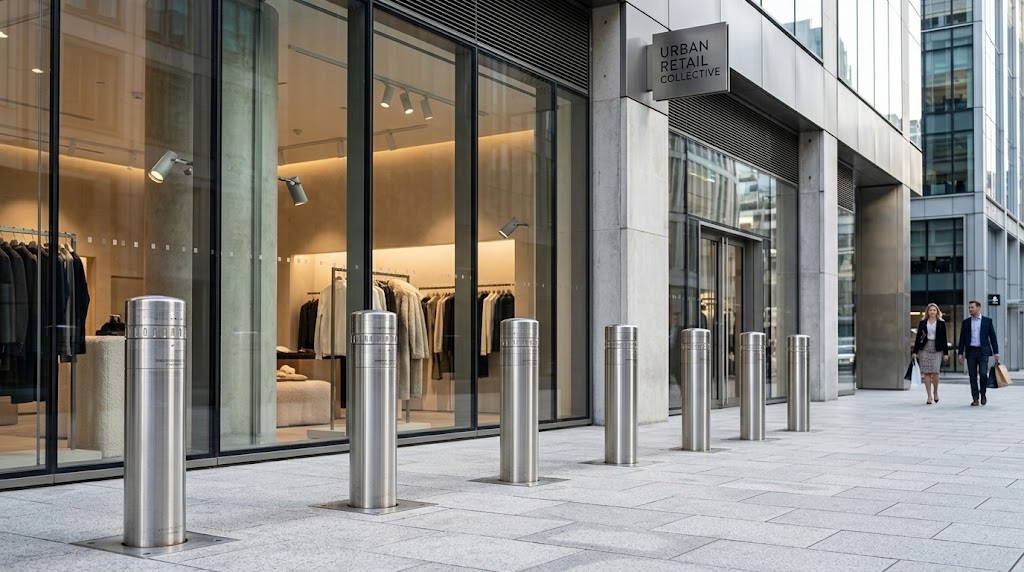
If you take a stroll through any major American city, walk into a bustling commercial shopping center, or visit a secure government facility, you will encounter a ubiquitous piece of infrastructure that often blends seamlessly into the urban landscape: the bollard. These sturdy vertical posts might seem like simple decorative accents at first glance, but they play a critical role in modern architecture, public safety, and site planning. In fact, Security Bollards are used for everything from traffic calming and pedestrian zone demarcation to high-security perimeter defense against hostile vehicle threats.
Over the past few decades, the role of the bollard has evolved dramatically. What once started as simple wooden posts or discarded cannon barrels planted vertically along European wharves to tether ships has transformed into an advanced engineering science. Today’s security posts are manufactured from high-strength carbon steel, reinforced concrete, ductile iron, and shock-absorbing elastomers. Whether safeguarding an outdoor dining patio in downtown Chicago, protecting a high-end retail storefront from accidental vehicular ramming, or securing federal buildings in Washington, D.C., these versatile barriers are an indispensable component of modern American infrastructure.
The Evolution and Purpose of Urban Bollards
To appreciate the vast utility of modern security posts, it helps to examine how they transitioned from basic nautical mooring devices to sophisticated urban safety assets. Historically, cities grew organically with mixed pedestrian and vehicular traffic sharing narrow corridors. As the automotive industry exploded in the 20th century, the risk of vehicle-pedestrian conflicts surged exponentially. City planners needed physical barriers that could delineate spaces without creating visual claustrophobia or blocking emergency access.
Early architectural posts focused primarily on separating sidewalk foot traffic from street-level parking and moving cars. However, rising safety concerns regarding accidental driver error, distracted driving, and intentional security threats sparked a massive revolution in engineering. Modern security solutions are rigorously tested against severe impact standards, ensuring they can absorb monumental kinetic energy while maintaining structural integrity. By installing these posts, property owners and municipal engineers create safe, welcoming environments that protect human lives and valuable assets simultaneously.
Core Categories of Security Bollards

Not all bollards are created equal. Different sites require vastly different levels of protection, aesthetic integration, and operational flexibility. Understanding the primary categories of bollards helps property managers and facility engineers select the optimal system for their specific application.
Fixed and Stationary Security Posts
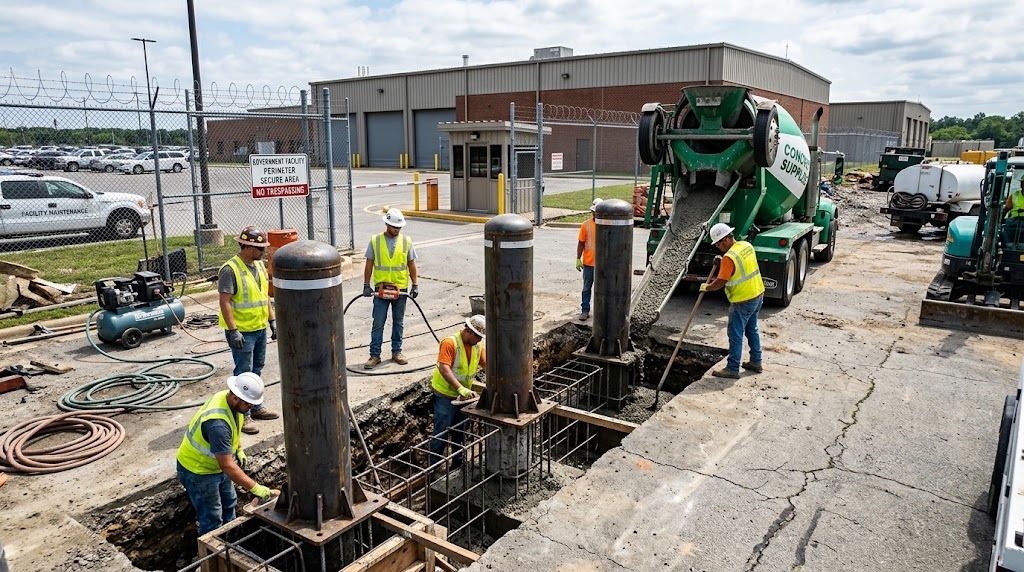
Fixed bollards are permanently embedded deep into concrete foundations or securely bolted to existing sub-structures. These are the most common choice for high-threat perimeters, permanent pedestrian zones, and critical infrastructure protection. Once installed, they provide unwavering, 24/7 defense against vehicle intrusions without requiring manual operation.
Removable and Retractable Systems
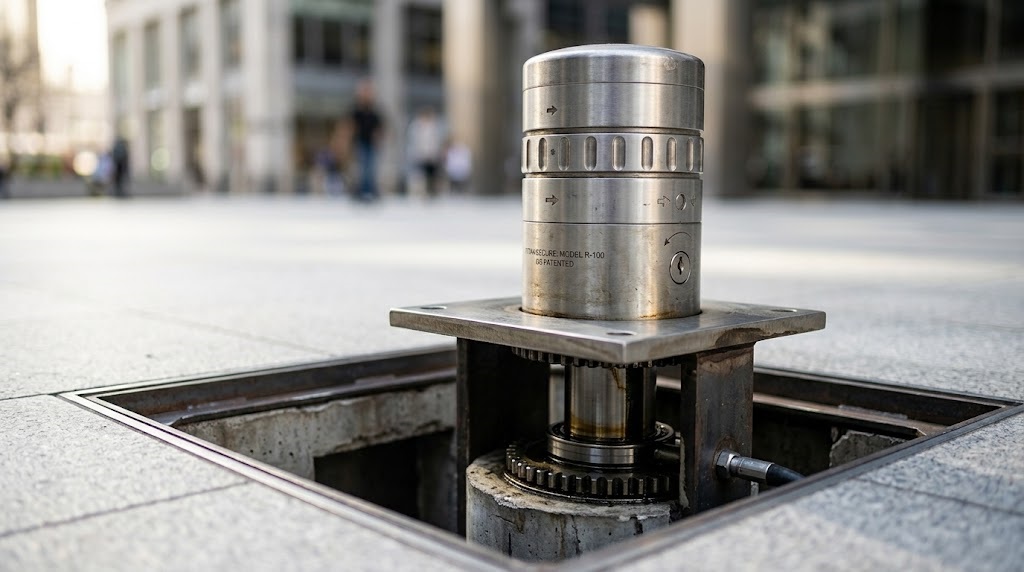
While permanent security is ideal for many locations, certain sites require temporary vehicle access for deliveries, maintenance vehicles, or emergency services. Removable bollards can be manually lifted out of ground sleeves and locked away, while retractable or telescopic bollards sink flush into the pavement using hydraulic, pneumatic, or manual counterbalanced lifting mechanisms. This flexibility makes them exceptionally popular for commercial office complexes, event spaces, and urban plazas.
Crash-Rated vs. Architectural Traffic Bollards
It is essential to distinguish between decorative site-amenity bollards and heavy-duty, crash-rated security bollards. Architectural bollards focus purely on aesthetics, wayfinding, and low-speed traffic control. Conversely, crash-rated barriers are certified by organizations like the Department of State (DOS) or ASTM International to withstand specific vehicle weights moving at high velocities, stopping multi-ton trucks dead in their tracks.
Diverse Applications Across American Industries
The sheer versatility of these protective posts is astounding. Because they can be customized with decorative sleeves, illuminated LED caps, or powder-coated finishes, they integrate into diverse sectors seamlessly.
Retail Storefront and Asset Protection
Every year, numerous retail shops, convenience stores, and banking facilities suffer catastrophic damage when distracted drivers accidentally mistake the accelerator for the brake pedal or engage in ram-raid robberies. Installing heavy-duty steel security posts directly in front of display windows, ATM kiosks, and pedestrian walkways prevents vehicles from crashing into buildings, saving businesses countless dollars in property damage, business interruption, and liability claims.
Pedestrian Safety and Outdoor Dining Zones
Urban revitalization projects across the United States have prioritized walkable downtown districts, pedestrian malls, and expansive outdoor dining terraces. As cities close off streets to vehicular traffic to accommodate foot traffic and sidewalk cafes, bollards serve as the ultimate protective boundary. They reassure diners and shoppers that they are entirely safe from stray traffic while maintaining an open, airy aesthetic.
Protecting Critical Infrastructure and Public Spaces
From municipal water treatment facilities and electrical substations to airports, sports stadiums, and federal courthouses, high-security bollards form the frontline defense of the nation’s critical infrastructure. These heavy-duty installations are engineered to withstand high-impact collisions, neutralizing potential security threats before they can breach restricted perimeters.
Key Considerations When Planning a Bollard Installation
Designing an effective perimeter security or traffic control plan requires careful evaluation of several technical and environmental factors. Rushing into an installation without proper site analysis can lead to compromised security or unnecessary expenses.
- Threat Level and Risk Assessment: Determine whether the site requires basic traffic calming and pedestrian guidance, or heavy-duty, crash-rated protection against intentional vehicular assaults.
- Sub-Surface Conditions: Inspect underground utilities, drainage pipes, and electrical lines before excavating deep concrete foundations for permanent or retractable bollards.
- Aesthetic Harmony: Consider how the color, texture, and profile of the bollards complement the surrounding architecture, landscape design, and historical context of the property.
- Access Requirements: Evaluate how often maintenance vehicles, delivery trucks, or emergency responders need access, which will dictate whether you need removable, retractable, or fixed systems.
Frequently Asked Questions
What are crash-rated bollards and how do they work?
Crash-rated bollards are heavy-duty security barriers engineered to absorb the kinetic energy of a moving vehicle and bring it to a controlled stop. They are tested according to rigorous ASTM standards (such as ASTM F2656), which measure how far a truck penetrates past the barrier upon impact.
Can security bollards be customized to match building aesthetics?
Yes. While structural cores are typically made of thick carbon steel or reinforced concrete, manufacturers offer cast aluminum, stainless steel, or polyurethane architectural sleeves. These sleeves allow bollards to mimic bronze, brushed metal, or painted finishes that match existing property decor.
What is the difference between removable and retractable bollards?
Removable bollards must be manually lifted out of their ground sockets and stored elsewhere when vehicle access is needed. Retractable bollards operate on a telescopic mechanism that allows them to slide directly down into a sub-surface housing unit, either manually or via automated hydraulic systems.
Are bollards effective at stopping accidental vehicle crashes?
Extremely effective. Thousands of incidents occur annually where drivers accidentally drive into storefronts. Properly engineered steel or concrete bollards absorb the impact energy entirely, halting the vehicle before it penetrates the building envelope.
Do security bollards require ongoing maintenance?
Fixed bollards require very little maintenance beyond occasional cleaning and touch-up painting or rust prevention. Retractable and automated hydraulic systems require periodic professional servicing to ensure internal mechanisms, drainage systems, and motors remain free of debris and fully operational.
How deep must permanent bollards be buried?
The embedment depth of a permanent security bollard depends entirely on the required impact rating. Standard architectural posts may only require a 12 to 18-inch footing, whereas high-security crash-rated bollards often require massive reinforced concrete foundations extending three to five feet underground.
Can bollards also serve as lighting fixtures?
Yes. Many modern urban design plans utilize illuminated bollards equipped with integrated LED light fixtures. These dual-purpose units provide vital nighttime wayfinding and path lighting along walkways while simultaneously serving as robust traffic barriers.
Conclusion
The humble bollard has evolved from a simple navigational marker into one of the most vital safety assets in modern urban planning and facility management. Because Security Bollards are used for everything from traffic separation and pedestrian protection to high-security infrastructure defense, they represent an indispensable investment in property safety and peace of mind. By carefully evaluating your site’s specific risks, aesthetic requirements, and access needs, you can implement a comprehensive protective layout that safeguards human life, secures valuable assets, and enhances the architectural beauty of your property for decades to come.

Written by Twastia Editorial Team
Twastia Editorial Team shares practical insights about website design, SEO services, Google Ads, content marketing, social media, conversion rate optimization, and digital marketing strategy.
Last updated: Oct 18, 2026
Related posts from Twastia
Explore more useful articles from twastia.com about digital marketing, SEO, websites, ads, content, and growth strategy.