Managing Business Waste: A Practical Guide for Companies
Every business generates waste. From cardboard packaging and office paper to discarded electronics, food scraps, and manufacturing byproducts, the materials […]
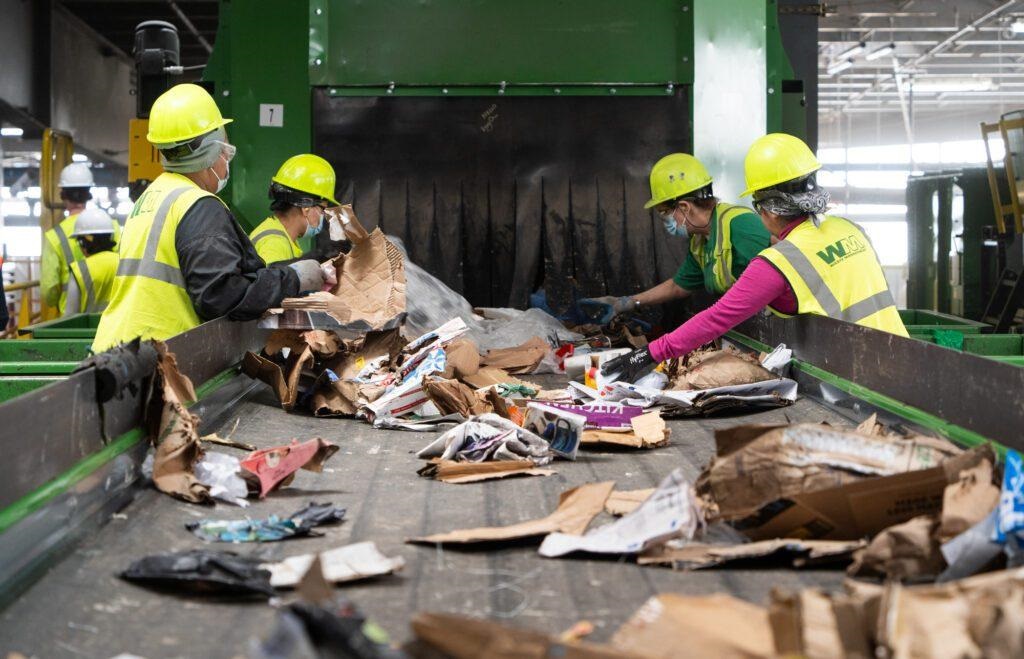
Every business generates waste. From cardboard packaging and office paper to discarded electronics, food scraps, and manufacturing byproducts, the materials companies throw away can create financial and environmental challenges.
However, waste does not have to be an unavoidable cost of doing business. With thoughtful planning, companies can reduce unnecessary material consumption, improve recycling, and make better use of valuable resources.
Managing business waste is about more than arranging trash collection. It involves understanding where waste originates, identifying opportunities to prevent it, separating materials correctly, and ensuring that remaining waste receives appropriate treatment.
For businesses across the United States, an effective waste management strategy can support operational efficiency, regulatory compliance, and environmental responsibility.
Whether you operate a small office, retail store, restaurant, warehouse, or manufacturing facility, this guide explains how to develop practical waste management systems that support both your company and the environment.
What Is Business Waste Management?
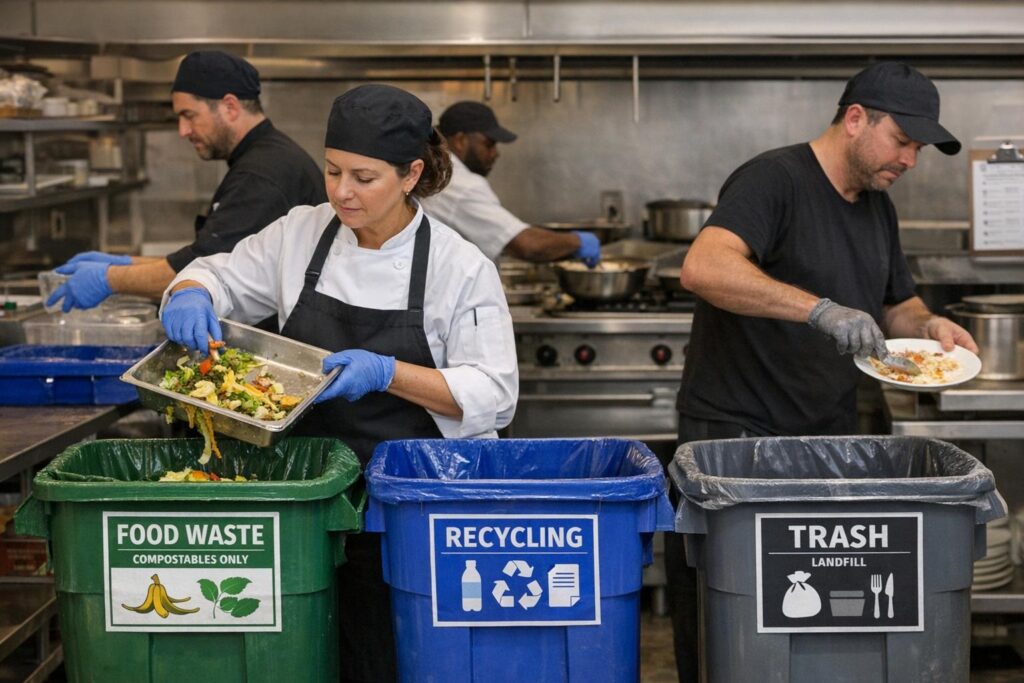
Business waste management refers to the processes used to prevent, collect, separate, store, transport, recycle, recover, and dispose of materials generated through commercial activities.
The specific approach depends on the nature of the business and the types of waste it produces.
An office may primarily generate paper, packaging, and electronic waste. A restaurant may produce substantial food scraps, while a manufacturing facility may need specialized procedures for industrial materials.
Successful waste management begins before materials enter the trash.
Businesses should consider how purchasing decisions, product design, packaging, and daily operations influence the amount of waste produced.
This broader approach is known as sustainable materials management, which considers environmental impacts throughout a material’s life cycle.
Why Managing Business Waste Is Important
Effective waste management provides benefits beyond keeping commercial premises clean.
Reduce Operating Expenses
Waste collection, transportation, and disposal represent ongoing business expenses.
Reducing unnecessary waste may help companies avoid some purchasing costs and potentially lower collection expenses.
For example, switching from disposable packaging to suitable reusable transport containers may reduce repeated packaging purchases.
Actual savings depend on service agreements, equipment costs, labor, and the volume of material avoided.
Protect the Environment
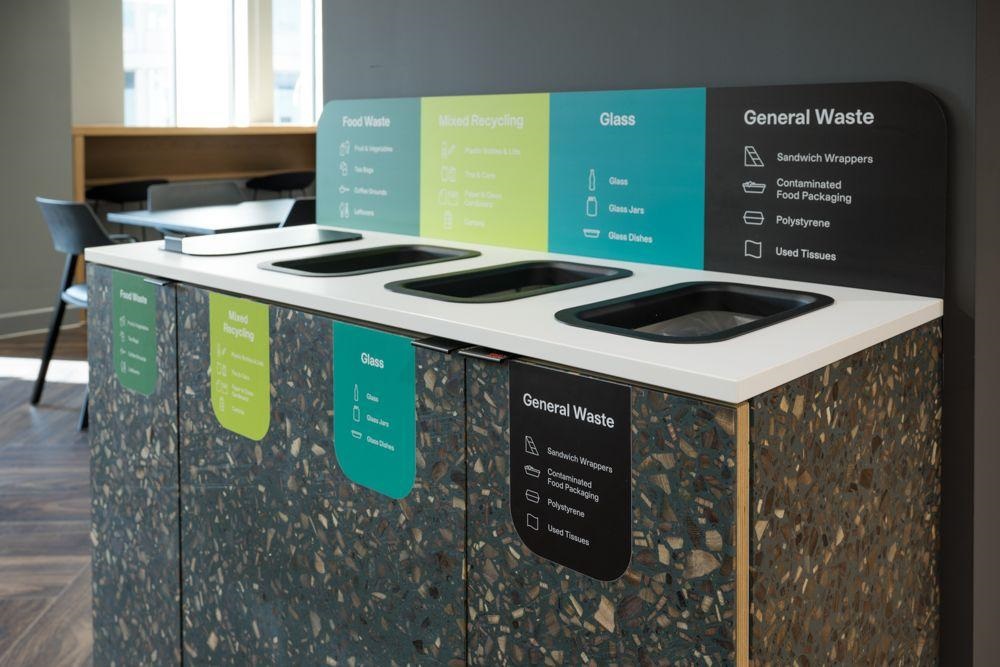
Waste generation consumes natural resources and energy throughout the production and disposal process.
Reducing material consumption can help conserve resources, while appropriate recycling can return certain materials to productive use.
Keeping recoverable materials out of landfills may also reduce some environmental impacts associated with disposal.
Support Regulatory Compliance
Businesses must follow applicable federal, state, and local waste management requirements.
Certain wastes, including some chemicals, solvents, batteries, and other regulated materials, require special handling.
Improper disposal can create safety risks, environmental damage, and potential regulatory penalties.
Build a Responsible Business Culture
Employees are more likely to participate in waste reduction when expectations are clearly communicated.
Simple procedures, accessible recycling stations, and visible management support can encourage more consistent habits.
A credible sustainability program should focus on measurable improvements rather than unsupported environmental claims.
Common Types of Business Waste
Identifying the materials your company generates is an essential first step.
Paper and Cardboard Waste
Offices, warehouses, and retailers frequently generate paper documents, shipping cartons, and cardboard packaging.
Many clean paper products can be recycled where suitable collection services exist.
Businesses can also reduce consumption through digital documentation and reusable shipping materials.
Plastic and Packaging Waste
Plastic film, bottles, protective wrapping, and disposable packaging are common commercial waste streams.
Recycling availability varies according to material type and local processing facilities.
Reducing excessive packaging at the purchasing stage may be more effective than relying exclusively on recycling.
Food and Organic Waste
Restaurants, cafeterias, supermarkets, and hospitality businesses may produce substantial food waste.
Possible solutions include improved inventory management, appropriate food donation, and separate organics collection.
Composting or anaerobic digestion may be available depending on local infrastructure.
Electronic Waste
Discarded computers, monitors, printers, cables, and other electronics may contain recoverable materials and components requiring careful handling.
Businesses should use appropriate recycling or reuse channels and securely manage data before transferring equipment.
Hazardous and Regulated Waste
Some commercial activities generate chemicals, paints, solvents, oils, and other potentially hazardous materials.
Waste classification and disposal requirements depend on the material and applicable regulations.
These substances should not be mixed casually with ordinary commercial trash or recycling.
Understanding the Waste Management Hierarchy
The U.S. Environmental Protection Agency promotes a waste management hierarchy that prioritizes preventing waste over handling it after generation.
This provides a useful framework for businesses seeking practical improvements.
Reduce Waste at the Source
Source reduction is generally the most environmentally preferred approach.
It involves preventing unnecessary material consumption before waste is created.
Businesses might purchase supplies in appropriate quantities, reduce excessive packaging, or redesign processes that generate avoidable scrap.
Reuse Products and Materials
Reusable materials can often provide additional value before disposal.
Examples include returnable shipping containers, reusable office supplies, and furniture donated for continued use.
Repairing equipment instead of replacing it may also reduce material consumption.
Recycle Suitable Materials
Recycling converts collected materials into resources that can support new manufacturing.
Common commercial recyclable materials include certain paper products, metals, cardboard, and accepted plastics.
However, contamination can reduce the value or recyclability of collected materials.
Recover or Dispose of Remaining Waste
Some residual materials may be suitable for energy recovery through approved facilities.
Other materials require treatment or disposal.
These options should be evaluated according to environmental performance, local infrastructure, and legal requirements rather than assuming that every recovery method is equally beneficial.
How to Create a Business Waste Management Plan
A practical plan turns environmental goals into measurable activities.
Step 1: Conduct a Waste Audit
Start by identifying the main materials your business discards.
Review collection records, purchasing information, and waste handling practices.
Where safe and appropriate, conduct a supervised assessment of representative nonhazardous waste streams.
Record common material categories and estimate their quantities.
Hazardous or potentially contaminated waste should be assessed by qualified personnel using appropriate procedures.
Step 2: Identify Major Waste Sources
Determine which business activities generate the most unnecessary waste.
A warehouse might discover excessive stretch wrap, while an office may identify significant paper consumption.
Prioritize opportunities where changes are practical and likely to make a measurable difference.
Step 3: Set Realistic Reduction Goals
Establish specific targets based on your starting measurements.
For example, a company might aim to reduce cardboard disposal or improve the capture of accepted recyclables over a defined period.
Targets should reflect local recycling opportunities and the resources available for implementation.
Step 4: Introduce Collection Systems
Provide clearly identified containers for the materials accepted by your waste service provider.
Place collection points where waste actually occurs.
Ensure employees understand which materials belong in each container.
Step 5: Assign Responsibilities
Designate a person or team to coordinate the waste management program.
Responsibilities may include staff training, collection reviews, supplier communication, and performance tracking.
Clear ownership makes it easier to maintain progress.
Step 6: Review and Improve
Compare results against the original waste audit.
Investigate recurring contamination, unexpected disposal increases, and opportunities for further prevention.
Update procedures when suppliers, products, or collection services change.
Practical Strategies for Managing Business Waste
Businesses do not always need expensive equipment or complex technology to achieve improvements.
Small operational changes can produce meaningful results when applied consistently.
Reduce Single-Use Products
Review disposable products used in break rooms, offices, and customer-facing operations.
Reusable dishes, durable containers, and refillable supplies may be appropriate alternatives.
Consider cleaning requirements and product life cycles before changing materials.
Improve Purchasing Decisions
Buy products with less unnecessary packaging where practical.
Consider durable, repairable equipment and supplies containing suitable recycled materials.
Discuss packaging reduction opportunities with vendors.
Introduce Digital Workflows
Electronic invoices, digital contracts, and shared online documents can reduce unnecessary printing.
However, businesses should still consider electronic equipment management and secure information storage.
Work With Responsible Waste Providers
When researching managing business waste, businesses can explore broader environmental discussions about waste prevention, recycling, and responsible material use.
The linked Ethical Choice resource redirects to an article focused on zero-waste principles and the 5Rs: Refuse, Reduce, Reuse, Recycle, and Rot.
These concepts can help organizations reconsider unnecessary consumption before deciding how materials should be collected and processed.
For actual waste services, choose providers capable of handling your specific waste streams and meeting applicable regulatory requirements.
Waste Management for Different Industries
Waste reduction strategies should reflect how each business operates.
Offices and Professional Services
Offices can focus on paper reduction, reusable supplies, electronics management, and clearly organized recycling stations.
Employee education is important because shared collection areas often experience contamination when instructions are unclear.
Restaurants and Food Businesses
Food businesses can improve inventory forecasting, monitor spoilage, and evaluate portion sizes.
Where suitable, surplus edible food may be donated through appropriate organizations.
Unavoidable food scraps may be collected separately for composting or other approved processing.
Retail Stores
Retail waste frequently includes cardboard boxes, protective packaging, damaged merchandise, and promotional materials.
Reusable delivery systems and better inventory management may help reduce discarded materials.
Warehouses and Manufacturing Facilities
Industrial operations may generate packaging, pallets, scrap materials, and specialized production waste.
Tracking material loss by process can reveal valuable opportunities for redesign, reuse, and recycling.
Safety and regulatory controls are especially important when industrial waste contains hazardous substances.
Business Waste Disposal Regulations in the United States
Waste management responsibilities vary depending on material type, business activity, and location.
Federal regulations establish requirements for certain hazardous wastes, while states and local governments may impose additional rules.
Hazardous Waste Generator Requirements
Under federal hazardous waste rules, generator responsibilities depend partly on the type and quantity of hazardous waste generated.
The EPA identifies different generator categories, each with applicable requirements.
Businesses must determine their waste classifications and follow appropriate storage, labeling, transportation, and disposal procedures.
Local Recycling and Collection Rules
Commercial recycling requirements vary among jurisdictions.
Some cities or states require certain businesses to separate designated recyclable or organic materials.
Check the applicable rules for every operating location rather than assuming one nationwide standard.
Documentation and Recordkeeping
Certain regulated waste activities require records, manifests, or other documentation.
Even when detailed records are not legally required, maintaining collection receipts and waste reports can help evaluate program performance.
Consult qualified environmental professionals when dealing with complex regulated waste streams.
How to Measure Waste Management Success
A successful program requires consistent monitoring.
Useful indicators include the total waste generated, materials diverted from disposal, waste generated per unit of business activity, and waste service expenses.
Tracking waste relative to production, employees, or sales activity can provide more meaningful comparisons as business operations grow.
For example, a manufacturer might measure discarded material per finished product.
A restaurant might track preventable food waste relative to meals prepared.
Performance reporting should distinguish actual measured results from estimates and avoid claiming that every collected recyclable item was successfully recycled.
Common Business Waste Management Mistakes
One common mistake is introducing recycling bins without understanding what the collection provider accepts.
This can create contamination and increase processing difficulties.
Another is focusing only on recycling instead of preventing unnecessary waste.
Businesses may also fail to train employees, neglect hazardous waste requirements, or overlook the financial effects of purchasing decisions.
Finally, setting ambitious environmental targets without baseline measurements makes progress difficult to verify.
A practical program should prioritize accurate information, employee participation, and achievable improvements.
Frequently Asked Questions About Managing Business Waste
1. What is the best way to manage business waste?
Begin with a waste audit, identify preventable materials, establish suitable recycling systems, train employees, and use compliant collection services. Review performance regularly.
2. Why is business waste management important?
It can help reduce unnecessary costs, conserve resources, maintain safer workplaces, support regulatory compliance, and improve environmental performance.
3. What types of commercial waste can be recycled?
Common examples include certain paper, cardboard, metals, plastics, and electronics. Acceptance depends on material condition, local infrastructure, and available recycling services.
4. How can small businesses reduce waste?
Small businesses can reduce disposable supplies, improve purchasing, reuse packaging, introduce digital documents, and organize accessible recycling stations.
5. Do businesses have to recycle in the United States?
Requirements vary by state, municipality, material, and business type. Some jurisdictions mandate separation or recycling of particular commercial materials.
6. What is a business waste audit?
A waste audit identifies and measures materials generated by business activities. It helps establish a baseline and reveal opportunities to prevent or divert waste.
7. How should businesses handle hazardous waste?
Businesses must determine whether their waste is regulated as hazardous and follow applicable federal and state rules. Qualified waste professionals can assist with classification and compliant handling.
8. Can better waste management save businesses money?
Potentially. Waste prevention may reduce purchasing and disposal expenses, although actual savings depend on operational changes, collection contracts, and implementation costs.
Conclusion
Managing business waste is an essential part of building an efficient, responsible, and sustainable organization.
Rather than viewing discarded materials solely as a disposal problem, businesses can identify opportunities to prevent waste, reuse valuable resources, and improve recycling practices.
The most effective strategies begin with understanding existing waste streams and setting realistic goals supported by employee participation.
From small offices to manufacturing facilities, practical improvements can contribute to lower material consumption, better operational control, and reduced environmental impacts.
By combining waste prevention, suitable collection systems, regulatory compliance, and regular performance reviews, companies can develop a waste management approach that supports both long-term business priorities and environmental responsibility.

Written by Twastia Editorial Team
Twastia Editorial Team shares practical insights about website design, SEO services, Google Ads, content marketing, social media, conversion rate optimization, and digital marketing strategy.
Last updated: Oct 17, 2026
Related posts from Twastia
Explore more useful articles from twastia.com about digital marketing, SEO, websites, ads, content, and growth strategy.