Loft Insulation: Complete Guide to Benefits, Costs & Energy Savings in 2026
Keeping your home comfortable throughout the year can be challenging when heating and cooling costs continue to affect household budgets. […]
Keeping your home comfortable throughout the year can be challenging when heating and cooling costs continue to affect household budgets. Whether you experience freezing winters, hot summers, or changing seasonal temperatures, an important part of maintaining indoor comfort is reducing unnecessary heat transfer.
One of the most effective places to improve a home’s thermal performance is the space directly beneath the roof.
Loft insulation, commonly called attic insulation in the United States, helps slow heat movement between conditioned living areas and the roof space above them.
Without sufficient insulation, your heating and cooling equipment may need to work harder to maintain comfortable indoor temperatures.
However, the right installation involves more than adding insulating material. Proper air sealing, moisture management, ventilation, and material selection all influence long-term performance.
This guide explains how loft insulation works, its benefits, available materials, recommended insulation levels, installation considerations, and important advice for American homeowners.
What Is Loft Insulation?

Loft insulation is a thermal barrier installed within the roof space of a residential or commercial building.
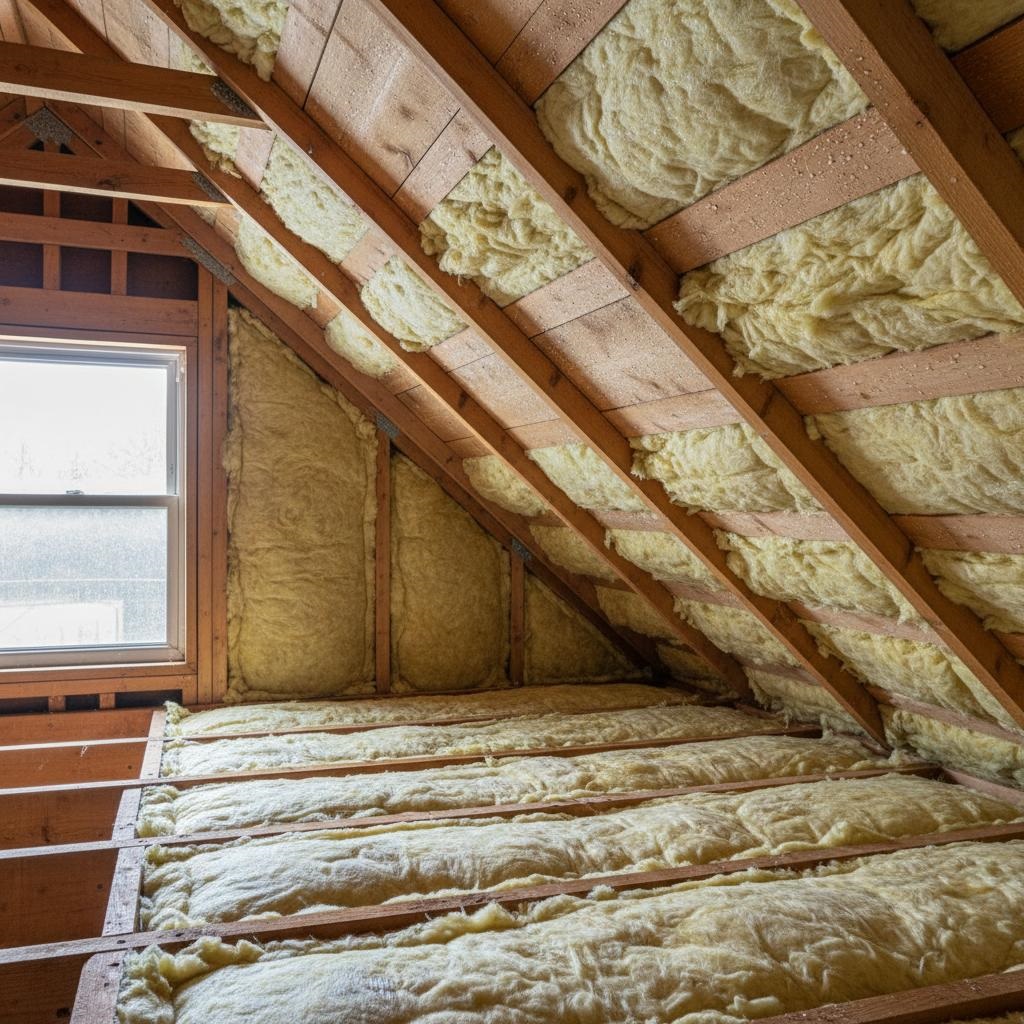
In many conventional homes, insulation is installed across the attic floor, separating the heated or cooled rooms below from an unconditioned attic.
Other building designs may require insulation along the roofline instead.
How Does Loft Insulation Work?
Heat naturally moves from warmer areas toward cooler ones.
During winter, insulation helps reduce heat escaping from the living spaces below.
During summer, it reduces unwanted heat entering the conditioned rooms from a hot attic.
Insulation slows heat transfer rather than stopping it completely.
Its effectiveness depends on the insulation material, installed thickness, continuity, and overall building design.
Why Is Loft Insulation Important?
1. Improve Indoor Comfort
An inadequately insulated attic can contribute to uncomfortable temperature differences between rooms.
Improving insulation may help living spaces maintain more consistent temperatures throughout the day.
2. Reduce Heating and Cooling Expenses
When less heat escapes or enters the home, heating and cooling equipment may operate less frequently.
ENERGY STAR estimates that homeowners can save an average of approximately 15% on heating and cooling costs through a combined approach involving air sealing and insulation improvements.
Actual savings vary, and this estimate should not be attributed to loft insulation alone.
3. Support Energy Efficiency
Reducing unnecessary energy consumption can help lower the environmental impact of operating a home.
The overall benefit depends on the energy source, climate, and existing building performance.
4. Improve Some Acoustic Conditions
Certain insulating materials can help reduce sound transmission through building assemblies.
However, attic insulation isn’t automatically a complete soundproofing solution.
Popular Types of Loft Insulation
Different materials suit different attic layouts, performance requirements, and budgets.
Fiberglass Insulation
Fiberglass is widely used in American residential construction.
It is available as flexible batts, rolls, and loose-fill insulation.
Batts may suit accessible spaces with regular joist spacing, while blown-in fiberglass can reach irregular areas.
Mineral Wool Insulation
Mineral wool is manufactured from mineral-based materials and is available in several forms.
It provides thermal resistance and can offer sound-control benefits.
Its fire-related properties depend on the specific product and installation assembly.
Cellulose Insulation
Cellulose typically contains processed recycled paper fibers with appropriate treatments.
It is commonly installed using specialized blowing equipment.
The material can fill irregular attic spaces when installed at the specified density and depth.
Spray Foam Insulation
Spray polyurethane foam may be appropriate for selected roofline or building-envelope designs.
However, correct application requires attention to moisture, ventilation, fire protection, and occupant safety.
It should not be treated as the default choice for every attic.
Professional design and installation are especially important.
Understanding Loft Insulation R-Values
In the United States, insulation performance is commonly expressed using an R-value.
R-value measures resistance to heat flow.
A higher R-value indicates greater thermal resistance under specified conditions.
What R-Value Does Your Home Need?
ENERGY STAR provides recommendations according to U.S. climate zones and the insulation already present.
For retrofitting an uninsulated attic in an existing wood-framed home, its recommendations range from approximately R-30 in Climate Zone 1 to R-60 in many colder zones.
The ideal level depends on location, construction, and current insulation.
Is Thicker Insulation Always Better?
Adding insulation can improve thermal resistance when existing levels are inadequate.
However, compressing certain insulation materials may reduce their intended performance.
Installation quality and appropriate material selection matter as much as thickness.
Signs Your Attic May Need More Insulation
Homeowners may notice several conditions that suggest inadequate insulation.
Uneven Indoor Temperatures
Upstairs bedrooms may feel unusually warm during summer or cold during winter.
However, uneven temperatures can also result from HVAC distribution or air leakage problems.
High Energy Consumption
Heating and cooling costs that appear unusually high may justify an energy assessment.
Energy prices and household behavior should also be considered.
Visible Ceiling Joists
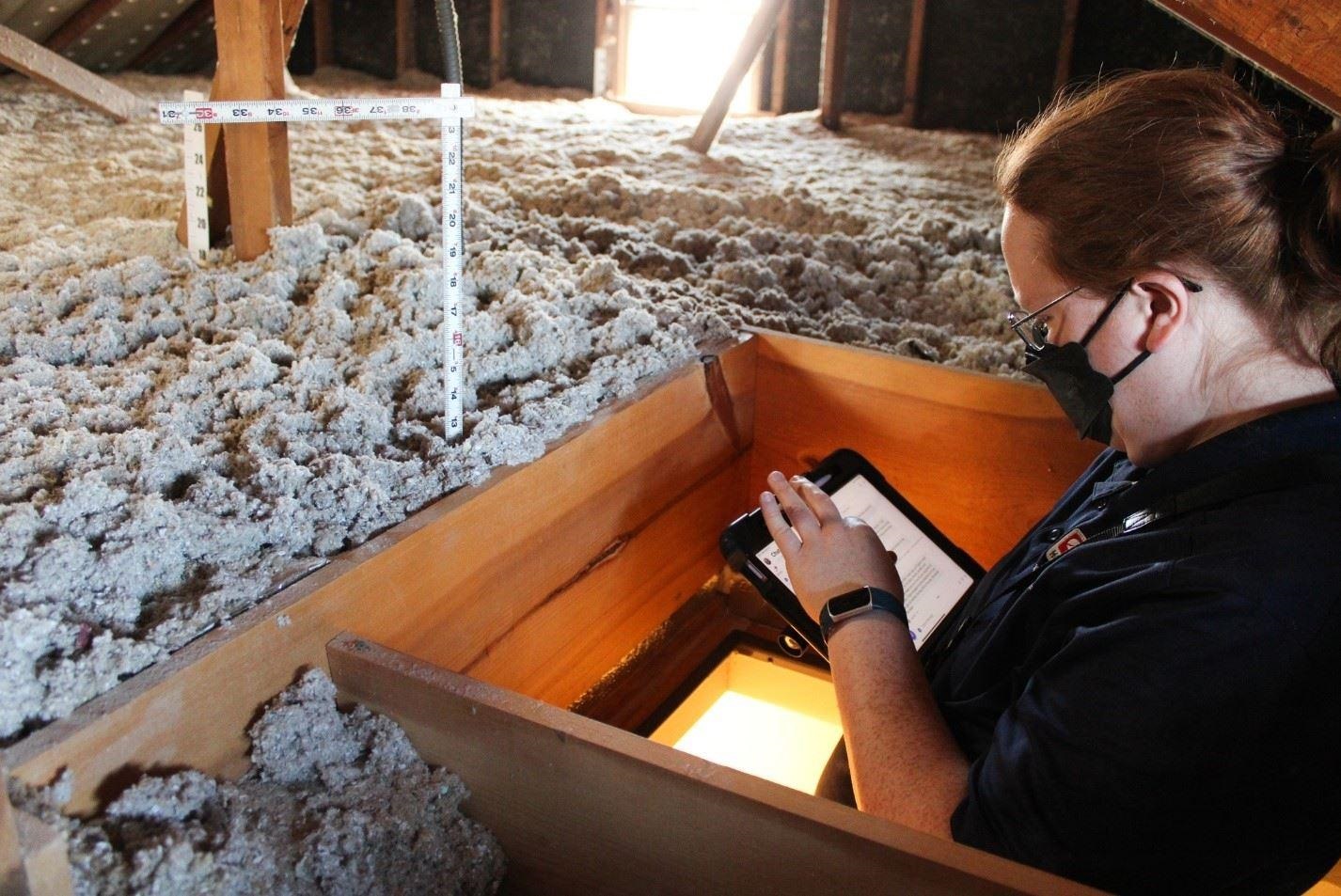
ENERGY STAR suggests that insulation level with or below the attic floor joists may indicate an opportunity for additional insulation.
This visual observation is useful but does not replace a proper R-value assessment.
Drafts and Air Leakage
Air entering through ceiling penetrations can reduce comfort.
These leaks generally need air sealing rather than insulation alone.
Why Air Sealing Comes Before Insulation
Insulation and air sealing perform different functions.
Insulation slows heat transfer through a building assembly.
Air sealing reduces unwanted air movement through openings and gaps.
Common attic leakage locations include plumbing penetrations, wiring openings, attic hatches, and certain ceiling fixtures.
Seal Appropriate Openings First
ENERGY STAR recommends completing attic air sealing before adding insulation.
Otherwise, air leaks may remain hidden beneath new material.
Sealing methods must respect electrical, fire, and building-code requirements.
Attic Ventilation and Moisture Control
Proper insulation should be planned together with moisture management.
A roof leak, excessive indoor humidity, or blocked ventilation can contribute to dampness and material deterioration.
Protect Ventilation Openings
In a conventionally vented attic, soffit and other designed ventilation openings should remain unobstructed.
Appropriate baffles can help preserve airflow near the roof edges.
Address Leaks Before Installation
Wet roof decking and existing water damage should be investigated before new insulation is installed.
Simply covering a moisture problem can conceal deterioration.
Not every attic requires the same ventilation strategy, particularly when roofline insulation creates an unvented assembly.
Professional Loft Insulation in Northern Ireland
Homeowners researching loft insulation may encounter Clever Insulation, a specialist provider based in Belfast, Northern Ireland.
Its official website describes loft insulation installation, ventilation assessment, energy-efficiency surveys, and related home improvement services.
What Does Clever Insulation Offer?
The company advertises mineral wool insulation, including Rockwool and its own Clever insulation materials.
It also describes checks for insulation depth, ventilation, leaks, roof timbers, electrical cables, and attic access.
Additional services include loft boarding, attic clearance, and pipe and tank insulation.
Installation and Warranty Information
Clever Insulation states that many standard installations can be completed within half a day to one full day.
It also advertises a standard 25-year warranty on the effectiveness of its insulation work.
These are company-reported terms that customers should verify before booking.
Important Note for U.S. Readers
Clever Insulation serves Northern Ireland, including Belfast and surrounding areas.
Its local grant assistance, financing, installation arrangements, and warranty terms should not be assumed available in the United States.
American homeowners should use qualified domestic contractors and U.S. climate-specific recommendations.
What Happens During Loft Insulation Installation?
Step 1: Inspect the Attic
A contractor evaluates existing insulation, roof condition, access, moisture, and visible safety concerns.
Step 2: Determine the Required R-Value
The recommended insulation level is selected based on the building, climate, and existing materials.
Step 3: Complete Necessary Preparations
Appropriate air leaks are sealed, moisture problems addressed, and ventilation pathways protected.
Step 4: Install the Insulation
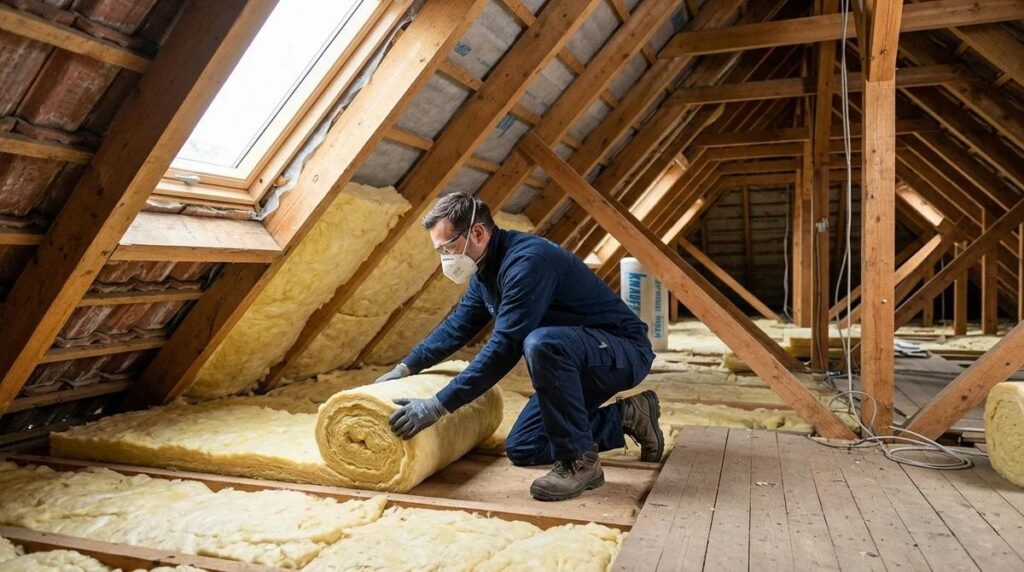
Batts or rolls may be fitted across the attic floor, or suitable loose-fill materials may be installed with blowing equipment.
The technique depends on the specified product.
Step 5: Verify the Installation
The contractor checks coverage, intended depth, access clearances, and other important installation details.
The completed work should be consistent with the agreed specifications.
How Much Does Loft Insulation Cost in 2026?
The cost of attic insulation varies considerably by project.
A small, easily accessible attic may require less labor than a large space with difficult access or extensive preparation work.
Factors Affecting the Price
Important considerations include attic square footage, insulation type, target R-value, existing material condition, and air-sealing requirements.
Additional work involving ventilation or damaged materials can increase costs.
Compare Written Quotations
Request estimates identifying the insulation material, expected R-value, installation method, air sealing, and cleanup.
Ask whether disposal, ventilation modifications, and necessary permits are included.
Compare complete project specifications rather than choosing solely on advertised prices.
DIY Loft Insulation vs. Professional Installation
Some accessible attic insulation projects may be suitable for experienced homeowners.
However, attic work presents hazards that should not be underestimated.
When DIY May Be Reasonable
A straightforward project involving suitable batt insulation in an accessible, uncomplicated attic may be manageable with the correct training and precautions.
Follow ENERGY STAR guidance and the manufacturer’s installation instructions.
When to Hire Professionals
Professional assistance is preferable when an attic contains complicated wiring, difficult access, moisture problems, uncertain materials, or extensive air leaks.
Blown-in insulation and spray foam installations may also require specialized equipment and expertise.
Never step on exposed ceiling drywall between structural supports.
Important Attic Insulation Safety Considerations
Older homes may contain insulation materials requiring special precautions.
The U.S. Environmental Protection Agency warns that vermiculite attic insulation may contain asbestos.
If vermiculite is present, do not disturb or attempt to remove it yourself.
Consult appropriately qualified asbestos professionals before work that could disturb the material.
Insulation must also respect required clearances around heat-producing equipment, flues, and certain electrical fixtures.
Fibrous materials should be handled using the protective equipment specified by their manufacturers.
Can You Use Your Loft for Storage After Insulation?
Some attics have space for limited storage, but suitability depends on structural loading and access.
Compressing insulation beneath stored boxes or ordinary flooring can reduce its effectiveness.
If storage is required, a properly designed raised platform may preserve the insulation’s intended depth.
However, the ceiling structure must be capable of safely supporting the additional loads.
Ask a qualified professional to evaluate the arrangement rather than placing heavy items directly on insulation.
How to Maintain Loft Insulation
Properly installed insulation can remain effective for many years.
Nevertheless, homeowners should periodically check for visible moisture problems, roof leaks, disturbed materials, and unusual changes in indoor comfort.
Do not walk through or compress the insulation unnecessarily.
Following roof repairs or electrical work, confirm that insulation has not been displaced.
Damaged or wet insulation may need professional assessment and appropriate replacement.
Common Loft Insulation Mistakes to Avoid
A frequent mistake is adding insulation without first addressing significant air leaks.
Another is installing material over existing water damage.
Blocking ventilation openings can also create problems in attics designed to be ventilated.
Homeowners should avoid compressing insulation, covering equipment contrary to required clearances, or mixing incompatible building-envelope approaches.
Finally, do not assume that the same insulation thickness or grant program applies in every region.
Professional assessment and local requirements should guide the work.
Frequently Asked Questions About Loft Insulation
What Is Loft Insulation Called in the USA?
Americans usually call it attic insulation. Both terms refer to thermal insulation installed within the space beneath a roof, although exact installation locations vary.
Does Loft Insulation Reduce Energy Bills?
It can. Savings depend on existing insulation, air leakage, weather, heating and cooling equipment, and household behavior.
Which Loft Insulation Material Is Best?
Fiberglass, mineral wool, cellulose, and selected foam systems can all be appropriate. The best choice depends on building design and performance requirements.
How Much Insulation Does an Attic Need?
Recommended levels vary by U.S. climate zone. ENERGY STAR provides guidance ranging from approximately R-30 to R-60 for many existing uninsulated attics.
Can I Install New Insulation Over Old Insulation?
Often, yes, when existing materials are dry, sound, and suitable. Unknown or potentially asbestos-containing materials require professional evaluation first.
Can Loft Insulation Cause Damp Problems?
Improper moisture management, roof leaks, or blocked ventilation can contribute to dampness. Correct building-envelope design is essential.
How Long Does Loft Insulation Last?
Many insulation materials can perform for decades if installed correctly and protected from damage. Actual durability depends on the product and conditions.
Does Clever Insulation Work in the United States?
Its published service information identifies Northern Ireland as its service region. U.S. installation services have not been verified.
Conclusion: Improve Your Home With Proper Loft Insulation
Loft insulation is an important part of a comfortable, energy-efficient home.
By reducing unnecessary heat transfer, an appropriately insulated attic can support better indoor temperatures and lower heating and cooling demand.
However, successful installation requires more than choosing a thick insulation material.
Air sealing, recommended R-values, ventilation, moisture management, and safety should all be considered before work begins.
Whether you’re upgrading an older property or planning a new home improvement project, start with a careful assessment and choose materials suited to your climate.
With proper installation and ongoing maintenance, attic insulation can provide meaningful long-term benefits for American homeowners.

Written by Twastia Editorial Team
Twastia Editorial Team shares practical insights about website design, SEO services, Google Ads, content marketing, social media, conversion rate optimization, and digital marketing strategy.
Last updated: Oct 15, 2026
Related posts from Twastia
Explore more useful articles from twastia.com about digital marketing, SEO, websites, ads, content, and growth strategy.