Hard Money Lenders in Tampa: A Guide for Real Estate Investors
Real estate investors often need financing that moves faster and works differently from a conventional bank loan. A property may […]

Real estate investors often need financing that moves faster and works differently from a conventional bank loan. A property may have strong investment potential, but traditional underwriting can take too long or place too much emphasis on income, credit history, or other borrower qualifications. This is where private, asset-based financing can become an option.
For investors researching hard money lenders in tampa, understanding how these loans work is essential before submitting a request. Hard money loans are generally secured by real estate, and lenders typically focus heavily on the property’s value, equity, transaction structure, and exit strategy.
Tampa’s real estate market also includes a wide variety of residential, commercial, redevelopment, and investment opportunities. As a result, financing requirements can vary significantly from one transaction to another.
This guide explains what hard money lending is, how Tampa investors can evaluate lenders, what information lenders typically consider, and the questions you should ask before accepting an offer.
What Is a Hard Money Loan?
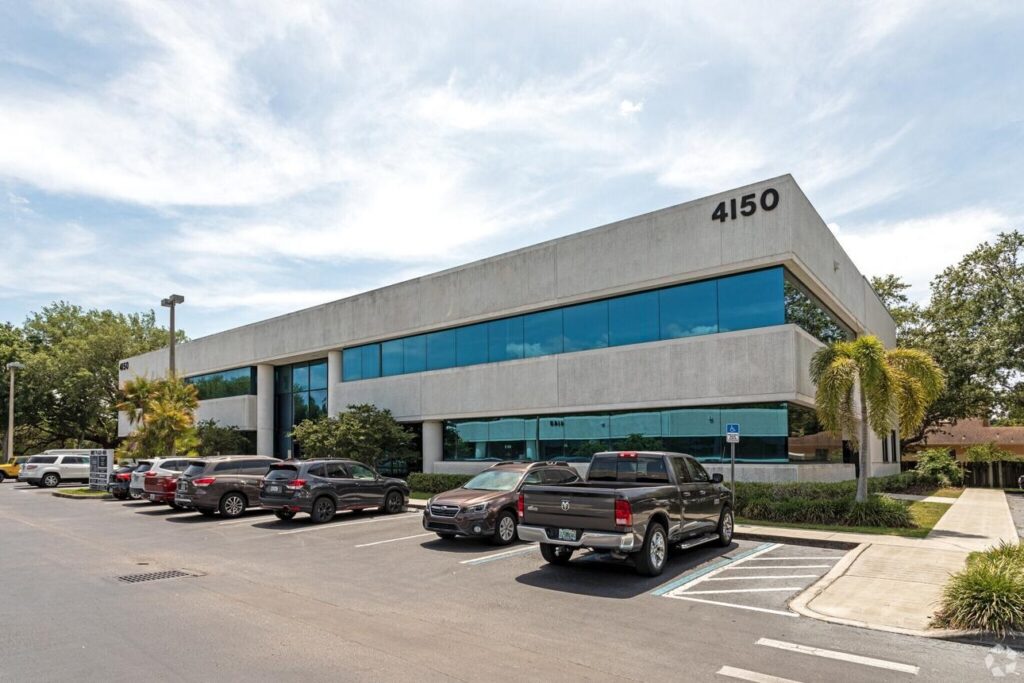
A hard money loan is a form of private real estate financing in which the property being financed generally plays a major role in the lender’s decision.
Unlike conventional financing, where income, credit history, debt-to-income ratios, and extensive documentation can be central to qualification, asset-based lenders may place greater emphasis on the property’s value and the overall transaction.
The exact underwriting standards vary by lender. Some lenders may still review credit, experience, liquidity, or other borrower information even when the loan is primarily asset-based.
Hard money financing is commonly associated with investment properties, fix-and-flip projects, bridge financing, commercial properties, construction, and situations where a borrower needs a faster closing.
Lendersa’s Florida directory describes hard money lending as equity-based financing and provides searches for residential, commercial, and vacant-land properties.
Why Tampa Investors Consider Private Lending
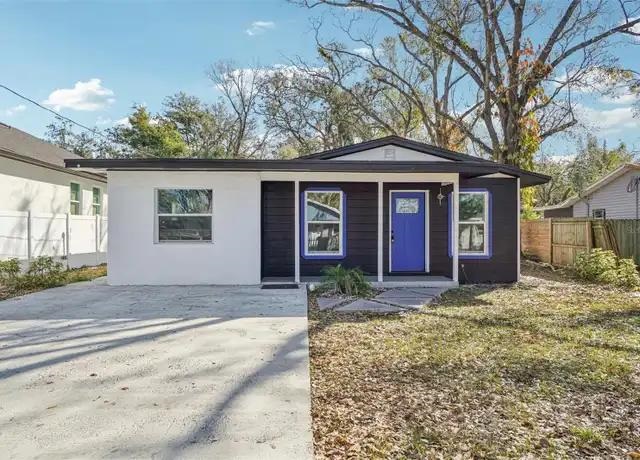
Timing can be critical in real estate.
An investor purchasing a property at a favorable price may need to close quickly. A developer may need capital to move a project forward while arranging permanent financing. A property owner may also need short-term financing while waiting for a sale or refinancing event.
Traditional financing can be appropriate for many borrowers, but it is not necessarily designed around every investment scenario.
Private lending can offer a different approach.
Faster Transaction Timelines

Some Tampa-area hard money lenders advertise significantly faster underwriting or funding timelines than conventional financing. For example, one Tampa lender listed by Lendersa advertises same-day pre-approvals and funding within 48 hours after clear title, subject to its own requirements.
Speed, however, should never be evaluated separately from the cost and terms of the loan.
Asset-Based Underwriting
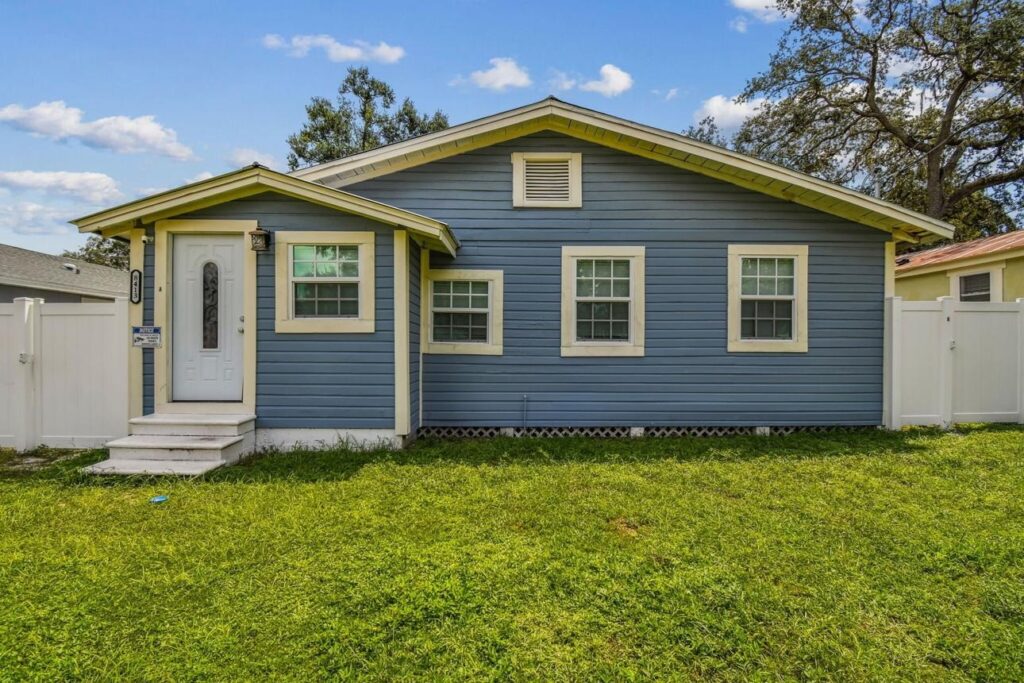
A property’s equity can be particularly important when a transaction does not fit conventional lending criteria.
For example, a real estate investor may have substantial experience and a valuable property but may not meet a bank’s preferred documentation requirements. An asset-based lender may evaluate the transaction differently.
Flexible Deal Structures
Private lenders may have greater flexibility to structure financing around individual investment transactions.
Potential structures can include bridge loans, fix-and-flip financing, commercial loans, construction financing, or other short-term arrangements.
The availability of a particular structure depends on the lender, property, borrower, location, and transaction.
Types of Properties Tampa Hard Money Lenders May Finance
Not every lender handles every property type. Investors should confirm eligibility before spending time preparing a full loan package.
Residential Investment Properties
Some private lenders finance single-family homes, multifamily properties, and other residential investment properties.
These loans can be used for acquisitions, renovations, bridge transactions, or other investment purposes, depending on the lender’s program.
Fix-and-Flip Projects
Fix-and-flip investors often need capital for both acquisition and improvements.
The lender may evaluate the purchase price, current property value, renovation plan, projected value after improvements, and the investor’s exit strategy.
Because profitability depends on several estimates, investors should use conservative assumptions rather than relying solely on optimistic resale projections.
Commercial Real Estate
Commercial hard money loans can be used for properties such as multifamily buildings, retail properties, industrial assets, office buildings, and other commercial real estate.
The underwriting process can differ substantially from residential investment lending because the lender may consider property income, leases, operating expenses, marketability, and other factors.
Vacant Land and Development
Some private lenders also consider vacant land or development opportunities. Lendersa’s Florida lending resources specifically include vacant land alongside residential and commercial property categories.
Land transactions can carry different risks from stabilized properties, so investors should expect lender requirements to vary.
How Hard Money Lenders in Tampa Evaluate a Deal
Understanding the lender’s perspective can help you prepare a stronger financing request.
Property Value
The underlying real estate is one of the most important considerations in asset-based lending.
A lender wants to understand what the property is worth today and, when applicable, what it could reasonably be worth after improvements.
An appraisal, broker opinion, comparable sales, inspection, or other valuation method may be used depending on the transaction.
Loan-to-Value Ratio
Loan-to-value, or LTV, compares the loan amount with the property’s value.
For example, if a property is worth $500,000 and the requested loan is $300,000, the LTV is 60%.
Lower LTV can provide the lender with a larger equity cushion. The maximum LTV varies by lender and transaction.
One Tampa lender listed on Lendersa, for example, advertises maximum LTV ranges of 50% to 70%, depending on the transaction.
Borrower Experience
Some lenders prefer experienced investors, while others may consider newer borrowers when the property and transaction provide sufficient support.
If you have successfully completed previous renovations, acquisitions, developments, or investment-property transactions, document that experience clearly.
Exit Strategy
A lender will want to know how the loan will be repaid.
Common exit strategies include selling the property, refinancing into longer-term financing, or using another source of capital.
A clear exit plan can help demonstrate that the loan is connected to a realistic investment strategy rather than simply providing temporary cash without a defined repayment path.
What Does a Hard Money Loan Cost?
Hard money financing generally costs more than many conventional mortgage products because it is designed for different circumstances and may involve shorter terms, faster execution, or greater flexibility.
The total cost can include several components:
- Interest
- Origination or lender fees
- Closing costs
- Appraisal or valuation costs
- Title-related expenses
- Legal or documentation costs
- Extension fees, if applicable
- Other transaction-specific charges
Do not compare loans based only on the advertised interest rate.
A loan with a slightly lower rate could become more expensive if it includes substantial fees, restrictive terms, or costly extension provisions.
Instead, calculate the estimated total cost of borrowing and compare it with the expected return and risk of the project.
How to Find the Right Tampa Private Lender
There is no single best lender for every real estate transaction.
Instead, focus on finding a lender whose criteria match your property and investment strategy.
Explore hard money lenders in Tampa
Lendersa provides a Tampa-focused directory and matching tools designed to help borrowers identify private investors, hard money lenders, and other financing sources. Its platform says borrowers can compare financing possibilities across residential, commercial, and vacant-land scenarios.
Compare More Than One Offer
If possible, obtain multiple proposals.
Compare:
| Loan Factor | What to Examine |
|---|---|
| Interest rate | Fixed or variable and how interest is calculated |
| LTV/LTC | Maximum leverage offered |
| Loan term | Time available to repay |
| Fees | Origination and other lender charges |
| Funding speed | Actual expected closing timeline |
| Draws | How renovation or construction funds are released |
| Prepayment | Any penalties or restrictions |
| Extensions | Cost and conditions if the project runs late |
| Exit requirements | What the lender expects at maturity |
The cheapest-looking loan is not automatically the best loan. The most suitable structure is the one that fits the project’s timeline, risk, capital requirements, and exit strategy.
What Documents Should You Prepare?
Preparation can make the financing process more efficient.
Depending on the lender and transaction, you may need information such as:
- Property address
- Purchase contract
- Requested loan amount
- Estimated property value
- Comparable property information
- Renovation budget
- Contractor estimates
- Project timeline
- Borrower experience
- Available cash or reserves
- Existing liens or mortgages
- Proposed exit strategy
For a commercial transaction, the lender may request additional property and financial information.
Organizing these materials before contacting lenders can make it easier to explain your deal accurately.
Questions to Ask Before Signing
Before accepting hard money financing, ask the lender for clear written answers.
What Is the Total Cost?
Request a complete breakdown of interest, points, closing costs, and other charges.
How Quickly Can You Close?
Ask for a realistic timeline rather than relying on a general statement such as “fast funding.”
How Are Renovation Funds Released?
For construction and fix-and-flip projects, understand whether money is funded upfront or released through draws.
What Happens If the Project Takes Longer?
Ask about extension fees, maturity dates, default provisions, and any other consequences of delays.
Is There a Prepayment Penalty?
If you sell or refinance earlier than expected, determine whether paying off the loan early creates an additional cost.
Common Mistakes to Avoid
Focusing Only on the Interest Rate
The rate is important, but it is only one part of the financing package.
Borrowing Too Much
Maximum leverage is not necessarily the best leverage. Maintaining an adequate cash cushion can protect an investor against unexpected renovation costs, delays, vacancies, or market changes.
Underestimating Renovation Costs
A project that looks profitable on paper can quickly become less attractive when construction expenses increase.
Use realistic estimates and maintain contingency reserves when appropriate.
Having No Clear Exit Strategy
A short-term loan requires a credible repayment plan. Before closing, understand what happens if the property does not sell or refinance within the expected timeframe.
Skipping Due Diligence
Private lending does not mean borrowers should skip legal or financial review. Have the loan documents reviewed by an appropriately qualified professional when necessary.
Florida Considerations for Borrowers
Real estate lending is subject to federal and state laws, and the rules can depend on the type of transaction, property, borrower, and lender.
Florida has specific regulatory provisions addressing mortgage lenders, brokers, and loan originators. State materials also distinguish certain activities involving private investors and business-purpose lending.
Investors should not assume that a loan is exempt from a particular regulation simply because it is called a “hard money” or “private money” loan.
For consumer-purpose or owner-occupied transactions in particular, professional legal and lending guidance can be important.
Frequently Asked Questions
1. What are hard money lenders in Tampa?
They are private or specialized real estate lenders that generally provide loans secured by real property. Their underwriting may emphasize property value and equity rather than relying solely on conventional borrower qualification standards.
2. Are hard money loans available for Tampa investment properties?
Yes, some lenders finance investment properties in Tampa and throughout Florida. Availability depends on the property type, transaction, lender criteria, loan amount, and other factors.
3. Can I get a hard money loan with poor credit?
Some asset-based lenders may be more flexible about credit than conventional lenders. However, poor credit does not guarantee approval. Property value, equity, transaction quality, liquidity, and exit strategy can still affect the decision.
4. How quickly can a Tampa hard money loan close?
The timeline varies. Some Tampa lenders advertise very fast approvals and funding, but the actual timeline depends on documentation, valuation, title, underwriting, closing requirements, and the complexity of the transaction.
5. Are hard money loans more expensive than bank loans?
They can be. Investors should compare the complete borrowing cost, including interest and fees, rather than comparing interest rates alone.
6. Can hard money be used for a fix-and-flip?
Yes. Fix-and-flip financing is a common application for private real estate lending, although each lender establishes its own requirements for property condition, leverage, borrower experience, renovation budget, and exit strategy.
7. What is LTV in hard money lending?
LTV means loan-to-value. It represents the loan amount relative to the property’s value. A lower LTV generally means the borrower has more equity in the property.
8. How should I compare Tampa hard money lenders?
Compare the complete loan structure: interest rate, fees, LTV, term, closing speed, draw schedule, extension provisions, prepayment terms, and lender experience with your particular type of transaction.
Conclusion
Finding the right hard money lenders in tampa starts with understanding your own transaction. Before approaching a lender, determine the property’s value, required loan amount, expected renovation or development costs, timeline, and realistic exit strategy.
Private lending can provide valuable flexibility for investors who need asset-based financing or a faster transaction, but speed should never replace careful financial analysis. Compare multiple offers when possible, review the complete cost of each loan, and understand every major term before signing.
For Tampa real estate investors, the goal should not simply be finding a lender willing to provide capital. The better objective is finding financing that fits the property’s value, project timeline, risk level, and overall investment strategy.

Written by Twastia Editorial Team
Twastia Editorial Team shares practical insights about website design, SEO services, Google Ads, content marketing, social media, conversion rate optimization, and digital marketing strategy.
Last updated: Oct 16, 2026
Related posts from Twastia
Explore more useful articles from twastia.com about digital marketing, SEO, websites, ads, content, and growth strategy.