roof replacement cost: The Best Guide to Homeowner Pricing
Maintaining a sturdy, weather-resistant roof is one of the most critical responsibilities of homeownership in the United States. Your roof […]
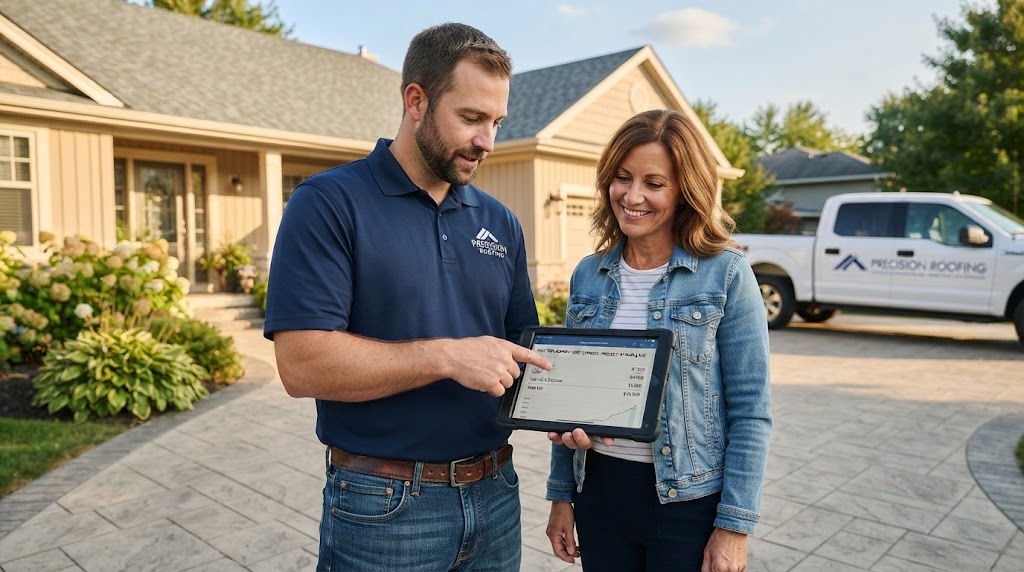
Maintaining a sturdy, weather-resistant roof is one of the most critical responsibilities of homeownership in the United States. Your roof serves as the primary shield protecting your family, interior living spaces, and personal belongings from rain, heavy snow, hail, high winds, and blistering solar heat. However, like every structural component of a house, roofing materials gradually deteriorate over time. When curled shingles, persistent ceiling leaks, sagging rooflines, or widespread storm damage signal that simple repairs are no longer sufficient, estimating your overall roof replacement cost becomes a top financial priority.
Replacing a residential roof is a major capital investment that directly impacts your home’s structural integrity, energy efficiency, curb appeal, and resale value. Because pricing varies widely based on geographic location, house size, material selection, roof geometry, and labor rates, many homeowners feel overwhelmed when evaluating contractor estimates. Understanding your roof replacement cost before signing a contract empowers you to set a realistic budget, choose the right materials for your climate, negotiate effectively with roofing companies, and avoid costly mid-project surprises.
In this ultimate comprehensive guide, we will break down average price ranges across the USA, analyze the key variables that influence final contractor quotes, compare popular roofing materials, highlight hidden costs to watch out for, and share practical strategies to finance your project efficiently.
Average Roof Replacement Cost Breakdown in the United States
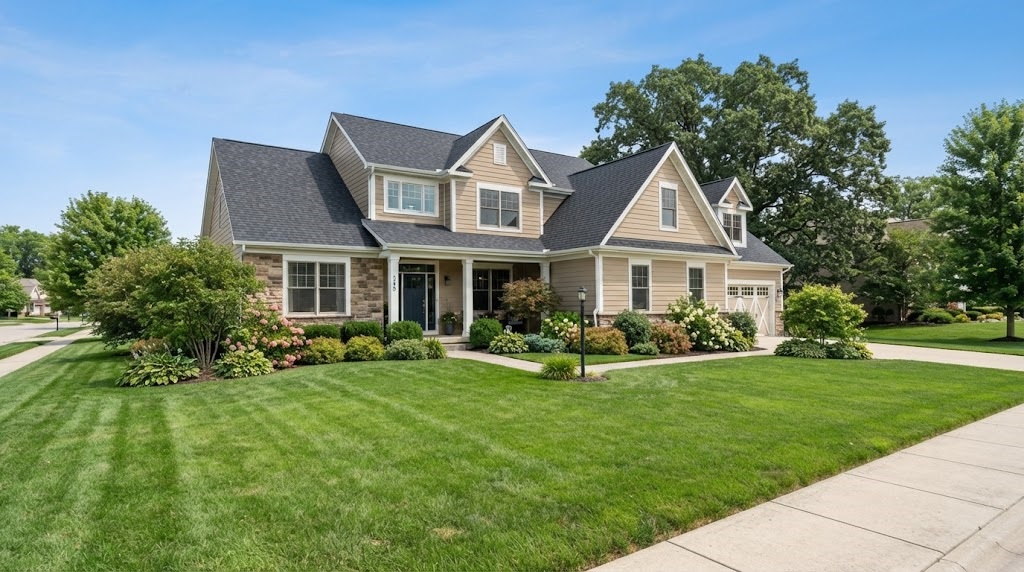
To plan an accurate budget, homeowners must first understand national benchmarks and standard industry pricing metrics. Across the USA, the national average roof replacement cost typically ranges from $8,500 to $16,500 for a standard single-family home. However, total project expenses can sit as low as $5,500 for a modest townhouse or reach $30,000+ for large, high-end residential estates utilizing luxury materials like slate, clay tile, or standing seam metal.
Roofing contractors calculate estimates using a specialized unit of measurement called a “roofing square.” One roofing square represents 100 square feet of roof surface area. A standard 2,000-square-foot home usually features a roof surface area between 2,200 and 2,500 square feet due to roof pitch, overhangs, and gables, translating to roughly 22 to 25 roofing squares. Calculating the national average roof replacement cost requires analyzing both material supply pricing and labor demands per square.
Average price estimates based on overall home size include:
- 1,000 to 1,500 Sq. Ft. Home (12–16 Squares): $6,000 to $10,500 for standard asphalt shingles.
- 1,500 to 2,500 Sq. Ft. Home (18–26 Squares): $8,500 to $16,500 for standard asphalt shingles.
- 2,500 to 3,500 Sq. Ft. Home (28–38 Squares): $14,000 to $24,000+ for standard asphalt shingles.
When a homeowner evaluating roof replacement cost reviews a professional quote, the overall price is generally divided into two main categories: material costs (accounting for roughly 40% to 45% of the total bill) and skilled labor, equipment, disposal, and contractor overhead (accounting for the remaining 55% to 60%). The overall roof replacement cost for a 2,000-square-foot home varies by region, local wage rates, and seasonal contractor demand.
Key Factors Influencing Your Total Roof Replacement Cost
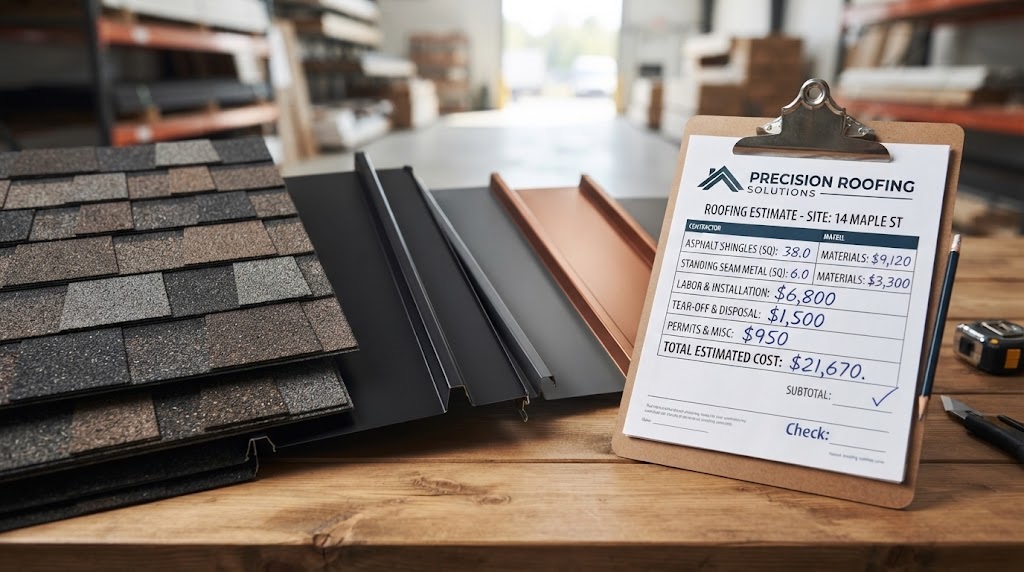
No two roofs are identical, which is why roofing estimates differ significantly even between adjacent homes in the same neighborhood. Several key variables dictate your final roof replacement cost when contractors inspect your property.
Roof Size and Total Square Footage
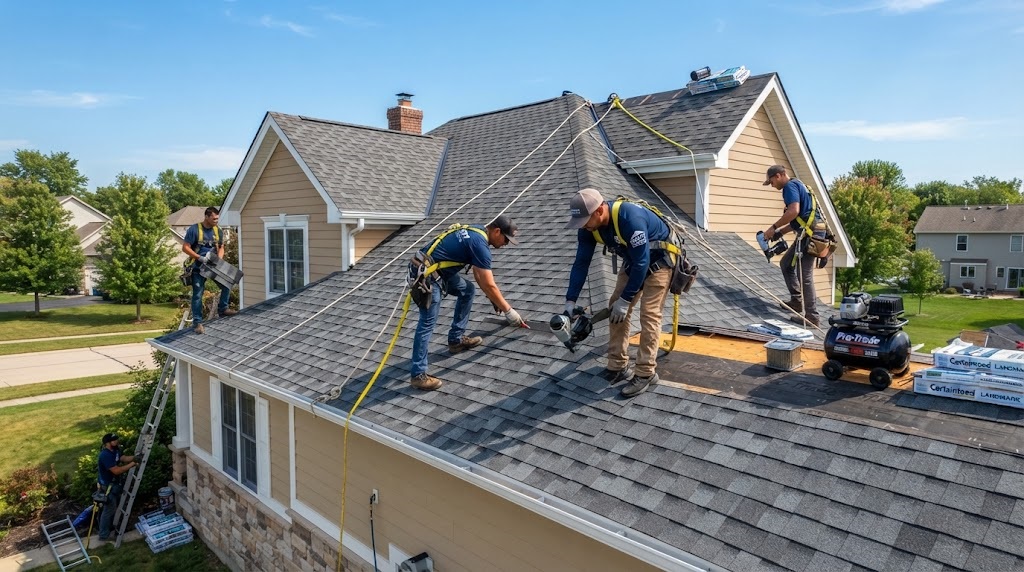
The overall surface area of your roof is the primary baseline factor driving material quantities and labor hours. It is important to note that a home’s interior square footage does not equal its roof surface area. A two-story home with a 1,200-square-foot ground footprint has a smaller roof surface than a sprawling single-story ranch home with the exact same 2,400 total interior square footage. Larger surface areas require more shingles, underlayment, ice and water shields, drip edges, and ridge caps, directly increasing baseline pricing.
Material Selection and Product Grade
Material selection is the single largest component of any roof replacement cost estimate that a homeowner can directly control. Entry-level three-tab asphalt shingles are the most budget-friendly option, whereas architectural shingles offer greater durability and aesthetic appeal at a moderate price increase. Premium materials—such as metal panels, concrete or clay tiles, cedar wood shakes, and natural slate—carry significantly higher upfront material price tags, though they offer extended lifespans.
Roof Pitch, Slope, and Architectural Complexity
Roof pitch refers to the steepness or incline of your roof surface. A standard pitch roof (such as a 4:12 to 8:12 incline) allows installation crews to walk and work comfortably using basic safety equipment. However, steeply pitched roofs (9:12 incline or greater) require specialized staging, safety harnesses, scaffolding, and extra labor time because crews must move cautiously. Steeply pitched roofs raise the overall roof replacement cost due to safety protocols and slower installation rates. Furthermore, complex roof designs featuring multiple gables, valleys, dormers, skylights, and chimneys require intricate flashing installation and custom material cutting, adding both labor and material waste.
Labor Rates, Removal Fees, and Local Permits
Factoring in local labor rates ensures an accurate roof replacement cost budget. Regional labor costs vary widely across the United States; contractors in major metropolitan areas or states with high cost-of-living metrics charge higher hourly rates than crews in rural regions. Additionally, replacing a roof involves tearing off old layers of worn shingles. Old roof tear-off fees typically run between $1 to $2 per square foot. If your roof has multiple existing layers of old shingles that must be removed down to the wooden decking, labor and dumpster disposal fees increase accordingly. Finally, municipal building permit fees and mandatory local inspections add $150 to $500 to the final invoice.
Comparing Popular Roofing Materials and Prices
Selecting the right roofing material involves balancing your upfront budget against long-term performance, climate demands, and architectural style.
Asphalt Shingles: 3-Tab vs. Architectural
Asphalt shingles cover approximately 80% of residential homes across the United States due to their affordability, ease of installation, and reliable weather protection.
- 3-Tab Asphalt Shingles: The most economical choice, costing $90 to $150 per square for materials, with a total installed cost of $3.50 to $5.50 per square foot. They offer a flat appearance and carry an expected lifespan of 15 to 20 years.
- Architectural (Dimensional) Shingles: Architectural shingles remain the most popular choice to control roof replacement cost while upgrading durability. They feature multi-layered construction, creating a rich dimensional shadow line that mimics wood shake. Costing $150 to $250 per square for materials ($4.50 to $8.00 per square foot installed), architectural shingles offer superior wind resistance (up to 130 mph) and last 25 to 30+ years.
Metal Roofing: Standing Seam vs. Corrugated Panels
Metal roofs have surged in popularity due to their exceptional longevity, energy efficiency, and modern aesthetic.
- Corrugated Metal Panels: Exposed-fastener metal roofing costs between $6.00 and $10.00 per square foot installed.
- Standing Seam Metal: Featuring concealed fasteners that protect against leaks, standing seam systems offer a sleek appearance and a 50+ year lifespan. Choosing standing seam metal will increase your upfront roof replacement cost, averaging $10.00 to $18.00+ per square foot installed, but its extended durability offsets long-term replacement cycles.
Luxury Materials: Tile, Slate, and Wood Shake
For luxury homes or historic architectural styles, specialty materials deliver unmatched visual elegance and extreme durability.
- Clay and Concrete Tile: Popular in Southwestern and Southern coastal regions, tile roofs cost $12.00 to $25.00 per square foot installed. They are fireproof and can last 50 to 100 years, but require heavy-duty structural roof framing support.
- Natural Slate: The pinnacle of luxury roofing, natural slate costs $18.00 to $30.00+ per square foot installed. Slate roofs can last over a century, though specialized artisan labor is required for installation.
Hidden Costs to Anticipate During a Roof Replacement
When reviewing contractor bids, homeowners must account for hidden or variable costs that may arise once the old roofing material is torn off. Unforeseen structural repairs can add unexpected expenses to your roof replacement cost.
Plywood Decking Repair and Replacement
The roof deck consists of thick plywood or OSB sheets fastened to your roof rafters, serving as the solid foundation for underlayment and shingles. Contractors cannot fully inspect the condition of the plywood decking until old shingles are completely removed. If water leaks have compromised the wood, replacing rotted plywood decking will increase the overall roof replacement cost. Expect to pay $70 to $120 per 4×8 sheet of new OSB or plywood decking replaced during tear-off.
Flashing, Drip Edges, and Underlayment Upgrades
Metal flashing prevents water from penetrating vulnerable roof intersections, such as chimneys, skylights, dormers, and wall joints. If existing aluminum or copper flashing is rusted or damaged, installing new custom-bent flashing is required. Additionally, upgrading from standard 15 lb asphalt felt paper to modern synthetic underlayment and installing self-adhering ice and water shield membranes along eaves and valleys protects against ice dam backup in cold winter climates.
Gutter Replacement and Chimney Repairs
Tearing off old heavy roofing materials can occasionally damage old, brittle gutters. Many homeowners choose to bundle seamless aluminum gutter installation ($6 to $14 per linear foot) with their roof project. Furthermore, masonry chimney repointing or replacing damaged chimney caps should be completed concurrently while safety scaffolding is already in place.
How to Save Money and Finance Your Roof Replacement
A new roof is a major financial undertaking, but several strategic approaches can help manage out-of-pocket expenses and make the project manageable.
Navigating Insurance Claims for Storm Damage
If your need for a new roof stems from sudden, unpreventable severe weather—such as a hail storm, fallen tree limbs, or high-wind hurricane damage—your homeowners insurance policy may cover the majority of the cost. Insurance coverage can offset your roof replacement cost if damage stems from severe weather events. Schedule a professional roof inspection immediately after major storm events to document hail strikes or missing shingles, and file a formal claim with your insurance carrier. You will generally only be responsible for paying your policy deductible.
Gathering Multiple Estimates and Timing Your Project
Comparing multiple contractor bids is the best way to lower your roof replacement cost. Obtain written, itemized quotes from at least three licensed, insured, and locally established roofing contractors. Ensure each estimate details specific material brands, tear-off fees, warranty coverage terms, and project completion timelines. Avoid selecting bids solely on the lowest price; extremely low quotes often indicate uninsured labor or cheap sub-standard materials. Furthermore, scheduling your project during late fall or early winter (the off-peak season in northern climates) may yield promotional contractor discounts.
Financing Options for Homeowners
If paying cash out-of-pocket is not feasible, several flexible financing avenues exist:
- Contractor Financing: Many large roofing companies partner with national lenders to offer flexible monthly payment plans, low-interest promotion periods, or deferred-interest options.
- Home Equity Line of Credit (HELOC) or Home Equity Loan: Leveraging built-up home equity typically provides lower interest rates than credit cards or personal loans, with potential tax benefits if funds are used for home improvements.
- FHA Title I Property Improvement Loans: Backed by the federal government, these loans assist homeowners in financing essential structural home repairs without requiring high home equity ratios.
Frequently Asked Questions
What is the average roof replacement cost in 2026?
Across the United States, the average roof replacement cost ranges from $8,500 to $16,500 for a standard 2,000-square-foot home using architectural asphalt shingles. Total costs vary based on home size, roof slope, material selection, and local labor rates.
How long does a standard roof replacement take to complete?
For an average-sized single-family residential home, a professional roofing crew can complete the full tear-off and installation process in 1 to 2 days, assuming clear weather conditions. Larger homes or complex materials like tile and slate may require 3 to 5 business days.
Does homeowners insurance cover the full roof replacement cost?
Homeowners insurance covers roof replacement if the damage was caused by sudden, covered perils such as hail, windstorms, falling trees, or fire. Insurance typically does not cover roof replacement required due to general age, neglect, or lack of maintenance.
Is it cheaper to install new shingles over old shingles?
Laying a second layer of shingles over existing shingles (known as a reroof or overlay) saves $1,000 to $2,000 in tear-off and disposal fees. However, most professional contractors advise against this practice because it traps heat, prevents deck inspections, adds heavy weight, and can void manufacturer material warranties.
How do I know if my roof needs a complete replacement or just a repair?
If your roof is under 15 years old and experiencing localized damage or isolated leaks, a targeted repair is usually sufficient. However, if your roof is over 20 years old, exhibits widespread shingle curling or granule loss, or shows signs of structural deck sagging, a full replacement is necessary.
What is the longest-lasting roofing material?
Natural slate is the longest-lasting roofing material, capable of lasting 75 to 100+ years. Clay tile and standing seam metal roofs are also exceptionally durable, routinely lasting 50 years or longer with minimal maintenance.
How much value does a new roof add to a home?
A new roof delivers an impressive return on investment (ROI), typically recovering 60% to 70%+ of its total cost in increased home equity and resale value, while significantly enhancing curb appeal and buyer confidence during home inspections.
Conclusion
Replacing your home’s roof is one of the most critical structural investments you will make as a property owner. While facing a major home repair can feel daunting, taking time to understand your roof replacement cost allows you to navigate the process with complete financial confidence. By carefully evaluating key cost factors—including square footage, roof pitch, labor demands, and material durability—you can select a roofing
solution that matches your home’s architectural style and long-term budget. Always request itemized estimates from licensed, local contractors, verify warranty terms, and explore flexible financing or insurance options to optimize out-of-pocket costs. Budgeting effectively for your roof replacement cost protects your home value and equity, ensuring your property remains dry, energy-efficient, and secure for decades to come.

Written by Twastia Editorial Team
Twastia Editorial Team shares practical insights about website design, SEO services, Google Ads, content marketing, social media, conversion rate optimization, and digital marketing strategy.
Last updated: Oct 21, 2026
Related posts from Twastia
Explore more useful articles from twastia.com about digital marketing, SEO, websites, ads, content, and growth strategy.