ebike lifestyle: The Best Guide to Modern Commuting and Freedom
Across towns, suburban neighborhoods, and bustling metropolitan cities throughout the United States, a quiet transportation revolution is underway. Millions of […]
Across towns, suburban neighborhoods, and bustling metropolitan cities throughout the United States, a quiet transportation revolution is underway. Millions of Americans are stepping away from gridlocked highways, rising fuel costs, and stressful parking hunts to embrace a cleaner, faster, and far more enjoyable way to travel. Embracing an ebike lifestyle offers an incredible mix of mobility, outdoor freedom, and daily convenience. Electric bicycles—equipped with pedal-assist motors and rechargeable lithium-ion batteries—have evolved from niche gadgets into essential daily tools for commuting, running errands, staying fit, and exploring local parks.
Moving away from traditional commuting towards an active ebike lifestyle has transformed how Americans travel. Electric bikes eliminate the physical intimidation of steep hills and long distances, allowing riders of all age groups and fitness levels to enjoy cycling without exhaustion. Whether you want to streamline your morning ride to work, drop your kids off at school on a cargo bike, or enjoy weekend trail rides, electric biking provides a practical and invigorating solution. In this ultimate guide, we will explore what living with an electric bike looks like, analyze physical and mental health benefits, evaluate financial savings, review essential gear, and answer the most frequently asked questions about adopting electric cycling in the USA.
Understanding the Modern ebike lifestyle Phenomenon
To appreciate why electric cycling is growing so rapidly across North America, it helps to understand what sets this movement apart from traditional cycling and automobile commuting.
Blending Pedal Power with Motor Assistance
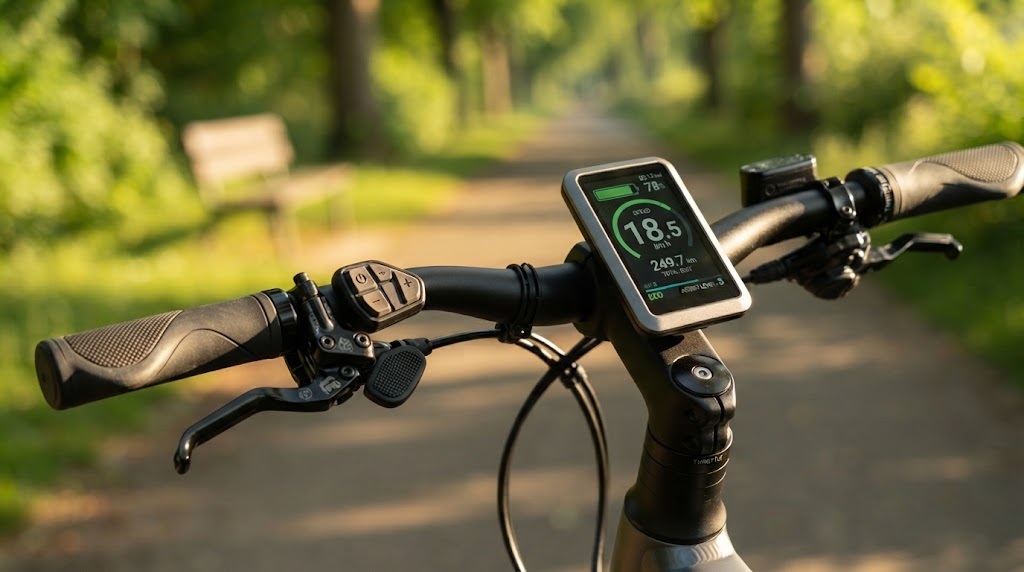
At its core, an electric bicycle operates like a standard bicycle, but with an integrated electric motor that delivers pedal assist (and sometimes a thumb throttle). As you pedal, torque and cadence sensors measure your foot effort and deliver motor assistance proportionally. This means you still exercise, but hills flatten out, head winds become manageable, and long trips feel effortless.
Adopting an ebike lifestyle allows commuters to breeze past traffic jams without breaking a sweat. You arrive at the office energized, dressed in regular work attire, and ready for your day without needing an immediate shower or wardrobe change.
Replacing Car Trips and Urban Congestion
According to studies conducted by the Bureau of Transportation Statistics, over 50% of all automobile trips taken in the United States are under three miles. These short trips—such as picking up groceries, grabbing coffee, or heading to a local gym—are ideal for electric bikes.
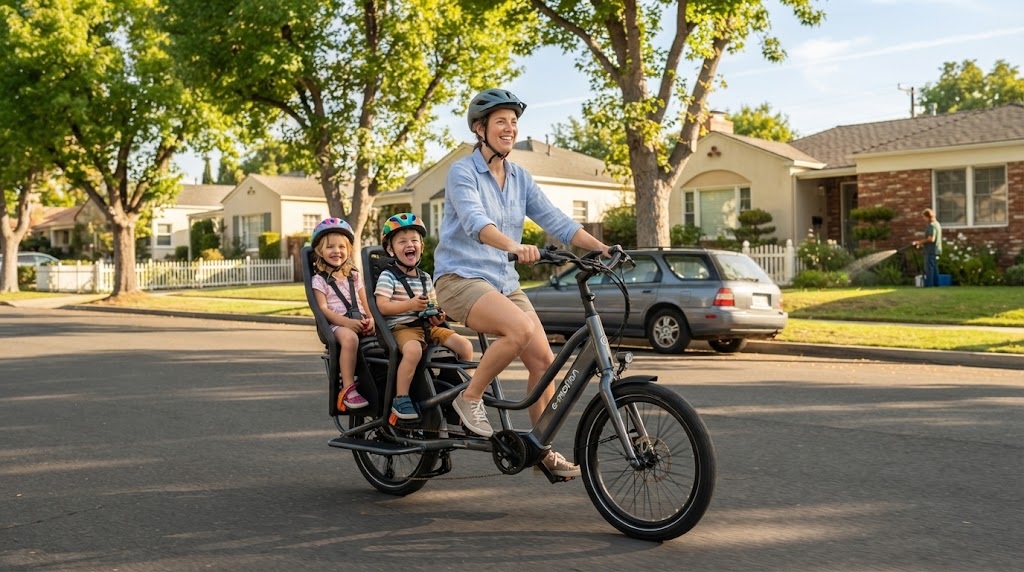
Families are also discovering how an ebike lifestyle replaces second cars for school runs and grocery trips. Long-tail cargo ebikes fitted with passenger seats, safety bars, and pannier bags can easily haul two young children alongside bags of groceries. By substituting short, gas-guzzling car rides with electric bike trips, households dramatically reduce vehicle wear, lower fuel consumption, and eliminate parking costs.
Community, Connection, and Accessible Mobility
Cycling has always fostered a sense of community, but electric motor assistance broadens access to riders who might otherwise be sidelined by joint pain, recovery, or physical limitations. Older adults, individuals recovering from injuries, and cyclists with varying fitness levels can ride together at matching speeds. Ultimately, the ebike lifestyle builds a stronger connection between cyclists and their local communities, encouraging people to slow down, notice local storefronts, wave to neighbors, and appreciate local outdoor spaces.
Health and Fitness Benefits of an ebike lifestyle
A common misconception among traditional cyclists is that electric bikes require no physical effort. In reality, multiple scientific studies confirm that electric bike riders get significant physical exercise while enjoying their rides far more often.
Active Cardiovascular Exercise for Everyone
Engaging in an ebike lifestyle provides low-impact cardiovascular exercise tailored to all fitness levels. Because pedal-assist systems allow you to choose your assistance level (Eco, Tour, Sport, or Turbo), you control how hard your heart and legs work.
On days when you feel energetic, you can lower the motor support to burn extra calories. On days when you feel tired or encounter steep inclines, you can boost motor assistance to keep moving comfortably. This flexibility eliminates the mental hurdle of “it is too hard to ride today,” ensuring consistent physical movement throughout the week.
Consistency Beats Intensity
While traditional road bikes deliver high-intensity workouts, people often ride them less frequently due to exhaustion or intimidation. Many riders find that an ebike lifestyle encourages them to ride more frequently and for longer distances.
Because electric bikes make riding fun and approachable, users log significantly more total weekly riding hours than traditional cyclists. Over time, this consistent aerobic activity builds leg strength, improves cardiovascular endurance, lowers blood pressure, aids in weight management, and strengthens joint mobility without causing excessive joint strain.
Mental Health, Stress Relief, and Daily Joy
Boosting mental health is another major reason why an ebike lifestyle is gaining widespread popularity. Spending time outdoors in natural sunlight releases endorphins, reduces cortisol stress levels, and elevates mood.
Replacing a stressful morning commute sitting in bumper-to-bumper traffic with a fresh-air bike ride along a paved path or quiet neighborhood street transforms your daily mood. Instead of arriving at work tense from traffic jams, you arrive clear-headed, focused, and refreshed.
Financial Independence and Environmental Sustainability
Beyond health and convenience, transitioning from a gas-powered vehicle to an electric bicycle delivers major financial and environmental benefits.
Slashing Monthly Transportation Costs
Living an ebike lifestyle dramatically slashes household transportation costs by cutting fuel and parking expenses. Consider the baseline expenses required to operate a standard sedan or SUV in the USA:
- Gasoline and oil changes.
- Auto insurance premiums.
- Routine mechanical maintenance and tire replacements.
- Monthly parking fees and toll charges.
- Vehicle depreciation and registration fees.
By contrast, charging a standard 500Wh ebike battery costs roughly 10 to 15 cents per full charge, yielding 25 to 50 miles of riding range per charge depending on terrain. Annual maintenance costs for tires, brake pads, and chain lubrication typically total under $200. Over a single year, replacing a secondary car with an electric bike can save an American household between $3,000 and $6,000 in transportation costs.
Reducing Carbon Footprint and Air Pollution
Transitioning to an ebike lifestyle lowers carbon emissions and helps reduce urban air pollution. Automobiles emit carbon dioxide, nitrogen oxides, and particulate matter into urban air corridors. Electric bikes produce zero tailpipe emissions. Even when factoring in power plant electricity used to charge lithium batteries, an electric bike produces less than 5% of the carbon emissions per mile generated by a standard gasoline-powered automobile.
Urban Space Efficiency and Infrastructure Growth
As American cities invest in protected bike lanes, multi-use greenway trails, and dedicated bicycle parking, riding an electric bike becomes increasingly safer and faster. Choosing an ebike lifestyle simplifies daily errands while promoting eco-friendly urban living. Bikes take up a fraction of the space required by cars, helping reduce roadway congestion and surface parking lots in urban neighborhoods.
Essential Gear, Safety, and Choosing the Right Ebike
Starting your electric bike journey requires selecting the right type of bike and equipping yourself with high-quality safety accessories.
Selecting the Right Ebike Category
Electric bikes are categorized into specific classes based on motor speeds and throttle operation:
- Class 1: Pedal-assist only, with motor assistance capping at 20 mph. Allowed on almost all bike paths and multi-use trails.
- Class 2: Pedal-assist plus a throttle option, capped at 20 mph. Great for quick starts at intersection traffic lights.
- Class 3: Pedal-assist only (no throttle), with motor support up to 28 mph. Ideal for long-distance suburban road commuting.
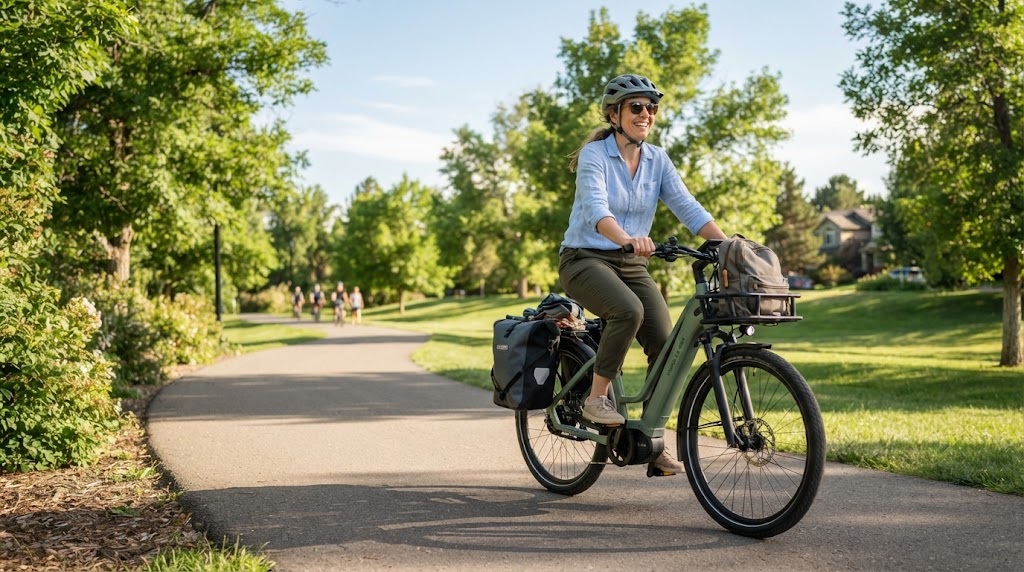
Match your choice to your primary use case. City commuters often prefer step-through commuter frames with fenders and integrated lights. Adventurers lean toward fat-tire or electric mountain bikes (eMTBs) for sand, snow, and dirt trails. Families usually opt for mid-drive or hub-drive cargo models designed to carry heavy payloads.
Essential Safety Gear and Accessories
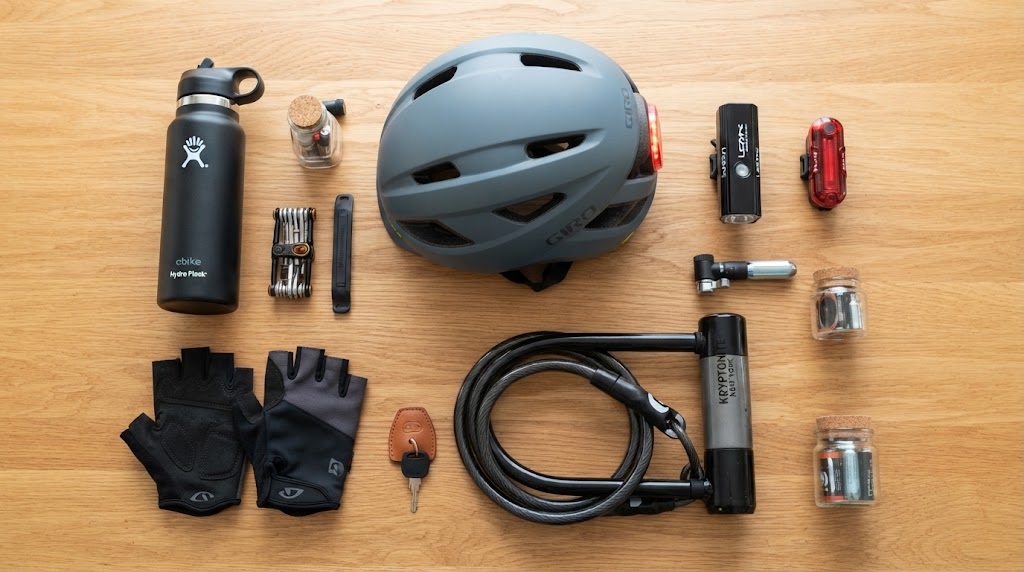
Investing in quality accessories helps maximize the comfort and utility of your ebike lifestyle. Every daily rider should invest in the following essentials:
- Certified Helmet: Choose an NTA-8776 or CPSC-certified helmet designed specifically for higher ebike speeds.
- High-Lumen Lights: Bright, rechargeable headlight and taillight systems ensure high visibility to motor vehicles during early morning or dusk rides.
- Sturdy Locks: Heavy-duty hardened steel U-locks or folding locks paired with alarm systems protect your investment against theft.
- Weatherproof Panniers: Waterproof rear rack bags carry laptops, work attire, and groceries effortlessly without straining your back.
- Rearview Mirrors and Horns: Handlebar-mounted mirrors provide awareness of approaching cars, while crisp bells clear pedestrian paths politely.
Step-by-Step Transition: How to Make the Switch
Transitioning to an electric bike lifestyle works best when taken in gradual, comfortable steps rather than an all-or-nothing approach.
Step 1: Map Safe Bike Routes
Before riding into heavy traffic, explore local mapping apps (such as Google Maps or Strava) to identify low-stress bike paths, greenways, and quiet residential side streets. Many suburban routes offer peaceful back-road alternatives that avoid busy main arteries entirely.
Step 2: Start with Partial Commuting or Errands
Begin by replacing one or two short errands per week—such as riding to a nearby grocery store, post office, or local park. Once you build confidence and comfort on your bike, try commuting to work on days with favorable weather.
Step 3: Establish a Regular Charging Routine
Get into the habit of plugging in your battery as soon as you finish your daily ride, just as you do with your smartphone. Storing and charging your battery indoors at room temperature preserves long-term battery cell health and guarantees full range for your next ride.
Frequently Asked Questions
Is riding an ebike actually good exercise?
Yes. Heart-rate monitoring studies show that ebike riders reach 75% to 85% of the cardiovascular exertion experienced on a traditional bicycle. Because riding an ebike is enjoyable, people ride longer and more often, burning substantial calories while strengthening muscles.
How far can an ebike go on a single battery charge?
Most standard electric bikes deliver a range between 25 and 60 miles per full charge. Actual range depends on battery capacity (measured in Watt-hours), rider weight, terrain steepness, wind conditions, and how much pedal-assist power you select.
How does an ebike lifestyle compare to owning a second car?
An ebike lifestyle offers huge financial savings over owning a second car, eliminating fuel, high insurance premiums, auto loan payments, and parking fees. For trips under 5 miles, an ebike is often faster in heavy urban traffic while offering active outdoor health benefits.
Can I ride an ebike in the rain?
Yes. Quality electric bikes feature water-resistant motor casings, sealed electrical connectors, and weather-sealed battery compartments designed to handle light to moderate rain. Installing front and rear fenders keeps water and road road grime from splashing onto your clothing.
Do I need a driver’s license or insurance to ride an ebike in the USA?
In most US states, Class 1, Class 2, and Class 3 electric bikes are legally classified as bicycles, not motor vehicles. This means you do not need a driver’s license, vehicle registration, or auto insurance to ride them on public roads and designated bike lanes.
How long do ebike batteries last before needing replacement?
Modern lithium-ion ebike batteries typically last between 3 and 5 years, or roughly 500 to 1,000 full charge cycles, before their capacity drops noticeably. Replacing a battery module is simple and costs between $300 and $700 depending on brand and capacity.
Can I carry heavy groceries or children on an ebike?
Yes. Dedicated utility and cargo ebikes are engineered with reinforced aluminum frames, powerful hydraulic disc brakes, and high-torque mid-drive motors designed to carry up to 400 pounds of total payload comfortably.
Conclusion
Stepping into an ebike lifestyle opens doors to healthier habits, financial savings, and outdoor fun. By combining pedal effort with clean, efficient motor assistance, electric bikes eliminate traditional barriers to cycling, turning daily commutes and simple weekend errands into enjoyable outdoor journeys. Whether your goal is to lower your carbon footprint, reduce monthly transportation costs, improve cardiovascular health, or simply spend more time enjoying fresh air, electric cycling offers a proven, scalable solution for modern American life. Take time to test ride different models at your local bike shop, equip yourself with quality safety gear, map out peaceful neighborhood routes, and experience the freedom of electric biking today.

Written by Twastia Editorial Team
Twastia Editorial Team shares practical insights about website design, SEO services, Google Ads, content marketing, social media, conversion rate optimization, and digital marketing strategy.
Last updated: Oct 21, 2026
Related posts from Twastia
Explore more useful articles from twastia.com about digital marketing, SEO, websites, ads, content, and growth strategy.