Saviom’s Resource Management Software: The Best Guide
Modern enterprise management demands real-time visibility into personnel, skill sets, project pipelines, and operational capacity. For medium to large-scale organizations, […]
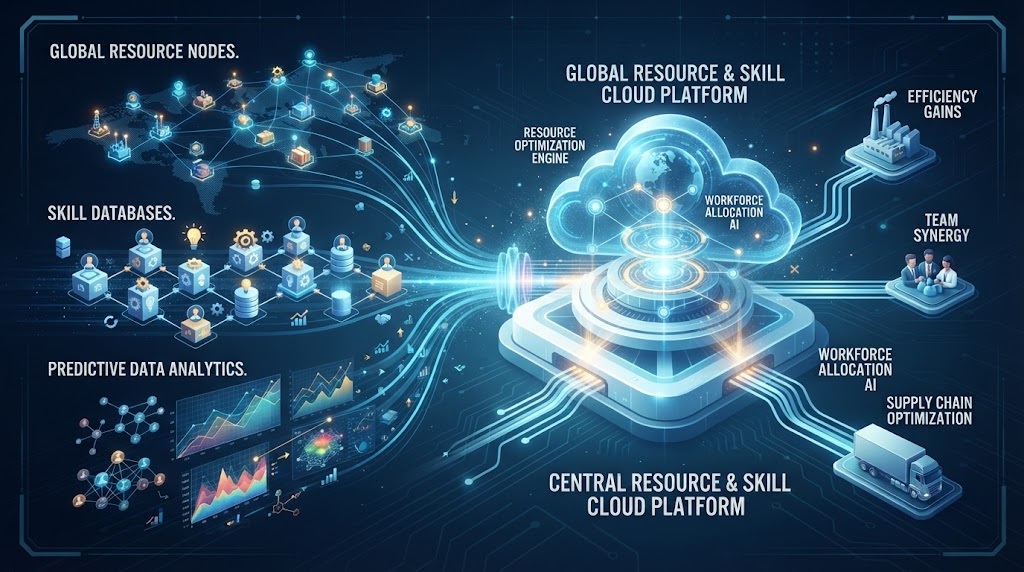
Modern enterprise management demands real-time visibility into personnel, skill sets, project pipelines, and operational capacity. For medium to large-scale organizations, managing human capital across complex, multi-faceted portfolios without specialized software leads to bench time inefficiencies, overallocation, and project delivery delays. In an era where data-driven operational decisions dictate profit margins, Saviom’s enterprise resource management and workforce planning software stands out as a premier global solution designed to streamline workforce utilization and maximize profitability.
Developed to replace disjointed spreadsheets and static legacy tracking systems, Saviom’s multi-dimensional scheduling and predictive analytics platform equips resource managers, PMOs, and executives with unified operational insights. By aligning human resource supply with evolving project demand across global teams, the software enables businesses to optimize billable utilization, lower bench costs, and accurately forecast future capacity needs months in advance.
In this ultimate guide, we will analyze the key features powering Saviom’s resource management engine, explore its predictive capacity and utilization models, review its business intelligence capabilities, and explain how enterprise teams can leverage the platform to scale operational efficiency.
The Evolution of Enterprise Resource Planning

As remote and hybrid work models continue to dominate corporate environments, managing talent across multiple geographic regions, departments, and skill matrices has become increasingly intricate. Traditional project management tools focus heavily on task tracking and deadlines, often neglecting the complex human capacity variables required to deliver those tasks smoothly.
Overcoming Spreadsheet Limitations and Siloed Data
Relying on manual spreadsheets for resource planning across large organizations creates immediate operational bottlenecks. Static spreadsheets cannot dynamically calculate real-time availability, account for changing project timelines, or provide predictive warnings when critical skill shortages loom.
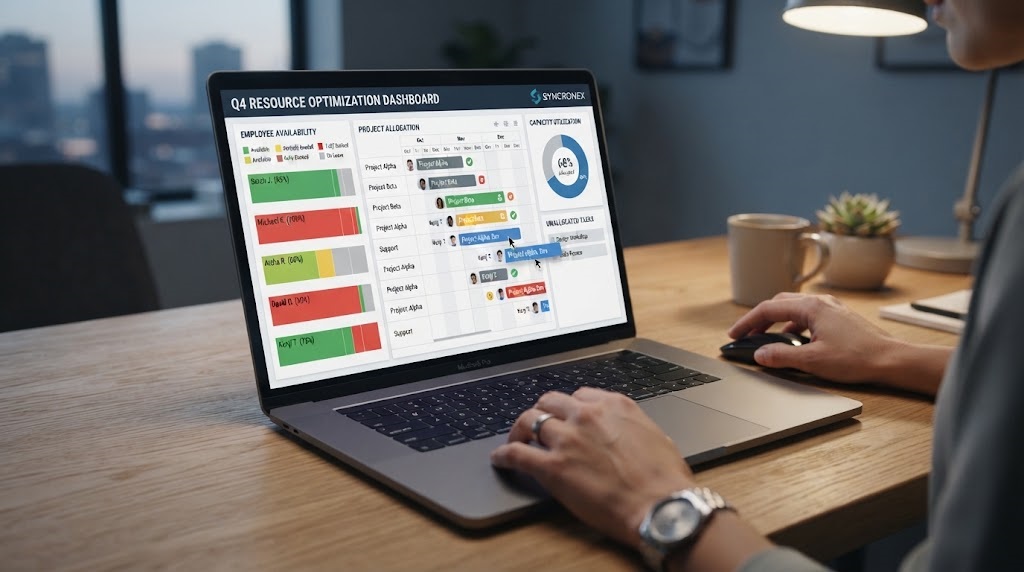
Implementing Saviom’s centralized platform solves data fragmentation by establishing a single source of truth across your entire organization. Project managers can evaluate confirmed and pipeline demand against real-time employee availability, ensuring that talent is assigned based on precise skills, location, and cost parameters.
Bridging the Gap Between PMO and HR Operations

A primary strength of Saviom’s architecture is its ability to connect Project Management Offices (PMOs) with Human Resources and Finance departments. By linking project schedules directly with employee skill databases, leave calendars, and billing rates, the software creates an integrated operational ecosystem. This connected approach eliminates inter-departmental miscommunication and ensures that hiring, training, and project allocation strategies align perfectly with organizational revenue goals.
Core Features and Capabilities of Saviom’s Resource Platform
Understanding the robust toolset embedded within Saviom’s software highlights why leading enterprises across IT consulting, engineering, auditing, and professional services trust the platform.
Multi-Dimensional Resource Scheduling and Allocation
At the heart of the platform sits a highly intuitive, multi-dimensional scheduler that provides a 360-degree view of all organizational resources. Drag-and-drop allocation interfaces allow resource managers to assign, reassign, or split bookings across projects in seconds. Visual heatmaps color-code allocation levels—instantly identifying overallocated personnel at risk of burnout, underutilized employees sitting on the bench, or skill gaps requiring immediate attention.
Predictive Capacity Planning and Demand Forecasting
Predicting future resource needs before bottlenecks stall project delivery is a core operational requirement. Saviom’s capacity planning intelligence compares incoming project demand—including both confirmed contracts and probability-weighted pipeline sales—against current workforce supply.
This forward-looking visibility allows delivery leads to:
- Identify emerging skill shortages months before project kickoff.
- Recognize upcoming surplus capacity and proactively assign bench talent to billable work.
- Optimize recruitment and contractor hiring strategies based on hard data rather than guesswork.
Advanced Scenario-Based “What-If” Planning
Market conditions and project scopes shift constantly. Saviom’s scenario-planning module enables managers to model complex “what-if” situations without altering live operational data. Leaders can test scenarios such as project start date delays, sudden scope expansions, or key personnel departures to evaluate the downstream impact on capacity, project margins, and delivery deadlines before making binding commitments.
Driving Profitability with Real-Time Business Intelligence
Effective resource management directly drives financial performance. Saviom’s embedded business intelligence (BI) and reporting tools convert raw operational data into actionable financial insights.
Maximizing Billable and Overall Resource Utilization
Unplanned bench time drains corporate profit margins. By providing continuous visibility into resource allocation, Saviom’s platform helps businesses increase billable utilization by 10% to 20%. The software tracks billable vs. non-billable hours across departments, enabling managers to systematically reassign staff from administrative tasks to revenue-generating client projects.
Protecting Project Margins and Cost Control
Controlling project delivery costs requires real-time financial tracking. By integrating resource cost rates, billing rates, and actual time logged via integrated timesheets, Saviom’s system monitors project financial health continuously. The platform calculates real-time margins and alerts managers when a project threatens to exceed its allocated budget, allowing corrective action before profit margins erode.
Codeless Customization and Enterprise Scalability
Every enterprise operates under unique organizational structures, terminology, and governance workflows. One of the most praised aspects of Saviom’s platform is its deep, codeless configurability. Administrators can customize fields, dashboards, security permissions, approval workflows, and reporting metrics without writing code or hiring external software developers.
Step-by-Step Implementation Framework for Enterprise Teams
Deploying a powerful resource planning solution requires a structured change management strategy to ensure high user adoption and rapid ROI.
Step 1: Define Organizational Structures and Skill Repositories
Begin implementation by mapping your company’s organizational chart, business units, departments, and location centers into the software. Establish a comprehensive skills and qualifications matrix, categorizing employee competencies, experience levels, and certifications so talent can be searched and filtered accurately during allocation.
Step 2: Integrate Existing Enterprise Systems
To maximize operational efficiency, connect Saviom’s software with your existing enterprise application stack. Leveraging open APIs allows seamless data synchronization with customer relationship management (CRM) tools like Salesforce, project management systems, human resource information systems (HRIS), and financial accounting software.
Step 3: Establish Governance and Role-Based Permissions
Configure role-based access controls and customized dashboards for different stakeholder groups. Executives receive high-level portfolio health and utilization summaries, project managers gain access to task schedules and allocation controls, and individual team members receive clear, personalized views of their upcoming project assignments.
Step 4: Train Teams and Onboard Key Stakeholders
Conduct structured, role-specific training sessions for resource managers, PMO directors, and department leads. Utilizing Saviom’s intuitive drag-and-drop interface ensures a shallow learning curve, allowing teams to transition away from legacy spreadsheets and embrace real-time scheduling within weeks.
Frequently Asked Questions
What industries benefit most from Saviom’s software?
Industries with complex, project-based workforces gain the highest value from Saviom’s platform. Primary sectors include IT consulting, accounting and audit firms, architecture and engineering (AEC), law firms, professional services, and construction enterprises.
How does Saviom’s platform help reduce bench time?
The software provides early visibility into upcoming resource availability and surplus capacity through predictive utilization reporting. Resource managers can identify bench personnel weeks in advance and proactively match their skill profiles to pipeline project demand or internal initiatives.
Can Saviom’s software integrate with existing CRM and ERP tools?
Yes. The platform is built for enterprise connectivity, integrating smoothly with major CRM platforms (like Salesforce), ERP software, HRIS databases, and project management tools to eliminate data silos across your organization.
What is scenario-based “What-If” planning?
Scenario-based planning allows managers to simulate potential business changes—such as project delays, budget cuts, or unexpected resource departures—in a risk-free sandbox environment. This helps leaders evaluate the impact on capacity and profitability before making live operational commitments.
Is Saviom’s software suitable for medium-sized businesses?
Yes. While the platform offers enterprise-grade scalability and security, its modular architecture and flexible licensing tiers make it highly adaptable for growing mid-sized businesses looking to professionalize their resource planning.
How does the platform improve project delivery timelines?
By preventing skill shortages, eliminating allocation bottlenecks, and matching the right qualified talent to specific project roles from day one, Saviom’s resource management engine ensures projects stay on schedule and within budget.
Does the software support global, multi-location teams?
Yes. The system provides a centralized 360-degree view of talent across different locations, time zones, and business units, making it easy to manage global matrix organizations smoothly.
Conclusion
Maximizing human potential while maintaining healthy project profit margins is the ultimate goal of modern enterprise leadership. Relying on static spreadsheets or siloed task managers leaves organizations vulnerable to overallocation, hidden bench costs, and missed delivery targets. Implementing Saviom’s advanced resource management platform transforms workforce planning into a proactive, data-driven competitive advantage.
From multi-dimensional scheduling and predictive capacity forecasting to scenario modeling and real-time business intelligence, the software delivers the tools modern enterprises need to optimize talent utilization and protect project profitability. Explore how Saviom’s configurable resource management software can elevate your operational efficiency and position your enterprise for sustainable growth.

Written by Twastia Editorial Team
Twastia Editorial Team shares practical insights about website design, SEO services, Google Ads, content marketing, social media, conversion rate optimization, and digital marketing strategy.
Last updated: Oct 21, 2026
Related posts from Twastia
Explore more useful articles from twastia.com about digital marketing, SEO, websites, ads, content, and growth strategy.