training for cleaners: The Best Guide to Janitorial Excellence
In the modern commercial and residential service sectors, maintaining high standards of hygiene, indoor air quality, and surface sanitation is […]
In the modern commercial and residential service sectors, maintaining high standards of hygiene, indoor air quality, and surface sanitation is fundamental to business success. Whether managing a commercial janitorial firm, an in-house facility maintenance team, or a residential maid service, establishing a structured program for training for cleaners is the single most effective way to ensure consistent quality, reduce operational liability, and boost client retention. A well-trained cleaning staff does far more than make spaces look tidy; they protect public health, prevent cross-contamination in high-traffic environments, and preserve expensive flooring and building materials.
Despite its critical importance, the cleaning industry has historically suffered from high employee turnover and minimal formal onboarding. When companies view cleaning as low-skilled labor rather than a professional discipline requiring specialized knowledge, service quality degrades, workplace injuries rise, and client cancellation rates climb. Implementing comprehensive training for cleaners shifts this dynamic, empowering technicians with the technical knowledge, safety awareness, and efficiency techniques needed to excel in their daily routines.
In this ultimate guide, we will analyze why investing in formal janitorial education is essential, break down core curriculum components, explore modern instruction methodologies, evaluate industry certification pathways, and detail how structured education drives measurable return on investment for cleaning business owners.
Why Investment in Training for Cleaners Transforms Businesses
For cleaning company owners and facility directors across the United States, developing a formal education curriculum is a strategic growth accelerator rather than an administrative expense.
Reducing Turnover and Boosting Employee Retention
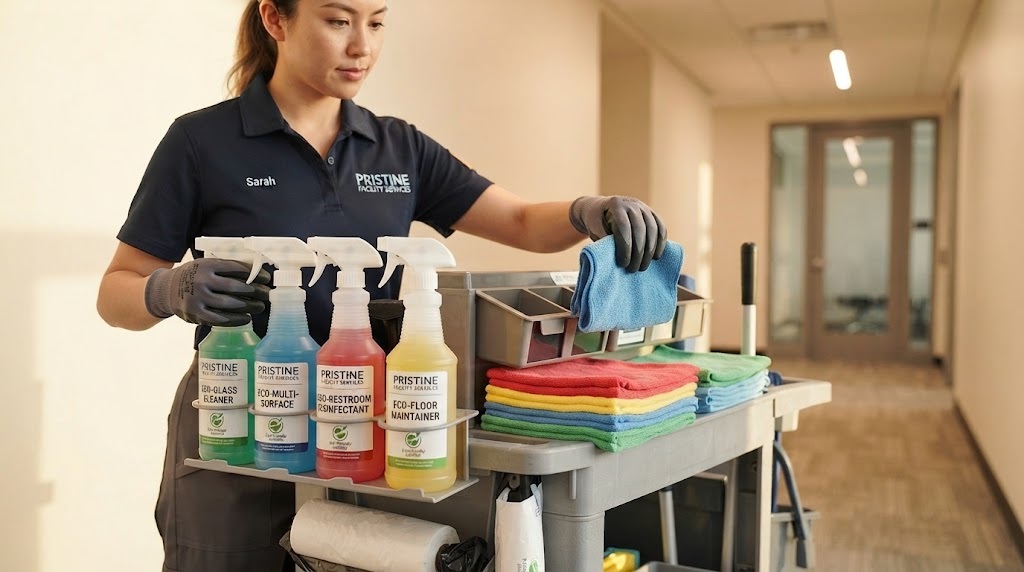
The janitorial and residential cleaning industries experience some of the highest annual employee turnover rates in the service sector, frequently exceeding 75% to 100% per year. High turnover strains management resources, increases recruitment advertising costs, and leads to inconsistent client service.
Providing structured training for cleaners during onboarding demonstrates that a company values its workforce and is committed to their professional development. When new hires receive clear instruction, proper ergonomic tools, and ongoing mentorship, their job confidence increases and workplace frustration decreases. Employees who feel prepared and supported are significantly more likely to remain with their employer long-term, creating a stable, experienced team.
Elevating Service Quality and Client Satisfaction
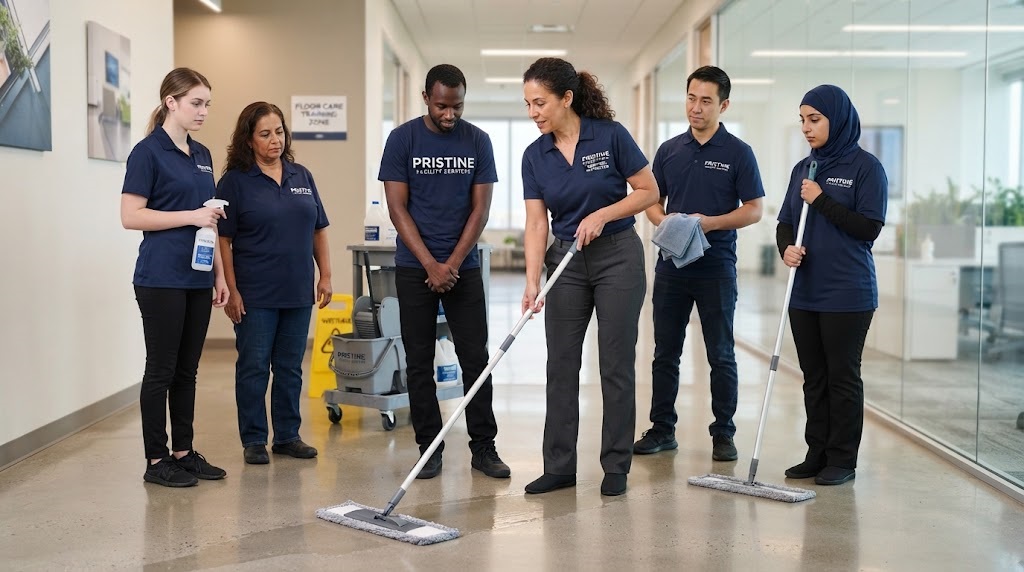
Inconsistent cleaning quality is the primary reason residential homeowners and corporate facilities switch service providers. When janitorial staff rely on unverified habits or lack standardized workflows, missed tasks and surface damage inevitably occur.
Establishing rigorous training for cleaners ensures that every team member executes standardized cleaning checklists using proven, systematic techniques. From top-to-bottom dusting methods to proper microfiber color-coding protocols, standardized education eliminates guesswork. Delivering consistent, high-quality results builds long-term client trust, encourages positive online reviews, and drives lucrative referral business.
Core Modules Every Cleaning Training Program Must Cover
A comprehensive educational curriculum must balance chemical safety, technical mechanics, infection control, and customer service skills.
Chemical Safety and OSHA Compliance Standards
Occupational safety is the cornerstone of any janitorial education framework. Cleaning technicians interact daily with concentrated chemicals, heavy equipment, and potential biological hazards. In the United States, federal Occupational Safety and Health Administration (OSHA) regulations mandate that employers educate staff on workplace chemical hazards.
A foundational module for training for cleaners must cover the Hazard Communication Standard (HCS), including how to read Safety Data Sheets (SDS) and interpret chemical label pictograms. Technicians must understand dilution ratios, chemical dwell times, and the dangers of mixing incompatible compounds—such as bleach and ammonia, which creates lethal chloramine gas. Furthermore, instruction must emphasize proper Personal Protective Equipment (PPE) selection, including nitrile gloves, eye protection, and non-slip footwear.
Infection Control and Cross-Contamination Prevention
In medical clinics, educational institutions, and corporate office spaces, effective cleaning directly impacts human health by disrupting the transmission of infectious pathogens. Without proper protocol, an untrained cleaner can accidentally spread bacteria and viruses from restrooms to office desks using contaminated sponges or cloths.
Comprehensive training for cleaners establishes strict color-coded microfiber systems—for example, red cloths for restroom fixtures, yellow for general sanitizing, and blue for glass and mirrors. Technicians learn the critical distinction between cleaning (removing dirt and debris), sanitizing (reducing bacteria to safe levels), and disinfecting (destroying specific pathogens). Instructors must emphasize necessary chemical dwell times, ensuring disinfectants remain wet on hard surfaces long enough to kill targeted viruses and bacteria effectively.
Surface-Specific Cleaning Techniques and Equipment Handling
Modern commercial architecture features diverse, delicate building materials, including natural marble, polished granite, terrazzo, vinyl composition tile (VCT), hardwood, and stainless steel. Using an acidic cleaner on natural limestone or an abrasive pad on stainless steel can cause permanent surface etching, leading to costly property damage claims.
Educating technicians on surface compatibility is a crucial aspect of training for cleaners. Staff should learn pH scale basics, identifying neutral cleaners for stone, alkaline degreasers for kitchen grease, and mild acidic descalers for mineral deposits. Additionally, hands-on instruction should cover the safe operation and maintenance of commercial floor scrubbers, backpack vacuums, carpet extractors, and microfiber mop systems.
Designing an Effective Onboarding and Continuous Training Framework
Delivering information effectively requires combining different educational formats tailored to diverse adult learning styles.
Blending Classroom Learning with Hands-On Practice
Theoretical instruction alone is insufficient for physical service roles. An optimal framework for training for cleaners utilizes a blended learning model combining short classroom presentations, visual demonstration videos, and supervised hands-on field practice.
- Orientation and Safety Theory: Introduce company culture, OSHA safety standards, chemical handling, and basic ergonomics through interactive digital modules.
- Practical Demonstration: A certified trainer demonstrates correct cleaning sequences, equipment assembly, and microfiber folding techniques in a controlled mock environment.
- Supervised Field Practice: The new technician performs cleaning tasks in real-world settings under the direct supervision of a senior mentor who provides real-time coaching and corrective feedback.
- Skills Evaluation: The trainee passes a practical skill audit before working independently on client sites.
Digital Learning Management Systems and Mobile Training Tools
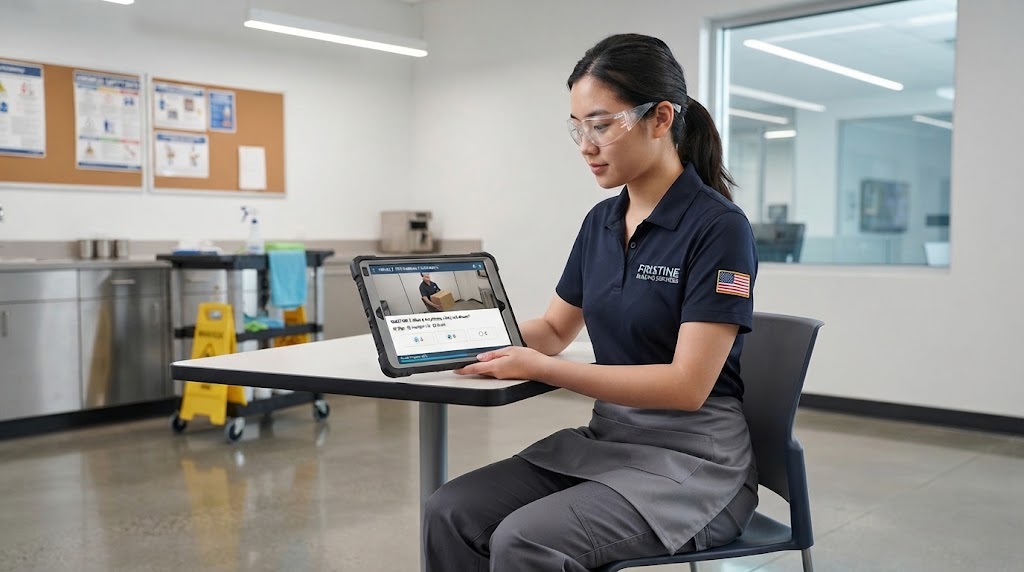
As cleaning companies scale across multiple service locations, maintaining consistent educational standards through traditional paper manuals becomes challenging. Modern janitorial businesses increasingly rely on mobile Learning Management Systems (LMS) and video-based micro-learning apps.
Utilizing mobile platforms for training for cleaners allows technicians to access 2-minute refresher videos directly on their smartphones before starting a specialized job. Whether reviewing proper floor-stripping procedures or medical office sanitation steps, mobile access puts instant educational support into the hands of field staff, reinforcing quality standards across every shift.
Specialized Training for Cleaners Across Different Industries
Different commercial environments present unique cleaning challenges, regulatory standards, and operational risks.
Healthcare and Medical Facility Sanitation
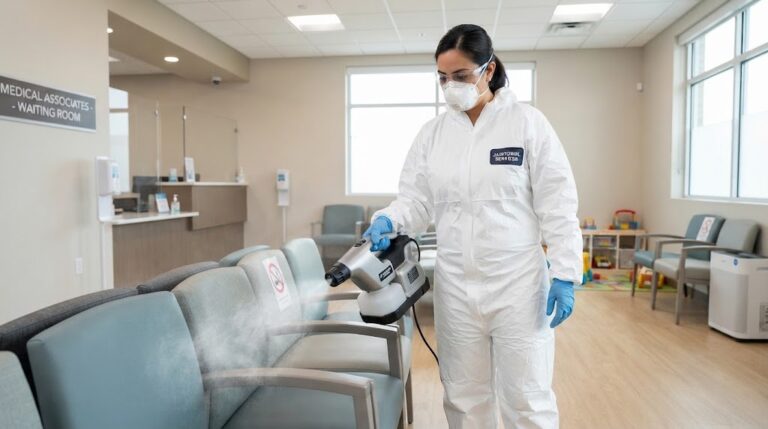
Medical buildings, dental offices, and surgical centers demand specialized janitorial expertise governed by strict regulatory oversight. Cleaning staff in these environments face bloodborne pathogens, hazardous medical waste, and strict terminal cleaning requirements.
Specialized training for cleaners operating in healthcare settings covers OSHA Bloodborne Pathogens Standards (29 CFR 1910.1030), biohazard waste disposal protocols, and terminal room disinfection workflows. Technicians learn proper hand hygiene, personal protective equipment donning and doffing sequences, and touch-point sanitization methods designed to prevent Healthcare-Associated Infections (HAIs).
Commercial Office Buildings and High-Traffic Retail
Commercial office parks and retail showrooms prioritize high-volume operational efficiency, night-shift safety, and floor care aesthetics.
Curriculums covering commercial training for cleaners focus on systematic zone cleaning, team cleaning strategies, and advanced floor maintenance. Technicians learn efficient trash collection, high-durability floor waxing, carpet bonnet cleaning, and entrance matting maintenance, ensuring large corporate facilities remain presentable and safe for daily employee and customer traffic.
Measuring the ROI of Cleaner Education and Certification
While developing an internal educational program requires an upfront investment of time and capital, the financial returns far outweigh the initial costs.
Key Performance Indicators to Track Success
Cleaning business owners and facility managers can track the financial and operational impact of training for cleaners by measuring key performance metrics:
- Reduction in Employee Turnover: Tracking staff retention rates over 90, 180, and 360 days post-onboarding reveals how structured education improves job satisfaction.
- Decrease in Workers’ Compensation Claims: Monitoring workplace injuries, slips, falls, and chemical exposure incidents demonstrates the direct safety benefits of OSHA compliance education.
- Lower Client Churn and Complaints: Tracking supervisor audit scores and client retention metrics shows how standardized quality control protects recurring monthly revenue.
- Reduced Supply and Chemical Waste: Measuring chemical consumption before and after introducing automated dilution control education highlights cost savings from eliminated chemical overuse.
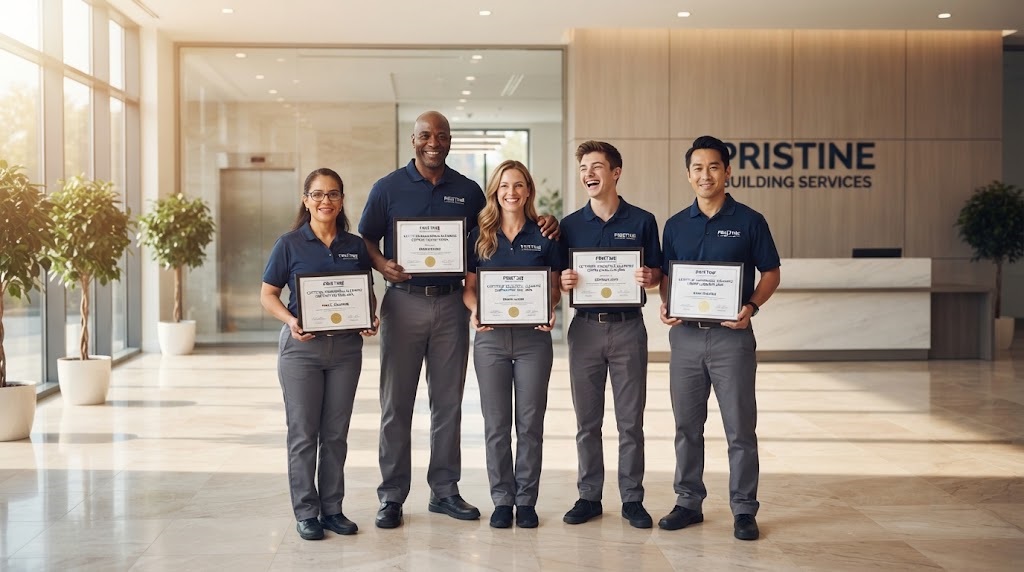
Additionally, earning industry certifications—such as the ISSA Cleaning Industry Management Standard (CIMS) or Building Service Contractors Association International (BSCAI) credentials—gives commercial contractors a powerful competitive advantage when bidding on lucrative government and corporate cleaning contracts.
Frequently Asked Questions
Why is formal training for cleaners important for a business?
Formal training for cleaners establishes consistent service quality, ensures workplace safety and OSHA compliance, reduces chemical and property damage risks, lowers employee turnover, and increases long-term client satisfaction and retention.
What should be included in a basic janitorial training manual?
A comprehensive manual should include company policies, chemical safety and SDS guidelines, PPE requirements, surface-specific cleaning protocols, microfiber color-coding rules, equipment operation procedures, customer service standards, and emergency response plans.
How long should an onboarding program for new cleaners take?
An effective onboarding program typically spans 1 to 2 weeks, combining classroom safety modules, practical hands-on demonstrations, and 3 to 5 days of field shadowing alongside an experienced mentor before working independently.
What is OSHA’s requirement for cleaning staff chemical safety?
OSHA mandates that employers provide chemical hazard communication training under the Hazard Communication Standard (29 CFR 1910.1200). Cleaners must be trained on chemical hazards, SDS accessibility, container labeling, and proper PPE usage prior to initial assignment and whenever new chemical hazards are introduced.
How does proper training for cleaners reduce chemical costs?
Proper education teaches technicians correct chemical dilution ratios and dwell times. This prevents staff from over-concentrating chemical solutions or wasting products, significantly lowering monthly supply expenses while improving cleaning efficacy.
What is the difference between cleaning, sanitizing, and disinfecting?
Cleaning physically removes dirt, debris, and organic matter from surfaces using soap and water. Sanitizing reduces bacterial counts on surfaces to safe public health levels. Disinfecting uses specific chemical solutions to kill targeted bacteria, viruses, and fungi on hard surfaces when allowed to sit for required dwell times.
How can a cleaning company maintain consistent quality across multiple sites?
Companies maintain consistency by utilizing mobile Learning Management Systems (LMS) for quick video refreshers, enforcing standardized digital checklists, conducting regular supervisor quality audits, and providing ongoing quarterly skill refresher courses.
Conclusion
Building a successful, profitable, and resilient cleaning business requires viewing your frontline staff as trained professionals rather than disposable labor. Implementing a structured, comprehensive program for training for cleaners establishes a high-performance culture rooted in safety, efficiency, and operational excellence. By educating technicians on chemical hazard compliance, cross-contamination
prevention, surface-specific care, and specialized industry protocols, cleaning companies protect public health while building a strong brand reputation. The measurable returns—reduced employee turnover, lower workplace injury claims, decreased supply waste, and higher client retention—far outweigh the initial time investment. Prioritizing certified, ongoing training for cleaners is the ultimate strategy for elevating your janitorial team, exceeding client expectations, and securing sustainable business growth in today’s competitive service marketplace.

Written by Twastia Editorial Team
Twastia Editorial Team shares practical insights about website design, SEO services, Google Ads, content marketing, social media, conversion rate optimization, and digital marketing strategy.
Last updated: Oct 21, 2026
Related posts from Twastia
Explore more useful articles from twastia.com about digital marketing, SEO, websites, ads, content, and growth strategy.