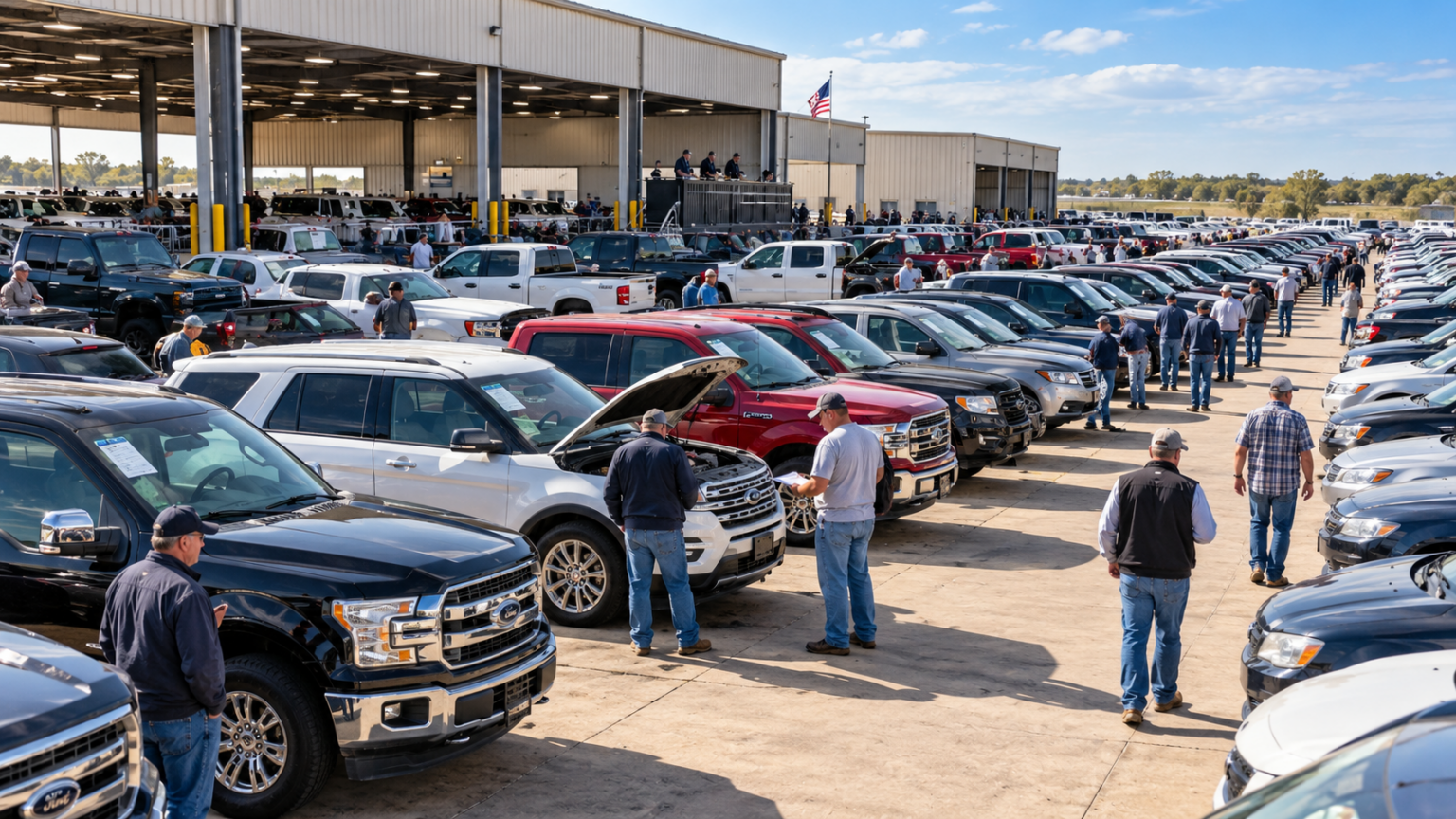
car auction: Best Online Bidding, Used Car Buying & Salvage Vehicle Guide
Buying a vehicle through a traditional dealership is not the only option for American car shoppers. Online auctions provide another […]
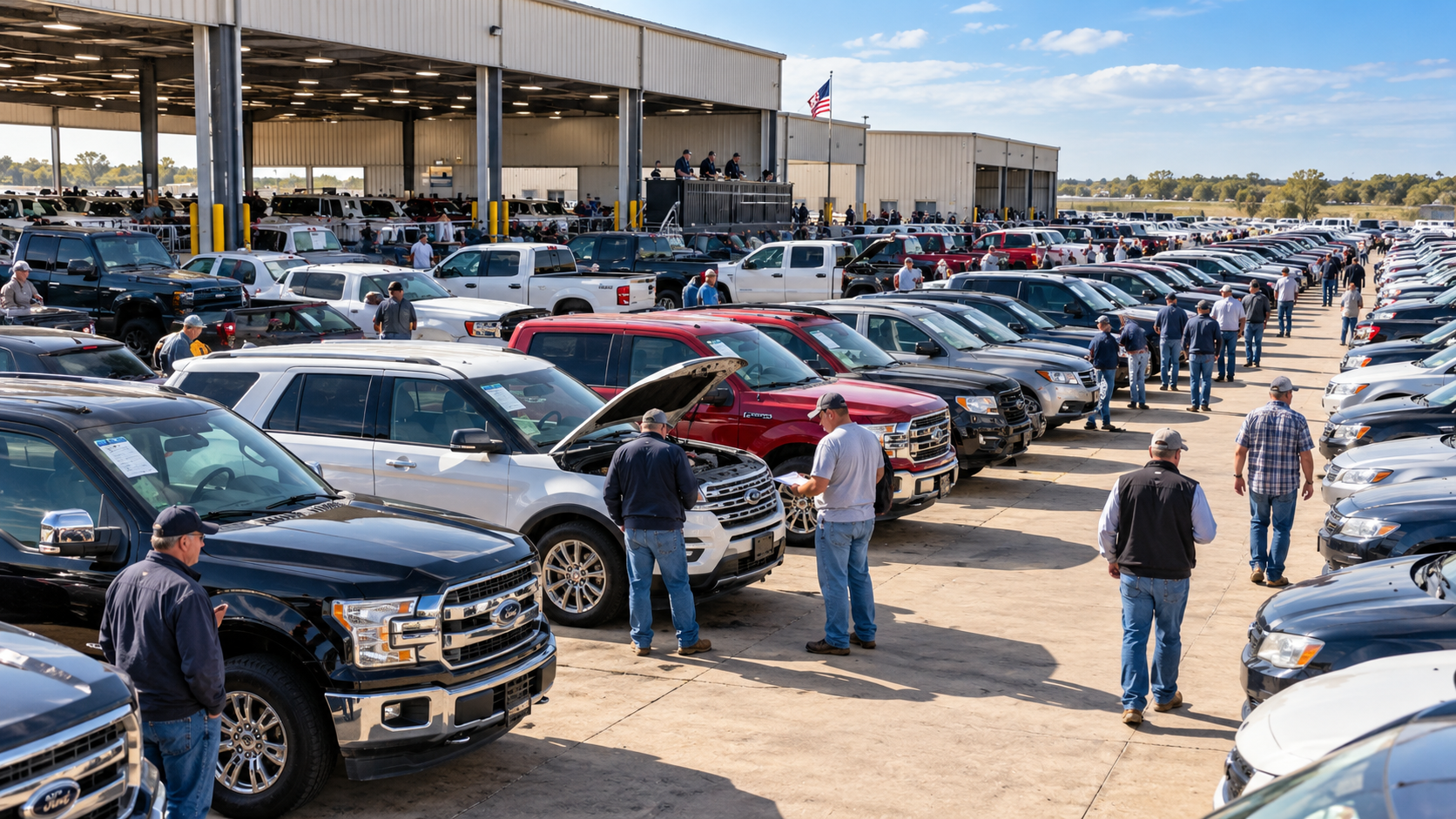
Buying a vehicle through a traditional dealership is not the only option for American car shoppers. Online auctions provide another way to explore used cars, trucks, SUVs, and vehicles requiring repairs.
However, purchasing through a car auction involves different responsibilities from visiting a dealership.
Auction buyers may encounter vehicles with clean titles, accident damage, mechanical problems, or salvage histories. The advertised bid is also rarely the complete purchase cost.
Understanding vehicle condition, title documents, auction fees, and transportation arrangements can help buyers avoid expensive surprises.
Platforms such as AutoBidMaster provide public access to Copart auction inventory through a brokerage arrangement, allowing eligible customers to explore vehicles without obtaining their own dealer license for supported purchases.
AutoBidMaster
Still, a low starting bid does not guarantee a bargain.
This guide explains how auto auctions work, common vehicle categories, practical bidding strategies, important safety checks, and the costs to consider before purchasing.
Why Car Auctions Are Worth Understanding
Vehicle auctions bring together inventory from different sellers and allow buyers to compete through a bidding process.
Some vehicles come from insurance-related sales, while others may originate from commercial fleets, dealerships, or individual sellers.
For buyers willing to conduct careful research, auctions can offer several advantages.
- Access to different vehicle makes, models, and conditions.
- Opportunities to compare available inventory across locations.
- Online search tools for filtering by model, damage, and title status.
- Potential access to vehicles suitable for restoration or parts.
- Flexibility to research listings before scheduled sales.
However, auction purchases also involve uncertainty.
Vehicles may not receive the same preparation or warranty coverage as retail dealership inventory. Buyers must evaluate condition and terms before committing.
An auction is best understood as an alternative purchasing channel rather than a guaranteed way to save money.
Common Car Auction Risks and Problems
Incomplete Vehicle Condition Information
Auction photographs may show obvious exterior damage without revealing internal mechanical or electrical problems.
A car that appears repairable may still require expensive structural, electronic, or safety-system repairs.
Salvage and Rebuilt Title Restrictions
A salvage title generally indicates that a vehicle has met a state’s criteria for significant damage or another qualifying event.
Title terminology and registration rules vary by state.
A rebuilt vehicle may have completed an applicable inspection or title process, but that designation does not guarantee perfect mechanical condition.
Unexpected Auction Fees
The winning bid may be followed by transaction fees, broker charges, taxes, storage costs, and transportation expenses.
These additional charges can substantially change the final amount paid.
Limited Return Options
Auction vehicles are frequently offered with restrictive terms concerning condition, inspections, and returns.
Read the specific terms before placing a bid. Do not assume ordinary dealership return policies apply.
10 Practical Ways to Buy a Car at Auction More Carefully
1. Decide What Type of Vehicle You Need
Start with the vehicle’s intended purpose.
A daily commuting car should generally be evaluated differently from a restoration project or parts vehicle.
Determine your preferred model, year range, mileage, and acceptable condition before browsing.
2. Set a Complete Purchase Budget
Your budget should include the vehicle price and all expected additional costs.
Allow for auction charges, transportation, title work, repairs, insurance, and registration.
Setting a maximum total cost before bidding can help prevent emotionally driven decisions.
3. Understand Different Title Types

Read the exact title document or title-code description. Clean, salvage, rebuilt, junk, and scrap classifications have different implications, and registration eligibility varies by state.
A clean title does not prove a vehicle has never been damaged.
4. Research the Vehicle Identification Number
Use the vehicle identification number, commonly called the VIN, to investigate available history.
The National Motor Vehicle Title Information System can provide title, odometer, salvage, and total-loss information.
A vehicle history report is useful, but it cannot reveal every mechanical defect or past repair.
VehicleHistory
5. Arrange an Independent Inspection

Mechanical and Structural Inspection
When inspections are permitted, ask an independent professional to examine the vehicle. Pay particular attention to structural damage, safety equipment, drivetrain condition, and potential repair costs.
The Federal Trade Commission recommends independent inspections when buying used vehicles.
Consumer Advice
6. Review Every Auction Photograph
Examine photographs of the exterior, interior, engine compartment, wheels, and visible damage.
Look for inconsistent panel gaps, missing components, deployed airbags, or signs of water exposure.
Photographs alone cannot determine whether a car is safe to drive.
7. Estimate Repair Costs Before Bidding
Ask a repair professional to identify likely parts, labor, and diagnostic expenses.
Include a contingency for hidden damage.
A low purchase price may not justify major repairs if the final cost approaches or exceeds the value of a comparable roadworthy vehicle.
8. Calculate the Maximum Bid

Set a Firm Maximum Bid
Subtract estimated fees, repairs, and transportation from your total budget. Stop when bidding reaches your limit, even if another buyer continues increasing the price.
This is especially important during fast-moving live auctions.
9. Confirm Payment and Pickup Requirements
Auction companies often establish strict payment deadlines.
Late payments or delayed collection may generate additional charges.
Read the invoice and arrange transportation before the applicable pickup deadline.
10. Verify Insurance and Registration Eligibility

Plan Vehicle Transportation
A salvage or non-operational vehicle may require professional towing rather than being driven away. Confirm applicable state title, inspection, insurance, and registration requirements before planning road use.
Never assume that winning an auction automatically makes a vehicle legally roadworthy.
Best Types of Vehicles to Explore at Car Auctions
Different auction categories serve different buyers. Understanding the distinctions can help narrow your search.

Clean-Title Used Cars
These vehicles may appeal to shoppers seeking everyday transportation. Still, a clean title does not replace an inspection, maintenance-history review, or safety-recall check.

Repairable Salvage Vehicles
Salvage vehicles may interest restoration buyers or repair businesses. Their actual suitability depends on damage severity, parts availability, repair cost, and state title restrictions.

Pickup Trucks and Commercial Vehicles
Businesses may research work trucks and vans at auction. Check payload requirements, mileage, maintenance history, and evidence of heavy previous use.

Hail-Damaged and Restoration Cars
Some vehicles may have repairable cosmetic damage, but the extent and costs vary. Verify whether the title has restrictions and inspect for less obvious damage.
How AutoBidMaster’s Online Car Auction Works
Buyers exploring a car auction through AutoBidMaster can search available Copart inventory through AutoBidMaster’s brokerage platform.
The website describes a process involving account registration, vehicle selection, and bidding in online auctions.
Its published membership structure includes Guest, Basic, Advanced, and Premium options. Different membership levels may affect participation and bidding conditions.
AutoBidMaster
+1
AutoBidMaster also provides search filters for vehicle make, model, location, damage category, and title information.
Its listings include both clean-title and salvage vehicles, but the exact condition and purchasing requirements differ for each lot.
The company encourages customers to inspect vehicles before bidding.
Understanding Membership and Auction Fees
According to its published rules, AutoBidMaster lists these membership prices:
| Membership | Published fee |
|---|---|
| Guest | Free |
| Basic | $35 annually |
| Advanced | $189 annually |
| Premium | $349 annually |
These are membership charges, not complete vehicle purchase costs.
Help Center
Additional transaction, processing, Copart, transportation, and other applicable charges may apply.
The company states that its lot-level fee calculator provides estimates, while the final invoice determines the amount due.
Confirm current pricing and membership conditions before participating.
Example: Calculating the True Cost of an Auction Vehicle
Suppose a buyer wins a used sedan with a bid of $4,000.
The following example shows why the winning bid should not be confused with total acquisition cost.
| Expense | Illustrative amount |
|---|---|
| Winning bid | $4,000 |
| Auction and broker fees | $650 |
| Vehicle transport | $400 |
| Initial repairs | $1,200 |
| Taxes, title, and registration | $350 |
| Estimated total | $6,600 |
These values are hypothetical, not an AutoBidMaster quotation.
Additional damage or delays could increase the total further.
Before deciding whether the purchase makes financial sense, compare this complete amount with similar roadworthy vehicles in the local market.
Step-by-Step Plan for Your First Online Car Auction
Step 1: Research Several Vehicles
Create a shortlist of vehicles matching your requirements.
Compare title records, mileage, seller descriptions, and visible condition.
Avoid selecting a car solely because it has an unusually low opening bid.
Step 2: Verify History and Condition
Order an appropriate vehicle history report.
Where permitted, arrange an inspection and request repair estimates.
Check outstanding safety recalls using the manufacturer’s information or NHTSA’s VIN-based recall lookup.
Step 3: Review Auction Rules
Understand bid deposits, buyer fees, payment methods, collection deadlines, and cancellation restrictions.
Make sure the lot can legally be sold and transferred to you under applicable rules.
Step 4: Bid Within Your Financial Limit
Use your calculated maximum bid.
If bidding exceeds that amount, look for another suitable vehicle.
Winning should not become more important than purchasing responsibly.
Common Car Auction Mistakes to Avoid
A major mistake is assuming every vehicle sold at auction is cheaper than a similar car available through ordinary retail channels.
Another is treating visible damage descriptions as complete mechanical assessments.
Some buyers overlook the costs of towing, repairs, storage, and state inspections.
Others focus on the vehicle’s starting bid without understanding fees or auction conditions.
Before committing, verify that the title can be transferred and that the vehicle can meet your state’s registration requirements.
For first-time buyers, a complicated salvage vehicle may involve more financial uncertainty than expected.
A disciplined purchasing process emphasizes research, realistic costs, and vehicle safety rather than excitement during bidding.
Frequently Asked Questions About Car Auctions
What is a car auction?
A car auction is a sales process in which buyers place competing bids on vehicles. Auctions may operate in person or online and can include used, fleet, salvage, and repairable vehicles.
Can anyone buy a car at an online auction?
Some auctions are open to public buyers, while others have licensing restrictions. Brokers such as AutoBidMaster offer access to certain dealer-restricted auction inventory under their purchasing arrangements.
Are car auction vehicles cheaper than dealership cars?
Sometimes, but not always. Auction fees, transportation, repairs, taxes, and title requirements can eliminate an apparent price advantage.
What is the difference between a clean title and a salvage title?
A clean title generally lacks specified title brands, while a salvage title indicates a state-defined damage or loss classification. Neither document alone establishes a vehicle’s full mechanical condition.
Can I inspect a car before bidding?
Inspection availability depends on the auction and vehicle location. Arrange an independent inspection whenever permitted and practical.
Do I need a dealer license to use AutoBidMaster?
AutoBidMaster advertises public access to supported Copart auction vehicles through its brokerage arrangements without requiring buyers to obtain their own dealer license. Specific eligibility and state requirements should still be checked.
Can I drive a salvage car home after winning?
Do not assume so. A salvage vehicle may not be legally registered or safe to drive. Confirm the title status and arrange appropriate transportation.
What happens after winning an online car auction?
Buyers generally receive payment instructions, complete required paperwork, pay applicable fees, and arrange vehicle pickup or delivery within the auction’s deadlines.
Conclusion
A car auction can provide access to a wide selection of used vehicles, including clean-title cars, commercial trucks, and salvage vehicles intended for repair or restoration.
However, successful auction buying requires more than identifying an attractive listing.
Buyers should review vehicle history, investigate title restrictions, arrange inspections where possible, and calculate the complete purchase cost before bidding.
Online platforms such as AutoBidMaster make it possible to explore Copart auction inventory through a brokerage service, but membership rules, auction fees, and vehicle conditions deserve careful attention.
For first-time buyers, choosing a vehicle with a clearer history and manageable repair requirements may reduce uncertainty.
The most useful strategy is to establish a firm budget, verify the vehicle’s condition and legal status, and avoid bidding beyond what you can responsibly afford.

Written by Twastia Editorial Team
Twastia Editorial Team shares practical insights about website design, SEO services, Google Ads, content marketing, social media, conversion rate optimization, and digital marketing strategy.
Last updated: Oct 26, 2026
Related posts from Twastia
Explore more useful articles from twastia.com about digital marketing, SEO, websites, ads, content, and growth strategy.