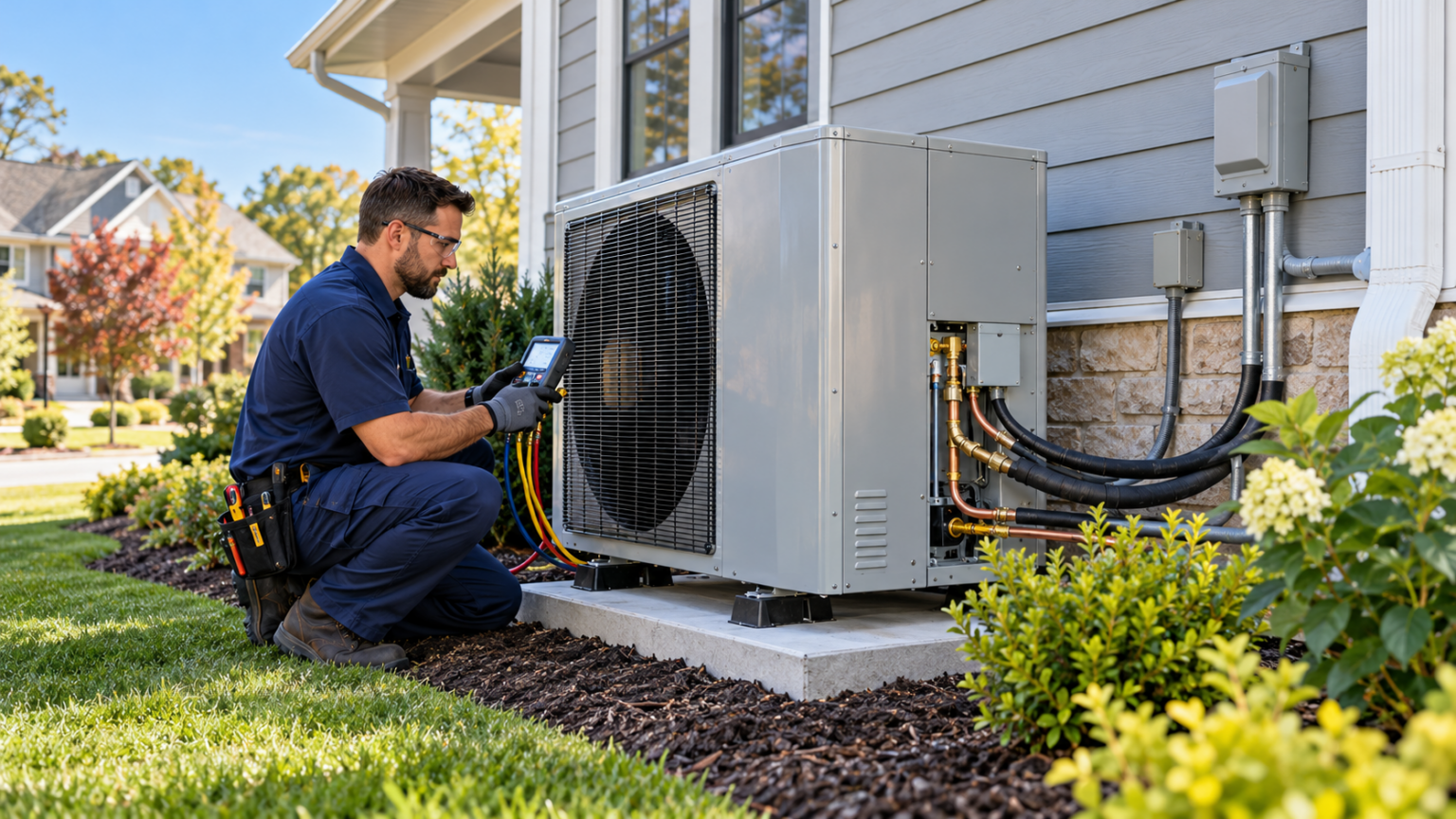
varmepumpe: Best Heat Pump Types, Installation & Energy Savings Guide
Heating and cooling are major household expenses, especially in areas with freezing winters or long, hot summers. For homeowners considering […]
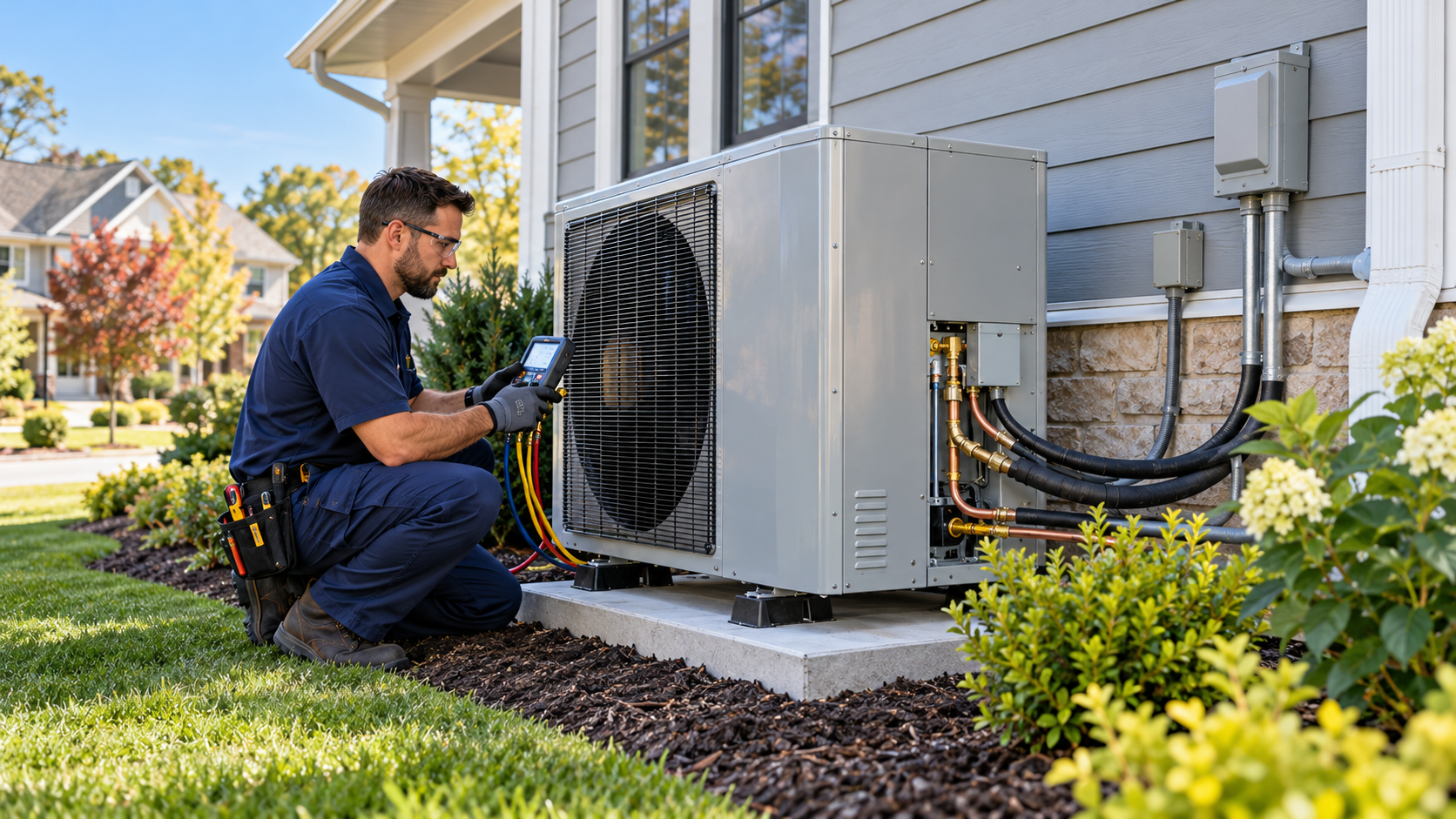
Heating and cooling are major household expenses, especially in areas with freezing winters or long, hot summers. For homeowners considering a more efficient HVAC system, heat pump technology offers an alternative to conventional furnaces, boilers, and air conditioners.
The Danish word varmepumpe means heat pump. It describes equipment that uses electricity to move heat rather than generating all its heat directly through combustion or electric resistance.
The technology is widely used in Europe and increasingly familiar to American homeowners exploring energy-efficient heating and cooling.
However, not every heat pump works the same way. Some deliver warm air through ducts, others use individual indoor units, and air-to-water systems distribute heat through water-based radiators or radiant floors.
The U.S. Department of Energy recognizes heat pumps as an efficient heating and cooling option across different climates when properly selected and installed.
Department of Energy
This guide explains how the technology works, popular system types, installation considerations, costs, maintenance, and how to choose a suitable heat pump for your home.
Why Varmepumpe Technology Matters for American Homes
Heat pumps move thermal energy from one location to another.
In heating mode, an air-source heat pump extracts energy from outdoor air and transfers it indoors. Many American systems can reverse the process to provide cooling during summer.
Because these systems transfer heat, they can deliver more heating energy than the electrical energy they consume under suitable operating conditions.
Benefits of Heat Pump Systems
- Energy efficiency: Heat transfer can use less electricity than conventional resistance heating.
- Year-round comfort: Many air-to-air models provide both heating and cooling.
- Flexible installation: Ducted and ductless designs accommodate different homes.
- Reduced on-site combustion: Electric operation avoids burning gas or oil inside the heat pump itself.
- Different climate options: Cold-climate models are designed for lower outdoor temperatures.
Actual financial and environmental benefits depend on electricity prices, previous equipment, climate, and installation quality.
Common Problems and Considerations Before Installing a Heat Pump
Poor Insulation and Air Leakage
Even efficient equipment can struggle when a building loses excessive heat through walls, attics, windows, or uncontrolled air leaks.
Improving the building envelope may reduce required heat pump capacity and energy consumption.
Incorrect System Sizing
Oversized or undersized systems can produce comfort and efficiency problems.
A contractor should evaluate the building’s heating and cooling requirements instead of selecting equipment based on square footage alone.
Inadequate Radiators or Distribution Systems
Air-to-water heat pumps often operate most efficiently with relatively low water temperatures.
Existing radiators may need evaluation to determine whether they can deliver enough warmth under these conditions.
Unsuitable Outdoor Unit Placement
Restricted airflow, poor drainage, excessive noise near living spaces, or inadequate service clearance can reduce performance.
Outdoor equipment requires a location consistent with manufacturer instructions and local regulations.
10 Practical Ways to Choose and Install the Right Varmepumpe
Selecting suitable equipment requires evaluating your home, heating demands, and available infrastructure.
1. Calculate Your Home’s Heating and Cooling Needs
Start with a professional heating and cooling load calculation, commonly called a Manual J assessment in the United States.
This considers insulation, windows, climate, air leakage, and building characteristics.
The U.S. Department of Energy emphasizes proper sizing for reliable heat pump performance, particularly in cold climates.
Building Science Education
2. Compare Different Heat Pump Technologies
Air-to-air, air-to-water, and ground-source heat pumps serve different applications.
Choose a system based on your existing heating distribution equipment, climate, budget, and space.
3. Evaluate an Air-to-Water Heat Pump for Hydronic Heating

Air-to-Water Heat Pump
varmepumpe
This system transfers energy from outdoor air into water for radiators or radiant floor heating. It can suit houses with compatible hydronic distribution, but equipment sizing and water temperatures need professional evaluation.
4. Consider a Ductless Mini-Split System

Ductless Heating and Cooling
Mini-splits can be practical for homes without conventional ducts, room additions, or independently controlled zones. Indoor unit placement affects airflow, noise, and comfort.
5. Review Cold-Climate Performance
A heat pump’s heating capacity and efficiency may change as outdoor temperatures decrease.
In northern states, evaluate performance data at low temperatures and determine whether backup heating is appropriate.
Do not assume every standard model performs identically during severe winter weather.
6. Check Seasonal Efficiency Ratings
American air-to-air heat pumps commonly use ratings such as SEER2 for cooling and HSPF2 for heating.
Air-to-water systems may be described using coefficient of performance (COP) and seasonal performance metrics.
Compare systems using consistent testing standards and real operating requirements.
varmepumpe
7. Improve Insulation Before Installation

Home Energy Assessment
Repairing major air leaks and improving insulation can reduce heating demand. This may allow a smaller system and improve overall comfort.
8. Prepare the Outdoor Installation Area

Ensure adequate airflow, maintenance access, drainage, and protection from snow accumulation where applicable. Follow manufacturer clearances rather than improvised placement rules.
9. Hire a Qualified HVAC Contractor
Ask prospective installers about heat pump experience, applicable licensing, load calculations, electrical requirements, and warranty coverage.
Refrigerant handling and electrical installation should be performed by properly qualified professionals.
10. Plan Routine Maintenance

Professional Heat Pump Maintenance
Routine checks help identify airflow restrictions, drainage problems, damaged components, and declining performance. Maintenance frequency should follow the equipment manufacturer’s guidance.
Avoid opening refrigerant circuits or electrical compartments without appropriate training.
Best Varmepumpe Types for Different American Homes
The most suitable system depends on climate, available heating infrastructure, and the property’s layout.

1. Central Air-Source Heat Pump
Suitable for many homes with existing ductwork, central systems deliver heating and cooling through supply vents. Proper duct sealing, airflow balancing, and equipment sizing remain essential.

2. Ductless Mini-Split
A flexible option for houses without ducts or spaces requiring individual temperature control. Multiple indoor units may be necessary for whole-house coverage.

3. Air-to-Water Heat Pump
Well suited to compatible radiator and radiant floor systems. Some configurations can also heat domestic hot water, while cooling capabilities depend on the particular equipment and distribution design.

4. Ground-Source Heat Pump
Also called a geothermal heat pump, this system exchanges heat with the ground. It can achieve efficient performance but requires suitable property conditions and more extensive installation work.
Comparing Heat Pump Types and Heating Systems
Understanding the differences helps homeowners avoid choosing incompatible equipment.
| Heating system | Heat distribution | Main consideration |
|---|---|---|
| Air-to-air heat pump | Heated or cooled indoor air | Ductwork or indoor mini-split units |
| Air-to-water heat pump | Hot water through radiators or floors | Compatible hydronic distribution |
| Ground-source heat pump | Air or hydronic systems, depending on design | Underground loop installation |
| Gas furnace | Heated air | Fuel supply and combustion equipment |
| Electric resistance heating | Direct electrical heating | Usually higher electricity consumption per unit of heat |
What Does Coefficient of Performance Mean?
COP compares useful heating output with the electricity consumed under specified conditions.
For example, a COP of 3 means that three units of heat are delivered for every unit of electrical energy consumed during that particular operating condition.
Seasonal performance can differ significantly from a single laboratory measurement.
The U.S. Department of Energy explains that heat pumps can efficiently provide heating because they transfer thermal energy rather than simply converting electricity directly into heat.
Department of Energy
What Does Amalo’s Varmepumpe Guide Explain?
The Danish company Amalo specializes in air-to-water heating systems.
Its varmepumpe air-to-water heat pump guide explains how outdoor air can provide energy for radiators, underfloor heating, and domestic hot water.
The company describes three named installation solutions:
- Amalo Smart: A compact indoor arrangement designed to occupy relatively little space.
- Amalo Tank: A wall-mounted hot-water storage solution.
- Amalo KombiTank: An integrated floor-standing arrangement incorporating several heating-system components.
Amalo also explains that installation suitability depends on building insulation, radiator capacity, and the ability of the system to meet heating demand.
Amalo
Its product claims and savings estimates apply to the specific Danish systems and conditions it describes. They should not be treated as guaranteed results for American homes.
How Does an Air-to-Water Varmepumpe Work?
An outdoor unit absorbs heat from the surrounding air through a refrigerant-based process.
A compressor increases the refrigerant’s temperature, allowing heat to be transferred into the home’s water-based heating system.
The warmed water then circulates through compatible radiators or underfloor pipes.
Some installations also provide household hot water through a suitable storage or heat-exchange arrangement.
Amalo
Amalo primarily serves the Danish market, so U.S. buyers should compare locally certified products and qualified domestic installers.
How Much Does a Heat Pump Cost in the USA?
Installation costs vary substantially.
A small ductless system generally involves a different scope from a whole-house central replacement or an air-to-water conversion requiring new radiators.
Major cost factors include equipment capacity, electrical upgrades, duct modifications, hydronic plumbing, labor, and permits.
What Should Your Installation Quote Include?
Request written details covering:
- Equipment model, rated capacity, and efficiency
- Heating and cooling load calculations
- Electrical and distribution-system work
- Outdoor mounting, drainage, and noise considerations
- Labor, permits, commissioning, and warranty coverage
Compare at least two or three itemized quotations.
Are Heat Pump Tax Credits Available in 2026?
The federal Energy Efficient Home Improvement Credit previously provided incentives for eligible heat pumps.
However, the IRS states that Section 25C credits are unavailable for qualifying equipment placed in service after December 31, 2025. Therefore, a heat pump installed in 2026 does not qualify for that expired federal credit.
Internal Revenue Service
State, utility, and other local rebate programs may have separate funding and eligibility requirements. Verify current incentives before signing a contract.
Step-by-Step Varmepumpe Installation Planning Guide
Step 1: Evaluate Your Existing Heating System
Determine whether your home currently uses forced air, radiators, radiant floors, electric baseboards, or another system.
Identify any necessary changes to the heating distribution network.
Step 2: Improve Building Efficiency
Address significant insulation deficiencies and air leaks before final equipment sizing.
These improvements may help reduce required capacity and operating costs.
Step 3: Compare Suitable Equipment and Contractors
Ask installers to explain design temperatures, seasonal performance, backup heating, available warranties, and expected electricity consumption.
Choose equipment based on the home’s requirements rather than maximum advertised efficiency alone.
Step 4: Verify Installation and Performance
After installation, request system commissioning, operating instructions, maintenance requirements, and warranty documentation.
Monitor comfort and electricity use during the first heating season.
Common Varmepumpe Buying Mistakes to Avoid
One frequent mistake is assuming that every heat pump can connect directly to an existing heating system.
Air-to-water systems require a compatible hydronic arrangement, while typical American central air-source models use ducts.
Other mistakes include selecting equipment without a load calculation, overlooking building insulation, and ignoring outdoor noise or drainage requirements.
Some buyers also compare advertised COP ratings measured under different conditions.
A system offering excellent laboratory efficiency may perform differently in the actual home.
Finally, avoid assuming that European product prices, promotional savings, or installation incentives apply automatically in the United States.
A carefully designed installation is more important than selecting equipment based only on a headline efficiency claim.
Frequently Asked Questions About Varmepumpe
What does varmepumpe mean in English?
Varmepumpe is the Danish word for heat pump. It refers to equipment that transfers thermal energy to provide heating and, in some systems, cooling.
Is a varmepumpe the same as an American heat pump?
Yes, the general technology is the same. However, Danish homes commonly use air-to-water systems, while many American homes use ducted or ductless air-to-air heat pumps.
Can a heat pump work in freezing temperatures?
Yes. Modern cold-climate heat pumps can operate in freezing weather, although capacity and efficiency vary by model and outdoor temperature.
Does an air-to-water heat pump provide air conditioning?
Not automatically. Many air-to-water systems primarily provide heating. Cooling requires compatible equipment and suitable indoor distribution.
Can a heat pump replace a gas furnace?
In many homes, yes. Whether complete replacement or a dual-fuel arrangement is preferable depends on climate, electrical infrastructure, load calculations, and costs.
How much electricity does a heat pump use?
Consumption depends on system efficiency, weather, insulation, thermostat settings, and heating demand. A qualified installer can estimate expected annual electricity use.
How often should heat pumps be serviced?
Follow the manufacturer’s maintenance instructions. Many systems benefit from annual professional inspection, alongside routine homeowner checks of filters and outdoor airflow.
Is a varmepumpe worth installing in 2026?
It may be worthwhile when it improves comfort or reduces overall operating costs. Compare total installation expenses, expected energy use, equipment performance, and available local incentives.
Conclusion
A varmepumpe, or heat pump, offers an energy-efficient way to heat many American homes by transferring energy from outdoor air or the ground.
Available options include central air-source systems, ductless mini-splits, air-to-water installations, and ground-source heat pumps.
The best solution depends on climate, building insulation, existing heating infrastructure, and household requirements.
Amalo’s Danish guide provides useful insight into air-to-water technology, particularly for homes with radiators or radiant floors. However, American homeowners should select equipment based on local standards and installation conditions.
Before buying, arrange a professional load calculation, investigate necessary building improvements, compare written quotations, and review warranties.
A properly designed and maintained heat pump can provide dependable comfort and help homeowners manage long-term energy consumption.

Written by Twastia Editorial Team
Twastia Editorial Team shares practical insights about website design, SEO services, Google Ads, content marketing, social media, conversion rate optimization, and digital marketing strategy.
Last updated: Oct 26, 2026
Related posts from Twastia
Explore more useful articles from twastia.com about digital marketing, SEO, websites, ads, content, and growth strategy.