AMOMA: Best Guide to Luxury Living and Design in Tokyo
Luxury real estate is about more than expensive finishes, impressive buildings, or prestigious addresses. For many buyers, true luxury means […]
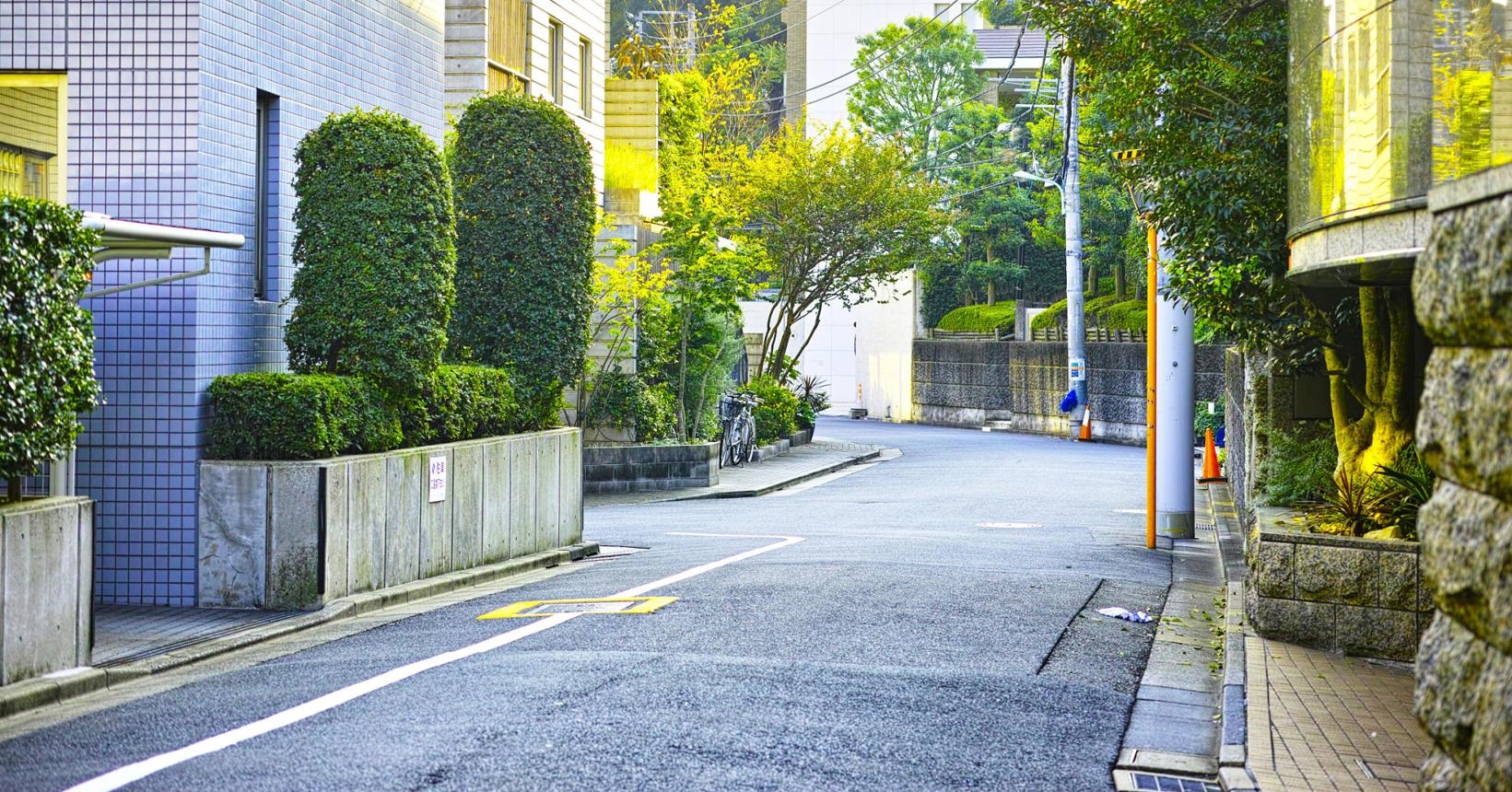
Luxury real estate is about more than expensive finishes, impressive buildings, or prestigious addresses. For many buyers, true luxury means privacy, thoughtful architecture, comfortable living spaces, and an environment that feels completely removed from everyday stress.
AMOMA represents this approach through a collection of boutique luxury residential developments in Japan. Its best-known project, AMOMA Hiroo, brings contemporary Japanese architecture, European interior design, and carefully planned landscaping together in one of Tokyo’s established upscale neighborhoods.
Rather than emphasizing oversized buildings or highly visible luxury features, the development focuses on personal space, elegant materials, and a quieter residential experience.
For American readers interested in international real estate, Japanese architecture, or premium interior design, AMOMA offers an interesting example of how residential spaces can combine modern convenience with traditional design principles.
The project also demonstrates the importance of collaboration between architects, interior designers, landscape specialists, and property developers.
This guide explores AMOMA’s residential concept, the distinctive features of its Hiroo development, the design professionals involved, and the lessons homeowners can take from contemporary Japanese luxury architecture.
What Is AMOMA?
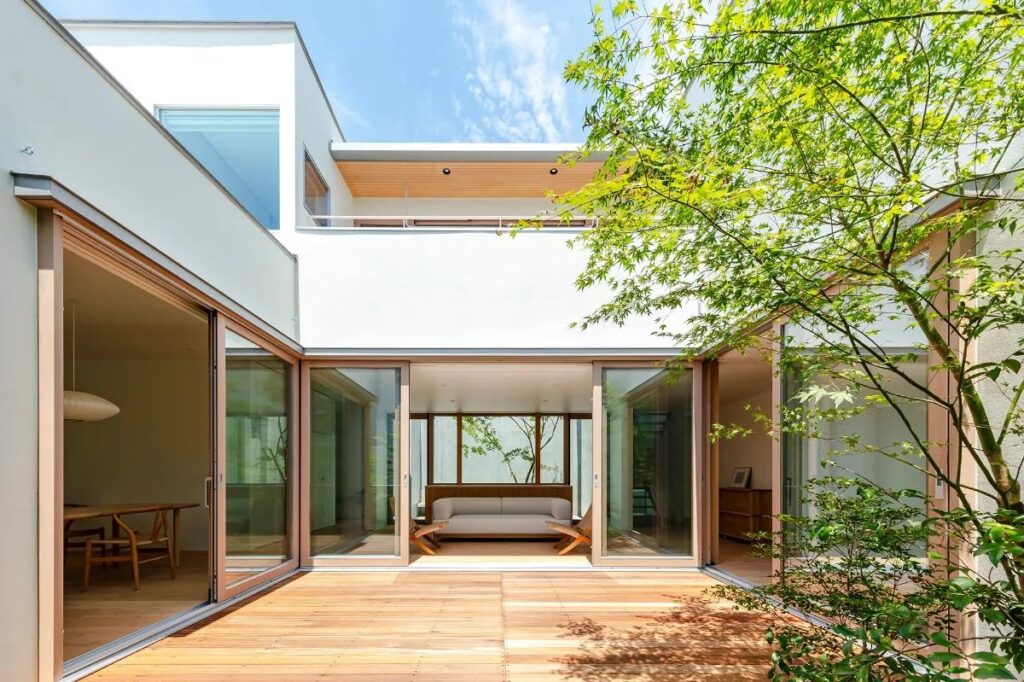
AMOMA is a boutique luxury residential property brand associated with Hong Kong-based developer Fuin Properties.
Its residential projects combine contemporary architectural design with a focus on privacy, carefully selected materials, and personalized living experiences.
The brand has been associated with developments in Tokyo’s Hiroo and Minami Azabu neighborhoods, as well as the coastal city of Atami.
The Philosophy Behind AMOMA
A central idea behind the brand is creating a private sanctuary within a busy urban environment.
Its design identity has been described through the concept of “The Space In-Between,” which explores the transition from an active public environment to a peaceful private residence.
Rather than treating luxury as decoration alone, the concept emphasizes atmosphere, comfort, and the relationship between people and their surroundings.
Who Developed the Project?
Fuin Properties developed the AMOMA residential concept.
The company collaborated with established architecture, interior design, and landscape specialists to create distinct residential environments.
These partnerships helped produce buildings that combine Japanese design influences with international approaches to luxury living.
AMOMA Hiroo: An Exclusive Residential Development
One of the most recognized developments associated with the brand is AMOMA Hiroo, a luxury residential project in Tokyo, Japan.
The development was introduced around 2020–2021 and received coverage in international architecture, lifestyle, and luxury property publications.
An Intimate Collection of Residences
AMOMA Hiroo was designed as a private development containing seven two-story townhouse residences.
Unlike large condominium towers, the project emphasizes a limited number of homes within an enclosed residential environment.
This arrangement supports a more intimate architectural atmosphere.
The original project coverage described homes ranging from approximately 3,100 to 4,000 square feet.
These figures are historical project descriptions rather than a statement about current property availability.
Privacy Within Central Tokyo
The project uses an understated entrance and enclosed layout to create separation from surrounding urban activity.
Inside, carefully organized residential spaces connect with landscaped courtyards and thoughtfully selected interior materials.
This arrangement reflects a familiar principle in Japanese residential architecture: privacy does not necessarily require complete isolation.
Instead, careful planning can create a sense of retreat even within a major city.
Why Hiroo Is an Attractive Tokyo Neighborhood
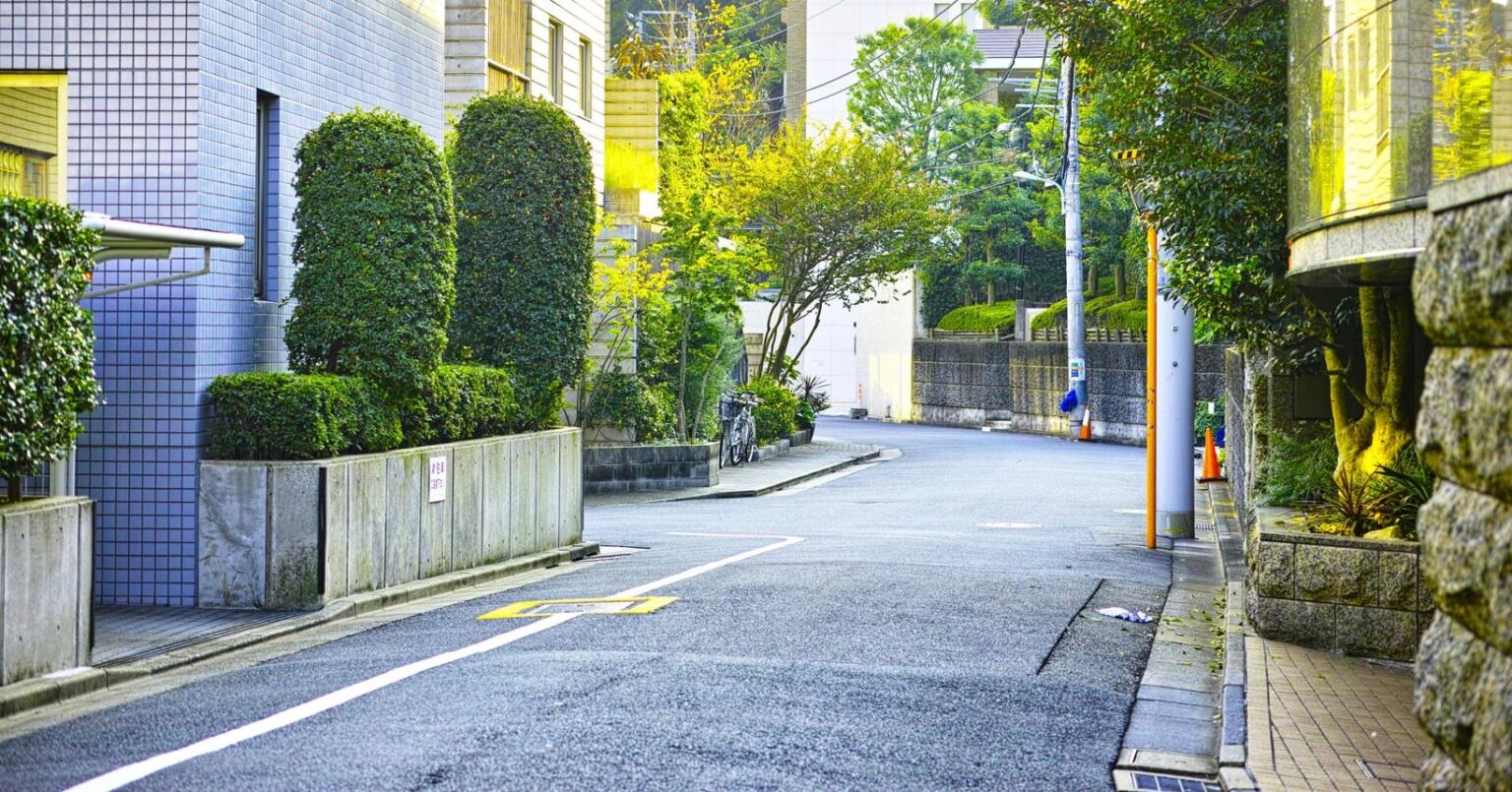
Hiroo is an established residential district associated with international communities, embassies, restaurants, and convenient access to central Tokyo.
Its environment combines urban amenities with quieter residential streets.
A Cosmopolitan Setting
Hiroo attracts attention because of its location within Tokyo and its connections to international institutions and residential communities.
The surrounding area includes a mixture of housing, dining destinations, educational institutions, and neighborhood services.
For international buyers, understanding this local environment is an important part of evaluating a property.
Urban Convenience and Privacy
Luxury residential developments in large cities must balance accessibility with comfort.
A central location may offer convenient connections to restaurants and business districts, but traffic and city noise can affect everyday living.
AMOMA Hiroo’s enclosed architectural approach illustrates how private residential design can respond to these competing conditions.
Evaluating the Neighborhood
American buyers considering Tokyo real estate should research transportation, healthcare, nearby amenities, property access, and daily living requirements.
Visiting the neighborhood at different times can provide a better understanding of local conditions.
The suitability of any residence depends on personal circumstances rather than neighborhood reputation alone.
Japanese Architecture Meets International Luxury
One of AMOMA’s distinctive characteristics is its combination of Japanese architectural influences with European interior design.
Contemporary Japanese Minimalism
Japanese-inspired residential architecture often emphasizes proportion, material quality, natural light, and carefully controlled spatial relationships.
At AMOMA Hiroo, these principles appear in the project’s clean architectural lines, restrained color palette, and carefully composed interiors.
The result is an environment where architectural details support the overall atmosphere without overwhelming it.
Natural Materials and Refined Finishes
Project coverage describes the use of oak wood, glass, stone, and patinated bronze.
These materials create contrasts between smooth surfaces, natural textures, and carefully crafted details.
Material selection also affects how rooms feel throughout the day as daylight changes.
Blending Eastern and Western Design
The residences reflect a collaboration between Japanese and European design practices.
Instead of reproducing a traditional Japanese house, the project interprets aspects of Japanese spatial thinking within contemporary luxury homes.
This allows the interiors to feel both internationally sophisticated and connected to their location.
The Creative Teams Behind AMOMA Hiroo
Successful luxury architecture often involves collaboration between specialists with complementary expertise.
Wonderwall and Masamichi Katayama
Tokyo-based design firm Wonderwall, led by designer Masamichi Katayama, contributed to the architectural and interior concepts of AMOMA Hiroo.
Wonderwall is known for developing distinctive environments across residential, retail, and hospitality design.
Its involvement brought attention to spatial organization, material relationships, and the overall residential experience.
Liaigre Interior Design
French interior design house Liaigre contributed furnishings and interior styling.
The brand is associated with understated elegance, refined proportions, and sophisticated natural materials.
Within AMOMA Hiroo, its design approach complements the architectural restraint of the buildings.
Sora Botanical Garden Project
Japanese landscape specialist Sora Botanical Garden Project, associated with plant specialist Seijun Nishihata, contributed to the landscape concept.
The project integrates vegetation into communal and private courtyard environments.
This collaboration demonstrates how planting design can become an essential architectural element rather than a finishing decoration.
Private Courtyard Gardens and Indoor-Outdoor Living
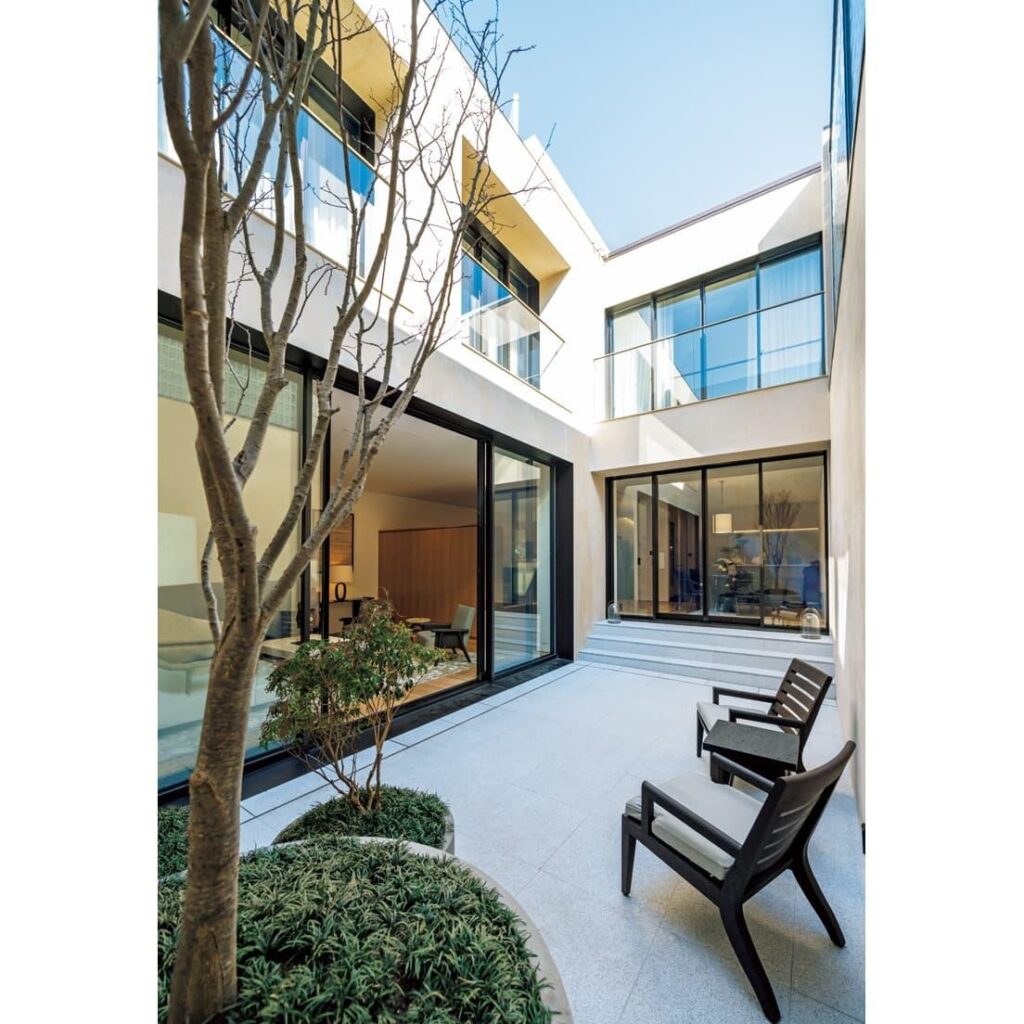
Courtyard gardens are among the most memorable design features of AMOMA Hiroo.
The Importance of Tsubo-Niwa
A tsubo-niwa is a compact Japanese courtyard garden that introduces natural elements into limited spaces.
These gardens can provide views of vegetation, daylight, and seasonal changes from within a building.
AMOMA Hiroo’s original project description identifies private courtyard gardens as part of its residential design.
Creating Calm Through Landscaping
Plants, stone surfaces, controlled lighting, and carefully positioned openings contribute to the feeling of a private retreat.
Even a small garden can create a visual focal point within a home.
For American homeowners, this approach offers inspiration for compact patios, townhouses, and urban properties.
Connecting Interior and Exterior Spaces
Large windows and sliding glass doors can strengthen the relationship between living areas and outdoor spaces.
However, practical design should also account for privacy, weather exposure, drainage, and energy performance.
The goal is to create comfortable connections rather than simply maximizing the amount of glass.
Luxury Interior Features at AMOMA Hiroo
The residential interiors emphasize comfort, materials, and spatial flow.
Carefully Designed Living Rooms
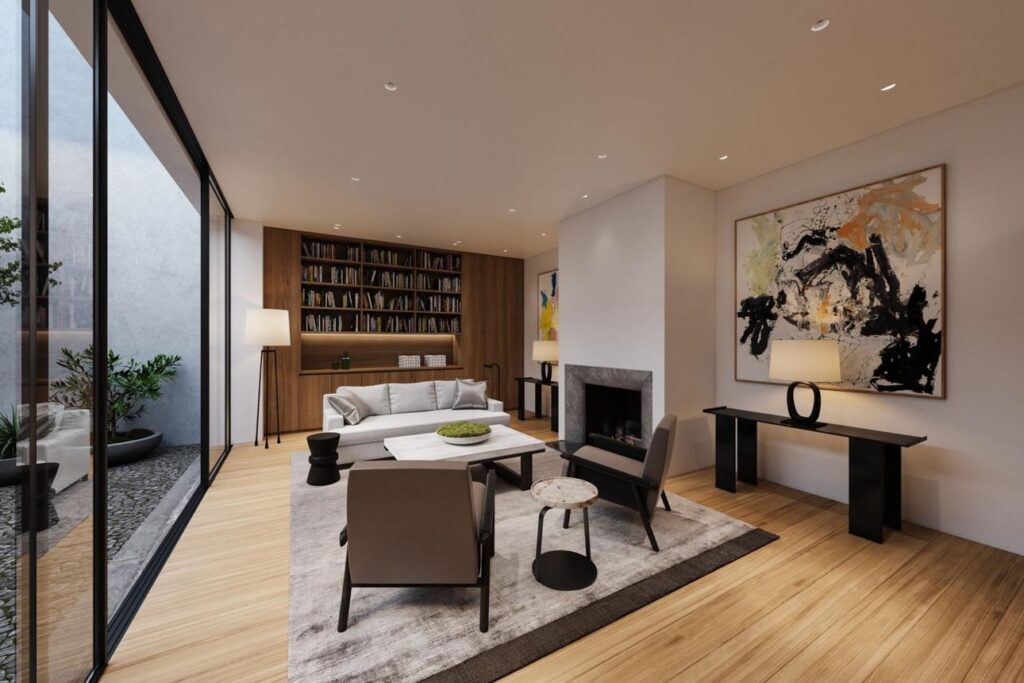
Project photography shows living spaces with neutral furnishings, warm wood surfaces, natural textures, and carefully chosen artwork.
Rather than using excessive decoration, the interiors rely on balanced proportions and coordinated materials.
This approach allows individual furniture pieces and architectural details to stand out.
Kitchens and Dining Areas
Luxury kitchens must combine appearance with everyday usability.
Historical coverage of AMOMA Hiroo describes customizable Bulthaup kitchen arrangements among the project’s features.
This reflects a design approach in which kitchens are integrated into the overall residential experience.
Specific configurations should not be assumed to apply to every home.
Bedrooms and Private Retreats
Bedroom design emphasizes privacy, comfortable proportions, and restrained materials.
Soft lighting, carefully selected furnishings, and thoughtful storage can create a restful atmosphere.
These ideas are relevant to homeowners planning renovations, even without a luxury property budget.
Personalized Services and the AMOMA Lifestyle Concept
AMOMA Hiroo was originally promoted with a range of personalized residential services.
Concierge and Household Assistance
Historical promotional materials described concierge support, housekeeping arrangements, private chefs, personal trainers, and other tailored services.
These offerings positioned the development as a hospitality-inspired residential experience.
Premium Transportation Experiences
Original marketing coverage also described chauffeur-driven Rolls-Royce transportation and an associated VistaJet membership benefit.
These features were part of the development’s historical promotional positioning.
They should not be interpreted as verified services currently available to residents or prospective buyers.
The Value of Personalized Living
The broader concept illustrates how luxury residential marketing increasingly connects physical design with convenience and individual preferences.
However, buyers should distinguish permanent property features from optional, promotional, or time-limited services.
AMOMA and the Future of Boutique Luxury Real Estate
Smaller residential developments can offer a different experience from large luxury condominium buildings.
Limited-Scale Residential Design
A boutique development allows architects to focus on a closely coordinated collection of homes.
Rather than repeating hundreds of identical layouts, designers may have more opportunities to create distinct spaces.
Attention to Detail
Smaller luxury projects often emphasize carefully selected finishes, landscaping, and furnishings.
However, project size alone does not guarantee superior construction quality.
Independent evaluation remains essential for any property purchase.
Privacy as a Design Priority
In dense cities, privacy can be created through courtyards, walls, controlled entrances, window placement, and landscaping.
These techniques may offer valuable lessons for residential projects in American metropolitan areas.
What American Homeowners Can Learn From AMOMA
Not everyone needs an international luxury townhouse to appreciate thoughtful architectural design.
Choose Materials With Purpose
Instead of combining numerous decorative finishes, select a consistent range of materials.
Natural wood, stone, and complementary fabrics can create a cohesive interior.
Make Natural Light Part of the Design
Window placement, room arrangement, and surface finishes affect how light enters a home.
Thoughtful daylight planning can make modest spaces feel more welcoming.
Design for Privacy
Consider landscaping, window treatments, fences, and room placement when improving residential privacy.
These changes should comply with local rules and existing property conditions.
Create Meaningful Outdoor Spaces
A small courtyard, garden, or patio can become an extension of indoor living areas.
Comfort, accessibility, drainage, and maintenance should guide the design.
What to Consider Before Buying Luxury Property in Japan
American citizens interested in Japanese residential property should investigate both the building and the legal transaction process.
Understand Ownership and Documentation
Foreign buyers may be able to acquire Japanese real estate, but property acquisition can involve registration, reporting, tax, and other legal requirements.
Eligibility and obligations depend on the circumstances.
Consult qualified Japanese real estate and legal professionals before committing to a purchase.
Evaluate Total Ownership Costs
Beyond the purchase price, buyers should consider applicable taxes, legal fees, registration expenses, property maintenance, and ongoing management arrangements.
Currency exchange rates can also affect the cost for American purchasers.
Confirm Current Availability
Historical articles about luxury developments do not establish whether a particular home remains available.
The AMOMA Hiroo project received substantial publicity in 2020 and 2021, but its current inventory and transaction prices were not independently verified.
Buyers should request current documentation through authorized property representatives.
Frequently Asked Questions About AMOMA
1. What is AMOMA?
AMOMA is a luxury residential property brand associated with Hong Kong-based developer Fuin Properties, featuring boutique residential developments in Japan.
2. Where is AMOMA Hiroo located?
AMOMA Hiroo is located in Tokyo’s upscale Hiroo neighborhood, an established residential area associated with international institutions and urban amenities.
3. How many residences are in AMOMA Hiroo?
Published project descriptions identify seven two-story townhouse residences within the development.
4. Who designed AMOMA Hiroo?
The project involved Tokyo-based Wonderwall, French interior design house Liaigre, and Japanese landscape specialist Sora Botanical Garden Project.
5. What makes AMOMA Hiroo distinctive?
Its boutique scale, landscaped courtyards, natural materials, privacy-focused architecture, and coordinated design approach distinguish the project.
6. Does AMOMA offer concierge services?
Historical promotional materials described concierge and personalized household services. Current service availability and contractual conditions require direct confirmation.
7. Can Americans purchase luxury property in Japan?
Foreign buyers may be eligible to purchase Japanese real estate. However, legal, financial, registration, and tax requirements should be reviewed with qualified local professionals.
8. Are AMOMA Hiroo residences currently for sale?
Current inventory and asking prices could not be independently confirmed. Interested buyers should contact an authorized representative for updated information.
Conclusion
AMOMA offers an interesting example of how contemporary luxury real estate can combine Japanese architectural principles, international interior design, and carefully organized outdoor spaces.
Its Hiroo development demonstrates an approach where privacy, materials, spatial relationships, and everyday comfort shape the residential experience.
The collaboration between Wonderwall, Liaigre, and Sora Botanical Garden Project highlights the value of bringing architecture, interiors, and landscaping together from the beginning of a project.
For American readers, AMOMA provides inspiration for creating more thoughtful living spaces, whether through natural materials, private gardens, restrained interiors, or improved connections between indoor and outdoor areas.
While current property availability and historical promotional services require verification, the development remains a useful architectural case study in understated luxury, residential privacy, and modern Japanese design.

Written by Twastia Editorial Team
Twastia Editorial Team shares practical insights about website design, SEO services, Google Ads, content marketing, social media, conversion rate optimization, and digital marketing strategy.
Last updated: Oct 27, 2026
Related posts from Twastia
Explore more useful articles from twastia.com about digital marketing, SEO, websites, ads, content, and growth strategy.