Roller garage doors: Best Guide to Styles & Installation
Roller Garage Doors: Best Guide to Features, Benefits, Installation, and Maintenance A garage door is one of the most noticeable […]
A garage door is one of the most noticeable features of a home’s exterior. It influences curb appeal, convenience, security, and how effectively homeowners use their garage space. Choosing the right design can make everyday routines easier while improving the overall appearance of a property.
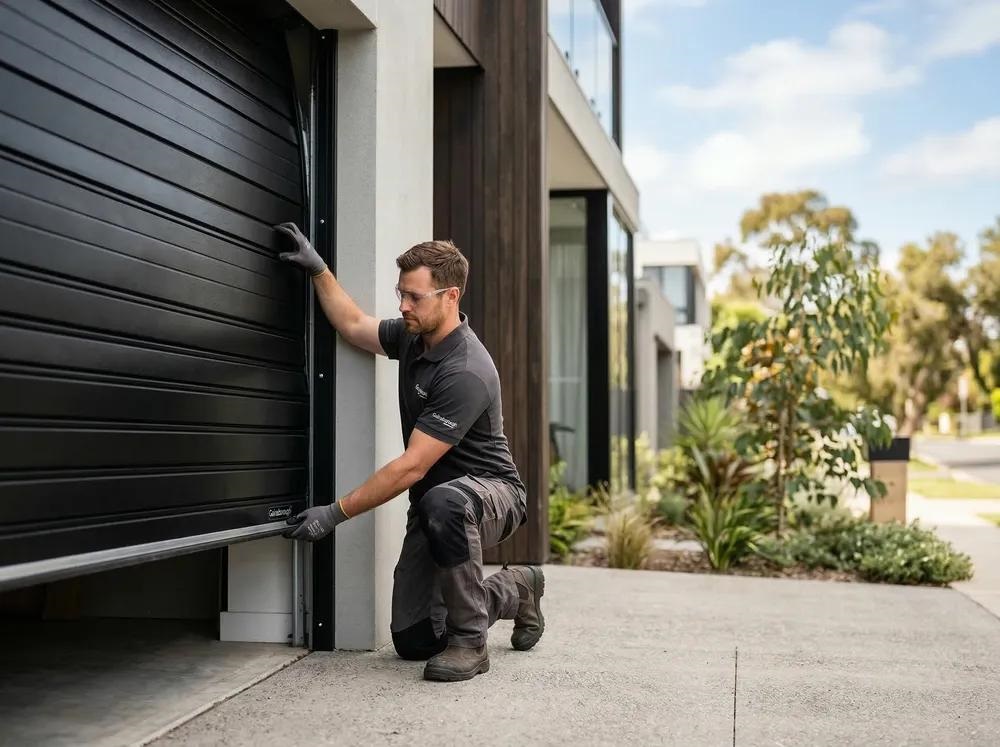
Roller garage doors have become an attractive alternative to traditional overhead and sectional doors. Instead of swinging outward or moving along ceiling-mounted tracks, these doors open vertically and roll into a compact housing above the garage entrance.
This space-saving operation makes them particularly useful for garages with limited driveway space, low ceilings, or overhead storage requirements.
Modern models may also feature electric motors, remote controls, insulation, integrated safety devices, and smart home connectivity.
However, choosing a suitable roller door involves more than selecting a color. Materials, wind resistance, installation requirements, security features, and ongoing maintenance all affect performance.
This guide explains how roller garage doors work, their advantages, common designs, installation considerations, pricing factors, and practical maintenance tips for homeowners across the United States.
What Are Roller Garage Doors?
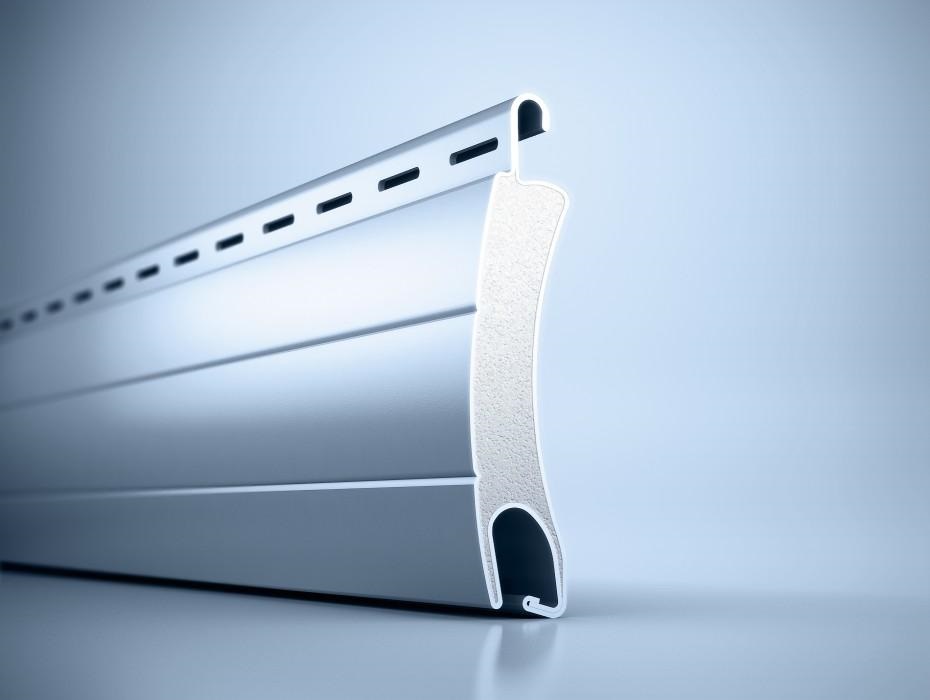
Roller garage doors are garage entrance systems made from connected horizontal slats or similar rolling curtain materials.
When opened, the door moves vertically along side guides and coils around a shaft positioned above the entrance.
This operation differs from conventional sectional garage doors, which normally move upward and then travel horizontally along ceiling tracks.
How Do Roller Garage Doors Work?
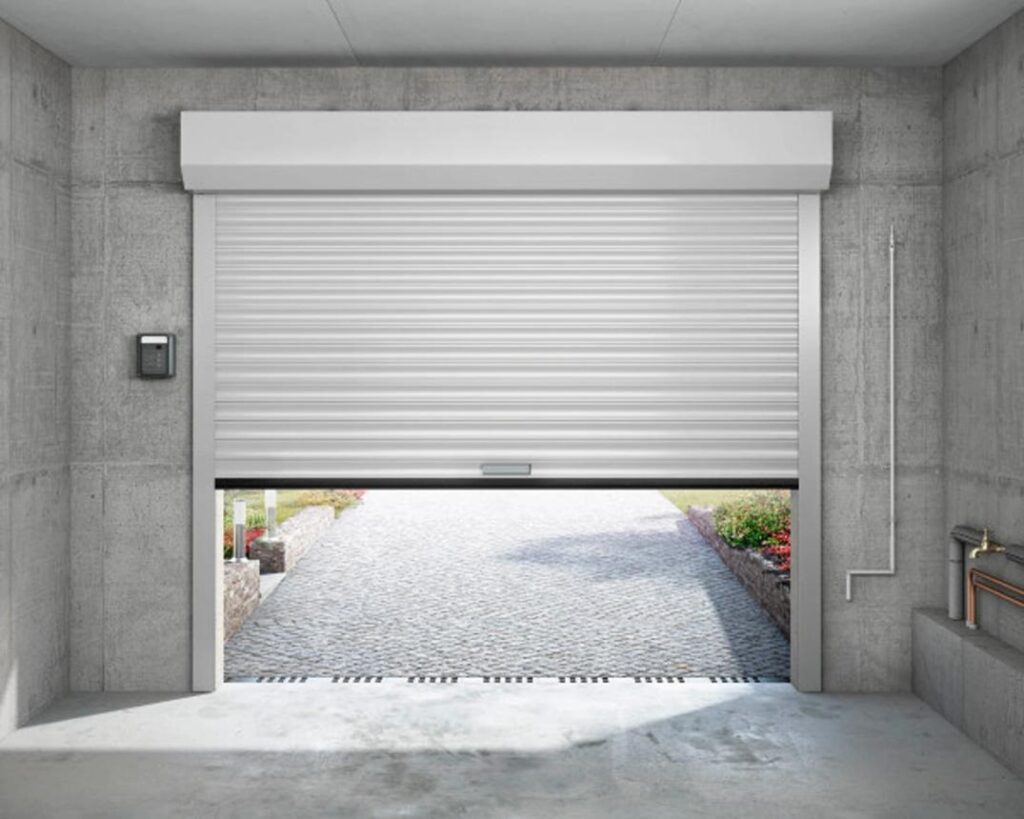
A typical roller garage door includes a curtain of interconnected slats, vertical guide tracks, a rolling mechanism, and a manual or powered operating system.
When activated, the curtain rises and wraps around the overhead barrel.
As the door closes, the slats descend through the side guides until the entrance is secured.
The specific mechanisms vary depending on the manufacturer, door size, material, and intended application.
Residential and Commercial Applications
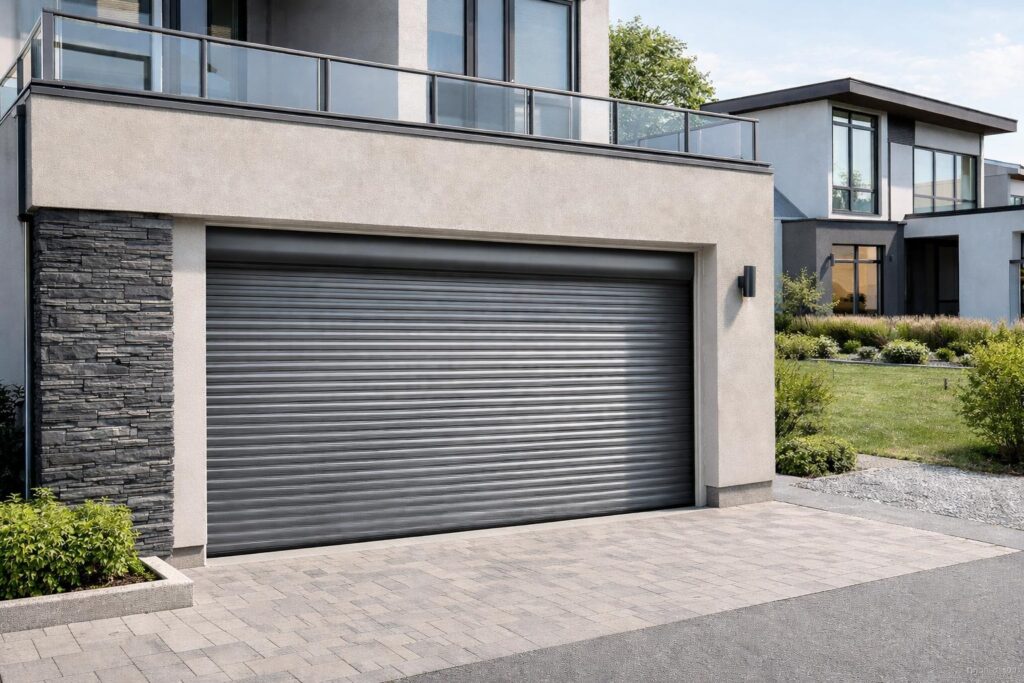
Rolling doors are commonly associated with warehouses, storage facilities, and commercial buildings.
However, specialized residential designs can also suit private garages.
Homeowners should select a product intended for residential use rather than assuming any commercial rolling shutter will meet household requirements.
Benefits of Roller Garage Doors for Homeowners
Roller doors provide several practical advantages, particularly when space and convenience are priorities.
Space-Saving Operation
One of their most significant benefits is the compact opening mechanism.
Unlike traditional outward-swinging doors, roller systems do not require additional driveway space in front of the garage.
They can also free up ceiling space that might otherwise be occupied by sectional door tracks.
This arrangement may provide more flexibility for overhead lighting, shelving, or storage.
Convenient Daily Access
Automatic doors allow homeowners to operate the garage entrance using compatible remote controls or wall-mounted switches.
This can be particularly convenient during rain, cold weather, or frequent vehicle use.
Some models also support smartphone controls, depending on their automation systems.
Modern Exterior Appearance
Horizontal slats create a clean, organized appearance suitable for contemporary properties.
Powder-coated finishes and wood-inspired colors offer opportunities to coordinate the door with exterior siding, windows, and trim.
A well-chosen finish can contribute to a more cohesive home exterior.
Potential Security Benefits
Certain roller door designs include reinforced guide channels, motor-operated locking features, and optional alarms.
These features may help resist some unauthorized entry attempts.
However, security performance varies, and no garage door should be considered completely burglar-proof.
Different Types of Roller Garage Doors
Several designs are available, each with advantages for particular applications.
Manual Roller Garage Doors
Manual versions operate without a powered motor.
They may be suitable for smaller openings or garages used less frequently.
However, ease of operation depends on door weight, counterbalancing, and construction.
Electric Roller Garage Doors
Electric systems use a motor to raise and lower the door.
Many include handheld remotes, wall controls, and emergency manual operation.
Automatic operation requires suitable safety devices and proper installation.
Insulated Roller Garage Doors
Insulated models commonly use double-skinned metal slats containing a foam core.
These products may help reduce heat transfer compared with certain uninsulated designs.
However, complete thermal performance also depends on air leakage, the garage structure, and installation quality.
Custom-Made Roller Doors
Custom doors are manufactured to fit particular opening dimensions.
They can be useful for garages with unusual widths, heights, or architectural constraints.
Professional measurements are important to ensure appropriate clearance and operation.
Roller Garage Doors vs. Sectional Garage Doors
Both systems provide overhead access, but their opening methods and design requirements differ.
Space Requirements
Sectional doors typically need horizontal tracks extending into the garage.
Roller doors coil into a compact housing above the opening.
For homeowners with overhead storage requirements, a roller design may offer more usable ceiling space.
Insulation and Energy Performance
Insulated options are available in both categories.
However, a foam-filled roller door should not automatically be assumed to match the thermal performance of a high-insulation sectional door.
The Door & Access Systems Manufacturers Association explains that rolling and sectional door designs can differ in air infiltration and thermal characteristics.
Compare verified product ratings instead of relying only on marketing descriptions.
Maintenance and Repair
Sectional doors use multiple hinged panels and track components.
Rolling systems use flexible curtains, guide tracks, and coiling mechanisms.
Repair complexity depends on the model and damaged components.
Qualified technicians should handle repairs involving stored mechanical energy or powered systems.
RDC Roller Garage Doors: A Product Example
Homeowners researching Roller garage doors can explore the product range advertised by RDC, a United Kingdom-based rolling garage door supplier associated with Sentry Rolling Doors.
Its website describes made-to-measure residential systems with remote operation, insulated aluminum construction, and several finish options.
Insulated Aluminum Slats
RDC describes its roller garage doors as using double-skinned, foam-insulated aluminum slats.
The company also advertises polyester powder-coated finishes in multiple colors.
This type of construction illustrates how modern roller doors combine an attractive exterior with an integrated insulating material.
Remote Control Operation
According to the supplier, its automatic doors include handheld remote controls.
The advertised system also provides manual override functionality for power interruptions.
A separate external override may be appropriate when the garage has no alternative entrance.
Safety and Smart Controls
RDC advertises an obstruction-detection feature called light curtaining.
Its website also describes optional smart-device and voice-based controls.
These details are specific to the advertised product range and should not be assumed to apply to every roller door.
Important Information for U.S. Buyers
RDC and Sentry Rolling Doors primarily advertise services within the United Kingdom.
U.S. shipping, professional installation, code compliance, and local support have not been established.
American homeowners should use the product as a reference for comparing features while confirming that any selected door satisfies their local requirements.
Materials Used in Roller Garage Doors
Material selection influences appearance, weight, security, and maintenance.
Aluminum Roller Garage Doors
Aluminum is commonly used for certain residential rolling doors because of its relatively light weight and corrosion-resistant characteristics.
Manufacturers may apply powder-coated finishes for additional surface protection.
The actual strength depends on the alloy, profile, thickness, and assembly design.
Steel Roller Garage Doors
Steel rolling doors are common in industrial and commercial settings.
Certain residential applications also use steel products.
Appropriate protective coatings are important because exposed steel can corrode.
Insulated and Uninsulated Construction
Foam-filled slats may offer better thermal performance than certain uninsulated alternatives.
However, homeowners should review tested insulation values, weather seals, and overall assembly performance.
The correct choice depends on climate, garage use, and the relationship between the garage and conditioned living areas.
How to Choose the Right Roller Garage Door
Selecting an appropriate system requires evaluating the entire garage opening.
Measure the Opening
Record the approximate width and height for preliminary planning.
A professional installer should confirm measurements, side clearance, overhead space, and mounting conditions before ordering.
Consider Your Climate
Coastal properties may benefit from suitable corrosion-resistant components.
Homes in hurricane-prone areas may need doors with documented wind-load ratings meeting applicable building codes.
Cold-climate homeowners may prioritize insulation and weather sealing.
Evaluate Safety Features
Look for compatible obstruction detection, appropriate reversing protection, secure controls, and emergency operation.
Confirm that powered residential equipment meets applicable U.S. safety requirements.
Select an Appropriate Color
Neutral finishes such as white, gray, charcoal, and black work with many architectural styles.
Wood-look finishes may complement traditional properties.
Request actual samples when possible because screen colors can differ from physical materials.
Understanding Roller Garage Door Installation
Correct installation is essential for reliable performance and safe operation.
Preparing the Garage Opening
The installer should examine the surrounding walls, supports, and mounting surfaces.
Any structural deterioration should be addressed before installation.
Installing Guides and the Rolling Assembly
Guide tracks must be positioned and secured according to the manufacturer’s specifications.
The rolling mechanism requires suitable support and clearance.
Improper alignment can cause binding, uneven movement, and premature wear.
Connecting the Motor and Controls
Powered doors require appropriately installed electrical equipment.
Qualified professionals should complete electrical connections and configure the operating system.
Testing Safety Systems
Before handover, the installer should demonstrate normal operation, obstruction detection, and the emergency release or override procedure.
Owners should receive appropriate operating and maintenance instructions.
How Much Do Roller Garage Doors Cost?
Costs vary considerably depending on the product and installation requirements.
Important Price Factors
The total expense may depend on:
- Garage opening dimensions
- Door material and slat construction
- Insulation and weather sealing
- Motor and remote control options
- Smart home accessories
- Wind-load requirements
- Installation labor and electrical work
- Removal of an existing garage door
Custom sizes and unusual mounting conditions may increase the project cost.
Comparing Installation Quotes
Request detailed written estimates from qualified local installers.
Check whether the quote includes materials, labor, safety equipment, disposal, taxes, and warranty coverage.
Avoid comparing prices without understanding the included services.
Long-Term Ownership Expenses
Consider electricity use, regular inspection, replacement components, and occasional professional servicing.
The cheapest initial installation is not necessarily the most economical over time.
Garage Door Safety and Security Considerations
Garage door safety is especially important because moving doors can cause serious injuries.
Obstruction Detection
Powered residential doors require appropriate safety protection.
Depending on the system, protection may involve monitored photoelectric sensors, sensing edges, or other approved devices.
Follow manufacturer procedures for checking these systems.
Emergency Operation
Understand how to operate the door during a power outage.
Some systems use a manual winding mechanism, while others provide different emergency arrangements.
Never attempt an unfamiliar release procedure while the door is damaged or unstable.
Preventing Unauthorized Access
Review the locking system, remote control security, guide construction, and optional monitoring features.
Smart-device access should use strong account security and current software.
Roller Garage Door Maintenance Tips
Routine care supports smoother operation and helps identify problems early.
Clean the Door Surface
Remove loose dust and dirt using cleaning products approved by the manufacturer.
Avoid abrasive materials that could damage the finish.
Inspect the Guide Tracks
Check for visible debris, damage, or obstructions.
Do not place hands inside moving tracks or attempt adjustments while the equipment operates.
Watch for Unusual Movement
Grinding noises, jerky motion, or uneven travel may indicate mechanical problems.
Stop using the door and contact a qualified technician if operation appears unsafe.
Schedule Professional Service
Ask the manufacturer or installer about recommended inspection intervals.
Maintenance requirements vary by model, operating frequency, and environmental exposure.
Common Mistakes When Buying Roller Garage Doors
Choosing Appearance Over Performance
An attractive finish is important, but structural suitability, safety, and proper installation deserve greater attention.
Ignoring Wind Ratings
In exposed regions, an inadequately rated garage door can become a serious vulnerability during storms.
Verify local requirements before purchasing.
Overlooking Emergency Access
A garage without another entrance may need an appropriate external manual operation arrangement.
Discuss this before installation.
Attempting Unsafe Repairs
Rolling mechanisms, motors, and counterbalance systems can involve hazardous stored energy.
Leave internal adjustments and major repairs to trained professionals.
Frequently Asked Questions About Roller Garage Doors
1. What are roller garage doors?
They are doors made from connected slats that move vertically and coil into a compact assembly above the garage opening.
2. Are roller garage doors suitable for American homes?
Yes, suitable residential products can be installed in U.S. homes when they meet applicable building, wind-load, electrical, and safety requirements.
3. Are roller garage doors better than sectional doors?
They may offer space-saving benefits, but sectional doors can provide different insulation, design, and service advantages. The right choice depends on the property.
4. Can roller garage doors be insulated?
Yes. Certain models use foam-filled aluminum slats or other insulated constructions. Actual thermal performance varies.
5. Do electric roller garage doors work during power outages?
Many systems include manual override arrangements. The method depends on the model and installation.
6. Are roller garage doors secure?
Some include automatic locking, reinforced guides, and alarms. Security effectiveness depends on the complete installation and product design.
7. How often should roller garage doors be serviced?
Follow the manufacturer’s maintenance schedule. Heavy use, unusual noises, or visible damage may justify earlier professional inspection.
8. Can I install a roller garage door myself?
Professional installation is generally advisable, particularly for powered doors or systems requiring structural, electrical, and safety verification.
Conclusion
Roller garage doors provide a modern solution for homeowners who want convenient access, compact operation, and an attractive garage entrance.
Their vertical opening design can preserve driveway and ceiling space, while optional features such as insulation, remote controls, and smart connectivity improve everyday usability.
However, purchasing the right door requires careful evaluation of materials, structural requirements, safety devices, wind resistance, and installation quality.
Homeowners should compare detailed specifications, request professional measurements, and review the complete cost of installation and maintenance.
Whether replacing an outdated door or planning a new garage, choosing an appropriately designed roller system can help create a practical, secure, and visually coordinated entrance for years to come.

Written by Twastia Editorial Team
Twastia Editorial Team shares practical insights about website design, SEO services, Google Ads, content marketing, social media, conversion rate optimization, and digital marketing strategy.
Last updated: Oct 27, 2026
Related posts from Twastia
Explore more useful articles from twastia.com about digital marketing, SEO, websites, ads, content, and growth strategy.