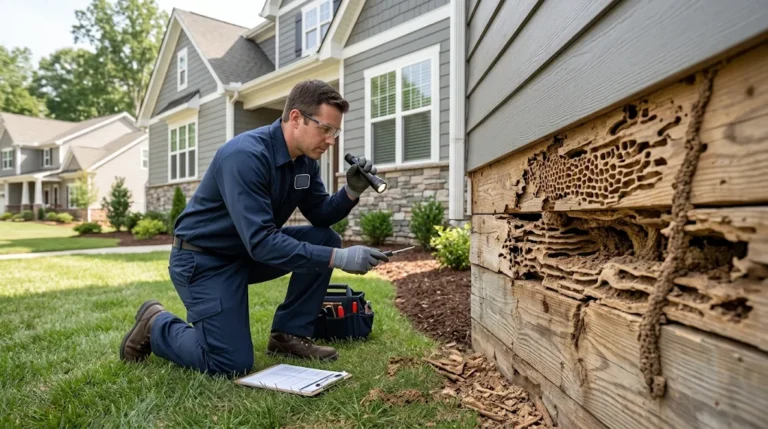
you’ll need a licensed gas fitter to help install your new gas heating system: Best Guide
Installing a new gas heating system is a major home improvement project. Whether you are replacing an aging furnace or […]
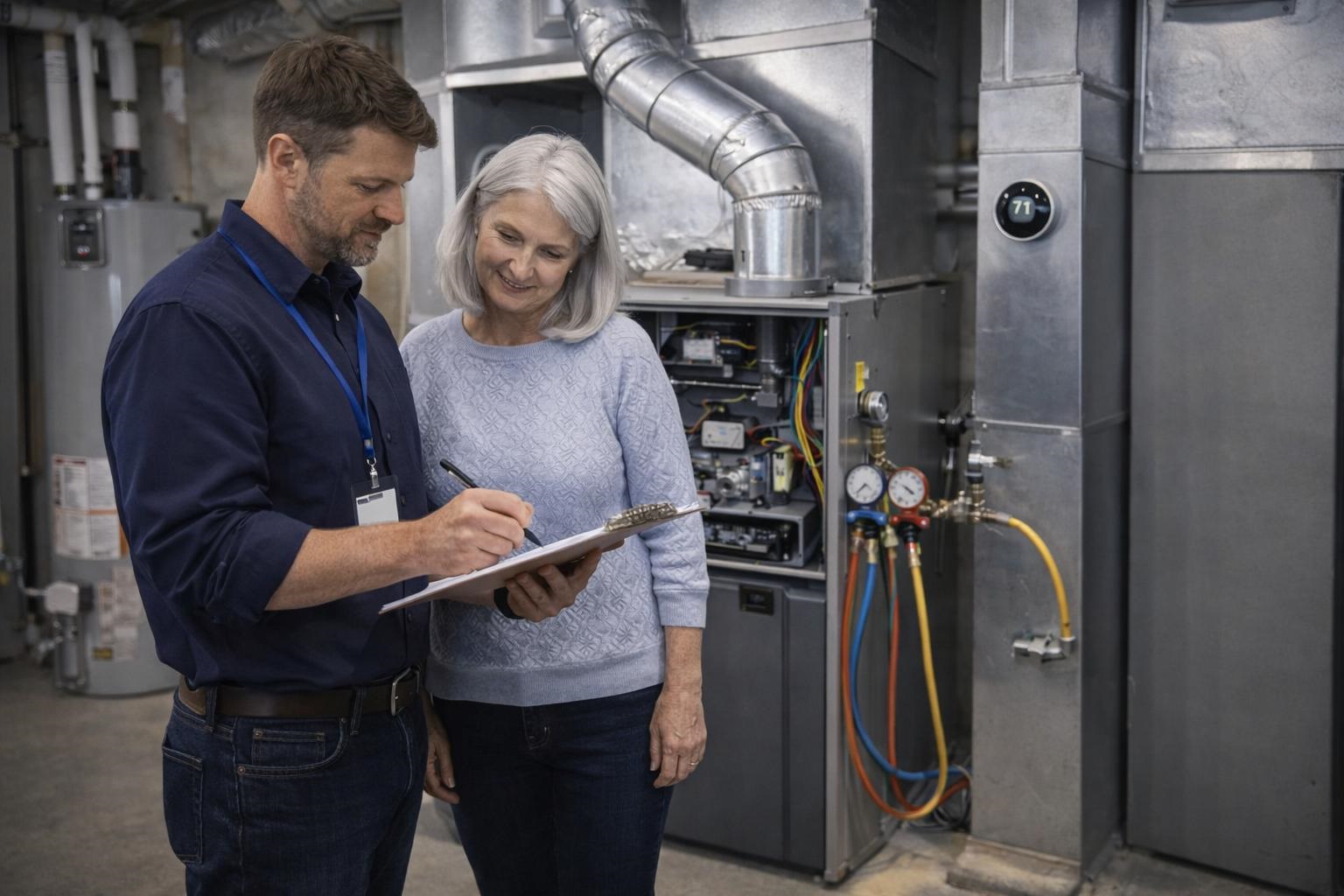
Installing a new gas heating system is a major home improvement project. Whether you are replacing an aging furnace or adding central heating to your property, the equipment must be installed correctly to deliver reliable warmth and operate safely.
A gas heating system involves more than connecting an appliance and switching it on. Fuel supply, ventilation, exhaust systems, electrical controls, and equipment sizing all require professional attention.
That is why you’ll need a licensed gas fitter to help install your new gas heating system, or an appropriately licensed HVAC contractor qualified to perform the work under your local U.S. requirements.
Improper installation can cause gas leaks, carbon monoxide exposure, heating problems, and expensive repairs. Professional installation helps reduce these risks while supporting efficient operation.
For American homeowners, the process also involves permits, inspections, contractor qualifications, and manufacturer instructions.
This guide explains why qualified installation matters, how gas heating systems work, what to expect during installation, and how to select a trustworthy professional.
Why Professional Gas Heating Installation Matters
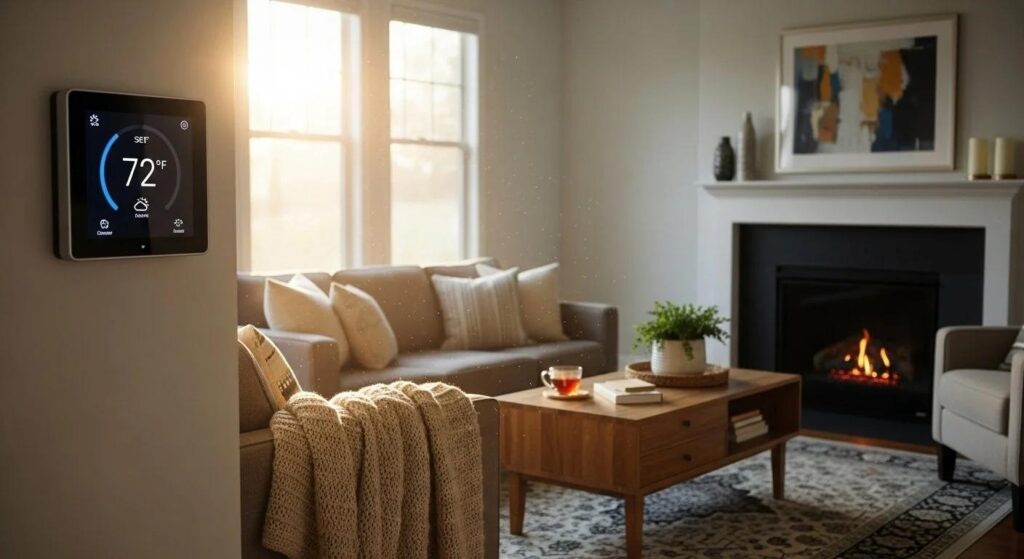
Gas heating equipment burns fuel to produce warmth. Although modern systems include safety controls, safe operation still depends on appropriate installation and maintenance.
Protecting Against Gas Leaks
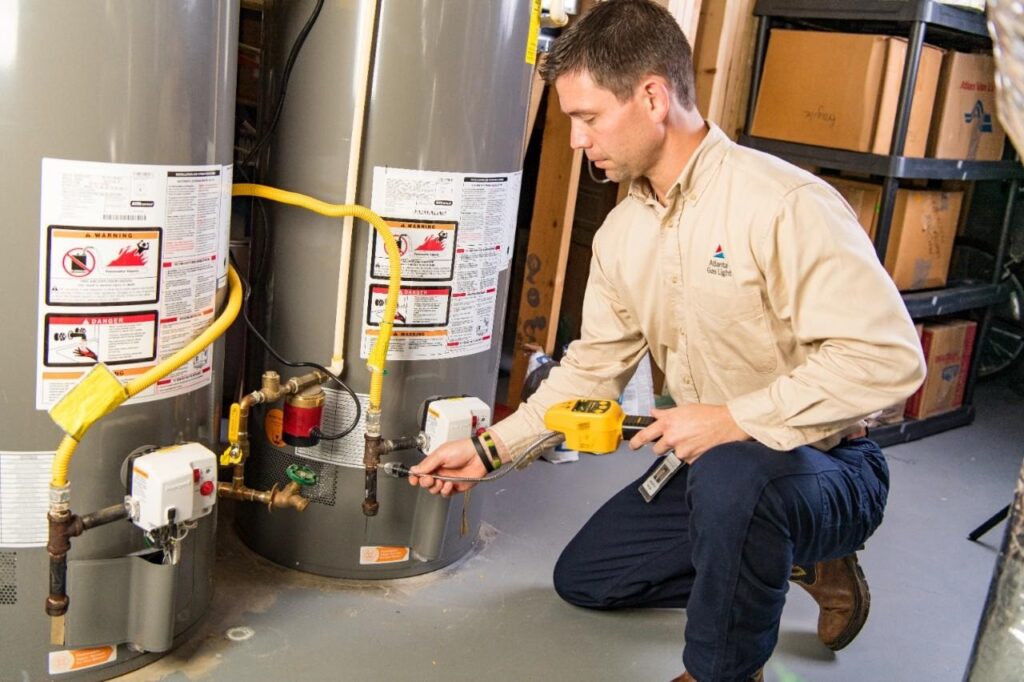
Incorrectly installed or damaged gas connections can release combustible fuel.
A qualified professional evaluates the gas supply, uses approved materials, and performs required testing before the equipment enters service.
Homeowners should never attempt unfamiliar gas piping modifications themselves.
Preventing Carbon Monoxide Problems
Carbon monoxide is an invisible, odorless gas produced when fuels burn.
Unsafe combustion conditions, damaged heat exchangers, or defective venting can allow it to accumulate indoors.
The Centers for Disease Control and Prevention recommends annual servicing of fuel-burning heating equipment by qualified technicians.
Meeting Local Building Requirements
Gas heating installation must meet applicable building, mechanical, fuel gas, and electrical requirements.
Depending on your city or county, permits and inspections may be required.
A qualified contractor can explain the necessary approvals before work begins.
What Does a Licensed Gas Fitter Do?
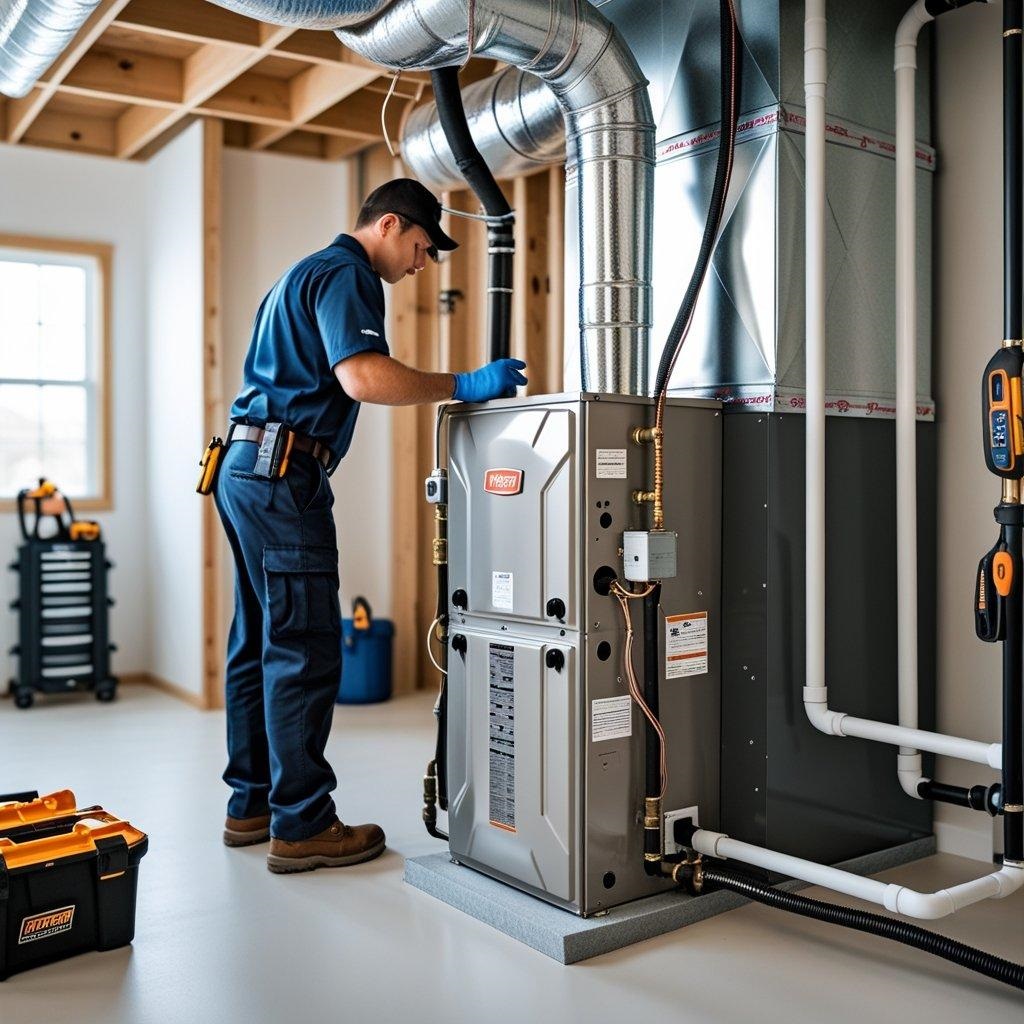
A gas fitter is a tradesperson qualified to work on specified gas piping, connections, and appliances within the scope allowed by their license.
In the United States, the required credentials vary by jurisdiction.
Gas Fitters vs. HVAC Contractors
Some states and cities recognize gas fitter licenses, while others authorize certain gas heating work through plumbing, mechanical, or HVAC contractor licenses.
A professional may need additional credentials for particular electrical or gas piping tasks.
Always verify that the contractor’s license covers the actual work.
Typical Installation Responsibilities
Depending on their qualifications, professionals may assess gas supply capacity, install or modify permitted connections, position equipment, coordinate venting, and perform commissioning tests.
Complex projects may require more than one licensed trade.
Why Credentials Matter
A contractor’s experience should be supported by current authorization to perform the job.
Ask for license details, proof of insurance, and clarification about subcontracted work.
Types of Residential Gas Heating Systems
Different systems distribute heat in different ways.
Forced-Air Gas Furnaces
Gas furnaces heat air and distribute it through ductwork.
They are common in American homes, particularly properties with existing central heating and cooling systems.
Performance depends on furnace sizing, duct condition, airflow, and installation quality.
Gas Boilers
Boilers heat water for hydronic distribution through radiators, baseboards, or compatible radiant floor systems.
These installations involve water circulation, pressure controls, and combustion equipment.
Gas Space Heaters
Certain approved gas heaters provide warmth to individual rooms or zones.
The appropriate installation depends on the heater type, permitted location, and ventilation requirements.
Never substitute an outdoor gas heater for an indoor heating appliance.
Choosing the Right Gas Heating System
Selecting equipment should begin with your home’s heating needs rather than the advertised capacity of a particular model.
Calculate the Heating Load
A professional heating load calculation considers climate, insulation, windows, building size, and other characteristics.
The Air Conditioning Contractors of America publishes Manual J procedures commonly used for residential load calculations.
Simply replacing an old furnace with an identical capacity may repeat an existing sizing problem.
Compare Efficiency Ratings
Gas furnaces use Annual Fuel Utilization Efficiency, or AFUE, to describe how efficiently fuel is converted into usable heat over a typical heating season.
Higher AFUE ratings generally indicate less fuel wasted during operation.
Actual household costs still depend on weather, gas prices, controls, and building conditions.
Review Existing Infrastructure
Your contractor should inspect relevant gas supply, venting, return air, ductwork, and electrical capacity.
These details can affect which replacement models are practical.
What Happens During Gas Heating Installation?
A professional installation normally includes assessment, preparation, equipment fitting, and commissioning.
Step 1: Inspect the Property
The contractor evaluates the existing heating equipment, installation location, utility connections, and safety conditions.
Problems such as damaged ductwork or unsuitable venting may need correction.
Step 2: Confirm Equipment Specifications
The selected system should match household heating demand and comply with manufacturer requirements.
The installer also checks required access and clearances.
Step 3: Obtain Necessary Approvals
Permit requirements differ across U.S. jurisdictions.
Ask who will obtain them and arrange any required inspections.
Step 4: Install the Heating Equipment
Qualified tradespeople remove the old unit when necessary, position the replacement, and complete relevant connections.
Gas piping, electrical work, and venting must be performed within each professional’s authorized scope.
Step 5: Commission and Test
The installer verifies safe operation, combustion performance where applicable, airflow, controls, and required safety functions.
Before handover, homeowners should receive operating instructions and relevant documentation.
Gas Lines, Ventilation, and Exhaust Safety
Gas heating equipment must receive appropriate combustion air and safely discharge combustion products.
Gas Supply Compatibility
A replacement appliance may have different fuel requirements from the previous unit.
The contractor must verify the available gas supply and required connection arrangements.
Correct Venting
Different furnace categories use different vent configurations and materials.
High-efficiency condensing furnaces often have requirements that differ from older conventional systems.
Venting must follow the model’s instructions and applicable codes.
Avoiding Backdrafting
Improper venting or air pressure conditions can interfere with combustion exhaust removal.
Professional assessment is especially important when replacing equipment connected to an existing chimney.
What the Australian Plumbing Reference Teaches
A useful service-provider example appears in this Newcastle, Australia, plumbing guide discussing why you’ll need a licensed gas fitter to help install your new gas heating system.
Fluid Plumbing Services advertises plumbing, gas fitting, hot water, and emergency services across its Newcastle service area.
Professional Gas Fitting Services
The company describes installing, repairing, and maintaining gas lines as part of its plumbing services.
Its website emphasizes qualified tradespeople, upfront pricing, and safety-focused service.
A Different Licensing System
Fluid operates in Australia, where gas fitting qualifications and regulatory arrangements differ from those in the United States.
Its Australian service coverage is not evidence of U.S. contractor licensing or availability.
The Lesson for American Homeowners
The transferable principle is simple: gas-related work requires properly qualified professionals.
In the United States, verify credentials through your state or local licensing authority and choose contractors who understand the equipment being installed.
How Much Does Gas Heating Installation Cost?
The installed cost depends on the specific project.
Equipment and Labor
Furnace or boiler capacity, efficiency, brand, accessibility, and local labor rates can influence the final price.
Replacing an existing system may be simpler than adding heating infrastructure to a home without it.
Additional Work
Gas supply modifications, new venting, electrical changes, duct repairs, and permit fees can increase costs.
Ask for a complete written estimate before authorizing work.
Long-Term Operating Costs
A high-efficiency model may lower fuel use, but savings depend on household conditions.
Compare realistic energy consumption and maintenance needs rather than focusing only on initial purchase price.
How to Choose a Qualified Gas Heating Contractor
A dependable contractor should explain the proposed work clearly.
Verify Licensing and Insurance
Check authorization with the relevant state or municipal licensing authority.
Confirm the company carries appropriate insurance and employs or subcontracts qualified tradespeople.
Request Multiple Quotes
Compare equipment models, installation scope, efficiency ratings, required modifications, and warranty terms.
A low price may exclude important work.
Ask About Load Calculations
A professional should explain how the new heating system’s capacity was determined.
Be cautious about contractors who recommend equipment without evaluating the home.
Review Service Support
Ask about maintenance, future repairs, warranty procedures, and emergency contact arrangements.
Carbon Monoxide and Gas Emergency Safety
Knowing how to respond to a potential emergency is part of responsible homeownership.
Install Carbon Monoxide Alarms
The CDC recommends battery-operated or battery-backup carbon monoxide detectors near sleeping areas.
Follow manufacturer placement instructions and applicable local requirements.
Recognize a Possible Gas Leak
A strong rotten-egg odor, hissing near gas equipment, or a gas utility warning may indicate a leak.
Leave the building immediately. Do not operate switches, appliances, or phones inside the affected area.
Call your gas utility or emergency services from a safe location.
Respond to a Carbon Monoxide Alarm
Move everyone to fresh air immediately and contact emergency services.
Do not reenter until responders confirm it is safe.
Never assume the alarm is malfunctioning.
Maintaining Your New Gas Heating System
Routine maintenance supports reliability and helps detect problems early.
Schedule Annual Servicing
Have qualified professionals inspect fuel-burning heating equipment each year.
The inspection should follow manufacturer guidance and applicable service procedures.
Maintain Airflow
For forced-air systems, inspect or replace filters according to the manufacturer’s instructions.
Keep supply and return registers free from obstructions.
Watch for Warning Signs
Unusual odors, unexplained shutdowns, persistent noises, and inconsistent heating may indicate problems.
Stop using equipment that appears unsafe and request professional assessment.
Keep Installation Records
Save invoices, permit approvals, equipment manuals, and warranty information.
These documents can help with future servicing.
Common Mistakes Homeowners Should Avoid
Attempting DIY Gas Connections
Gas fitting requires technical knowledge, testing equipment, and appropriate authorization.
Leave installation and repairs to qualified professionals.
Choosing an Oversized Furnace
Oversized equipment can operate inefficiently and cause comfort problems.
Require a proper heating load assessment.
Ignoring Ductwork
A new furnace may underperform if existing ducts are damaged, poorly sized, or leaking.
Ask the contractor to examine the distribution system.
Skipping Safety Testing
Installation is not complete until the relevant checks and commissioning procedures have been performed.
Request an explanation of the tests conducted.
Frequently Asked Questions About Gas Heating Installation
1. Do I need a licensed gas fitter to install a new gas heating system?
You generally need an appropriately licensed and qualified professional. The exact license may be for gas fitting, plumbing, mechanical contracting, or HVAC work, depending on local rules.
2. Can I install a gas furnace myself?
DIY gas furnace installation is not advisable. Fuel connections, combustion safety, electrical requirements, and code compliance require qualified expertise.
3. How long does gas furnace installation take?
The timeframe depends on equipment type, existing connections, permit requirements, and modifications. Request a project-specific schedule.
4. Are permits required for gas furnace replacement?
Many jurisdictions require permits or inspections. Contact your local building department or ask your licensed contractor to confirm.
5. What does AFUE mean?
AFUE stands for Annual Fuel Utilization Efficiency. It indicates the proportion of fuel energy converted into useful heating over a typical heating season.
6. Can a gas furnace cause carbon monoxide poisoning?
Yes. Unsafe combustion conditions or defective venting can allow carbon monoxide to accumulate indoors. Proper installation, maintenance, and alarms are essential.
7. How often should a gas heating system be inspected?
The CDC recommends annual professional servicing for fuel-burning heating equipment.
8. Does the linked Australian plumber install gas heating systems in the USA?
The supplied Fluid Plumbing Services page describes gas fitting and other plumbing services in Newcastle, Australia. It does not establish U.S. installation services.
Conclusion
Installing a gas heating system involves important decisions about equipment, safety, efficiency, and professional qualifications.
For most homeowners, you’ll need a licensed gas fitter to help install your new gas heating system, or a properly licensed HVAC or mechanical contractor authorized to perform the work locally.
Professional installation includes more than connecting equipment. Accurate sizing, safe fuel connections, suitable ventilation, code compliance, and commissioning all influence long-term results.
Before scheduling a project, compare qualified contractors, request written estimates, and understand the installation requirements.
With appropriate equipment, professional workmanship, working carbon monoxide alarms, and regular maintenance, homeowners can enjoy dependable heating while reducing avoidable safety risks.

Written by Twastia Editorial Team
Twastia Editorial Team shares practical insights about website design, SEO services, Google Ads, content marketing, social media, conversion rate optimization, and digital marketing strategy.
Last updated: Oct 28, 2026
Related posts from Twastia
Explore more useful articles from twastia.com about digital marketing, SEO, websites, ads, content, and growth strategy.