Rheem installer: Best Guide to Water Heater Installation
A reliable water heater is essential for comfortable daily living. From warm showers and laundry to washing dishes, American households […]
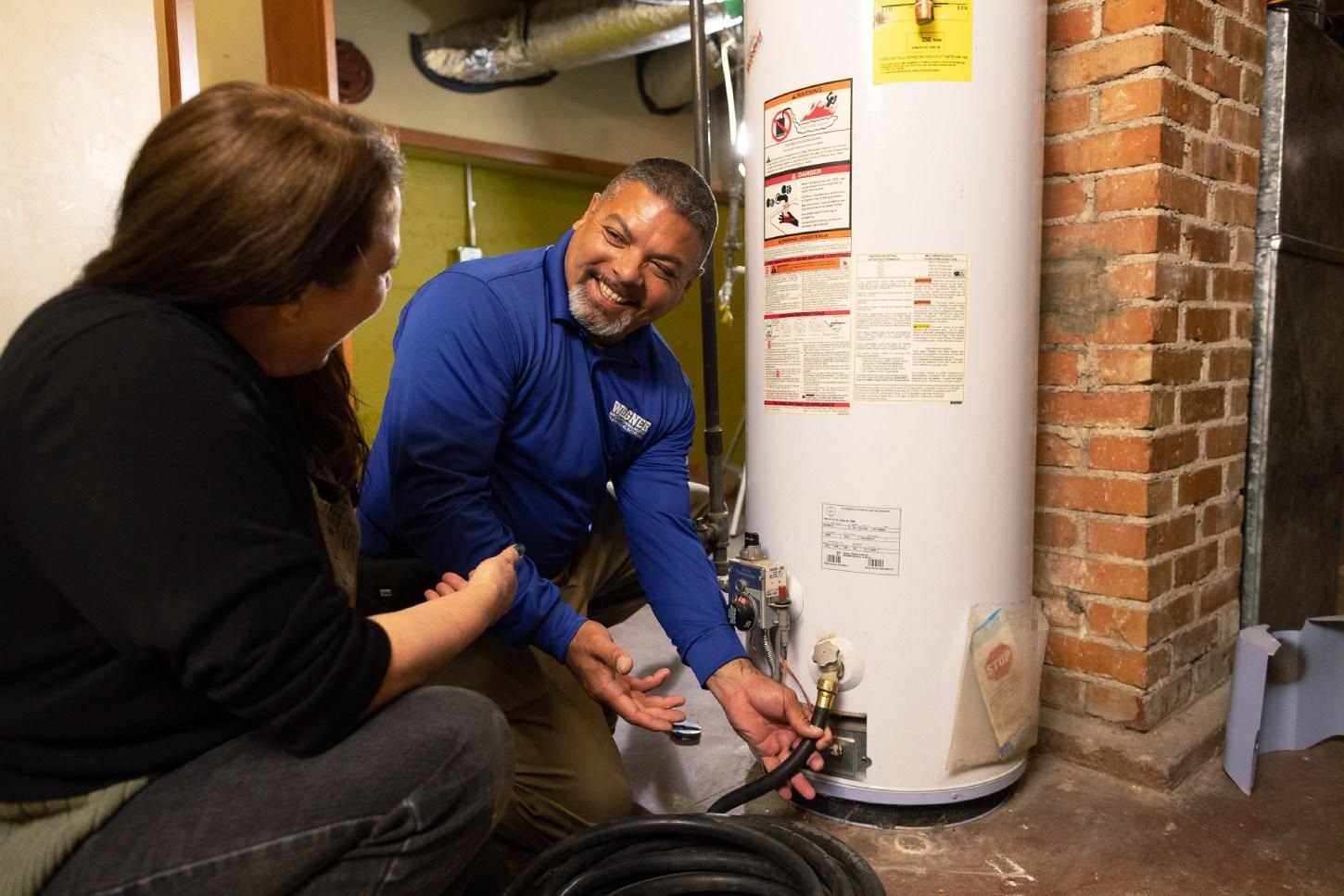
A reliable water heater is essential for comfortable daily living. From warm showers and laundry to washing dishes, American households depend on consistent hot water throughout the year. When an existing system begins leaking, heating slowly, or failing completely, choosing the right replacement becomes an important decision.
Hiring a qualified Rheem installer can help homeowners understand their equipment options, select an appropriately sized system, and arrange safe installation.
Rheem manufactures residential water heating products, including conventional storage tanks, tankless systems, and energy-efficient heat pump water heaters. Each option has different installation requirements, operating costs, and maintenance needs.
However, purchasing a recognized brand does not automatically guarantee successful performance. Proper sizing, plumbing connections, venting, electrical requirements, and local code compliance all matter.
This guide explains how to find a trustworthy installer, compare Rheem water heaters, prepare for installation, understand common expenses, and maintain reliable hot water.
What Is a Rheem Installer?
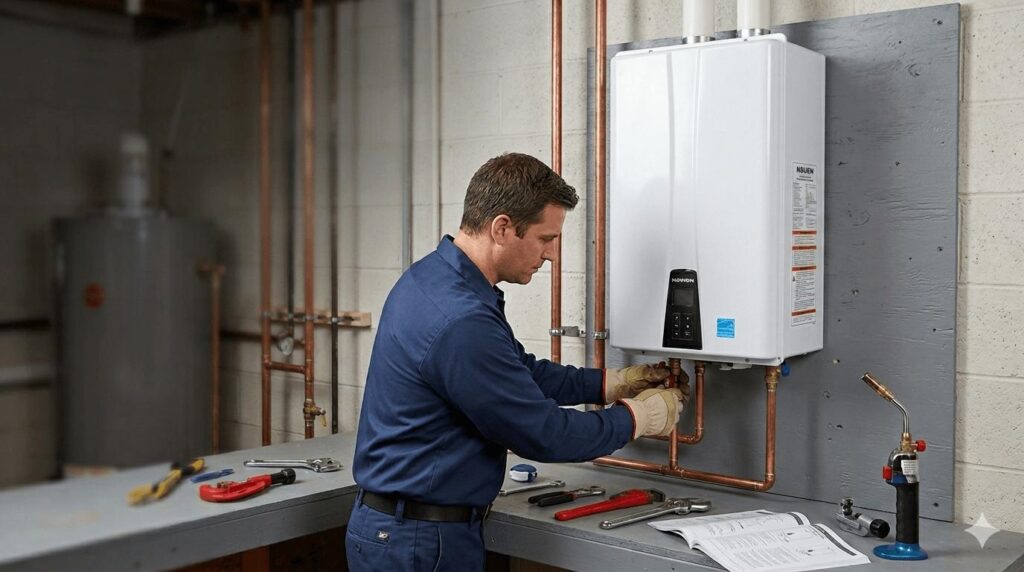
A Rheem installer is a plumbing or mechanical professional who installs or services Rheem-branded equipment.
For residential water heating, the work may include evaluating an existing system, recommending a replacement, completing required connections, and testing operation.
Independent Contractors and Rheem Professionals
Rheem provides an official Find a Pro directory featuring independent contractors who sell or service its equipment.
Importantly, professionals in this directory are independent businesses. Rheem does not employ every listed contractor or automatically guarantee their work.
Homeowners should independently evaluate qualifications, references, insurance, and available services.
Why Experience Matters
A trained installer understands how water heating equipment interacts with the home’s plumbing and, where relevant, electrical or gas systems.
Incorrect installation may create performance problems, damage property, or introduce serious safety hazards.
Selecting a professional experienced with your particular model is more useful than choosing a contractor based on advertising alone.
Different Rheem Water Heater Options
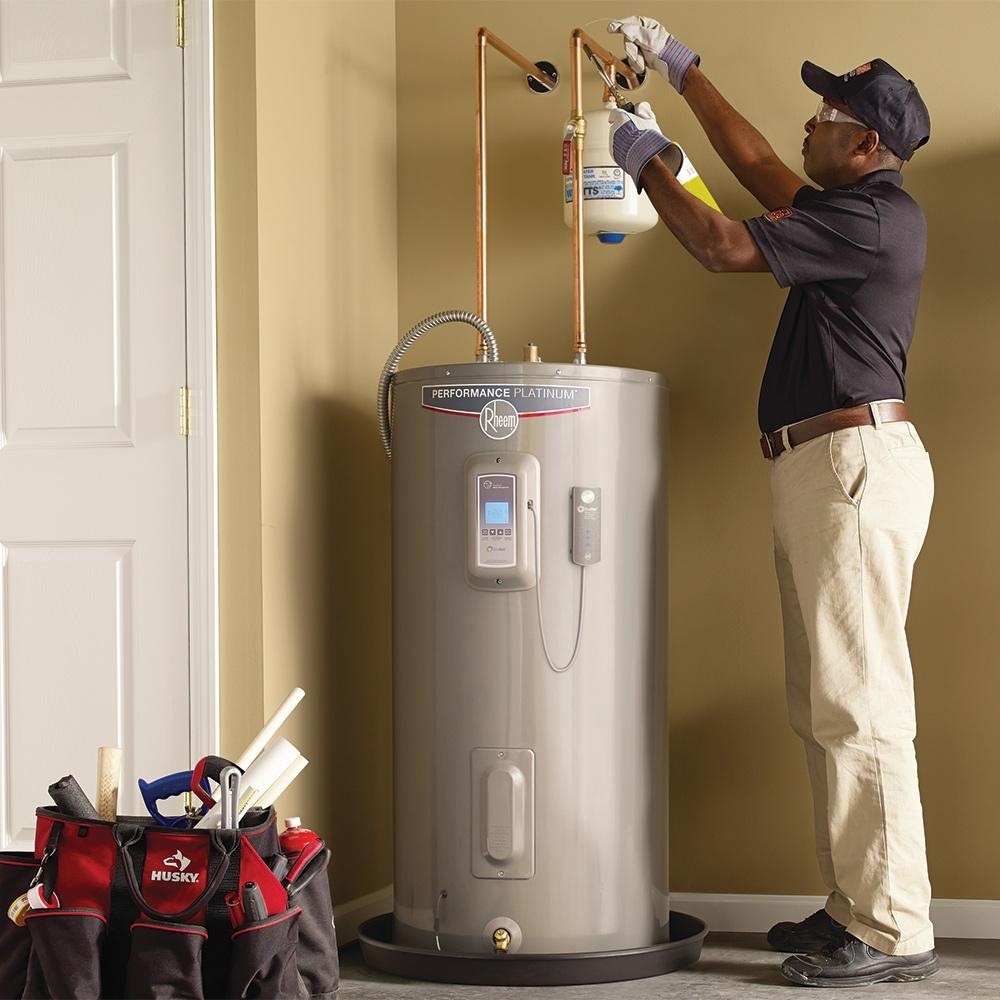
Before scheduling installation, identify which water heating technology best suits your household.
Conventional Tank Water Heaters
Storage water heaters keep a supply of heated water in an insulated tank.
They are available in gas and electric configurations, with different capacities and performance specifications.
A suitable tank size depends on household demand, usage patterns, and recovery performance.
Tankless Water Heaters
Tankless systems heat water as it flows through the equipment rather than storing a large supply.
They can reduce standby heat losses, but their output is limited by available heating capacity and water temperature rise.
A professional should evaluate simultaneous fixtures, incoming water temperature, and utility requirements.
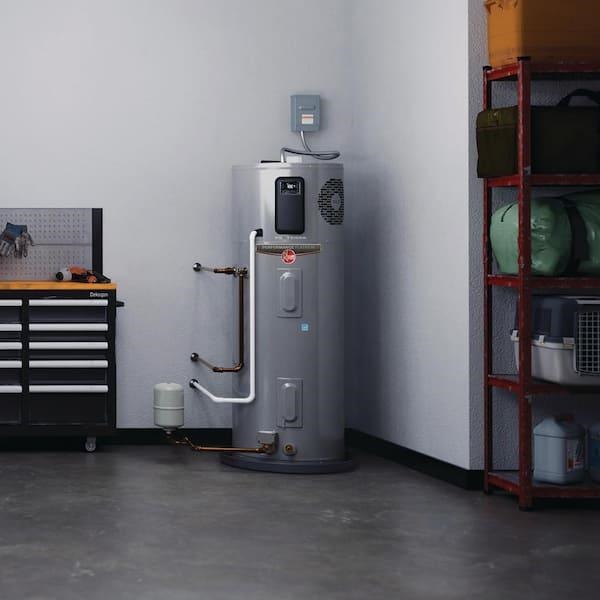
Heat Pump Water Heaters
Heat pump water heaters use electricity to transfer heat from surrounding air into stored water.
The U.S. Department of Energy explains that these systems can be substantially more efficient than conventional electric resistance models.
However, they require appropriate space, airflow, temperature conditions, and condensate management.
How to Find a Qualified Rheem Installer Near You
Choosing the right contractor should involve more than calling the first search result.
Use Rheem’s Official Directory
Start with Rheem’s Find a Pro service and enter your ZIP code.
Filter results for residential water heating and relevant services.
This helps identify independent professionals familiar with Rheem products.
Verify Licensing and Insurance
Plumbing licensing requirements vary by state and locality.
Ask for the appropriate license information and verify it with the relevant authority.
Also confirm insurance coverage and whether subcontractors will complete any part of the work.
Read Reviews Carefully
Look for patterns in recent customer feedback, including communication, workmanship, punctuality, and post-installation support.
Ask for references when considering a complicated or expensive installation.
Request Written Estimates
Obtain itemized proposals explaining the equipment model, labor, required modifications, permits, and disposal of the existing water heater.
Compare complete scopes of work rather than headline prices alone.
Signs You May Need Water Heater Replacement
Not every hot water problem requires a new system, but certain symptoms justify professional evaluation.
Inconsistent Hot Water
A water heater that produces fluctuating temperatures or an insufficient supply may have a faulty component, sediment buildup, or an undersized configuration.
Visible Leaks
Moisture around a heater can indicate a loose connection, failing valve, condensation issue, or damaged tank.
A leaking storage tank may require replacement rather than routine repair.
Unusual Noises
Popping or rumbling sounds can develop when sediment collects in certain tank systems.
A technician can determine whether servicing or replacement is appropriate.
Repeated Repairs
When repair costs rise and the equipment becomes less dependable, replacement may offer better long-term value.
Consider actual equipment condition, repair estimates, energy use, and warranty coverage.
Understanding the Rheem Water Heater Installation Process
Professional installation normally follows a planned sequence that varies by equipment type and local requirements.
Step 1: Evaluate the Existing System
The installer examines the current water heater, available space, plumbing condition, utility connections, and household hot water demand.
This assessment helps determine which replacement options are practical.
Step 2: Select and Size the Equipment
Storage systems are evaluated using factors such as first-hour rating and anticipated demand.
Tankless equipment requires appropriate flow capacity at the expected temperature rise.
Correct sizing helps avoid unnecessary equipment expense and inadequate performance.
Step 3: Review Permits and Requirements
Many jurisdictions require permits or inspections for water heater replacement.
Ask who will obtain permits and coordinate inspections.
Installation must follow applicable codes and manufacturer instructions.
Step 4: Remove the Existing Heater
Qualified professionals isolate relevant utilities, drain or disconnect the existing equipment, and remove it safely.
Gas and electrical disconnections require particular care.
Step 5: Install and Test the Replacement
The installer positions and connects the new equipment, checks safety components, and verifies operation.
Before leaving, the contractor should explain the controls, maintenance requirements, and emergency shutoff procedures.
Gas vs. Electric Rheem Water Heater Installation
Gas and electric water heaters have different infrastructure requirements.
Gas Water Heater Considerations
Gas models require an appropriate fuel supply and combustion ventilation or venting arrangements.
The installation must address combustion safety, gas connections, and the specific venting method required by the model.
Never attempt to modify gas piping without qualified assistance.
Electric Water Heater Considerations
Electric models need a suitable electrical supply, circuit protection, and wiring configuration.
Some replacement projects may require electrical upgrades.
A licensed electrician may be needed depending on the work and local regulations.
Which Is Better?
The appropriate choice depends on existing utilities, energy prices, installation expenses, efficiency, and household demand.
Ask installers to compare realistic operating costs instead of relying only on purchase price.
Choosing a Rheem Installer for Heat Pump Systems
Heat pump water heaters deserve additional attention because their operating environment influences efficiency.
Confirm Installation Space
The equipment may need more clearance or surrounding air volume than a conventional tank.
The manufacturer specifies acceptable temperatures and ventilation arrangements.
Plan for Condensate
Heat pump operation can produce condensation requiring appropriate drainage.
A professional should ensure the drain route meets the product’s installation instructions.
Evaluate Household Comfort
Because heat pump water heaters extract heat from surrounding air, they may cool the nearby space.
Placement can affect comfort and energy performance.
Consider Electrical Compatibility
Review the required voltage, circuit capacity, and available installation location.
Do not assume that every heat pump model can directly replace an existing heater without modifications.
Rheem Tankless Installation: Important Questions
Tankless systems can be a good option, but proper evaluation is essential.
Can the Home Support the Equipment?
High-output tankless gas units may require gas supply or venting modifications.
Electric tankless models can have substantial electrical requirements.
What Flow Rate Is Needed?
Determine how many showers, sinks, and appliances may use hot water simultaneously.
The appropriate unit must deliver enough heated water under local incoming temperature conditions.
Does Water Quality Matter?
Yes. Mineral buildup can affect heat exchangers and operating performance.
Ask about appropriate filtration, water treatment, and periodic descaling based on local water conditions.
How Much Does a Rheem Installer Cost?
Installation expenses vary considerably by state, equipment, and required work.
Factors That Affect Pricing
Important considerations include equipment capacity, fuel type, installation accessibility, local labor rates, permit fees, disposal, and replacement of outdated connections.
Additional venting, electrical, or gas work may significantly increase total expense.
Compare Installed Prices
A product’s shelf price does not represent the complete cost of a professionally installed system.
Request quotes showing equipment, installation labor, supplies, taxes, permits, and any optional services.
Budget for Long-Term Costs
Consider operating energy consumption, maintenance, expected repairs, and warranty conditions.
A higher-efficiency model may reduce energy expenses, but actual savings depend on usage patterns and local utility rates.
Emergency Hot Water Service and the Australian Reference
When water heating equipment fails unexpectedly, emergency plumbing providers can help assess the problem and prevent further damage.
The user-provided page for an emergency plumber in St Marys, Australia, now redirects to <Link url=”https://www.plumbmasterplumbing.com.au/emergency-plumber-st-marys/“>a Plumbing Paramedics emergency service page</Link>.
What the Australian Service Describes
The redirected website advertises 24/7 emergency plumbing services in the Sydney area, including hot water failures, leaking systems, burst pipes, and gas-related emergencies.
It describes on-site assessment, repairs, and replacement where needed.
The page does not independently establish that the business is a Rheem-authorized installer.
What U.S. Homeowners Can Learn
The underlying lesson is the value of timely professional assessment.
If a heater leaks heavily, stop using it and follow safe utility shutoff guidance appropriate to the situation.
For a suspected gas leak, leave the area immediately and contact emergency services or the gas utility from a safe location.
For Rheem service in the United States, look for qualified local professionals rather than relying on an Australian service-area listing.
Rheem Warranty and Product Registration
Understanding warranty conditions is an important part of choosing and installing equipment.
Check the Specific Warranty
Rheem warranty terms vary by model and product category.
Coverage may distinguish between the tank, components, labor, and other conditions.
Review the applicable written warranty rather than assuming every product offers the same protection.
Keep Your Documentation
Save purchase receipts, installation invoices, model numbers, and serial numbers.
These records may be needed when requesting service.
Register Your Equipment
Rheem provides online product registration and warranty verification tools.
Ask your installer to explain the process and confirm any relevant deadlines or conditions.
Maintenance Tips After Rheem Installation
Routine maintenance helps equipment operate more reliably and supports early identification of problems.
Check for Leaks
Periodically inspect the surrounding floor and accessible connections for unexpected moisture.
Contact a professional if you notice persistent leakage.
Follow Model-Specific Maintenance
Different heater types require different maintenance procedures.
Tank systems may need inspections involving sediment, the anode rod, or safety components.
Tankless equipment may require periodic descaling, depending on water quality.
Maintain Safe Temperatures
The Department of Energy commonly recommends a setting around 120°F for many households to reduce scalding risks and energy use.
Specific safety needs may differ, and certain systems require additional precautions for bacterial control.
Discuss suitable settings with a qualified professional.
Schedule Professional Inspection
Follow the product manual and installer recommendations for servicing intervals.
Do not attempt internal gas, electrical, or pressure-system repairs without appropriate training.
Common Mistakes When Hiring a Rheem Installer
Choosing Only by Price
A low quote may omit permits, necessary upgrades, or removal costs.
Compare the complete scope and contractor qualifications.
Ignoring Water Heater Sizing
An undersized unit may struggle to meet demand, while an unnecessarily large system can increase costs.
Ask how the recommended capacity was calculated.
Skipping Permit Verification
Confirm applicable permit and inspection responsibilities before work begins.
Overlooking Maintenance Access
The heater should be installed with the clearances required for safe operation and future service.
Frequently Asked Questions About Rheem Installers
1. How do I find a Rheem installer near me?
Use Rheem’s official Find a Pro directory, enter your ZIP code, and verify the independent contractor’s licensing, insurance, and experience.
2. Do I need a professional to install a Rheem water heater?
Professional installation is strongly recommended because plumbing, gas, electrical, venting, and local code requirements may apply.
3. Does Rheem manufacture tankless water heaters?
Yes. Rheem offers tankless and conventional storage water heaters, along with heat pump models.
4. How long does a Rheem installation take?
The timeframe depends on the equipment, site conditions, permits, and required modifications. The installer should provide a project-specific estimate.
5. Can I replace my gas water heater with an electric model?
Sometimes. The project may require electrical upgrades and other changes, so professional evaluation is essential.
6. Do Rheem heat pump water heaters save electricity?
They can use substantially less electricity than conventional electric resistance heaters, but actual performance depends on installation and operating conditions.
7. Is a Rheem warranty automatically included?
Applicable limited warranties generally depend on the specific product and its conditions. Verify coverage and registration requirements before installation.
8. Is the linked Australian plumbing company a U.S. Rheem installer?
No U.S. service presence or Rheem authorization was verified from the supplied page. The redirected website primarily advertises plumbing services around Sydney, Australia.
Conclusion
Finding a qualified Rheem installer is an important step toward dependable household hot water.
The right professional can assess your existing equipment, explain suitable replacement options, verify installation requirements, and help you understand ongoing maintenance.
Whether you choose a conventional storage tank, tankless system, or high-efficiency heat pump water heater, proper sizing and safe installation should remain priorities.
Compare written estimates, check licensing, review warranty terms, and use Rheem’s official contractor directory as a starting point.
By combining reliable equipment with qualified workmanship and routine maintenance, homeowners can make informed decisions about their water heating systems and reduce avoidable problems over time.

Written by Twastia Editorial Team
Twastia Editorial Team shares practical insights about website design, SEO services, Google Ads, content marketing, social media, conversion rate optimization, and digital marketing strategy.
Last updated: Oct 28, 2026
Related posts from Twastia
Explore more useful articles from twastia.com about digital marketing, SEO, websites, ads, content, and growth strategy.