directions to closest grocery store: Best Navigation Guide
Running out of milk, bread, vegetables, or other household essentials can quickly interrupt your day. Whether you recently moved to […]
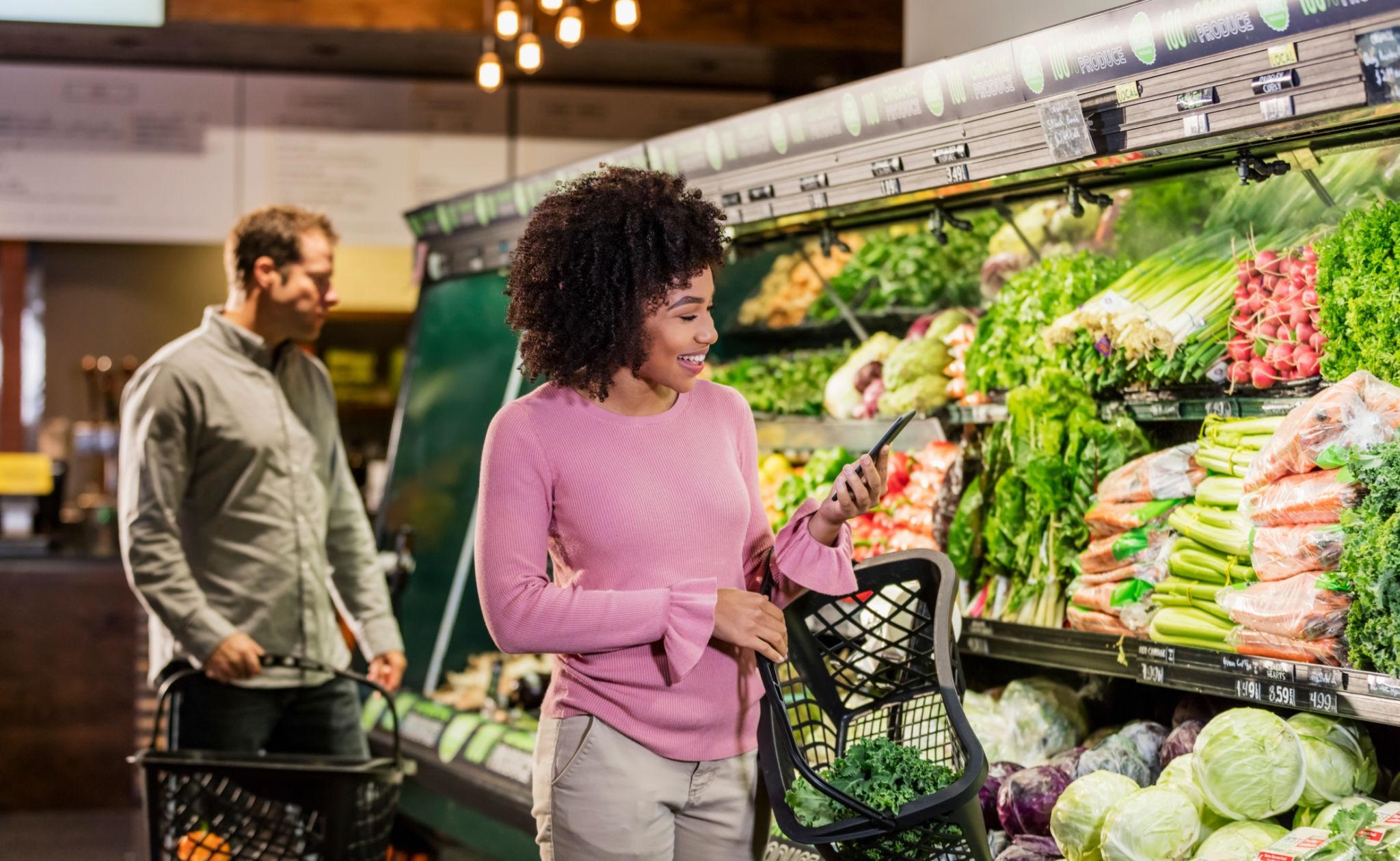
Running out of milk, bread, vegetables, or other household essentials can quickly interrupt your day. Whether you recently moved to a new neighborhood, are visiting another city, or simply want a faster shopping trip, finding a nearby supermarket should be easy.
Fortunately, modern navigation apps make grocery shopping more convenient. With a smartphone or computer, you can locate stores, compare distances, check business hours, and choose a suitable travel route.
Searching for directions to closest grocery store locations can help you discover supermarkets within minutes of your home, workplace, or current destination.
However, the nearest store is not always the best choice. Opening hours, product selection, parking, accessibility, prices, and transportation options also matter.
This guide explains how American shoppers can find nearby grocery stores using Google Maps, Apple Maps, voice assistants, and other practical tools. You’ll also learn how to compare stores, avoid navigation mistakes, and make grocery trips more efficient.
Why Finding the Closest Grocery Store Matters

Easy access to groceries can make daily routines simpler and reduce unnecessary travel.
Save Time on Everyday Shopping
Driving across town for a few basic items can take longer than expected, particularly during rush hour.
Finding a convenient nearby supermarket allows you to complete errands without making a major trip.
Reduce Transportation Expenses
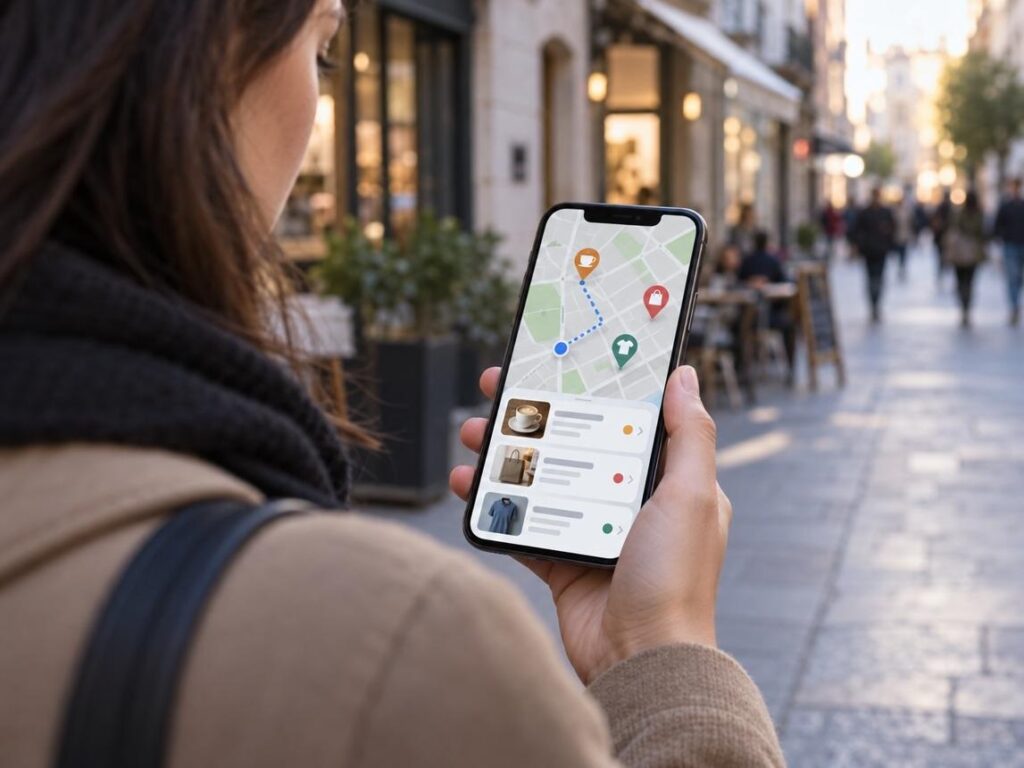
Shorter journeys may reduce fuel use, parking expenses, and transportation costs.
For people who walk or use public transportation, choosing an accessible destination can make grocery shopping easier.
Find Essential Products Quickly
Nearby stores can be especially useful when you unexpectedly need ingredients, baby supplies, drinking water, or household necessities.
Knowing several local options also helps when your regular supermarket is closed.
How to Get Directions to Closest Grocery Store Locations
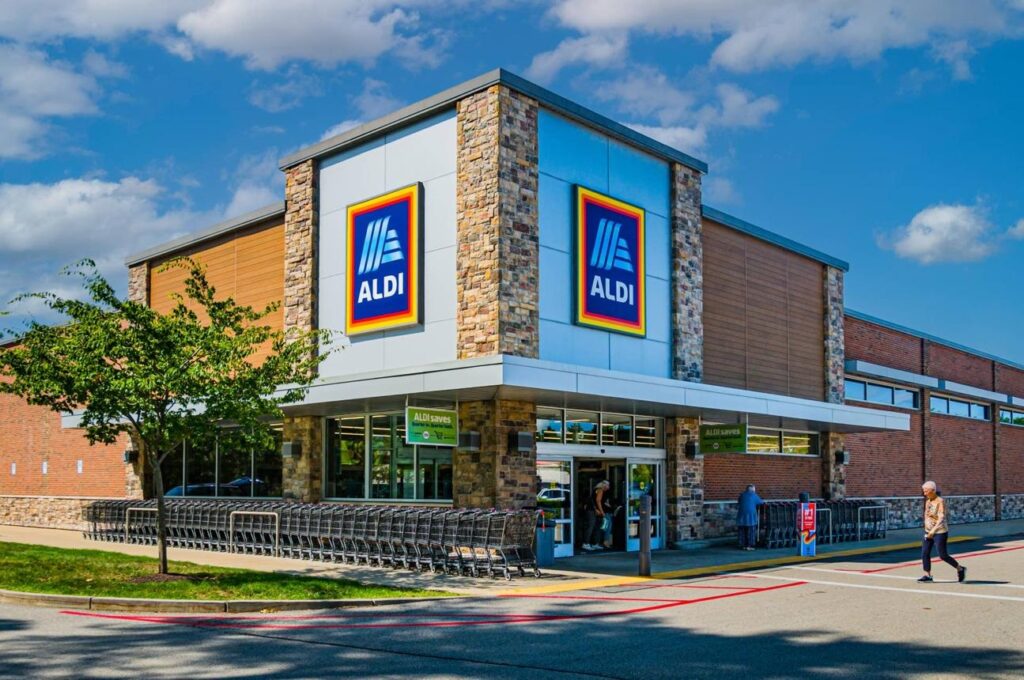
The simplest method is to use a digital map with location services enabled.
Step 1: Open a Navigation App
Launch Google Maps, Apple Maps, or another navigation service on your phone.
You can also use a map website through your computer’s browser.
Step 2: Search for Grocery Stores
Enter phrases such as “grocery store near me,” “nearest supermarket,” or “grocery stores nearby.”
The application should display relevant businesses around your selected location.
Step 3: Compare Available Results
Review the addresses, estimated travel times, business hours, and customer information.
Choose a location that meets your shopping needs.
Step 4: Select Directions
Tap the Directions option associated with your preferred store.
Choose driving, walking, public transportation, or another supported travel mode.
Step 5: Begin Navigation
Start the route and follow the instructions safely.
Remember that estimated arrival times may change because of traffic, construction, or other conditions.
Find Nearby Grocery Stores Using Google Maps
Google Maps is a convenient tool for locating supermarkets across the United States.
Search Using Your Current Location
Open Google Maps and enter “grocery store” or “supermarket” into the search field.
If location access is enabled, the map can display stores around your current position.
Select a result to see its available details.
Review Store Information
Listings may include addresses, opening hours, phone numbers, photographs, reviews, and service options.
Some businesses also provide links to their websites or ordering services.
Check whether the store is open before leaving.
Get Driving or Walking Directions
After choosing a destination, select Directions and your preferred transportation method.
Review the suggested route and estimated travel time.
Google notes that local search rankings depend on relevance, distance, and prominence, so the first result is not necessarily the geographically nearest business.
Using Apple Maps to Find the Nearest Supermarket
Apple Maps offers similar features for iPhone users.
Search the Grocery Stores Category
Open the Maps application and tap the search field.
Depending on your device and location, you may see a Grocery Stores category under nearby suggestions.
You can also search for “grocery stores” directly.
Choose a Store and Travel Mode
Select a business from the results.
Tap Directions, choose an available travel mode, and start navigation.
Use Nearby Information
Apple Maps may display business details such as hours, contact information, and location photographs.
The exact information available depends on the store and region.
If you prefer not to search manually, supported Siri commands can also help locate destinations.
Navigate to a Grocery Store With Voice Commands
Voice assistants provide another convenient way to begin a shopping trip.
Google Voice Navigation
On a compatible Android device, you can ask the available Google voice assistant to find grocery stores nearby.
Review the returned location before starting your route.
Voice commands and interfaces can differ between devices and software versions.
Siri on iPhone
Apple users can ask Siri to find nearby grocery stores or provide directions to a selected destination.
Siri can work with Apple Maps to display available navigation options.
Stay Safe While Driving
Set your destination before moving whenever possible.
Use hands-free features and spoken directions rather than repeatedly checking your phone.
Always follow road signs and current traffic laws instead of relying exclusively on navigation instructions.
How to Find Grocery Stores That Are Open Now
The closest supermarket may not be useful if its doors are already closed.
Check Updated Business Hours
Search for “grocery stores open now” in your preferred map application.
Review the listed opening and closing times.
Business hours can change because of holidays, emergencies, or staffing.
Confirm Holiday Schedules
Stores may operate shorter hours on Thanksgiving, Christmas, New Year’s Day, and other holidays.
Check the store’s official website or call the location when the trip is important.
Search for Late-Night Options
Some supermarkets and smaller convenience stores operate extended hours.
However, do not assume that a grocery chain offers 24-hour shopping at every location.
Verify the individual store’s schedule.
Choosing the Best Grocery Store Near You
Distance matters, but other practical factors can make a slightly farther supermarket the better option.
Compare Product Selection
Large supermarkets may provide broader selections of fresh produce, meat, dairy, pantry goods, and household supplies.
Smaller neighborhood markets may be more convenient for quick purchases.
Look at Prices and Promotions
Check digital advertisements, loyalty programs, and available weekly deals.
A nearby store with higher prices may not always provide the best value for a large shopping trip.
Consider Accessibility
Review parking, accessible entrances, sidewalks, and public transportation connections.
For shoppers using mobility aids, suitable access can matter more than straight-line distance.
Read Recent Reviews
Customer reviews may provide insight into cleanliness, organization, and shopping experiences.
However, individual reviews can be subjective. Use them alongside official store information.
Walking, Driving, or Taking Public Transportation
The best transportation method depends on distance, traffic, mobility, and the number of groceries you need.
Walking to the Grocery Store
Walking can be practical for smaller shopping trips in neighborhoods with suitable sidewalks and crossings.
Check the actual pedestrian route rather than relying on a straight-line distance.
Driving to a Supermarket
Driving may be more convenient for large households or shoppers purchasing heavy items.
Compare traffic conditions, parking availability, and estimated travel time.
Using Public Transit
In some American cities, buses and trains connect residential neighborhoods with shopping areas.
Check transit schedules, stop locations, and the distance between the stop and store.
Remember that carrying several heavy grocery bags may make a long transit journey inconvenient.
Finding Grocery Stores in an Unfamiliar City
Travelers and people relocating to new neighborhoods often need grocery information quickly.
Search Near Your Hotel or Address
Enter your hotel’s address or another reference point into the map.
Then search for nearby grocery stores.
This is often more reliable than using a location that has not updated correctly.
Explore Different Store Types
Depending on the city, you may find supermarkets, neighborhood markets, specialty food stores, and smaller convenience shops.
Search for the specific type of store that matches your needs.
Save Useful Locations
Many navigation apps allow users to save destinations for future visits.
Saving a preferred supermarket can make subsequent shopping trips easier.
Finding Affordable Grocery Stores in the USA
Nearby grocery access should also be considered alongside household budgets.
Compare Store Formats
Discount supermarkets, warehouse clubs, neighborhood grocers, and large supermarkets serve different shopping needs.
Warehouse clubs may require membership and involve larger package sizes.
Check Grocery Pickup Options
Some retailers offer curbside pickup, allowing customers to order groceries online and collect them at a selected store.
Availability, fees, and substitutions vary.
Find SNAP-Authorized Retailers
Households using Supplemental Nutrition Assistance Program benefits can consult official USDA resources to identify participating retailers.
Confirm that a particular store accepts the payment method you intend to use.
Grocery Store Access in Urban and Rural Areas
Not every American household lives close to a full-service supermarket.
Urban Grocery Access
Cities may offer multiple food retailers within a relatively small area.
However, traffic, public transportation, affordability, and neighborhood conditions can still influence access.
Rural Grocery Access
Rural households may need to travel farther to reach large grocery stores.
Planning purchases, combining errands, and checking store availability can reduce unnecessary trips.
Understanding Food Access
The USDA Food Access Research Atlas examines factors such as distance to food retailers and transportation barriers.
Its measures demonstrate why the nearest store is not always easy for every household to reach.
What the Voice of Action Grocery Guide Explains
The article directions to closest grocery store links to is a Voice of Action guide about finding nearby grocery shops.
Originally published in August 2022 and updated in November 2024, it recommends researching local stores online and using mapping tools to navigate.
Useful Advice From the Guide
The article encourages readers to compare nearby stores, investigate available products, check operating hours, and use Google Maps for directions.
These are useful starting points for shoppers unfamiliar with their surroundings.
Applying the Advice in the USA
The reference includes a supermarket example from India.
American shoppers should follow the general navigation principles while using their own local store listings, transportation options, and business information.
Store examples and old opening hours should not be treated as current local recommendations.
Common Grocery Store Navigation Problems
Even reliable mapping applications can occasionally provide incomplete information.
Incorrect Location Detection
If the map shows an unexpected location, check your device’s location permissions.
You can also enter your starting address manually.
Outdated Business Hours
Call the store or consult its official website when the displayed hours appear uncertain.
Wrong Store Entrance
Large shopping centers sometimes have multiple access roads or parking areas.
Follow posted signs and use the designated public entrance.
Poor Internet Connectivity
Download available offline map areas before traveling through locations with limited coverage.
Offline functionality varies by app and may not include current traffic or every transportation mode.
Frequently Asked Questions About Grocery Store Directions
1. How do I get directions to closest grocery store locations?
Open a map application, search for nearby grocery stores, select a suitable result, tap Directions, and choose your transportation method.
2. Can Google Maps find grocery stores near me?
Yes. Google Maps can display nearby grocery businesses when you search by category or location.
3. How can I find a grocery store that is open right now?
Search for “grocery stores open now” and verify the business hours before traveling.
4. Can I use Apple Maps to navigate to a supermarket?
Yes. Apple Maps supports grocery store searches and directions on compatible devices.
5. What if my phone does not detect my location?
Check location permissions or manually enter an address as your starting point.
6. Are the nearest grocery stores always the cheapest?
No. Prices, promotions, membership requirements, and product selection vary between retailers.
7. Can I find grocery stores without a car?
Yes. Review walking routes, public transportation connections, and available grocery delivery options.
8. How do I find grocery stores that accept SNAP benefits?
Use USDA information about SNAP-authorized retailers and verify participation with the individual store when necessary.
Conclusion
Finding directions to closest grocery store locations is easier when you use reliable navigation tools and compare practical shopping information.
Google Maps, Apple Maps, and compatible voice assistants can help you discover supermarkets, review business details, and follow routes by car, on foot, or public transportation.
However, the nearest store is not automatically the best choice. Opening hours, prices, product availability, accessibility, and transportation costs should also influence your decision.
Before leaving, confirm the destination, check operating hours, and choose a route that suits your needs.
With a little preparation, grocery shopping can become more convenient, efficient, and manageable whether you are at home or exploring an unfamiliar American neighborhood.

Written by Twastia Editorial Team
Twastia Editorial Team shares practical insights about website design, SEO services, Google Ads, content marketing, social media, conversion rate optimization, and digital marketing strategy.
Last updated: Oct 28, 2026
Related posts from Twastia
Explore more useful articles from twastia.com about digital marketing, SEO, websites, ads, content, and growth strategy.