Benefits of Bilt Right Turf For Your Yard: Best Guide
A beautiful lawn can make your home feel more welcoming, but keeping natural grass healthy takes time, money, and regular […]
A beautiful lawn can make your home feel more welcoming, but keeping natural grass healthy takes time, money, and regular attention. Between mowing, watering, fertilizing, and repairing bare patches, maintaining a traditional yard can become a demanding responsibility.
For homeowners looking for an alternative, artificial grass offers a different approach to outdoor landscaping.
Understanding the Benefits of Bilt Right Turf For Your Yard can help you decide whether professionally installed synthetic grass suits your property, budget, and lifestyle.
Biltright Turf is a U.S.-based artificial grass installation company offering residential landscaping solutions, pet areas, custom putting greens, and other outdoor improvements. Its services focus on creating functional spaces that require less routine lawn care.
However, artificial turf is not completely maintenance-free, and it is not the ideal choice for every climate or property. Surface temperature, drainage, installation quality, and environmental considerations deserve careful attention.
This guide explores the advantages, limitations, installation process, maintenance requirements, and purchasing considerations for American homeowners interested in Biltright Turf.
What Is Bilt Right Turf?
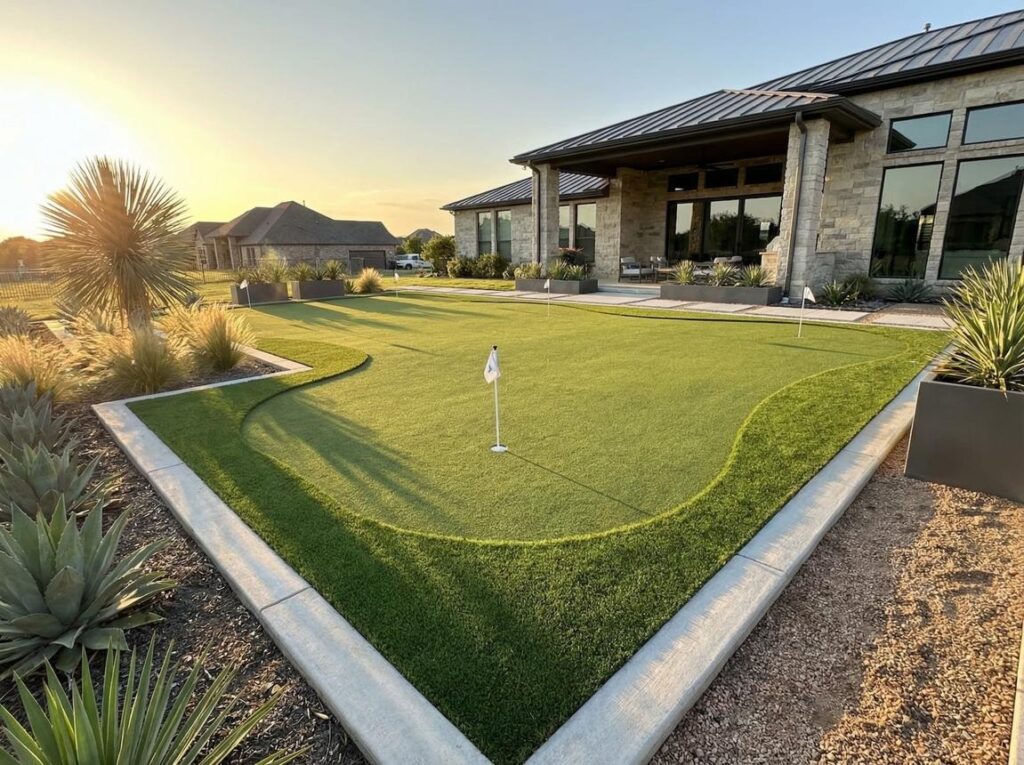
Biltright Turf is a professional artificial grass installation business serving residential and commercial customers in selected U.S. markets.
The company offers synthetic turf designed for different outdoor uses, including lawns, side yards, dog runs, putting greens, and landscaped entertainment areas.
How Artificial Grass Works
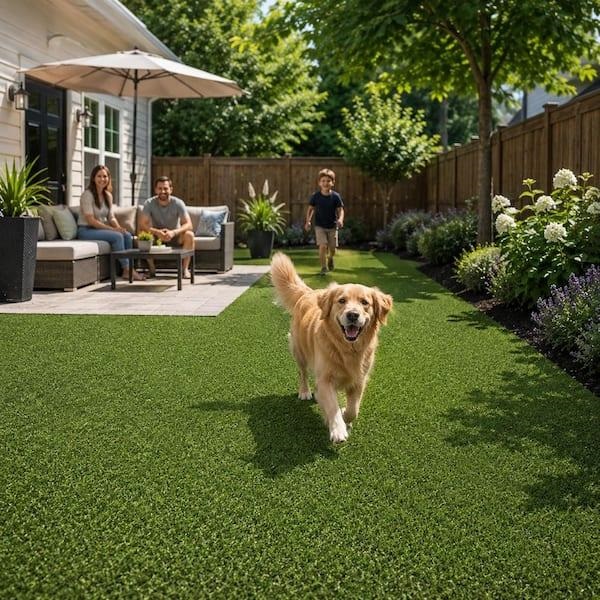
Artificial turf consists of synthetic fibers attached to a backing material. Depending on the application, installers may add infill to support the blades and improve surface performance.
Unlike living grass, synthetic turf does not grow or require conventional mowing.
A properly designed installation also includes a prepared base, secure edges, and a drainage strategy suited to the property.
What Makes Professional Installation Important?
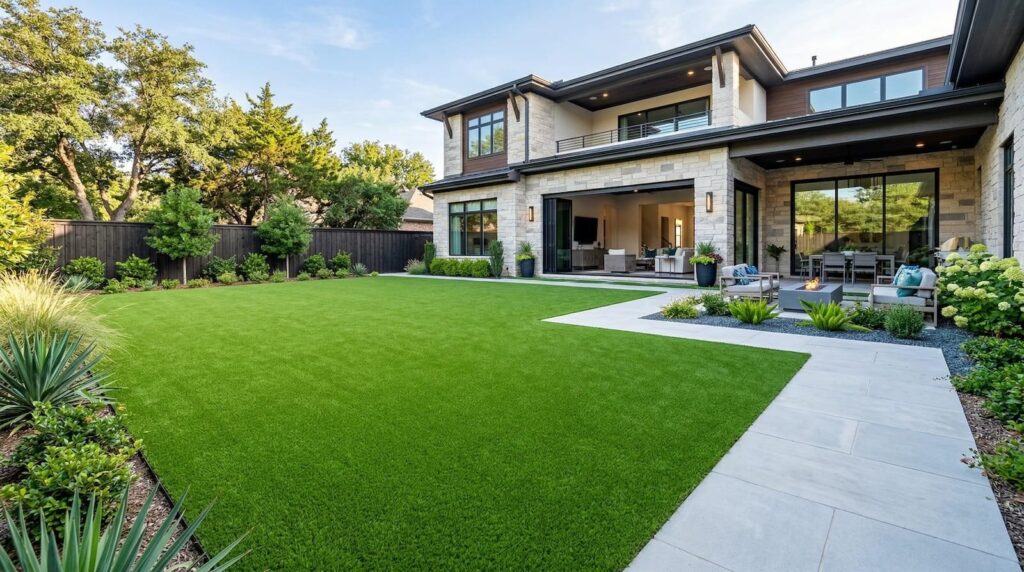
Even high-quality turf can perform poorly if the ground underneath is uneven or drainage is inadequate.
Professional installation helps address grading, surface preparation, seams, and edging.
Biltright describes a process involving consultation, site preparation, and turf installation.
1. Less Routine Lawn Maintenance
One of the biggest advantages of artificial grass is the reduction in recurring yard work.
No Regular Mowing
Synthetic turf does not grow, eliminating the need to cut the lawn every week during the growing season.
Homeowners can spend less time operating lawn equipment and more time enjoying their outdoor spaces.
Reduced Lawn Treatments
Artificial grass generally does not require conventional lawn fertilizers or regular irrigation intended to keep living grass healthy.
However, weeds can still appear around edges or where windblown seeds collect.
Maintenance Is Still Necessary
Biltright recommends removing debris, brushing flattened fibers, rinsing the surface when needed, and maintaining infill according to the product.
Pet areas require additional sanitation.
The main advantage is reduced routine care, not the complete elimination of maintenance.
2. A Consistently Green Appearance
Natural lawns change with seasonal weather, soil conditions, and irrigation practices.
Artificial turf offers a more consistent appearance.
Fewer Bare Patches
Synthetic fibers do not die from drought or seasonal dormancy.
This can be especially appealing where natural grass struggles because of shade, heavy foot traffic, or inconsistent watering.
A Cleaner Landscape Design
A smooth turf surface can provide a visual foundation for patios, garden beds, and outdoor furniture.
Carefully selected shades and blade textures may create a relatively natural-looking result.
Suitable for Different Yard Sizes
Biltright markets installations for small side yards and larger residential landscapes.
The ideal material and design depend on the property’s layout and intended use.
3. Lower Landscape Irrigation Needs
Water consumption is an important concern in many American communities.
Less Water for Lawn Growth
Artificial turf does not require irrigation to remain green.
Replacing a frequently watered lawn may reduce water used specifically for landscape irrigation.
This benefit may be particularly relevant in drought-prone areas.
Understand the Exceptions
Some artificial grass surfaces still require water for cleaning, pet sanitation, or temporary cooling during hot weather.
Actual water savings depend on previous lawn care habits and ongoing turf maintenance.
Consider Other Water-Saving Options
Native plants, drought-tolerant landscaping, mulch, and appropriately selected living grasses may also reduce outdoor water use.
The best choice depends on local conditions and environmental priorities.
4. More Practical Spaces for Pets
Households with dogs often face challenges involving muddy paws, worn grass, and damaged lawn areas.
Reduced Mud Tracking
Because artificial grass replaces the living lawn surface, properly installed turf can reduce muddy areas during ordinary use.
This may help keep nearby patios and indoor flooring cleaner.
Durable Pet Activity Areas
Biltright advertises pet-oriented turf materials designed for repeated activity.
Such areas can provide designated places for dogs to play or exercise.
Durability varies by product construction, usage intensity, and installation quality.
Cleaning Pet Waste
Solid waste should be removed promptly.
Urine and other residues may require rinsing and appropriate cleaning products to prevent odors.
Proper drainage is essential, and pet areas should be cleaned regularly.
5. Flexible Backyard Design Options
Artificial grass can be incorporated into different residential landscape layouts.
Side Yards
Narrow side yards sometimes receive limited sunlight or experience frequent foot traffic.
A small turf area may provide a tidy walking surface or designated pet zone.
Patios and Outdoor Lounges
Synthetic grass can visually soften areas next to paved patios or seating spaces.
Choose the installation method carefully, especially near drainage outlets and hardscape edges.
Backyard Putting Greens
Biltright also offers custom artificial putting greens.
Specialized putting turf is designed to support golf practice and should not be confused with ordinary residential lawn turf.
6. Potential Long-Term Convenience
Artificial turf may reduce recurring tasks associated with growing and maintaining a natural lawn.
Lower Mowing Expenses
Homeowners who currently pay for mowing services may reduce that particular expense after installing synthetic grass.
Those who maintain their own lawns may save time and equipment use instead.
Fewer Seasonal Lawn Repairs
Artificial turf avoids certain problems such as grass dormancy, seeding bare patches, and reseeding areas affected by heavy traffic.
However, the material can still become damaged, flattened, discolored, or worn.
Compare Lifetime Costs
The initial installation may be substantial.
A meaningful comparison should include purchase price, installation, cleaning, repairs, eventual replacement, and the maintenance costs of natural grass.
Savings are possible but are not guaranteed for every household.
7. Opportunities to Improve Curb Appeal
The front lawn contributes to a home’s first impression.
A Consistent Visual Finish
Even green coverage may create an orderly appearance around walkways, flower beds, and entryways.
A suitable turf selection can complement contemporary and traditional landscaping.
Coordinate With Hardscaping
Biltright’s outdoor improvement offerings also include hardscape and landscape features in certain markets.
Combining turf with pavers, edging, and planting areas may create a coordinated design.
Avoid Assuming Increased Property Value
Some buyers appreciate low-maintenance landscaping, while others prefer living lawns.
Artificial turf does not guarantee a higher resale price.
Local buyer preferences and installation quality should guide decisions.
8. A Customized Installation Process
One of the potential Benefits of Bilt Right Turf For Your Yard is access to installation planning rather than purchasing turf material alone.
Initial Consultation
The process begins with reviewing the project area, intended use, and available options.
Homeowners should explain whether the surface will be used for pets, recreation, decorative landscaping, or golf practice.
Ground Preparation
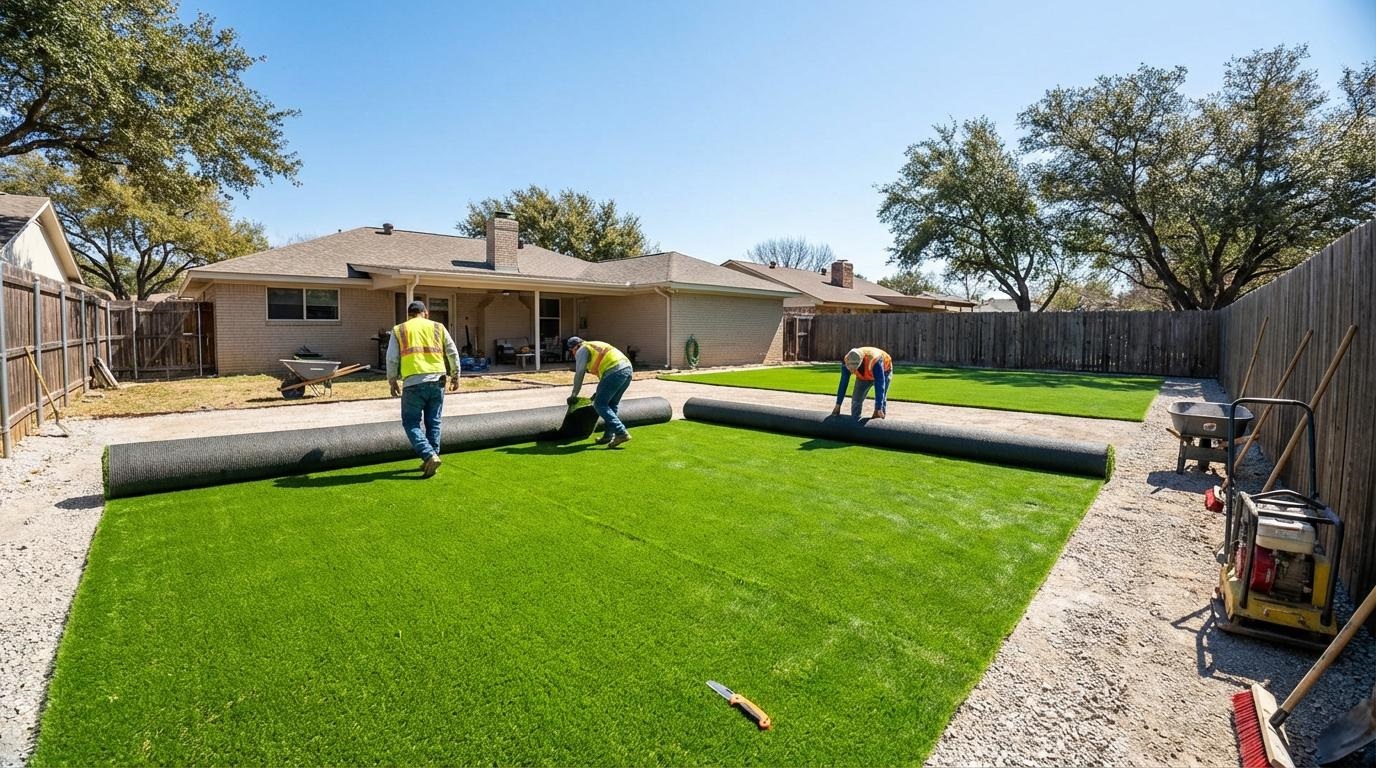
Typical installation may involve removing existing ground cover, grading the area, and preparing a compacted base.
The exact construction depends on the site and product.
Turf Placement and Finishing
Installers position the turf, secure edges, join sections, and apply suitable infill when required.
Proper finishing helps reduce visible seams and uneven surfaces.
Final Inspection
Before accepting the installation, check edges, drainage provisions, surface consistency, and cleaning instructions.
Ask the contractor to explain how to maintain the finished yard.
Important Drawbacks to Consider
A balanced decision should include the limitations of synthetic landscaping.
Surface Heat
Artificial grass can become substantially hotter than natural grass in direct sunlight.
Biltright acknowledges this concern and discusses cooling and infill options.
Avoid barefoot use when the surface is hot, and check conditions before allowing children or pets to play.
Environmental Tradeoffs
Synthetic turf can reduce lawn irrigation and mowing, but it is generally made from plastic materials.
Potential concerns include microplastic release, manufacturing impacts, eventual disposal, and reduced habitat for wildlife.
University of Florida Extension also identifies stormwater runoff and heat as important considerations.
Drainage and Runoff
Permeable turf backing does not automatically guarantee good drainage.
Compacted soil and unsuitable base construction can contribute to runoff or pooling.
Request a site-specific drainage assessment.
How Much Does Bilt Right Turf Cost?
Artificial turf installation prices depend on several project characteristics.
Yard Size
Larger areas require more material, preparation, and labor.
Irregular shapes may create additional trimming and installation work.
Material Selection
Turf products differ in pile height, density, texture, backing, and intended use.
Pet turf, decorative lawn turf, and putting green surfaces may have different requirements.
Ground Preparation
Excavation, grading, drainage improvements, and removal of existing landscaping affect total cost.
Biltright’s website offers estimates, but advertised examples should not be treated as binding quotes.
Warranty Coverage
Biltright publishes warranty terms for qualifying materials and workmanship.
Coverage can vary by product and agreement, with exclusions for specified damage and maintenance issues.
Review the warranty supplied with your specific proposal rather than assuming every installation receives identical coverage.
Artificial Turf vs. Natural Grass
Choosing between synthetic and living grass involves balancing convenience, comfort, and environmental priorities.
Appearance and Care
Artificial turf offers consistent color with less mowing and traditional lawn irrigation.
Natural grass requires more regular care but provides a living landscape.
Comfort in Hot Weather
Natural grass generally offers a cooler surface than exposed synthetic turf during hot conditions.
This difference can matter for families and pet owners.
Ecological Value
Living lawns and native planting areas can support soil functions and elements of local biodiversity.
Artificial turf does not provide equivalent living habitat.
A mixed landscape may offer a practical compromise for some homes.
How to Choose the Right Turf for Your Property
Before signing an installation agreement, consider your household’s actual needs.
Identify the Main Use
A decorative front yard has different requirements from a dog run or backyard putting green.
Choose materials designed for the intended activity.
Ask About Material Testing
Review available information on durability, UV resistance, drainage, and relevant material composition.
For areas used by children or pets, request appropriate product safety documentation.
Evaluate Sun Exposure
South- and west-facing yards in hot climates may experience significant afternoon heating.
Discuss shade, surface temperature, and suitable alternatives.
Confirm Local Requirements
Some homeowners associations or municipalities regulate artificial landscaping.
Check applicable rules and water-management requirements before installing.
Frequently Asked Questions About Bilt Right Turf
1. What are the main benefits of Bilt Right Turf for your yard?
Potential advantages include reduced mowing, lower irrigation demand, a consistently green appearance, and flexible designs for pets, side yards, and putting greens.
2. Is Biltright Turf suitable for dogs?
The company offers pet-oriented turf applications. Appropriate cleaning, drainage, and material selection remain important.
3. Does artificial turf require watering?
It does not need irrigation for growth, but occasional rinsing or cooling may still be necessary.
4. Can artificial turf get too hot?
Yes. Synthetic grass can become very hot in direct sunlight. Homeowners should monitor surface temperatures and provide safer alternatives during hot weather.
5. How long does artificial grass last?
Service life depends on product quality, use, climate, installation, and maintenance. A warranty period should not be interpreted as a guaranteed lifespan.
6. Is Biltright Turf completely maintenance-free?
No. Debris removal, brushing, occasional rinsing, pet sanitation, and other maintenance may still be required.
7. Does Biltright Turf provide professional installation?
Yes. The company advertises consultation, site preparation, and professional artificial turf installation in its service markets.
8. Is installing artificial turf worth the investment?
It may be worthwhile for homeowners who value reduced lawn care and specific outdoor uses. Evaluate upfront costs, heat, drainage, environmental impacts, and long-term maintenance before deciding.
Conclusion
The Benefits of Bilt Right Turf For Your Yard include less frequent lawn maintenance, reduced irrigation needs, flexible landscape designs, and options for pet areas and backyard recreation.
Biltright Turf’s residential installations may appeal to homeowners who want a consistently green outdoor surface without the ongoing mowing and watering associated with conventional grass.
However, a good landscaping decision requires more than appearance.
Artificial turf can become hot, needs appropriate drainage, and introduces environmental and long-term replacement considerations.
Before purchasing, compare materials, request a detailed installation proposal, review warranty terms, and consider whether natural grass or drought-tolerant landscaping might better suit parts of your property.
With realistic expectations and careful planning, you can create an outdoor space that fits your household’s needs and maintenance preferences.

Written by Twastia Editorial Team
Twastia Editorial Team shares practical insights about website design, SEO services, Google Ads, content marketing, social media, conversion rate optimization, and digital marketing strategy.
Last updated: Oct 28, 2026
Related posts from Twastia
Explore more useful articles from twastia.com about digital marketing, SEO, websites, ads, content, and growth strategy.