noise-canceling headphones: Best Guide to Features and Benefits
Busy airports, crowded offices, noisy buses, and everyday household activities can make it difficult to enjoy music or concentrate on […]
Busy airports, crowded offices, noisy buses, and everyday household activities can make it difficult to enjoy music or concentrate on important tasks. For many Americans, finding a quieter listening experience has become an important part of choosing personal audio equipment.
Noise-canceling headphones offer a practical solution by reducing certain background sounds through advanced audio technology. Whether you travel frequently, work remotely, study in public places, or enjoy podcasts, these devices can make listening more comfortable.
However, not every pair performs the same way. Some products are designed primarily for travel, while others emphasize sound quality, portability, battery life, or communication features.
Understanding the difference between active noise cancellation and ordinary sound isolation is essential before buying.
This guide explains how noise cancellation works, its advantages and limitations, popular headphone styles, and important features to consider. It also covers safe listening practices based on guidance from U.S. occupational safety authorities and the World Health Organization.
What Are Noise-Canceling Headphones?
Noise-canceling headphones are audio devices designed to reduce unwanted sounds from the surrounding environment.
Most modern models combine physical sound isolation with active noise cancellation, commonly called ANC.
Active Noise Cancellation Explained
ANC uses microphones to detect environmental noise. Electronic processing then generates a sound signal designed to interfere with the unwanted sound.
When the signals interact, some of the background noise reaching the listener is reduced.
This process is particularly effective against steady, low-frequency sounds such as airplane engine noise, ventilation systems, and traffic rumble.
Passive Noise Isolation
Passive isolation relies on the physical design of headphones.
Cushioned earcups create a seal around the ears, while properly fitted earbuds reduce sound entering the ear canal.
Unlike ANC, passive isolation does not require electronic processing to block sound.
How Does Active Noise Cancellation Work?
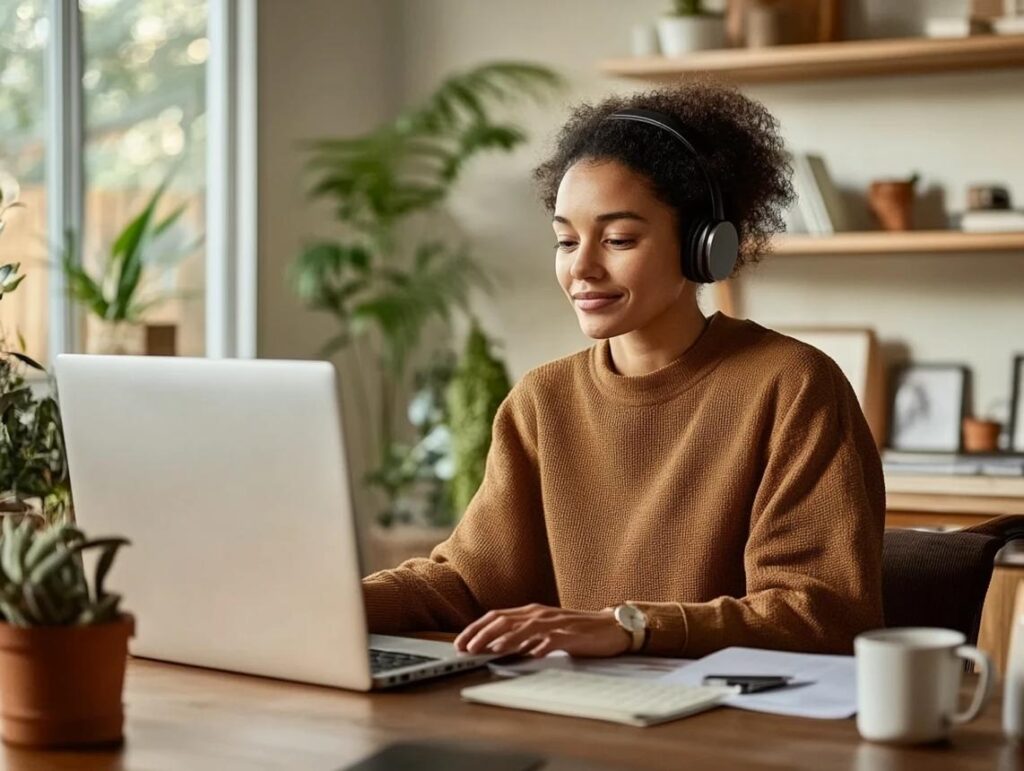
ANC technology uses microphones, sound processing, and speakers working together.
Step 1: Detect Environmental Sounds
Microphones positioned inside or outside the headphones capture sounds in the surrounding environment.
The location and number of microphones depend on the product design.
Step 2: Generate an Opposing Signal
The headphones process the detected sound and create a waveform intended to counteract it.
This effect is based on destructive interference, a principle of sound-wave behavior.
Step 3: Reduce Background Noise
The opposing signal combines with incoming environmental sound, reducing some noise perceived by the listener.
The system continuously adjusts as the surrounding sound changes.
Why Some Noises Remain Audible
Sudden sounds, voices, and higher-frequency noises are generally more difficult to cancel than continuous low-frequency sounds.
Even advanced ANC does not create complete silence.
Types of Noise-Canceling Headphones
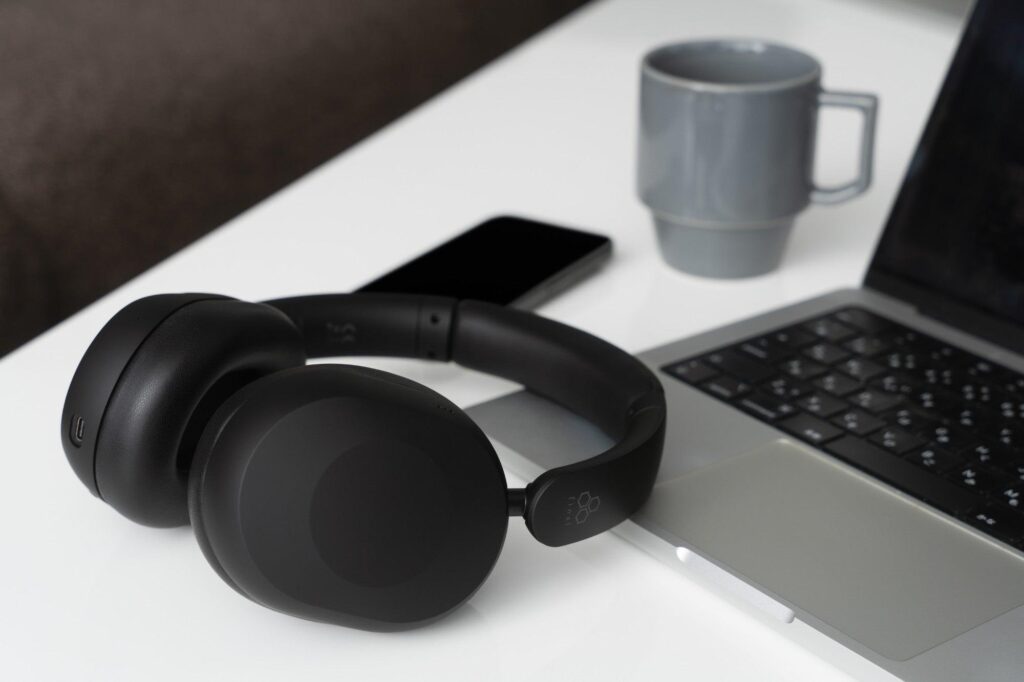
Different designs suit different listening preferences.
Over-Ear Headphones
Over-ear models surround the ears with cushioned earcups.
They often provide effective physical isolation and sufficient space for batteries and electronic components.
Many travelers prefer them for extended listening sessions.
On-Ear Headphones
On-ear models rest directly against the ears.
They may be smaller than over-ear alternatives but can provide a less consistent physical seal.
Comfort and noise reduction vary considerably.
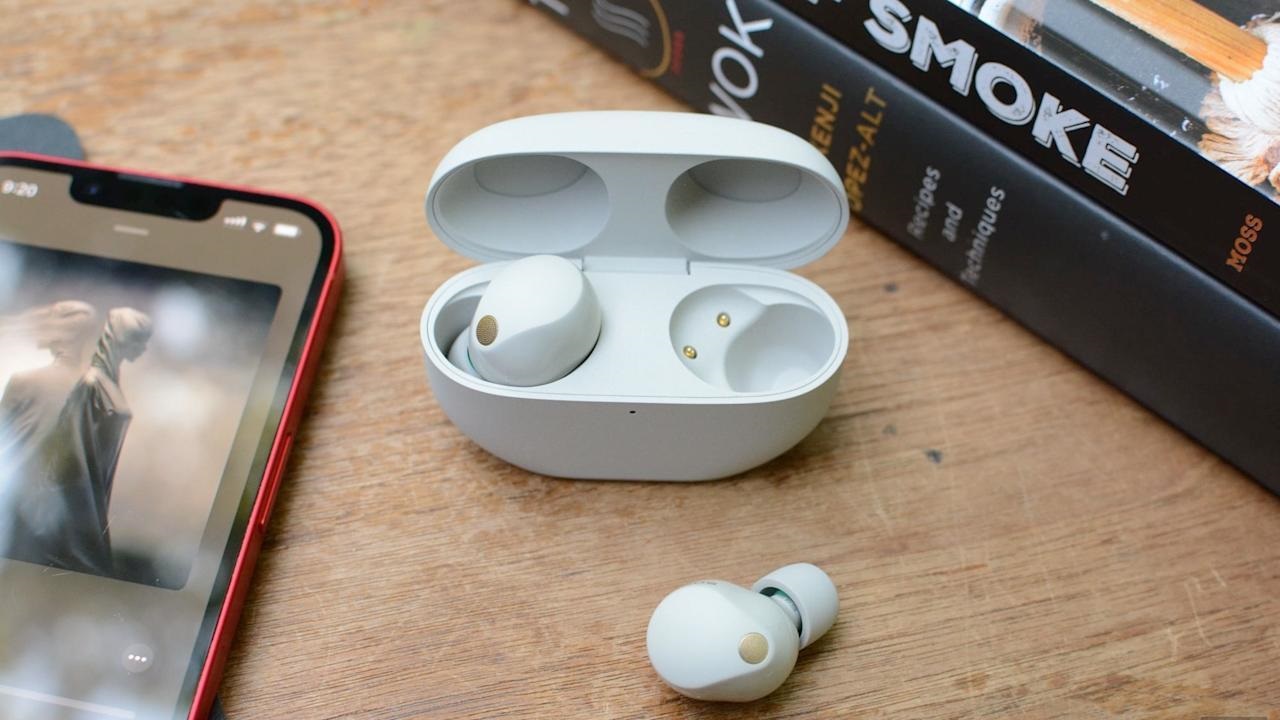
Wireless Noise-Canceling Earbuds
Compact earbuds offer portability and convenient storage.
Their performance depends partly on selecting ear tips that fit properly.
Poorly fitted earbuds may allow additional outside noise into the ear.
Benefits of Noise-Canceling Headphones
ANC can improve everyday listening in several situations.
Reduce Background Distractions
Steady environmental noise can compete with music, podcasts, and spoken audio.
Reducing that noise may help listeners follow content without repeatedly adjusting the volume.
Support Concentration
People working or studying in shared spaces may find it easier to focus when some surrounding sounds become less noticeable.
Individual experiences vary, and headphones cannot eliminate every interruption.
Improve Travel Comfort
Airplane cabins produce continuous background noise that ANC systems are well suited to reducing.
The result can be a calmer listening experience during longer flights.
Encourage Lower Listening Volumes
The World Health Organization recommends well-fitted noise-canceling headphones because reducing environmental noise can lower the need to turn audio up excessively.
This benefit depends on maintaining sensible volume settings.
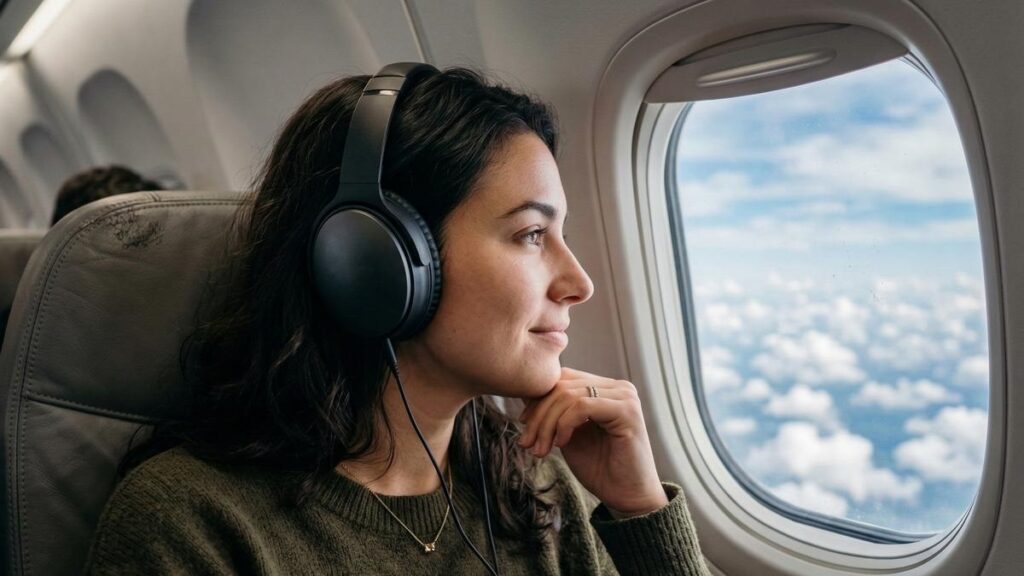
Noise Cancellation for Air Travel
Air travel is one of the most common reasons people choose ANC headphones.
Reduce Engine and Cabin Noise
The low-frequency drone of aircraft engines is a favorable use case for active cancellation.
Passengers may notice that music and spoken content are easier to hear at comfortable volumes.
Consider Long-Term Comfort
For long flights, evaluate earcup padding, headband pressure, and overall weight.
Comfort matters as much as noise reduction when headphones will be worn for several hours.
Check Wired Audio Options
Some airline entertainment systems still use physical headphone connections.
If you want to connect to an onboard screen, check whether your headphones support wired playback or compatible adapters.
Using ANC Headphones for Work and Study
Many American employees and students spend time in environments with competing conversations and background activity.
Remote Work
Headphones can reduce distractions from fans, appliances, or other household sounds.
For video calls, microphone performance and voice clarity are also important.
Open Offices
ANC may reduce continuous ventilation noise, but nearby conversations can remain audible.
Some users prefer combining ANC with low-volume background audio.
Libraries and Study Areas
Lightweight headphones or earbuds can be useful in shared study environments.
However, comfort, awareness, and local rules should guide their use.
Noise-Canceling Headphones vs. Regular Headphones
The main difference is how the devices handle outside sound.
Standard Headphones
Regular headphones focus on delivering audio to the listener.
Their earcups or ear tips may provide passive isolation, but they do not necessarily include active cancellation.
ANC Headphones
Active models use electronics to reduce selected environmental sounds.
They may require battery power for full ANC functionality.
Is ANC Always Better?
Not necessarily.
If you mostly listen in quiet rooms, well-designed regular headphones may meet your needs.
Noise cancellation is most valuable when unwanted environmental sound regularly affects your listening experience.
Important Features to Consider Before Buying
The right headphones depend on how and where you plan to use them.
Noise Reduction Performance
Look for independent testing across different frequencies rather than relying only on marketing descriptions.
Some products handle low-frequency rumble well but struggle with conversation noise.
Comfort and Fit
Try the headphones when possible.
Check earcup pressure, headband adjustments, ear tip sizes, and overall weight.
Battery Life
Wireless ANC headphones use power for audio playback, connectivity, and noise cancellation.
Compare manufacturer-rated battery life under realistic operating conditions.
Microphone Quality
If you frequently make calls, consider how well the microphones reproduce your voice in noisy environments.
Strong listening performance does not automatically mean excellent call quality.
Connectivity
Check Bluetooth compatibility, multipoint connections, wired options, and support for your preferred devices.
Understanding Transparency and Adaptive Modes
Modern headphones often include features beyond standard ANC.
Transparency Mode
Transparency mode uses microphones to let selected outside sounds pass through.
This can help users hear conversations or environmental activity without removing the headphones.
It does not guarantee full situational awareness.
Adaptive Noise Cancellation
Adaptive systems adjust noise reduction according to changing conditions.
Some products also respond to movement or conversation.
Adjustable ANC Levels
Certain models allow users to select different noise reduction strengths.
This can be useful when moving between quiet indoor spaces and louder public environments.
Do Noise-Canceling Headphones Protect Your Hearing?
This is an important distinction for consumers.
Everyday Listening Benefits
Reducing background noise may encourage users to listen at lower volumes.
However, ANC itself does not make excessively loud audio safe.
Not a Substitute for Workplace Hearing Protection
The CDC’s National Institute for Occupational Safety and Health explains that ordinary ANC headphones should not be considered hearing protection unless they have an appropriate Noise Reduction Rating.
OSHA similarly warns against replacing approved workplace hearing protection with ordinary consumer noise-canceling headphones.
Safe Listening Habits
The World Health Organization recommends keeping device volume below 60% of maximum where practical and monitoring sound exposure.
Its guidance identifies 80 decibels for up to 40 hours per week as a reference level for adult safe listening.
Higher sound levels require shorter exposure times.
Can Noise-Canceling Headphones Cause Discomfort?
Some listeners experience unusual sensations when using ANC.
Pressure-Like Sensations
Certain users describe a feeling of pressure or fullness despite no actual pressure change inside the ear.
This may be related to how the brain perceives reduced low-frequency sound.
Headband and Ear Pressure
Tight earcups or poorly fitted earbuds can cause physical discomfort.
Try a different fit or style when necessary.
When to Stop Using Them
If headaches, dizziness, ear pain, or other symptoms persist, stop using the device and seek appropriate professional advice.
Do not assume every symptom is caused by noise cancellation.
Common Noise-Canceling Headphone Drawbacks
ANC technology has limitations that buyers should understand.
Higher Purchase Prices
Products with advanced noise cancellation can cost more than basic headphones.
However, price alone does not guarantee better performance.
Battery Dependence
Wireless features and ANC usually require electrical power.
Check whether your chosen model supports listening when the battery is depleted.
Wind Interference
Outdoor wind can create microphone noise or interfere with cancellation performance.
Some headphones offer wind-reduction settings.
Reduced Environmental Awareness
Noise reduction may make nearby vehicles, announcements, or warning sounds harder to notice.
Use suitable awareness settings or remove headphones in situations requiring full attention.
How to Maintain Noise-Canceling Headphones
Good maintenance helps preserve comfort and functionality.
Clean Ear Cushions and Ear Tips
Follow the manufacturer’s instructions for removing sweat, skin oils, and accumulated debris.
Avoid soaking electronic components.
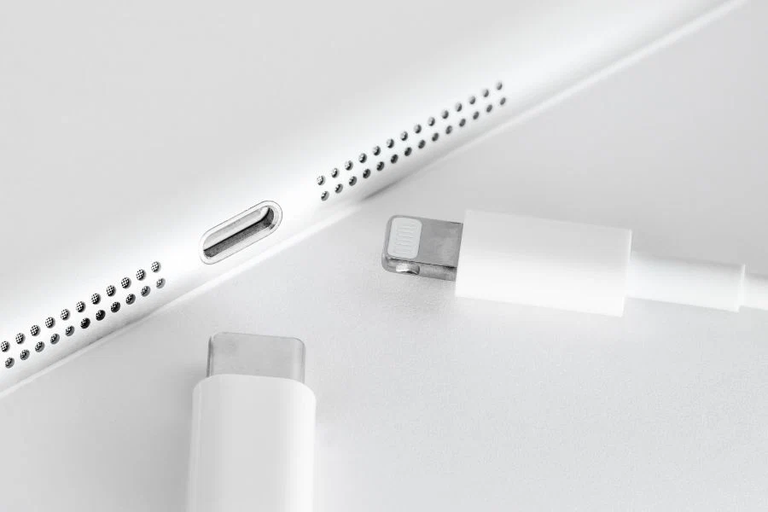
Protect the Charging Port
Keep charging connectors dry and free of dust.
Use appropriate cables and charging equipment.
Store Headphones Carefully
A protective case can reduce damage during commuting or travel.
Avoid leaving devices in excessively hot vehicles.
Update Firmware When Available
Manufacturers sometimes release updates addressing connectivity, controls, or audio performance.
Use official applications and trusted update methods.
What the Original Reference Explains
The supplied noise-canceling headphones article on Wikipedia provides an overview of active noise control technology.
Technology and History
The article explains the development of noise cancellation and the role of microphones, opposing sound waves, and different ANC configurations.
Common Applications
It discusses use in aviation, commuting, offices, and other environments with persistent noise.
Limitations and Safety
The reference also highlights differences between passive isolation and active cancellation, the difficulty of suppressing certain frequencies, and possible listening drawbacks.
For U.S. safety recommendations, official CDC, OSHA, and WHO resources provide more authoritative guidance.
Frequently Asked Questions About Noise-Canceling Headphones
1. How do noise-canceling headphones work?
They use microphones and electronic processing to generate signals that reduce certain incoming environmental sounds.
2. Are noise-canceling headphones good for flying?
Yes. They can be particularly effective at reducing steady aircraft engine and cabin noise.
3. Can noise-canceling headphones block all sounds?
No. Sudden sounds, speech, and higher-frequency noises may remain audible.
4. What is the difference between ANC and passive isolation?
ANC uses electronic sound processing, while passive isolation physically blocks some sound through cushions or ear tips.
5. Are noise-canceling headphones safe for everyday use?
They can be used safely when listeners maintain appropriate audio levels, take breaks, and remain aware of their surroundings.
6. Can I use ANC headphones as hearing protection at work?
Not unless they are specifically rated and suitable for the workplace’s required hearing protection.
7. Do noise-canceling headphones need batteries?
Active cancellation requires power. Whether audio playback continues with an empty battery depends on the model.
8. Are over-ear headphones better than noise-canceling earbuds?
Neither is automatically better. Performance depends on fit, design, comfort, noise reduction, and personal preferences.
Conclusion
Noise-canceling headphones offer a convenient way to reduce unwanted background sounds during travel, work, study, and everyday listening.
Their active noise cancellation technology is especially effective against steady, low-frequency noises, while physical isolation helps reduce additional environmental sounds.
When choosing a pair, consider comfort, noise reduction quality, battery life, microphone performance, and compatibility with your devices.
Remember that consumer ANC headphones are not a substitute for certified hearing protection in hazardous environments.
With realistic expectations and responsible listening habits, noise-canceling headphones can provide a more comfortable and enjoyable audio experience for many American consumers.

Written by Twastia Editorial Team
Twastia Editorial Team shares practical insights about website design, SEO services, Google Ads, content marketing, social media, conversion rate optimization, and digital marketing strategy.
Last updated: Oct 28, 2026
Related posts from Twastia
Explore more useful articles from twastia.com about digital marketing, SEO, websites, ads, content, and growth strategy.