Christmas: Best Guide to Traditions, History and Celebration Ideas
Christmas is one of the most widely recognized holidays in the United States. Every December, neighborhoods glow with colorful lights, […]
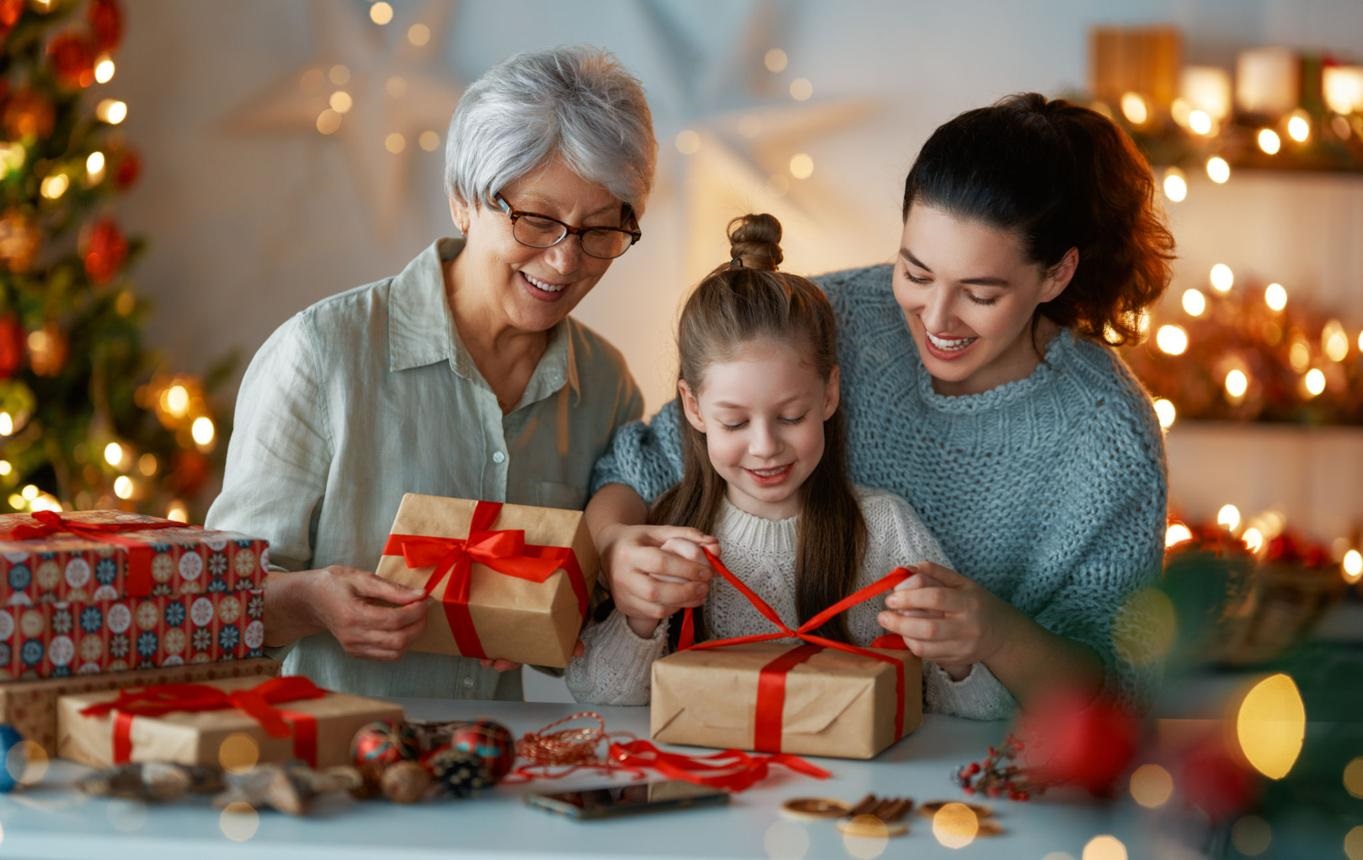
Christmas is one of the most widely recognized holidays in the United States. Every December, neighborhoods glow with colorful lights, families decorate Christmas trees, and people gather to exchange gifts, share meals, and create memories.
For Christians, Christmas celebrates the birth of Jesus Christ. For many others, it is also a cultural holiday centered on family, generosity, kindness, and seasonal traditions.
Although Christmas is celebrated on December 25 in the United States, holiday customs differ around the world. Some countries enjoy festive markets, others prepare special meals, and many communities have traditions passed down through generations.
Whether you love classic decorations, meaningful family activities, or discovering international customs, there are countless ways to enjoy the season.
This guide explores Christmas history, popular American traditions, celebrations around the world, decorating ideas, holiday food, and practical ways to make the season memorable without unnecessary spending.
What Is Christmas and Why Is It Celebrated?
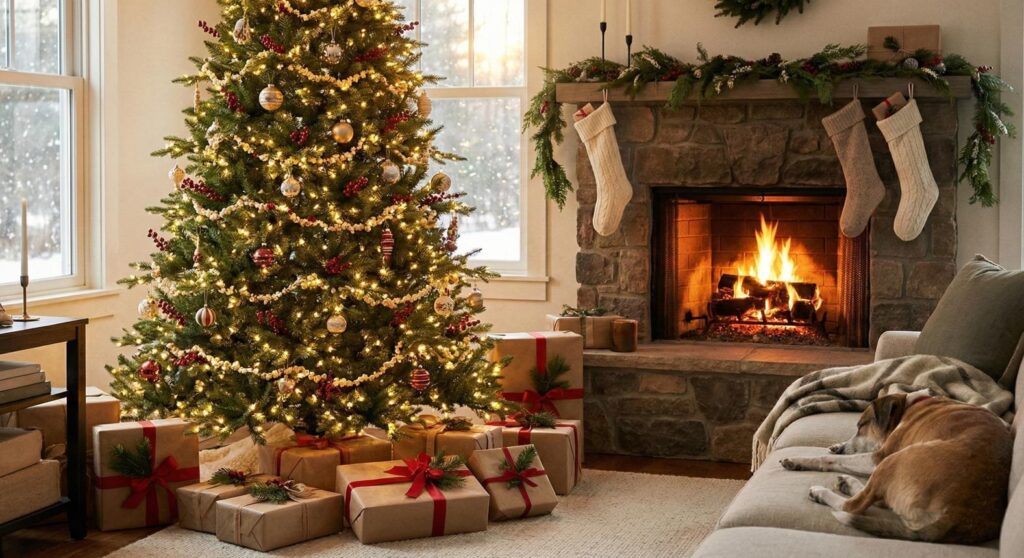
Christmas is an annual holiday observed on December 25 by many Christians and celebrated culturally by millions of other people.
The Religious Meaning of Christmas
Christian traditions recognize Christmas as a celebration of the birth of Jesus Christ.
Church services, Nativity scenes, prayers, and religious music remain important parts of the season for many families.
Some Christian communities follow different liturgical calendars and observe Christmas on dates such as January 7.
The Cultural Meaning of Christmas
Beyond religious observance, Christmas has become associated with gift exchanges, festive decorations, charitable giving, and family gatherings.
People celebrate differently depending on their beliefs, backgrounds, and personal traditions.
The History of Christmas

Many familiar holiday customs developed gradually across different cultures.
Early Christmas Celebrations
According to the Library of Congress, Christians in Rome observed the Feast of the Nativity on December 25 by the fourth century.
Winter celebrations involving greenery, light, and seasonal gatherings also influenced later customs.
How Christmas Became Popular in America
Christmas traditions changed as European immigrants brought different practices to the United States.
During the nineteenth century, Christmas increasingly became associated with family gatherings, decorated homes, and exchanging gifts.
Christmas as a Federal Holiday
The United States recognized Christmas as a federal holiday in 1870.
Today, the holiday influences schools, workplaces, retail businesses, entertainment, and community activities throughout the country.
Popular Christmas Traditions in America
American Christmas celebrations combine religious customs, regional activities, and family traditions.
Decorating the Christmas Tree
Many households decorate evergreen trees with ornaments, garlands, lights, and meaningful keepsakes.
Some families choose real trees, while others prefer reusable artificial options.
Hanging Christmas Stockings
Stockings are traditionally hung near fireplaces or other decorative areas.
Children may find candy, small toys, or personal gifts inside them on Christmas morning.
Exchanging Christmas Gifts
Gift giving is one of the best-known holiday customs.
Families exchange presents to show affection, appreciation, and thoughtfulness.
Singing Christmas Carols
Traditional carols and modern holiday songs are heard in churches, schools, community events, and homes.
Music helps create a festive atmosphere and brings people together.
Christmas Traditions Around the World
Looking beyond American customs reveals how differently communities celebrate the holiday.
Germany: Christmas Markets
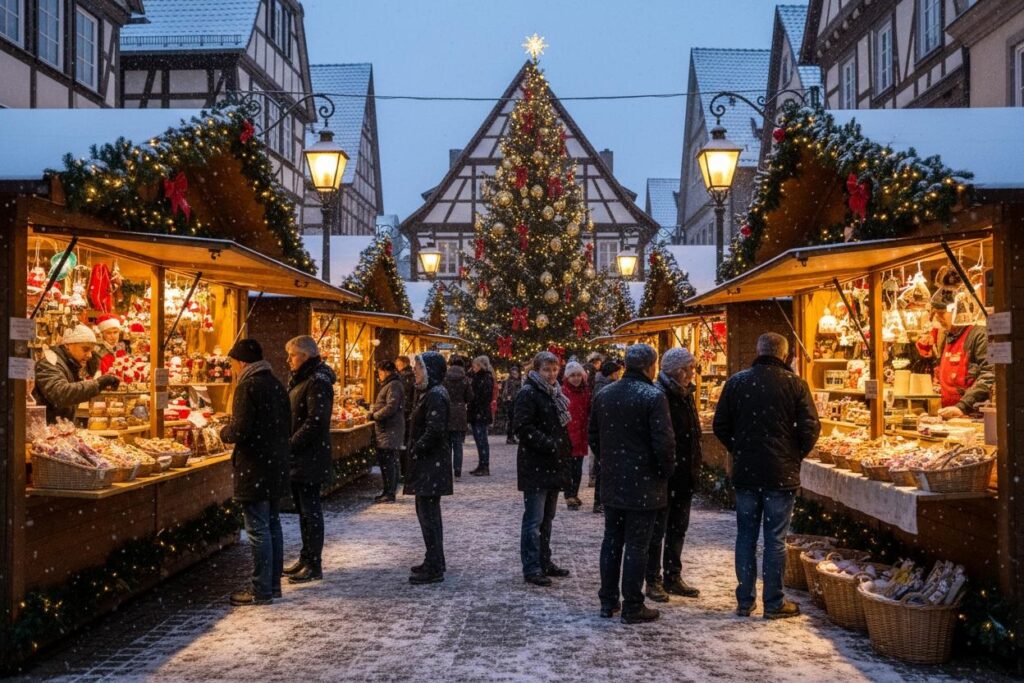
German Christmas markets are famous for wooden stalls, handmade ornaments, seasonal food, and glowing lights.
These markets provide opportunities for shopping, social gatherings, and enjoying traditional winter treats.
Japan: Christmas Fried Chicken
In Japan, fried chicken became a popular Christmas meal following a successful KFC marketing campaign during the 1970s.
Unlike the religious importance Christmas holds for many American families, celebrations in Japan are often more commercial or social.
Iceland: The Thirteen Yule Lads
Icelandic folklore includes thirteen Yule Lads who visit children during the Christmas season.
Children traditionally place shoes near windows, hoping to receive small treats.
Mexico: Las Posadas
Las Posadas is celebrated in many Mexican communities during the days leading up to Christmas.
Traditional activities commemorate Mary and Joseph’s search for shelter and may include processions, songs, prayers, and community gatherings.
Philippines: Simbang Gabi
Many Filipino Catholics attend a series of early morning or evening Masses before Christmas.
The celebration is closely associated with community, religious devotion, and traditional holiday foods.
Christmas Eve Traditions
December 24 is an important part of the holiday experience for many families.
Family Dinners
Some households prepare their main holiday meal on Christmas Eve rather than Christmas Day.
Traditional menus reflect cultural backgrounds and family preferences.
Attending Church Services
Christmas Eve services often include seasonal music, scripture readings, and candlelight gatherings.
Opening One Present
Some families allow children to open a single gift before bedtime.
Others prefer saving all presents for Christmas morning.
Watching Christmas Movies
Watching a favorite holiday movie can become a simple tradition that brings everyone together.
Choose age-appropriate films and make the evening comfortable with blankets and snacks.
Christmas Decorations for a Festive Home
Decorating can make everyday spaces feel welcoming during the holiday season.
Christmas Tree Decorations
Start with lights, then add ornaments and decorative accents.
A coordinated color palette can create an elegant appearance, while mixed family ornaments give the tree personal meaning.
Indoor Decorations
Wreaths, stockings, greenery, table runners, and seasonal pillows can create a festive look without major changes.
Use decorations appropriate for your space and budget.
Outdoor Christmas Lights
Outdoor lighting adds seasonal charm to porches, trees, and rooflines.
Use products rated for outdoor conditions and follow electrical safety instructions.
Budget-Friendly Decorations
Handmade paper ornaments, reusable ribbons, and natural greenery can reduce spending.
Decorating does not need to be expensive to feel special.
Traditional Christmas Food in America
Holiday meals differ widely across American households.
Main Christmas Dishes
Roast turkey, glazed ham, roast beef, and other family favorites commonly appear at Christmas gatherings.
Vegetarian and plant-based dishes are increasingly included in holiday menus.
Popular Side Dishes
Mashed potatoes, roasted vegetables, stuffing, casseroles, and dinner rolls are familiar options.
Families may also prepare regional specialties.
Christmas Desserts
Christmas cookies, gingerbread, pies, fruitcake, and decorated cakes are popular seasonal treats.
Baking together can become an activity rather than simply meal preparation.
Holiday Drinks
Hot chocolate, apple cider, and eggnog are traditional holiday favorites.
Offer nonalcoholic choices so guests of different ages and preferences feel included.
Meaningful Christmas Gift Ideas
Thoughtful gifts do not always require large budgets.
Personalized Gifts
Photo albums, customized ornaments, handmade cards, and personal keepsakes can reflect shared memories.
Experience-Based Gifts
Tickets, cooking classes, memberships, and planned family outings offer alternatives to physical presents.
Practical Gifts
Useful household items, books, hobby supplies, and everyday accessories may be appreciated.
Homemade Gifts
Cookies, candles, crafts, and carefully prepared gift baskets can feel personal.
Consider food allergies and individual preferences before making edible gifts.
Fun Christmas Activities for Families
Shared experiences can become the most memorable part of the holiday.
Bake Christmas Cookies
Choose a simple recipe and let family members help decorate.
You can package extra cookies for neighbors or friends.
Create Handmade Ornaments
Use paper, wood, fabric, or recycled materials to make decorations.
Add the year to each ornament to create a collection of family memories.
Visit Local Holiday Events
Explore community light displays, concerts, markets, or neighborhood celebrations.
Check schedules and admission costs before visiting.
Organize a Christmas Game Night
Board games, holiday trivia, and simple group activities can entertain guests without expensive equipment.
How to Celebrate Christmas on a Budget
Holiday spending can become stressful without clear planning.
Set a Spending Limit
Decide how much you can comfortably spend on gifts, food, travel, and decorations.
Keep essential household expenses separate.
Make a Gift List
Plan presents early and prioritize people rather than making last-minute purchases.
Reuse Decorations
Storing ornaments and decorative items carefully helps them last for future seasons.
Share Hosting Responsibilities
When appropriate, ask family members to contribute a dish or help with setup.
A shared celebration can reduce expenses and workload.
Christmas Travel in the United States
Many Americans travel during the holiday season to visit family or explore festive destinations.
Plan Transportation Early
Flights, trains, hotels, and rental cars may experience high holiday demand.
Compare options before making reservations.
Prepare for Winter Weather
Snow, ice, and storms can disrupt travel in some regions.
Check forecasts, road conditions, and airline notifications before departure.
Protect Your Home
If traveling, secure doors and windows, manage deliveries, and arrange appropriate care for pets.
Allow Extra Time
Travel delays are possible during busy holiday periods.
A flexible schedule can make the experience less stressful.
Giving Back During Christmas
Generosity is an important part of the season for many families.
Support Local Charities
Food banks, shelters, and community organizations may need financial contributions or appropriate supplies.
Contact organizations to understand their current needs.
Volunteer Your Time
Community meals, donation sorting, and neighborhood support programs offer opportunities to help others.
Remember People Who Feel Isolated
A phone call, thoughtful message, or invitation may mean a great deal to someone spending the holiday alone.
Teach Children About Kindness
Encourage children to participate in age-appropriate acts of generosity.
Focus on empathy rather than expecting recognition.
Planning a Stress-Free Christmas Celebration
Simple organization can make the season more enjoyable.
Start With a Holiday Calendar
Mark family events, school activities, travel dates, and important preparation deadlines.
Prepare Food in Advance
Choose recipes that can be refrigerated or frozen safely ahead of time.
Follow appropriate food handling and storage practices.
Divide Responsibilities
Share decorating, shopping, cooking, and cleanup tasks among willing family members.
Keep Expectations Realistic
Not every meal, gift, or decoration needs to look perfect.
Prioritize experiences that matter to the people celebrating.
Frequently Asked Questions About Christmas
1. When is Christmas celebrated in the USA?
Christmas Day is celebrated on December 25 every year. Christmas Eve falls on December 24.
2. Why do Christians celebrate Christmas?
Christians celebrate the birth of Jesus Christ, although customs and worship practices vary between denominations.
3. Is Christmas a federal holiday in America?
Yes. Christmas Day became a federal holiday in the United States in 1870.
4. Where did Christmas trees originate?
Decorated Christmas trees became especially associated with German traditions before becoming popular in the United States.
5. Why do people exchange Christmas gifts?
Gift giving has religious, historical, and cultural influences. Today, many families use presents to express affection and appreciation.
6. How is Christmas celebrated around the world?
Celebrations include special meals, religious services, markets, music, gift exchanges, and distinctive local traditions.
7. What are affordable Christmas activities?
Baking cookies, making ornaments, watching movies, playing games, and visiting free community events are accessible options.
8. How can families make Christmas more meaningful?
Focus on spending time together, respecting individual traditions, helping others, and creating shared memories rather than expensive purchases.
Conclusion
Christmas brings together religious meaning, cultural traditions, family celebrations, and opportunities for kindness.
In the United States, familiar customs such as decorating trees, exchanging gifts, preparing festive meals, and gathering with loved ones remain central to many holiday experiences.
Around the world, different communities celebrate through unique foods, festivals, religious observances, and folklore.
Whether your plans involve a large family dinner, a quiet evening, community volunteering, or exploring new traditions, a meaningful Christmas does not depend on spending more money.
By planning thoughtfully, celebrating respectfully, and making room for connection, you can create a holiday season filled with warmth, generosity, and lasting memories.

Written by Twastia Editorial Team
Twastia Editorial Team shares practical insights about website design, SEO services, Google Ads, content marketing, social media, conversion rate optimization, and digital marketing strategy.
Last updated: Oct 29, 2026
Related posts from Twastia
Explore more useful articles from twastia.com about digital marketing, SEO, websites, ads, content, and growth strategy.