12 Major Benefits of Using Boxes for Your Business
Packaging plays an important role in how businesses store, transport, present, and deliver their products. Whether you operate an online […]
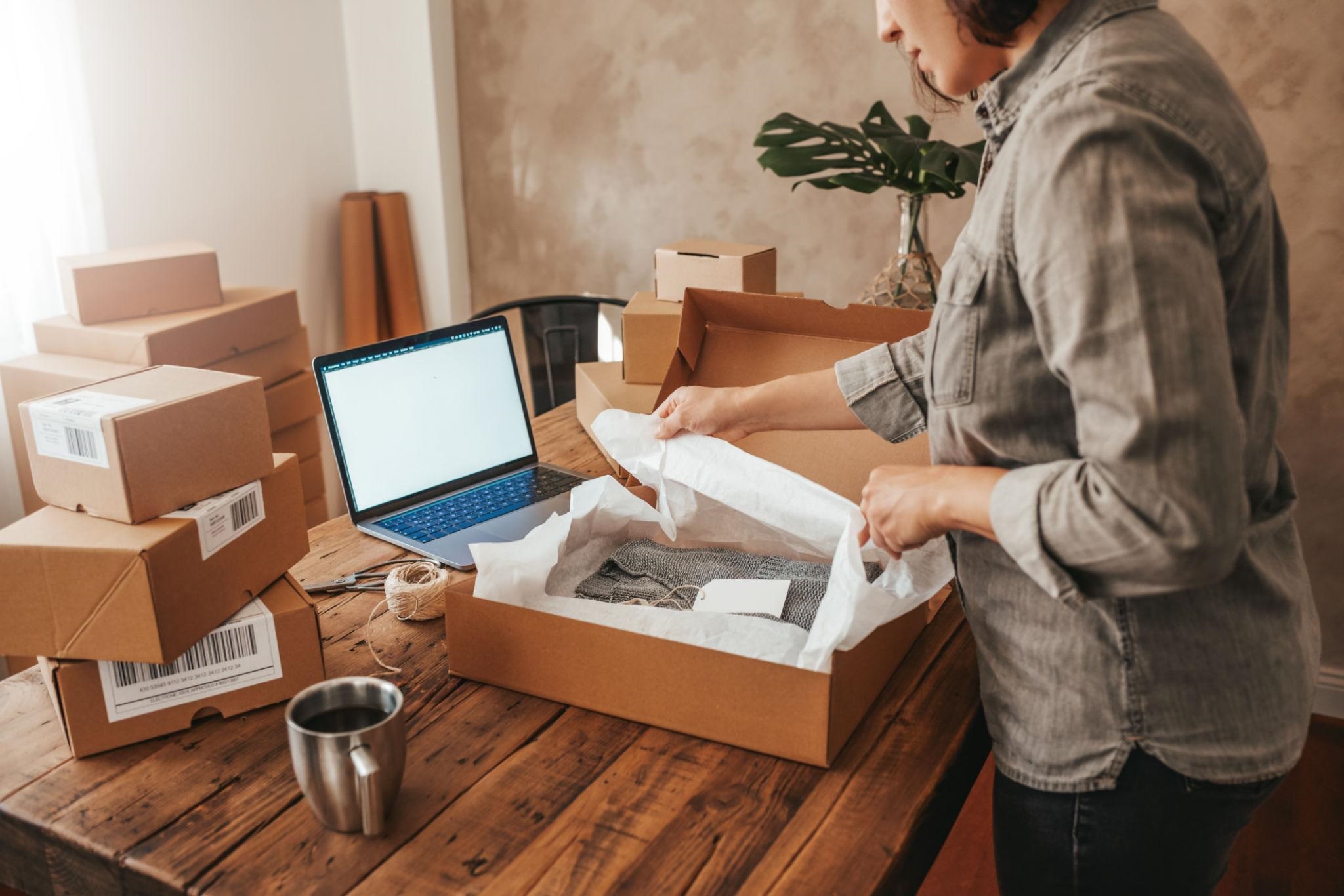
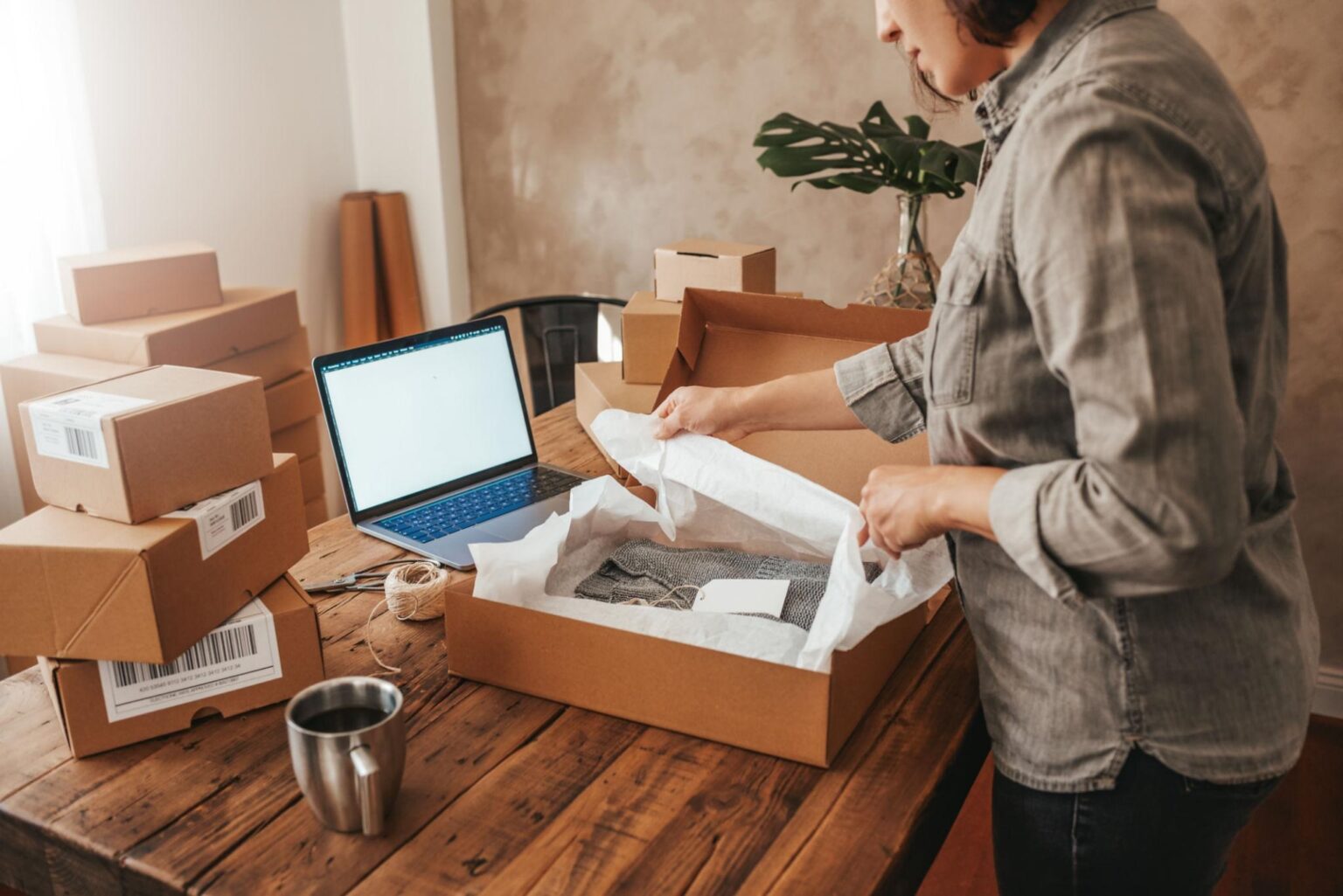
Packaging plays an important role in how businesses store, transport, present, and deliver their products. Whether you operate an online store, retail shop, manufacturing company, or small home-based business, the right packaging can influence everyday operations and customer satisfaction.
Among the available packaging solutions, cardboard and corrugated boxes remain popular because they are practical, versatile, and available in many sizes.
However, boxes do much more than hold products. They can help protect merchandise, organize inventory, communicate brand identity, and simplify order fulfillment.
Understanding the 12 major benefits of using boxes for your business can help you make informed decisions about packaging materials and create a better experience for customers.
Choosing suitable boxes also requires considering product weight, fragility, shipping distance, storage conditions, and environmental impact.
This guide explores how business packaging boxes can support operations, reduce avoidable expenses, and improve product presentation for companies across the United States.
Why Are Packaging Boxes Important for Businesses?
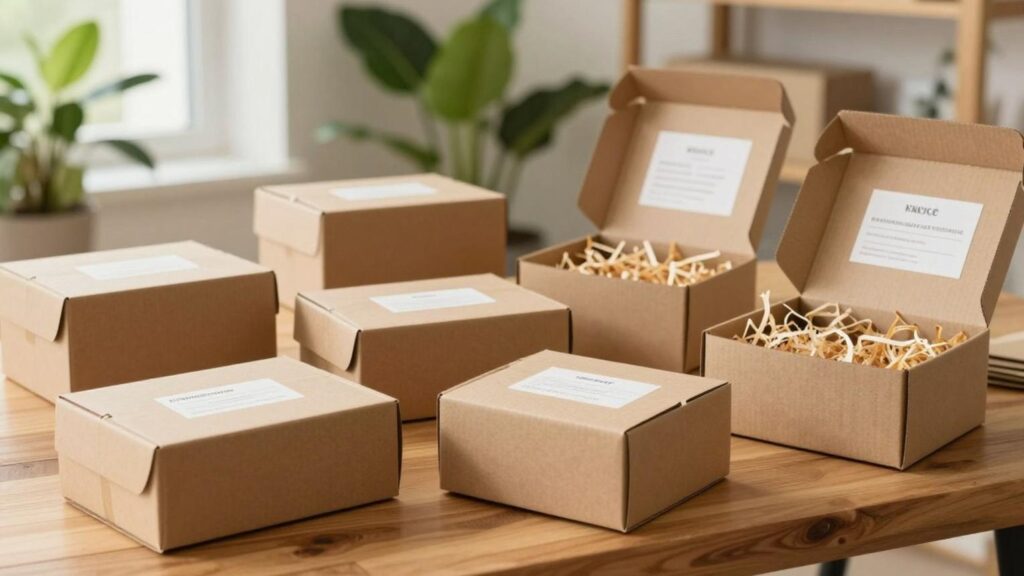
A packaging box serves as a protective container and a practical tool for moving products between locations.
Boxes are widely used in retail, wholesale distribution, warehousing, and e-commerce because they can accommodate products with different dimensions and handling requirements.
Different Types of Business Boxes
Corrugated shipping boxes contain a fluted paper structure designed to provide strength and cushioning. Folding cartons are often used for lightweight retail products, while rigid boxes are common for premium gift packaging.
Each design serves a different purpose.
Why Choosing the Right Box Matters
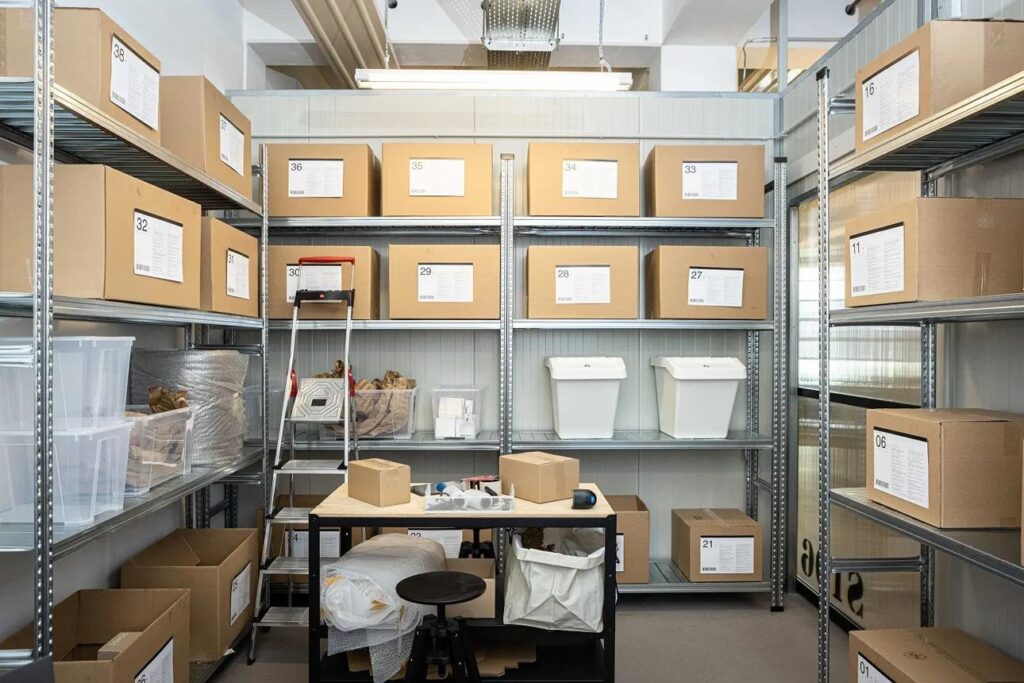
An oversized box can require unnecessary filling materials and increase shipping costs. An undersized or weak box may fail to protect its contents.
Proper packaging balances strength, dimensions, weight, presentation, and cost.
1. Boxes Protect Products During Shipping
Product protection is one of the most important benefits of business packaging boxes.
Reduce Shipping Damage
Packages may experience movement, stacking pressure, vibration, and repeated handling during transportation.
Strong corrugated boxes provide an outer structure that helps protect merchandise against these conditions.
However, the box must be appropriate for the product’s weight and fragility.
Support Protective Cushioning
The United States Postal Service recommends choosing sturdy packaging with sufficient space for cushioning materials.
Fragile products may require dividers, inserts, molded supports, or additional protective wrapping.
For example, a business shipping ceramic mugs can use individual protective compartments rather than placing several mugs loosely inside one box.
2. Custom Boxes Improve Brand Recognition
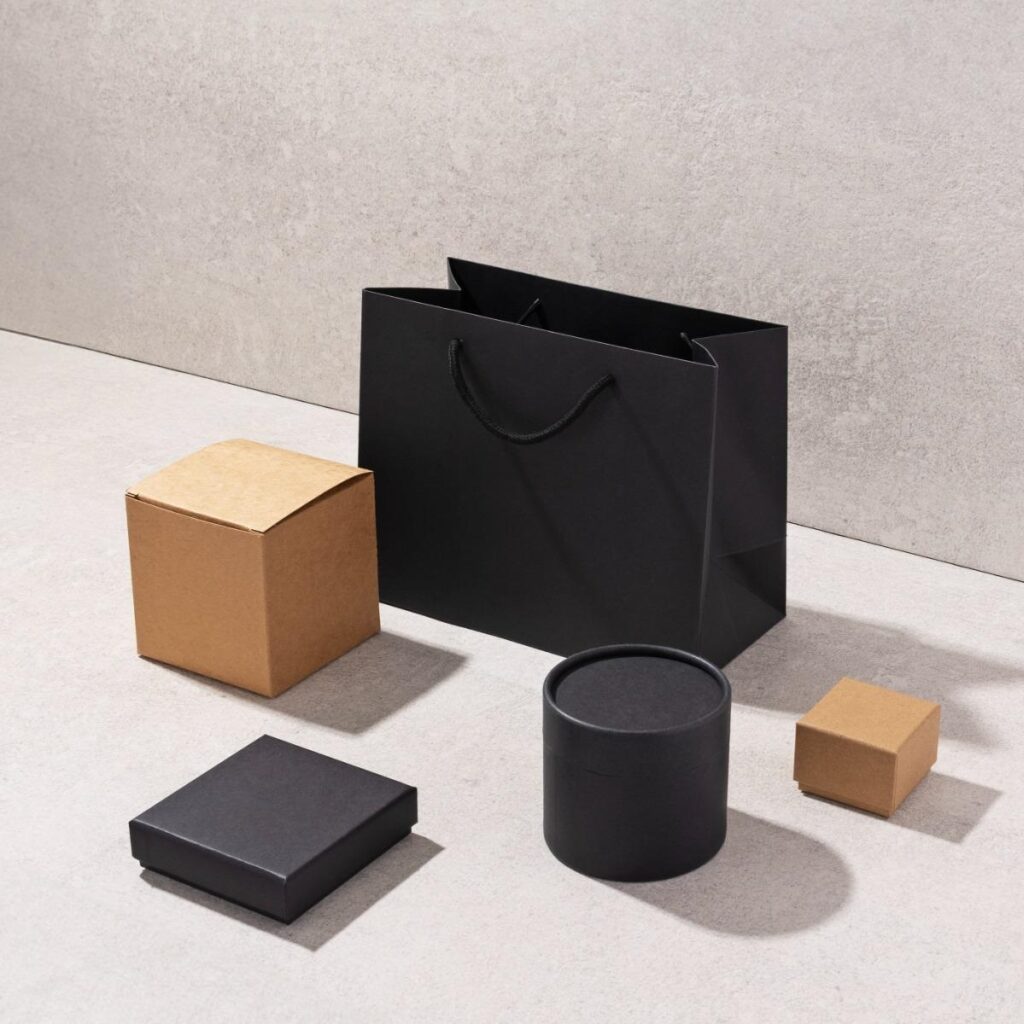
Packaging provides another opportunity to introduce customers to your business.
Create a Consistent Brand Identity
Custom printed boxes can display your company name, logo, colors, and other visual elements.
Using consistent packaging helps customers recognize your brand across multiple purchases.
Make Products More Memorable
A carefully designed package can create a professional impression before customers even open it.
This is especially relevant for online businesses where packaging is often the first physical interaction with the brand.
Keep Branding Practical
Design should not interfere with shipping labels, handling instructions, or package strength.
Simple printing can be effective without requiring expensive decorative finishes.
3. Boxes Can Help Reduce Packaging Costs
Appropriate packaging choices can contribute to more efficient spending.
Purchase Suitable Standard Sizes
Businesses that repeatedly ship similar products can standardize box dimensions.
This may simplify purchasing and reduce the number of different packaging supplies required.
Consider Bulk Purchasing
Ordering boxes in larger quantities may lower the unit price, depending on supplier terms.
However, excess inventory requires storage space and ties up money.
Avoid Unnecessary Materials
Choosing a box that closely matches the product can reduce the need for extra cushioning.
Calculate the total packaging cost, including labor, supplies, storage, and shipping, rather than considering box price alone.
4. Boxes Make Shipping and Handling Easier
Standardized packaging can simplify order movement through a business.
Support Efficient Packing
Boxes with consistent dimensions are easier to incorporate into repeatable packing procedures.
Employees can become familiar with which containers suit particular products.
Improve Label Placement
Flat surfaces provide convenient areas for shipping labels, barcodes, and handling information.
Labels should remain visible and meet carrier requirements.
Simplify Transportation
Properly constructed boxes can be arranged for handling and transportation.
Safe stacking depends on their strength, weight, contents, and environmental conditions.
Businesses should avoid stacking packages beyond manufacturer recommendations.
5. Boxes Improve Warehouse Organization
Organized storage helps employees locate products and prepare orders more efficiently.
Separate Different Products
Boxes can group similar merchandise, spare parts, accessories, or seasonal inventory.
This makes it easier to establish a consistent storage system.
Use Clear Identification
Inventory labels, item numbers, and barcodes help staff identify contents without opening every container.
Make Stock Counts Easier
A structured packaging system can support regular inventory checks.
Businesses should still maintain accurate digital or physical records rather than relying solely on labels.
Protect Stored Merchandise
Suitable containers can reduce exposure to dust and casual handling damage.
For moisture-sensitive goods, storage conditions and packaging specifications also matter.
6. Boxes Enhance the Customer Unboxing Experience
Opening a package is part of the buying experience, particularly for e-commerce customers.
Create an Attractive Presentation
Neatly arranged products, appropriate tissue paper, and thoughtful inserts can make a delivery feel more polished.
Include Helpful Information
A box can contain care instructions, assembly guidance, or customer support details.
These additions should provide genuine value rather than unnecessary promotional clutter.
Encourage Customer Confidence
Secure, tidy packaging demonstrates attention to product handling.
However, attractive boxes cannot compensate for poor product quality or unreliable service.
The strongest customer experience combines suitable packaging with accurate orders and dependable delivery.
7. Boxes Offer Flexible Packaging Options
Different industries need different packaging designs.
Choose From Multiple Materials
Businesses can select corrugated cardboard, paperboard cartons, rigid boxes, or reusable containers.
The best choice depends on the product.
Customize Dimensions
Made-to-size boxes may be useful for unusually shaped or delicate items.
They can reduce unused space when designed correctly.
Add Product-Specific Inserts
Internal dividers can separate glassware, electronics, cosmetics, and other goods.
Adapt Packaging for Promotions
Seasonal colors, printed sleeves, and removable inserts can refresh presentation without redesigning every package.
Flexibility helps businesses maintain consistent packaging while accommodating different products.
8. Cardboard Boxes Support Recycling and Reuse
Environmental considerations have become an important part of packaging decisions.
Choose Recyclable Materials
Corrugated cardboard is widely accepted through U.S. recycling programs, although local requirements vary.
The American Forest & Paper Association advises businesses to empty, flatten, and keep cardboard clean and dry before recycling.
Prioritize Material Reduction
The Environmental Protection Agency places waste prevention and reuse ahead of recycling in its preferred waste-management hierarchy.
Right-sized packaging can reduce unnecessary material use.
Reuse Boxes When Appropriate
Undamaged boxes may be reused for storage or suitable shipments.
Remove previous labels and verify that the container remains strong enough for the next use.
Avoid Misleading Environmental Claims
A recyclable box does not automatically make an entire package sustainable.
Coatings, adhesives, inserts, transportation, and disposal conditions also affect environmental performance.
9. Boxes Help Businesses Use Storage Space Efficiently
Storage space can become expensive as businesses grow.
Standardize Box Dimensions
Consistent box sizes can help businesses plan shelves, racks, and packing areas.
Use Stackable Designs
Boxes suitable for stacking may improve space utilization when their load limits are respected.
Store Packaging Flat
Many corrugated boxes arrive flat and can be assembled when required.
This reduces the storage space needed for unused containers.
Plan for Practical Access
Efficient storage should never compromise aisle clearance, fire safety, or employee access.
Heavy products should be positioned according to safe material-handling practices.
10. Boxes Support Different Business Industries
Packaging boxes work across a wide range of commercial applications.
E-Commerce and Retail
Online stores use boxes to deliver clothing, accessories, household products, and electronics.
Food Businesses
Food companies may use appropriately designed cartons for bakery items, takeaway meals, or packaged goods.
Food-contact and temperature-control requirements must be considered separately.
Cosmetics and Beauty
Beauty brands often use printed cartons to organize products and present branding information.
Manufacturing and Distribution
Industrial businesses use strong shipping containers for equipment components, tools, and wholesale orders.
This versatility allows companies to select packaging according to their operational needs.
11. Boxes Can Reduce Product Returns Caused by Damage
Shipping damage can create additional expenses and customer frustration.
Protect Merchandise More Effectively
The correct combination of box strength, cushioning, and secure closure can reduce preventable damage during transit.
UPS recommends appropriate protective materials and additional boxing for certain fragile or valuable shipments.
Reduce Replacement Expenses
Fewer damaged products may mean fewer replacement shipments, refund requests, and customer service cases.
Improve Delivery Consistency
A standardized packing process helps employees follow the same quality expectations.
Track Damage Rates
Businesses should measure the reasons for returns to determine whether packaging improvements are producing results.
Not every return is packaging-related.
12. Boxes Support Business Growth and Professional Operations
As a company expands, packaging becomes part of a larger fulfillment system.
Establish Repeatable Workflows
Standard box sizes, packing instructions, and labeling procedures simplify employee training.
Prepare for Higher Order Volumes
An organized packaging process can make seasonal demand easier to manage.
Work With Fulfillment Partners
Consistent packaging specifications help businesses communicate requirements to warehouses and third-party logistics providers.
Maintain a Professional Presentation
Reliable packaging supports consistent delivery standards across different products and sales channels.
As the business grows, regularly reviewing packaging performance can reveal opportunities for improvement.
How to Choose the Right Boxes for Your Business
Understanding the benefits is useful, but selecting appropriate boxes requires practical evaluation.
Consider Product Weight and Dimensions
Measure your merchandise and include space for necessary protective materials.
Check box strength ratings and supplier specifications.
Evaluate Shipping Conditions
Consider whether products will travel locally, nationally, or internationally.
Longer routes and additional handling may require more protective packaging.
Compare Packaging Suppliers
Request samples, review minimum order quantities, and compare total delivered costs.
Test Before Buying in Bulk
Pack sample orders and evaluate how the packaging performs during realistic handling and shipping conditions.
Common Packaging Mistakes Businesses Should Avoid
Choosing the wrong boxes can undermine otherwise good products.
Using Oversized Boxes
Excessive space increases material use and may create unnecessary transportation expenses.
Ignoring Box Strength
Containers must support the weight and handling requirements of their contents.
Using Inadequate Cushioning
Fragile products need protection against movement and impact.
Reusing Damaged Boxes
Previously used containers may have weakened corners or compromised structural strength.
Overlooking Shipping Rules
USPS and other carriers establish requirements for package strength, sealing, labels, and restricted materials.
Businesses should review the rules that apply to each shipment.
Frequently Asked Questions About Business Packaging Boxes
1. What are the main benefits of using boxes for business?
Boxes protect products, support shipping, organize inventory, enhance branding, improve presentation, and help create repeatable fulfillment processes.
2. Are cardboard boxes suitable for e-commerce businesses?
Yes. Corrugated cardboard boxes are commonly used for online orders when appropriately sized and packed for the products being shipped.
3. Can custom packaging boxes improve brand recognition?
Custom printing can make company branding more recognizable and create a consistent presentation across shipments.
4. Are cardboard boxes recyclable in the USA?
Cardboard is widely recyclable, but businesses should check local collection requirements and keep materials appropriately clean and dry.
5. What is the difference between cardboard and corrugated boxes?
Corrugated boxes contain a fluted paper layer that provides strength, while ordinary paperboard cartons are typically thinner and suit lighter products.
6. Do packaging boxes help lower shipping costs?
Right-sized packaging may reduce unnecessary materials and certain shipping charges, depending on carrier pricing and shipment characteristics.
7. Can businesses reuse shipping boxes?
Yes, provided the boxes remain structurally sound, are suitable for the contents, and have previous shipping labels removed or obscured.
8. How should a small business choose packaging boxes?
Consider product size, weight, fragility, shipping method, presentation needs, environmental impact, and the total packaging budget.
Conclusion
Understanding the 12 major benefits of using boxes for your business can help you make smarter packaging decisions and build more organized operations.
Boxes serve many purposes beyond basic product storage. They can protect merchandise, strengthen brand presentation, simplify warehouse organization, support shipping, and improve the customer experience.
Appropriate corrugated packaging may also help reduce avoidable damage and unnecessary material use.
However, results depend on selecting the correct box sizes, strength ratings, cushioning materials, and packing methods.
Whether you operate a small online store or a growing distribution business, investing in practical packaging solutions can support more dependable fulfillment and long-term operational efficiency.
Start by evaluating your current packaging needs, testing suitable options, and choosing boxes that protect your products without creating unnecessary cost or waste.

Written by Twastia Editorial Team
Twastia Editorial Team shares practical insights about website design, SEO services, Google Ads, content marketing, social media, conversion rate optimization, and digital marketing strategy.
Last updated: Oct 29, 2026
Related posts from Twastia
Explore more useful articles from twastia.com about digital marketing, SEO, websites, ads, content, and growth strategy.