Private label products: The Best Guide to Building a Brand
In the fast-evolving digital commerce marketplace, entrepreneurship no longer requires inventing a brand-new physical technology from scratch. Instead, thousands of […]
In the fast-evolving digital commerce marketplace, entrepreneurship no longer requires inventing a brand-new physical technology from scratch. Instead, thousands of successful online brands, Amazon sellers, and retail founders build multi-million-dollar businesses by sourcing, customizing, and selling private label products. By partnering with established third-party contract manufacturers, modern digital brands can take proven, existing product concepts, apply custom branding and unique packaging, and launch high-margin products into rapidly growing consumer markets.
Selling private label products offers an ideal balance between operational flexibility, creative freedom, and strong profit margins. Unlike traditional retail arbitrage or wholesale distribution, where sellers compete on razor-thin margins against dozens of identical resellers, creating a proprietary brand gives you exclusive control over pricing, marketing positioning, and customer relationships. Whether you aspire to launch a viral skincare line on TikTok Shop, build a dominant store on Amazon FBA, or open a boutique direct-to-consumer (DTC) e-commerce storefront on Shopify, leveraging private label products provides a clear, scalable roadmap to sustainable business growth.
In this ultimate comprehensive guide, we will analyze how the private labeling business model functions, compare key product categories, outline a step-by-step launch framework, explore manufacturer sourcing strategies, and share actionable tips to scale your brand efficiently.
What Are Private Label Products and How Do They Work?
Understanding the underlying mechanics of private labeling helps aspiring entrepreneurs make smart strategic decisions regarding product development, supplier negotiation, and brand positioning.
Defining the Business Model

At its core, the business model surrounding private label products involves a partnership between a merchant and a third-party manufacturer. The manufacturer produces generic or customizable goods according to agreed-upon specifications, while the merchant sells those items exclusively under their own proprietary brand name, logo, and packaging design.
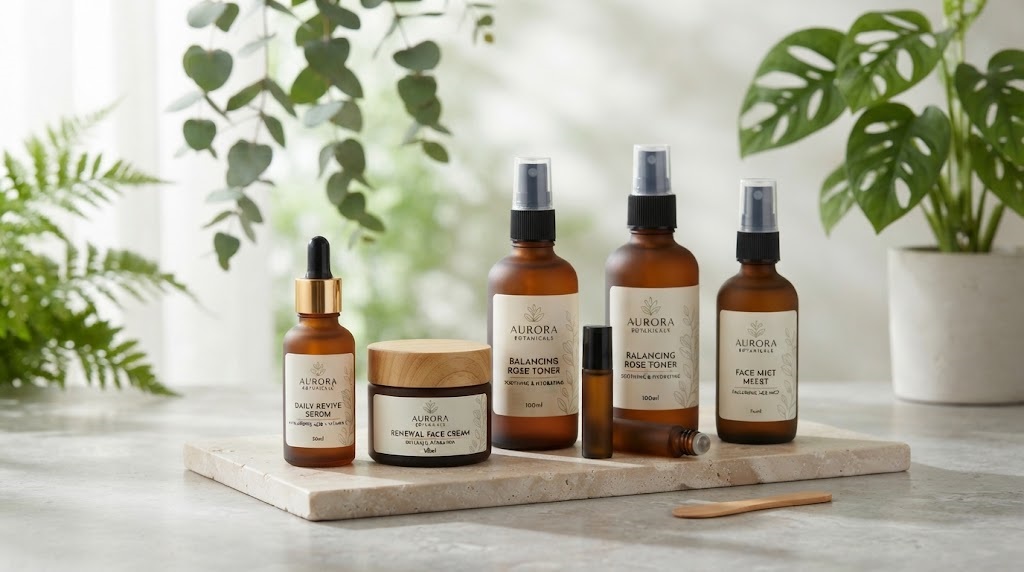
For example, a contract cosmetics manufacturer might produce a high-performance vitamin C serum formulation. A savvy e-commerce brand owner orders that serum formulation, applies custom eco-friendly glass dropper packaging featuring their brand’s distinct aesthetic, and sells the finished skincare item directly to consumers online. While the underlying physical product formula may be produced by a shared manufacturing facility, the overall brand identity, customer experience, and retail market presence belong entirely to the merchant selling private label products.
Private Label vs. White Label vs. Wholesale
To make informed sourcing decisions, entrepreneurs must distinguish between three common retail business models:
- Private Label Products: The product is manufactured exclusively for your brand, often allowing for custom modifications to materials, ingredients, colors, dimensions, and packaging. You hold exclusive rights to sell the customized product design under your brand name.
- White Label Products: Generic, mass-produced items manufactured by a third party and sold to multiple non-exclusive retailers. Retailers simply apply their own logo or sticker to identical, uncustomized items.
- Wholesale Reselling: Purchasing pre-branded, finished goods directly from established manufacturers or distributors (such as Sony, Nike, or Procter & Gamble) and reselling them at retail prices alongside other competing stores.
Choosing to develop private label products provides significantly higher profit margins and long-term business enterprise value compared to standard wholesale or white label reselling, because you own the underlying brand equity and customer base.
The E-Commerce Advantage
The explosive growth of online shopping platforms, localized third-party logistics (3PL) fulfillment centers, and global manufacturing marketplaces like Alibaba and ThomasNet has democratized brand creation. Today, an independent brand founder can research trending market demand, source high-quality private label products from overseas or domestic suppliers, set up automated fulfillment, and reach millions of nationwide consumers without ever managing a physical warehouse or factory.
Top Product Categories for Private Labeling in 2026
Selecting the right niche and product category is one of the most critical decisions in your e-commerce journey. The ideal product category balances strong market demand, high profit margins, manageable shipping dimensions, and recurring purchase potential.
Health, Wellness, and Nutritional Supplements
The health and wellness sector continues to experience massive expansion as consumers prioritize longevity, gut health, and fitness performance. Selling private label products within the dietary supplement space—such as organic protein powders, mushroom extract gummies, electrolyte hydration mixes, and botanical wellness teas—offers exceptional gross margins, often exceeding 75% to 80%. Because wellness items are consumable, successful brands generate steady recurring monthly revenue through automatic subscription models.
Beauty, Skincare, and Personal Care
Cosmetics and skincare represent another premier category for brand creation. Consumers actively seek specialized, niche solutions, such as vegan lip balms, peptide eye creams, scalp serums, and natural body scrubs. Developing private label products in personal care allows founders to leverage visually driven social commerce platforms like Instagram, TikTok, and Pinterest, where compelling before-and-after video content drives rapid customer acquisition.
Eco-Friendly Home Goods and Kitchenware
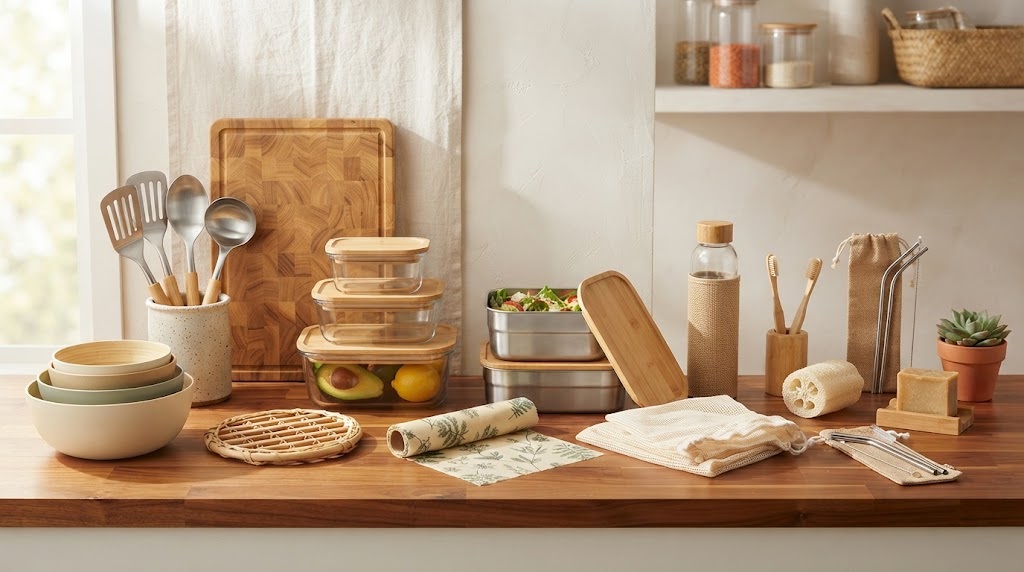
Modern consumers increasingly favor sustainable, environmentally conscious alternatives to single-use household items. Categories like reusable silicone food bags, bamboo kitchen utensils, compostable trash bags, and stainless steel insulated drinkware offer excellent opportunities for selling private label products. Adding unique aesthetic designs, ergonomic improvements, or plastic-free packaging allows brands to command premium pricing.
Pet Care and Accessories
Pet owners view their pets as cherished family members, leading to consistent spending across pet health, grooming, and lifestyle accessories. Sourcing private label products such as calming dog beds, natural flea shampoos, durable tactical leashes, and orthopedic pet mats provides access to a passionate, highly engaged customer base with strong brand loyalty.
Step-by-Step Process: How to Launch Your Own Brand
Launching a profitable business around private label products requires a structured, analytical approach to research, product design, manufacturer vetting, and launch marketing.
Step 1: Conduct Market Research and Niche Selection
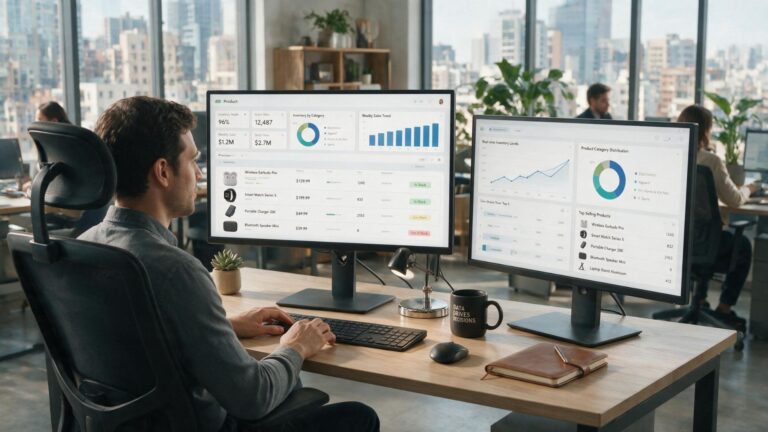
Successful brand builders do not guess what consumers want; they analyze hard search data and consumer buying trends. Utilize advanced e-commerce analytics software—such as Helium 10, Jungle Scout, or Google Trends—to evaluate search volume, market competition, and historical sales velocity on platforms like Amazon and Google.
Look for product niches that demonstrate steady, year-round search demand, strong average retail price points ($25 to $75), light shipping weights (under 2 pounds to minimize freight and fulfillment fees), and low market dominance by giant legacy brands. Reviewing negative customer feedback on existing competitor listings reveals common product defects, allowing you to design superior private label products that address unfulfilled consumer needs.
Step 2: Source Reliable Manufacturers and Suppliers
Once you identify a promising product concept, sourcing a reliable manufacturing partner is paramount. You can search for international suppliers via platforms like Alibaba and Global Sources, or look for domestic US contract manufacturers through directories like ThomasNet.
When evaluating suppliers for private label products, assess the following criteria:
- Verification and Certifications: Ensure the manufacturer holds ISO, GMP, FDA registration, or BSCI compliance certifications depending on product requirements.
- Minimum Order Quantity (MOQ): Negotiate manageable initial MOQs to reduce upfront capital risk during your first inventory order.
- Communication and Responsiveness: Choose suppliers with fluent English account managers who respond promptly to technical engineering questions.
- Customization Capabilities: Verify that the factory can accommodate custom color matching, mold adjustments, and custom packaging printing.
Step 3: Order Samples and Test Product Quality
Never place a full production order without thoroughly inspecting physical prototypes. Order sample units from at least three competing factories. Put sample private label products through rigorous real-world stress testing to evaluate material durability, functional performance, packaging integrity, and safety compliance. Compare finishing details, seam stitching, or chemical stability closely before signing a formal supply contract.
Step 4: Design Branding, Packaging, and Visual Identity
Your brand packaging is the first physical interaction a customer has with your business. Investing in professional graphic design, unboxing aesthetics, and clear brand typography transforms ordinary merchandise into a memorable luxury experience.
Collaborate with experienced package designers to create custom die-lines, brand logos, color palettes, and insert cards. Highlighting key selling points, certification badges (such as USDA Organic, Cruelty-Free, or BPA-Free), and clear usage instructions on the exterior box elevates the perceived value of your private label products, encouraging positive customer reviews and organic social media shares.
Step 5: Launch on Amazon FBA, Shopify, or Retail Channels
With inventory manufactured and quality-checked, you are ready to launch your sales channels. Many entrepreneurs start by listing private label products on Amazon using Fulfillment by Amazon (FBA), leveraging Amazon’s massive built-in traffic base and Prime two-day shipping infrastructure.
Simultaneously, building an independent direct-to-consumer (DTC) storefront on Shopify gives you total ownership of customer email lists, purchasing data, and brand storytelling. Utilize targeted social media advertising, influencer gifting campaigns, search engine optimization (SEO), and email marketing automation to drive qualified traffic to your listings during launch week.
Key Strategies for Scaling a Private Label Business
Transitioning from an initial product launch into a sustainable multi-channel brand requires strategic focus on customer retention, supply chain optimization, and brand expansion.
Building Brand Loyalty and Customer Engagement
Acquiring new customers online grows increasingly expensive over time. Maximizing customer lifetime value (LTV) is essential for long-term brand profitability. Provide exceptional customer support, implement post-purchase email onboarding sequences, and create engaging loyalty reward programs.
Consistently delivering premium quality across all your private label products builds trust, encouraging satisfied buyers to leave five-star reviews and recommend your store to friends.
Optimizing Supply Chain and Inventory Management
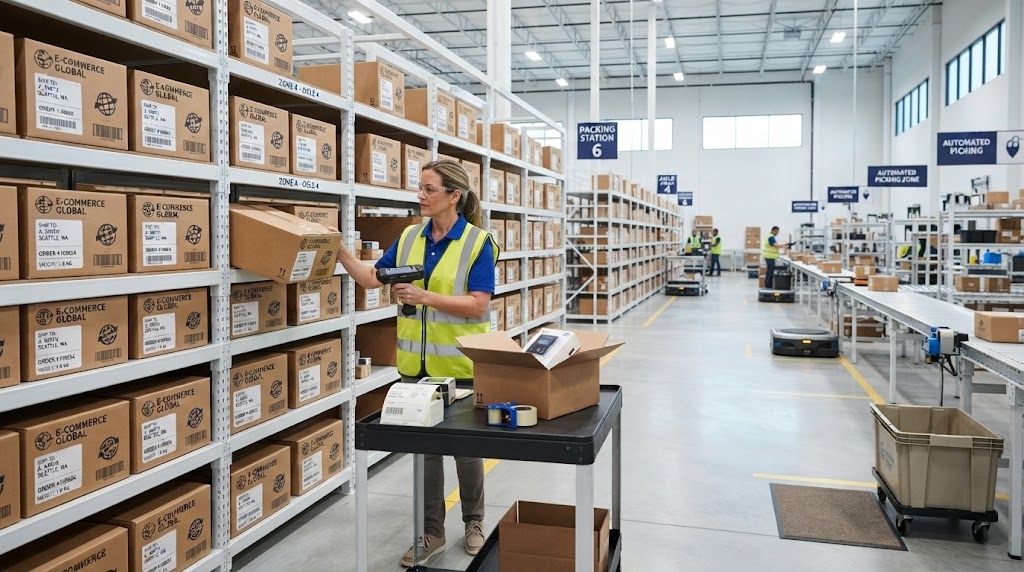
Inventory stockouts destroy search ranking algorithms and cost thousands in lost revenue, while over-ordering ties up precious working capital. Implement automated inventory forecasting tools that track sales velocity, supplier lead times, and seasonal demand spikes.
As order volume scales, negotiate lower unit costs and favorable payment terms (such as 30% deposit and 70% balance upon bill of lading) with your suppliers. Reinvest cost savings into product development, expanding your brand catalog with complementary private label products that appeal to your existing audience.
Frequently Asked Questions
What is the difference between private label products and white label products?
Private label products are manufactured exclusively for your brand with custom modifications to specifications, materials, design, or packaging. White label products are generic, mass-produced items sold to multiple non-exclusive sellers who simply apply their own logo stickers to identical items.
How much money do I need to start selling private label products?
Starting capital requirements vary based on product complexity, minimum order quantities (MOQs), and inventory costs. A typical initial launch for simple private label products ranges between $2,500 and $5,000, covering product samples, initial inventory production, branding design, trademark registration, and launch marketing.
Can I sell private label products on Amazon FBA and Shopify simultaneously?
Yes. Multi-channel selling is a highly recommended growth strategy. You can list your private label products on Amazon FBA to access massive built-in marketplace traffic while operating an independent Shopify website to capture direct customer emails and build long-term brand equity.
How do I find trustworthy manufacturers for private label products?
You can discover accredited international suppliers through platforms like Alibaba, Global Sources, or trade shows like the Canton Fair. For domestic US sourcing, utilize verified business directories like ThomasNet or search for specialized contract manufacturing facilities.
Do I need a registered trademark to sell private label products?
While not strictly mandatory on day one, registering a trademark for your brand name with the United States Patent and Trademark Office (USPTO) is strongly recommended. A registered trademark protects your brand identity from counterfeiters and unlocks Amazon Brand Registry benefits, including enhanced A+ content and anti-counterfeit protection.
What are the most profitable niches for private label products?
High-margin categories typically include health and nutritional supplements, beauty and skincare, pet accessories, eco-friendly kitchenware, and specialized fitness gear. Look for lightweight items priced between $25 and $75 with recurring purchase potential.
How do I prevent competitors from copying my private label products?
Protect your intellectual property by securing registered trademarks, designing custom proprietary packaging, bundling complementary accessories, and securing utility or design patents if you develop a unique mechanical or cosmetic improvement.
Conclusion
Building a modern e-commerce business focused on private label products represents one of the most accessible and lucrative pathways to entrepreneurial independence today. By shifting from simple reselling to true brand creation, you gain complete ownership over your pricing power, customer relationships, and long-term business equity. Successful launch strategies depend on thorough market research,
rigorous supplier vetting, high-end packaging design, and customer-centric marketing. As consumer shopping behaviors continue to shift toward digital channels, the demand for unique, high-quality private brand options will only grow. Take time to analyze product demand, order your first prototypes, and step confidently into the world of private label products to launch a thriving brand that stands out in the global marketplace.

Written by Twastia Editorial Team
Twastia Editorial Team shares practical insights about website design, SEO services, Google Ads, content marketing, social media, conversion rate optimization, and digital marketing strategy.
Last updated: Oct 20, 2026
Related posts from Twastia
Explore more useful articles from twastia.com about digital marketing, SEO, websites, ads, content, and growth strategy.