ACM Panels Aluminum Composite Material: Best Complete Guide
Modern architecture relies on building materials that combine attractive design, practical performance, and long-term durability. For commercial property owners, architects, […]

Modern architecture relies on building materials that combine attractive design, practical performance, and long-term durability. For commercial property owners, architects, contractors, and developers, exterior cladding is an important part of creating a distinctive building.
One widely used architectural option is aluminum composite material, commonly known as ACM.
ACM panels aluminum composite material products are manufactured using thin aluminum face sheets bonded to a central core. This layered construction creates a relatively lightweight, rigid, and smooth panel suitable for many design applications.
ACM panels appear on office buildings, retail storefronts, commercial facades, entrance canopies, signage, and architectural features throughout the United States.
However, selecting the correct panel involves more than choosing a color. Core composition, fire performance, structural requirements, fabrication methods, weather resistance, and installation details all affect suitability.
This guide explains how ACM panels work, their advantages, different applications, important specifications, installation considerations, maintenance, and factors influencing project costs.
What Are ACM Panels?
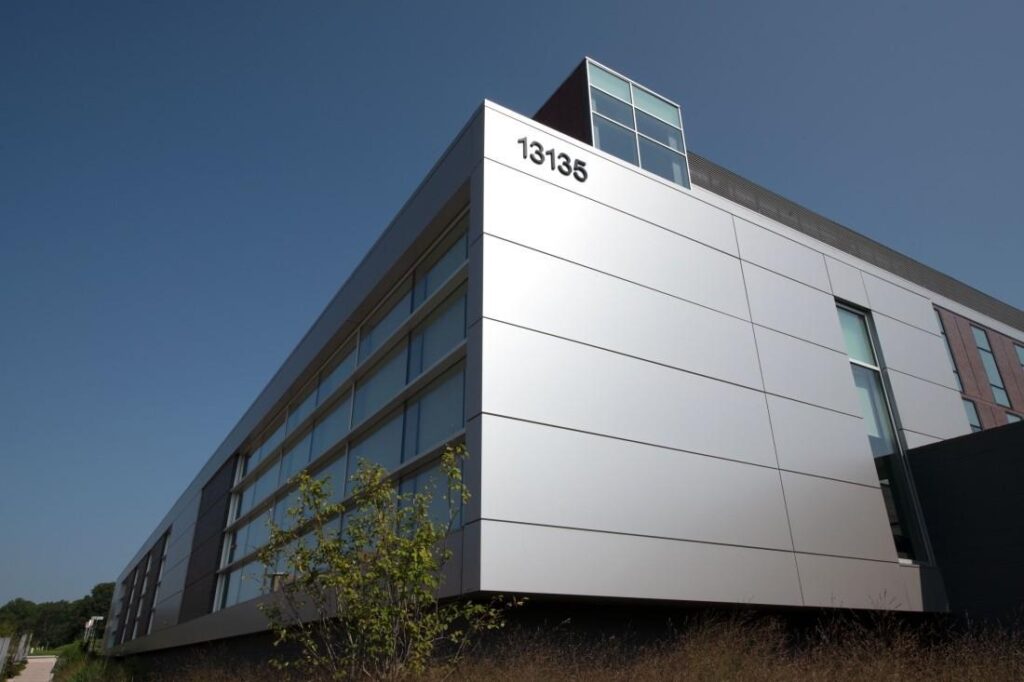
ACM stands for aluminum composite material.
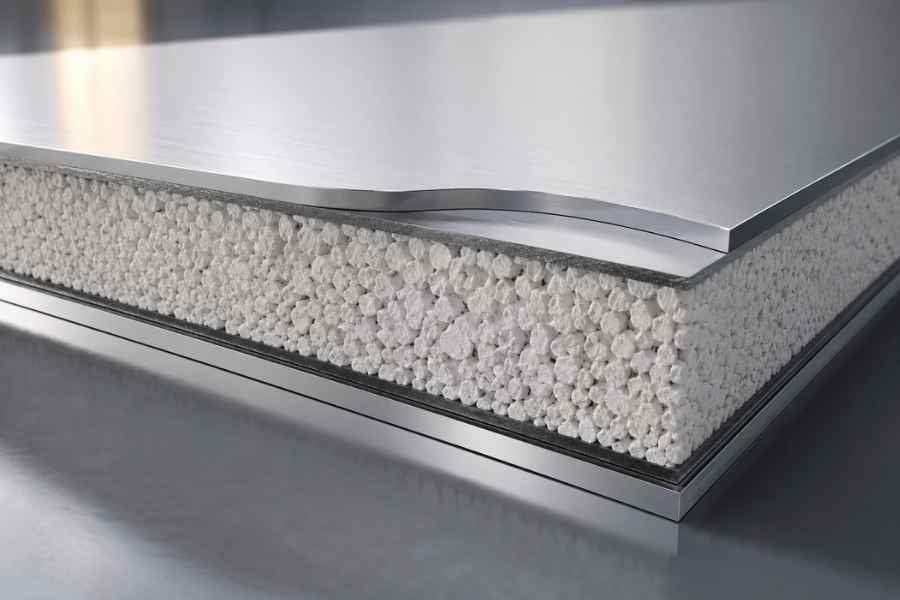
An ACM panel consists of two thin aluminum sheets bonded to a nonaluminum core. The combined layers create a relatively stiff panel with a smooth exterior appearance.
Understanding ACM Panel Construction
The outside aluminum surfaces provide the panel’s finish and contribute to its rigidity.
The center core helps create the composite structure and influences properties such as weight and fire performance.
Typical architectural products may have an overall thickness of approximately 3 to 6 millimeters, although available specifications vary.
ACM vs. MCM Panels
Metal composite material, or MCM, is the broader industry category.
ACM refers specifically to composite panels with aluminum face sheets.
In North American building specifications, the terms are sometimes discussed together, but they should not be assumed to describe every identical product.
How Aluminum Composite Material Panels Are Manufactured
Understanding the manufacturing process helps explain the appearance and versatility of ACM.
Aluminum Face Sheets
Manufacturers use thin aluminum layers to form the exterior surfaces.
The sheets can be supplied with protective coatings and decorative finishes.
Central Core Material
The core may contain polyethylene or mineral-filled materials, depending on the product.
Core selection is particularly important for projects involving exterior wall fire-performance requirements.
Bonding Process
The aluminum skins and core are bonded to produce a unified panel.
Manufacturing methods and product specifications differ among suppliers.
Factory Finishing
Many architectural panels receive their color or protective finish before fabrication.
Factory-controlled coatings help create consistent appearance across larger projects.
Major Benefits of ACM Panels
ACM has several characteristics that make it attractive for architectural and commercial applications.
1. Lightweight Construction
ACM panels offer useful rigidity without the weight of many solid or masonry-based facade materials.
This can make handling and transportation more manageable.
However, mounting systems must still be engineered for applicable wind loads and other structural requirements.
2. Smooth Architectural Appearance
One popular advantage is the ability to create clean, flat surfaces.
ACM can help designers achieve a contemporary facade with precise panel joints and visually consistent finishes.
3. Flexible Design Options
Panels can be cut, routed, folded, and fabricated into numerous shapes within manufacturer limits.
This supports curved details, corners, fascia elements, and decorative architectural features.
4. Wide Selection of Finishes
Available options may include solid colors, metallic shades, wood-inspired patterns, and other decorative finishes.
5. Manageable Maintenance
Suitable factory-coated products can generally be cleaned without the repeated painting associated with some traditional exterior finishes.
Maintenance needs still depend on the coating, location, and environmental conditions.
Common Applications of Aluminum Composite Panels
ACM is used in different industries, although not every panel grade is suitable for every application.
Commercial Building Facades
Architects use ACM systems to create modern exterior elevations on office buildings, shopping centers, and mixed-use developments.
Retail Storefronts
Panels can frame entrances, create exterior accents, and provide space for coordinated architectural signage.
Entrance Canopies
ACM may be incorporated into appropriately engineered canopy systems and soffit details.
Interior Wall Features
Some products are suitable for indoor decorative walls, partitions, display surfaces, and commercial interiors.
Business Signage
Sign manufacturers use appropriate ACM sheets for flat signs and promotional displays.
Sign-grade products should not automatically be substituted for code-regulated architectural cladding.
Understanding Different ACM Core Types
Core composition is one of the most important purchasing considerations.
Polyethylene Core Panels
Polyethylene-core panels are commonly used in applications where their characteristics and fire performance are permitted.
A conventional polyethylene core is combustible.
For regulated exterior walls, suitability must be established under the applicable building code.
Mineral-Filled Fire-Resistant Core
Certain ACM products use mineral-filled cores intended to improve fire performance.
These materials are often marketed as FR, or fire-resistant, panels.
However, an FR label does not independently establish compliance for every building.
Choosing the Right Core
Selection depends on the proposed installation, building height, construction type, fire classification, and approved wall assembly.
Work with the architect, qualified fire-protection professionals, and local building authority where required.
ACM Panel Fire Safety and Building Codes
Exterior wall fire performance must be evaluated carefully.
Understanding NFPA 285
NFPA 285 is a fire-test standard used to evaluate vertical and lateral flame propagation involving exterior wall assemblies.
It examines an assembly configuration, not simply a loose panel sample.
Why the Complete Assembly Matters
An exterior wall may include cladding, insulation, weather-resistant barriers, air spaces, and supporting components.
Changing one component can affect the compliance of the overall system.
ASTM E84 Is Different
ASTM E84 evaluates surface-burning characteristics under a different testing method.
A favorable ASTM E84 rating does not automatically demonstrate NFPA 285 compliance.
Local Code Requirements
The International Building Code includes provisions for metal composite material exterior wall systems.
Adopted editions and amendments differ among U.S. jurisdictions.
Before installation, verify that the proposed configuration satisfies the requirements enforced by the local authority.
ACM Panels for Exterior Wall Cladding
Exterior ACM panels are often integrated into engineered wall systems.
Rainscreen Systems
A rainscreen design uses an exterior cladding layer together with drainage and water-resistive components.
The system is designed to manage moisture that may penetrate the outer joints.
Ventilated Cavities
Some rainscreen configurations include an air space behind the cladding.
The cavity design must coordinate with drainage, fire safety, and other enclosure requirements.
Sealed Panel Systems
Certain systems use sealed joints as part of their water-management strategy.
Weather-Resistant Barriers
ACM cladding should not be assumed to replace the building’s required weather-resistive barrier.
The complete enclosure must be specified and installed correctly.
Popular ACM Panel Colors and Finishes
Appearance is a major reason architects choose aluminum composite material.
Solid Colors
White, black, gray, and other solid colors can create simple, consistent elevations.
Metallic Finishes
Silver, bronze, champagne, and metallic gray shades offer a contemporary appearance.
Woodgrain Designs
Wood-inspired finishes can provide a warm visual effect without using exposed natural timber as the panel surface.
Stone-Inspired Finishes
Certain manufacturers offer decorative textures resembling stone or other architectural materials.
Protective Coatings
Architectural coatings may include PVDF-based or other suitable systems.
Review manufacturer performance data for color retention, weathering, and coastal exposure.
ACM Panel Installation Process
Professional installation requires coordinated design and careful workmanship.
Step 1: Review Architectural Drawings
The installation team examines dimensions, joint layouts, structural requirements, and facade details.
Step 2: Confirm Material Specifications
Verify panel type, core, thickness, finish, and applicable compliance documentation.
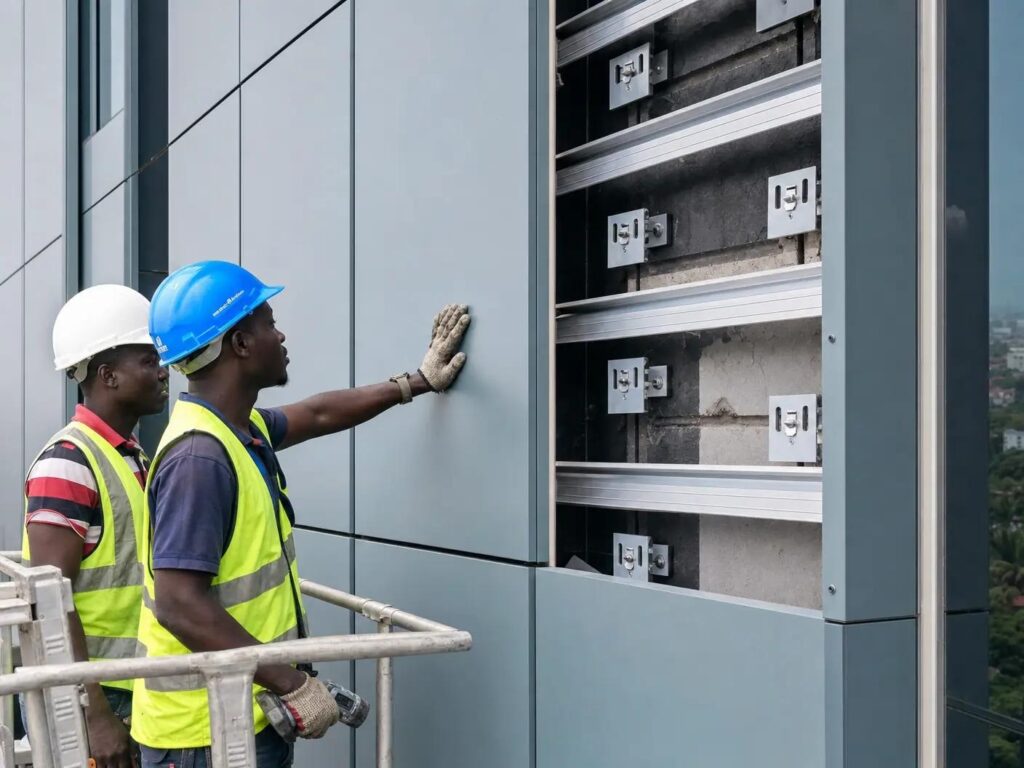
Step 3: Prepare the Supporting Structure
Install or verify the engineered subframing and required enclosure components.
Step 4: Fabricate the Panels
Fabrication may involve cutting, routing, folding, and preparing mounting details.
Step 5: Install Panels and Connections
Qualified installers position the panels using the approved fastening system.
Step 6: Inspect the Finished Work
Check alignment, joint spacing, attachment details, drainage provisions, and finish condition.
Installation should follow the approved drawings and manufacturer instructions.
How Much Do ACM Panels Cost?
ACM panel costs vary considerably across U.S. construction markets.
Material Specifications
The selected core, aluminum thickness, overall dimensions, and surface coating influence pricing.
Panel Fabrication
Complex shapes, returns, curved features, and unusual dimensions can increase manufacturing expenses.
Mounting System
Engineered subframing, rails, clips, fasteners, and related components add to the project cost.
Labor Requirements
Installation difficulty, building height, access equipment, and site conditions affect labor expenses.
Design Complexity
A simple rectangular facade typically requires different fabrication work from an intricate architectural feature.
Request an Itemized Quote
Ask suppliers and contractors to separate material, fabrication, installation, engineering, and finishing costs.
Avoid comparing raw sheet prices with fully installed facade prices.
ACM Panels vs. Solid Aluminum Panels
Both materials can produce attractive metal building exteriors.
Weight and Rigidity
The composite construction provides stiffness with relatively low weight.
Solid aluminum performance depends on sheet thickness, forming, stiffening, and attachment details.
Fabrication
ACM panels can support certain folded and routed designs.
Solid aluminum may be preferred for applications requiring different forming or material characteristics.
Fire Performance
Core composition is particularly important for ACM.
Solid aluminum does not contain the same internal composite core, although full wall assembly requirements still apply.
Cost Comparison
Pricing depends on material thickness, fabrication, coatings, and installation systems.
Neither material is automatically less expensive for every project.
How to Maintain ACM Cladding
Routine inspection and suitable cleaning help preserve the panel finish.
Clean Exterior Surfaces
Use cleaning products and methods approved by the manufacturer.
Gentle cleaning can remove dust, dirt, and environmental residue.
Avoid Abrasive Chemicals
Harsh solvents and abrasive tools may damage certain coatings.
Inspect Panel Joints
Check visible sealants, gaskets, fasteners, and drainage areas according to the maintenance plan.
Address Damage Promptly
Scratches, dents, loose components, or deteriorating seals should receive professional attention.
Follow the Warranty
Manufacturer warranties may include specific cleaning schedules and exclusions.
Keep maintenance records when required.
How to Choose an ACM Panel Supplier or Contractor
A qualified supplier should provide more than an attractive sample.
Verify Product Documentation
Request technical data sheets, finish specifications, and applicable test reports.
Review Previous Projects
Ask about comparable commercial buildings and exterior cladding installations.
Confirm Engineering Capabilities
Discuss wind-load resistance, attachment design, and coordination with the building enclosure.
Review Fire Compliance
Require documentation suitable for the proposed assembly and local jurisdiction.
Compare Warranties
Evaluate material, finish, fabrication, and installation warranty terms separately.
Ask About Lead Times
Confirm manufacturing schedules, replacement panel availability, and delivery arrangements.
Common ACM Panel Mistakes to Avoid
Selecting Panels Based Only on Price
An inexpensive product may not satisfy the project’s structural, coating, or fire-performance requirements.
Confusing Material Ratings With Assembly Approval
Individual material test results cannot replace required whole-wall compliance evidence.
Ignoring Thermal Movement
Metal cladding systems must accommodate temperature-related expansion and contraction.
Using Improper Installation Details
Incorrect fasteners, poorly designed joints, or inadequate drainage can affect performance.
Skipping Maintenance
Even durable materials benefit from periodic inspection and appropriate cleaning.
Frequently Asked Questions About ACM Panels
1. What does ACM mean in construction?
ACM stands for aluminum composite material, a layered panel made with two aluminum face sheets bonded to a central core.
2. Are ACM panels suitable for commercial buildings?
Yes, when the selected product and complete wall system satisfy applicable structural, fire, and building code requirements.
3. What is the difference between ACM and ACP?
ACM means aluminum composite material, while ACP commonly means aluminum composite panel. The terms often describe similar products.
4. Are ACM panels fire-resistant?
Fire performance depends on the core composition and complete wall assembly. Not every ACM panel has the same fire characteristics.
5. How thick are ACM panels?
Architectural panels commonly have overall thicknesses around 3, 4, or 6 millimeters, depending on the product.
6. Can ACM panels be used indoors?
Yes. Certain products are suitable for interior decoration, signage, partitions, and other permitted applications.
7. How long do aluminum composite panels last?
Service life varies with product quality, coating type, environmental exposure, installation, and maintenance.
8. Do ACM panels require regular maintenance?
Yes. Periodic cleaning and inspection help preserve appearance and identify damage or deterioration.
Conclusion
ACM panels aluminum composite material products offer architects, contractors, and property owners a versatile option for contemporary commercial building design.
Their relatively lightweight construction, smooth appearance, fabrication flexibility, and range of finishes make them suitable for many architectural applications.
However, successful results require more than choosing an attractive panel.
Core composition, structural engineering, fire safety, weather resistance, and professional installation must all be evaluated carefully.
Before selecting ACM for a building project, compare product specifications, review the complete wall assembly, verify applicable code requirements, and obtain detailed quotations from qualified suppliers.
With appropriate material selection and proper installation, ACM panel systems can provide a practical and visually appealing solution for modern commercial architecture.

Written by Twastia Editorial Team
Twastia Editorial Team shares practical insights about website design, SEO services, Google Ads, content marketing, social media, conversion rate optimization, and digital marketing strategy.
Last updated: Oct 29, 2026
Related posts from Twastia
Explore more useful articles from twastia.com about digital marketing, SEO, websites, ads, content, and growth strategy.