How to Keep Your Commercial Real Estate Project Within Budget: Best Tips
Commercial real estate development can offer valuable business opportunities, but managing construction costs is one of its biggest challenges. Whether […]
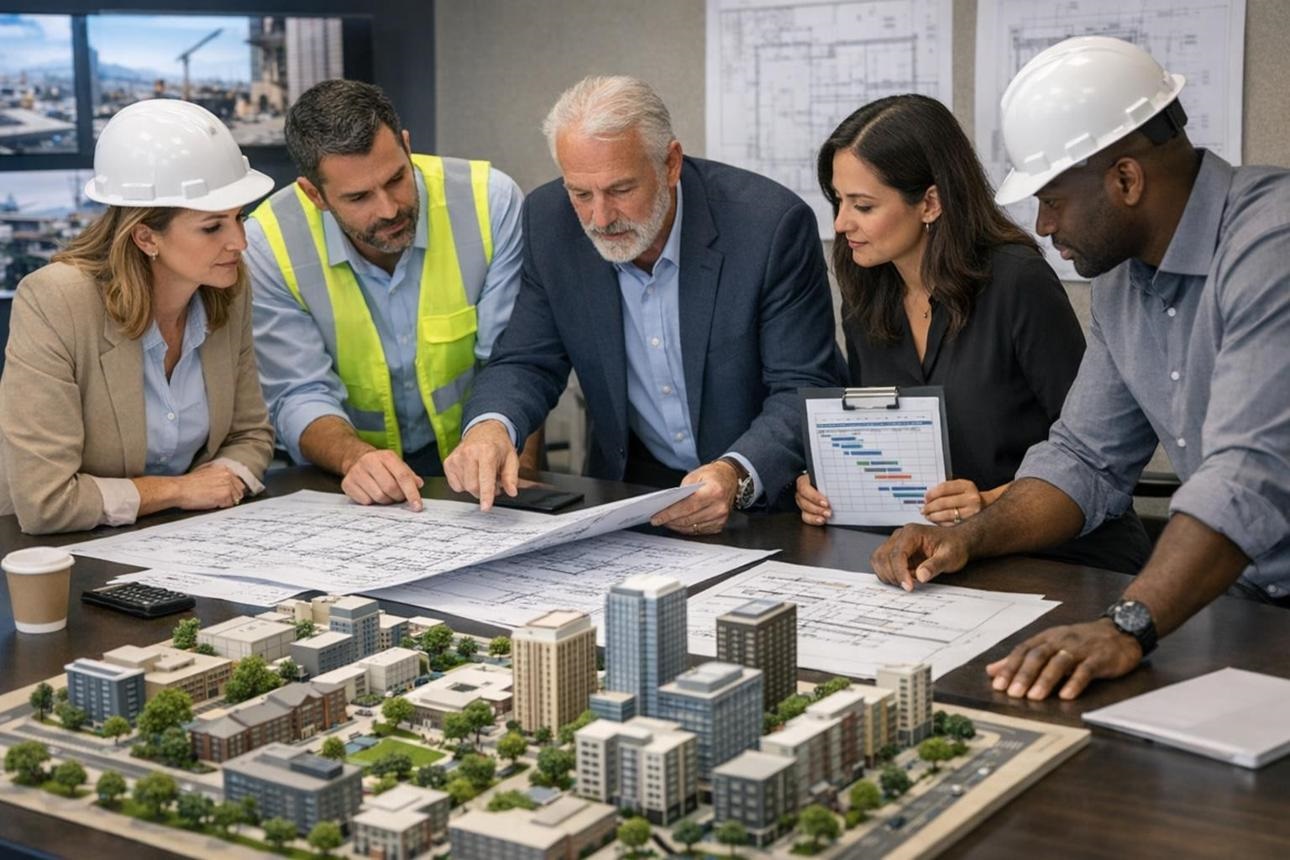
Commercial real estate development can offer valuable business opportunities, but managing construction costs is one of its biggest challenges. Whether you’re developing an office building, retail center, apartment complex, or industrial facility, unexpected expenses can quickly affect project profitability.
Material price changes, construction delays, design revisions, and financing costs can all place pressure on your original budget. Even a relatively small cost increase can affect expected returns when a development involves substantial capital.
Understanding how to keep your commercial real estate project within budget begins with careful planning, realistic financial estimates, and consistent monitoring throughout the development process.
Successful developers don’t simply establish a budget and hope construction stays within it. They continuously compare actual spending with forecasts, identify potential risks, and make informed decisions before problems become expensive.
This guide explains practical budgeting strategies for commercial real estate projects in the United States, from early feasibility studies and contractor selection to contingency planning, construction management, and financial reporting.
Why Budget Management Matters in Commercial Real Estate
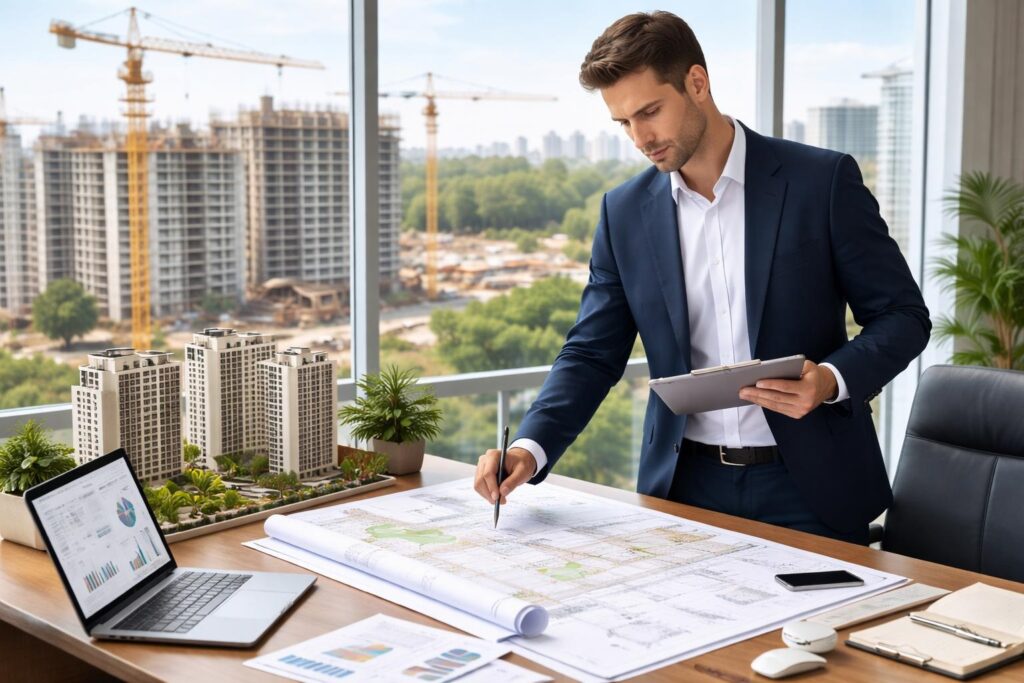
A commercial development budget influences nearly every major project decision.
Protect Your Investment
Development projects involve significant expenses before a property generates revenue. Controlling unnecessary costs helps protect the capital invested by owners and partners.
Maintain Project Profitability
Construction expenses directly affect the financial performance of a completed development.
Higher costs may reduce profit on a property sale or decrease returns from rental income.
Support Financing Requirements
Lenders commonly review project budgets, funding commitments, and construction progress.
Accurate financial records help developers demonstrate how funds are being used.
Avoid Project Delays
Poor budget management can interrupt purchasing, contractor payments, and construction schedules.
A structured approach makes financial challenges easier to identify and address.
1. Start With a Detailed Feasibility Study

One of the most effective ways to prevent cost overruns is to evaluate a development before committing substantial funds.
Analyze Local Market Demand
Research vacancy rates, competing properties, expected rental income, and potential sale prices.
A well-controlled construction budget cannot make an economically unviable project profitable.
Evaluate Property Conditions
Review site access, topography, utilities, environmental concerns, and existing infrastructure.
Unexpected site conditions can create major additional costs after construction begins.
Estimate Development Returns
Create realistic projections for revenue, operating expenses, financing costs, and potential investment returns.
Test Different Scenarios
Evaluate what happens if construction costs increase, lease-up takes longer, or interest expenses rise.
These scenarios help determine whether the project remains financially workable under less favorable conditions.
2. Create a Comprehensive Construction Budget
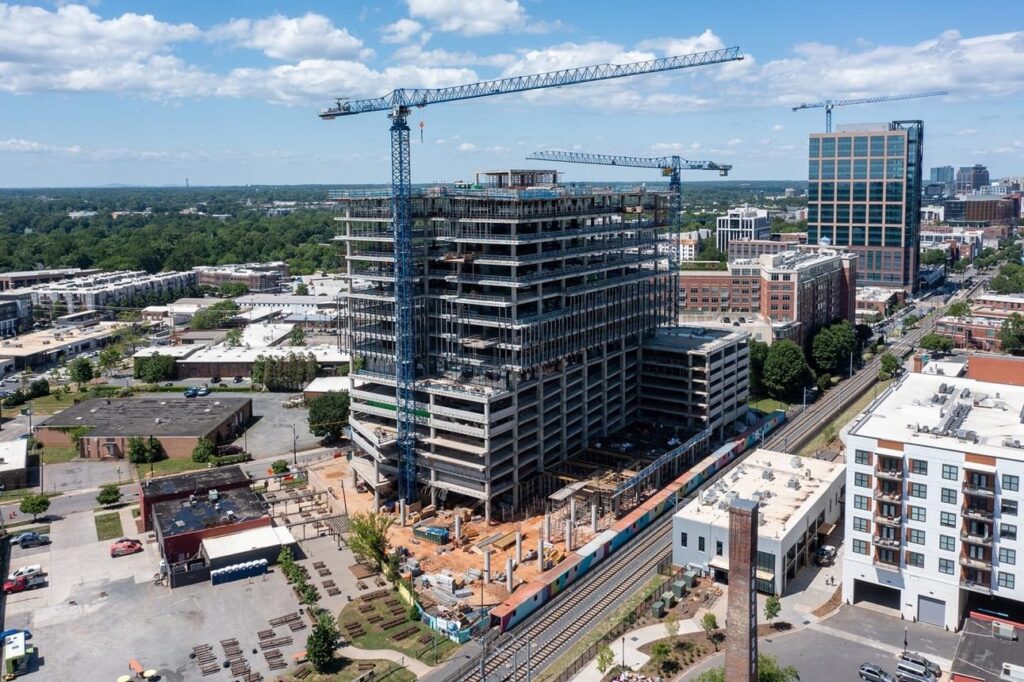
A reliable budget must account for the full cost of completing and preparing the property for use.
Include Land Acquisition Expenses
Consider purchase price, due diligence, legal fees, title expenses, and transaction-related costs.
Estimate Hard Construction Costs
Hard costs generally include building materials, labor, sitework, structural systems, mechanical systems, and other physical construction activities.
Include Soft Costs
Soft costs may include architecture, engineering, permits, inspections, consultants, legal services, and professional fees.
Account for Financing and Carrying Costs
Interest, loan fees, insurance, property taxes, and other carrying expenses can accumulate during development.
Include Project Completion Expenses
Budget for commissioning, final inspections, tenant improvements where applicable, and marketing or leasing expenses.
A complete development budget should extend beyond the contractor’s construction estimate.
3. Define the Project Scope Before Construction
Unclear requirements frequently lead to revisions, delays, and additional expenses.
Establish Project Requirements
Determine the building’s intended use, approximate size, essential features, and performance expectations.
Complete Design Reviews
Review architectural, structural, mechanical, and electrical plans for inconsistencies before construction begins.
Separate Essential and Optional Features
Identify which design elements are necessary and which may be modified if costs exceed expectations.
Control Scope Changes
Once the project scope is approved, establish a formal process for evaluating revisions.
The U.S. General Services Administration emphasizes clearly defined requirements and shared expectations as important foundations of project cost management.
4. Prepare a Realistic Contingency Budget
Even carefully planned projects can encounter unexpected conditions.
Understand Construction Contingency
A contingency is money reserved for reasonably foreseeable uncertainty that cannot be precisely priced when the initial estimate is prepared.
Consider Different Contingency Categories
Design contingency addresses uncertainty while plans are still developing.
Construction contingency may address unforeseen work or coordination issues during construction.
Owner contingency provides additional flexibility for specified project risks.
Determine the Right Amount
The American Institute of Architects describes design contingency allowances commonly ranging from 5% to 10% of construction cost in some circumstances.
However, no single percentage suits every commercial development.
The appropriate reserve depends on design completeness, site conditions, project complexity, and identified risks.
Control Contingency Spending
Assign authority for approving use of contingency funds and document every adjustment.
Do not treat contingency money as an unrestricted allowance for optional upgrades.
5. Choose Contractors Based on Overall Value
Selecting the lowest bid does not always produce the lowest final project cost.
Compare Detailed Proposals
Request bids based on consistent drawings, specifications, and scope requirements.
Review Exclusions
A seemingly inexpensive quotation may exclude essential work, permits, site preparation, or certain materials.
Evaluate Experience
Look for contractors with experience delivering similar commercial properties.
Verify Qualifications
Review applicable licenses, insurance, references, safety procedures, and financial capacity.
Understand Contract Terms
Discuss pricing structures, allowances, payment schedules, changes, and potential delays.
A qualified contractor with a clear proposal can help reduce unexpected financial disputes.
6. Use Value Engineering Without Sacrificing Quality
Value engineering involves reviewing alternative approaches to achieve required project functions more efficiently.
Compare Material Options
Consider alternative finishes, structural systems, and building components that meet performance requirements.
Review Construction Methods
Some construction techniques may reduce labor time or improve project efficiency.
Consider Long-Term Operating Costs
A less expensive material may require more maintenance or consume more energy throughout the building’s life.
Protect Critical Requirements
Do not compromise structural safety, accessibility, fire protection, or building code compliance.
Effective value engineering seeks better overall value, not simply cheaper construction.
7. Develop a Realistic Construction Schedule
Time and cost are closely connected in commercial development.
Identify Major Milestones
Create a schedule covering design completion, approvals, sitework, structural construction, building systems, and final inspections.
Account for Permitting
Local approval timelines vary by jurisdiction and project complexity.
Begin reviewing requirements early.
Coordinate Contractors
Poorly coordinated work can lead to idle labor, repeated work, and additional equipment expenses.
Plan for Long-Lead Materials
Some specialized building components require significant manufacturing or delivery time.
Ordering these items too late can disrupt the construction schedule.
Monitor Schedule Changes
Evaluate how delays affect labor, financing, insurance, and other ongoing expenses.
A realistic schedule supports a realistic budget.
8. Monitor Project Costs Throughout Construction
Budget control should continue throughout the entire construction process.
Track Actual Spending
Record completed payments and expenses using consistent cost categories.
Monitor Committed Costs
Include signed contracts, approved purchase orders, and other commitments that will require future payments.
Estimate the Cost to Complete
Forecast how much additional money will be required to finish all remaining work.
Compare Forecasts With the Approved Budget
Use regular cost reports to compare expected final expenses against the current authorized budget.
Investigate Variances Early
If a work category is exceeding its allowance, identify the cause before approving further spending.
Waiting until project completion makes corrective action much more difficult.
9. Manage Construction Change Orders Carefully
Change orders document approved modifications to the original construction contract.
Understand Why Changes Occur
Design revisions, unforeseen site conditions, regulatory requirements, and requested improvements can all create changes.
Require Written Documentation
Each change should describe the revised scope, cost, and schedule impact.
Evaluate Alternatives
Before approving an expensive modification, ask whether another compliant solution is available.
Establish Approval Authority
Identify who can authorize changes and the financial thresholds requiring additional approval.
Update the Budget Immediately
Approved changes should be reflected in current cost forecasts.
Uncontrolled change orders can gradually consume project contingency and reduce profitability.
10. Control Material Purchasing and Procurement
Material expenses can represent a substantial portion of commercial construction costs.
Order According to the Schedule
Coordinate purchasing with expected installation dates to reduce unnecessary storage and handling.
Compare Suppliers
Review pricing, availability, warranty terms, delivery charges, and product specifications.
Evaluate Substitutions
An alternative product should meet required performance standards and receive appropriate design approval.
Protect Delivered Materials
Poor storage conditions and inadequate site security can create replacement costs.
Monitor Price Changes
Discuss how material price escalation will be handled under supplier and contractor agreements.
Good procurement practices help balance cost, quality, and scheduling.
11. Maintain Clear Communication With Your Project Team
Budget problems often become worse when information is incomplete or delayed.
Hold Regular Project Meetings
Review construction progress, pending decisions, upcoming purchases, and cost concerns.
Assign Responsibilities
Clarify who manages estimates, approves payments, reviews changes, and maintains financial records.
Document Important Decisions
Keep meeting notes, updated drawings, contract modifications, and approval records.
Encourage Early Problem Reporting
Contractors and consultants should communicate concerns before they become urgent.
Transparent communication helps developers make informed financial decisions.
12. Use Construction Management Technology
Digital tools can support more accurate and organized project information.
Budget Tracking Software
A centralized system can organize cost categories, invoices, commitments, and forecasts.
Scheduling Platforms
Project scheduling applications can help teams monitor deadlines and dependencies.
Document Management
Current drawings and specifications should be available to authorized team members.
Financial Dashboards
Visual reports can highlight cost differences, pending changes, and remaining contingency.
Choose Suitable Technology
The most expensive software is not necessarily the best.
Select tools that fit the project’s complexity and the team’s ability to use them consistently.
Example of a Commercial Real Estate Development Budget
Consider a hypothetical commercial development with an approved total budget of $5 million.
| Budget category | Planned amount |
|---|---|
| Land acquisition | $900,000 |
| Hard construction costs | $2,800,000 |
| Professional fees and permits | $450,000 |
| Financing and carrying costs | $300,000 |
| Construction contingency | $350,000 |
| Leasing and project completion | $200,000 |
| Total | $5,000,000 |
These figures are illustrative, not market pricing or a recommended allocation for every project.
If a proposed design change adds $75,000, the team should evaluate whether it is necessary, whether the budget can absorb it, and how it affects the remaining contingency.
Regular forecasts make those decisions easier.
Common Commercial Construction Budgeting Mistakes
Underestimating Early Costs
Insufficient site investigations and incomplete design estimates can create unrealistic expectations.
Ignoring Financing Expenses
Construction delays may increase borrowing and property carrying costs.
Choosing Contractors Solely on Price
A low bid may omit work that becomes necessary later.
Using Contingency Too Quickly
Spending reserves on optional improvements can leave insufficient protection against genuine risks.
Failing to Update Forecasts
Tracking only invoices already paid does not provide a complete view of the final expected cost.
What to Do When Your Project Exceeds Budget
Even good financial controls cannot eliminate every cost overrun.
Identify the Cause
Determine whether the problem relates to scope changes, inaccurate estimates, delays, market conditions, or unexpected site work.
Update the Forecast
Calculate the revised expected cost to complete.
Review Viable Savings
Consider approved design alternatives, procurement changes, or nonessential scope reductions.
Communicate With Lenders and Investors
Discuss material budget changes early and follow applicable funding and reporting agreements.
Avoid Unsafe Cost Cutting
Never remove necessary inspections, code-compliant work, or critical building systems to reduce expenses.
Frequently Asked Questions About Commercial Real Estate Budgets
1. How can I keep a commercial real estate project within budget?
Use detailed estimates, clear scope requirements, realistic contingencies, reliable contractors, frequent cost reporting, and formal change controls.
2. What are the biggest causes of construction cost overruns?
Common causes include incomplete designs, unexpected site conditions, material price increases, scope changes, delays, and inaccurate estimates.
3. How much contingency should a commercial project have?
The amount depends on project-specific risks. Some industry guidance describes allowances around 5%–10% for particular contingency types, but a detailed assessment is more reliable than a fixed percentage.
4. What are hard and soft costs in commercial development?
Hard costs relate mainly to physical construction. Soft costs include professional services, permits, consulting, and other development expenses.
5. How often should developers review construction budgets?
A formal monthly review is common, with more frequent updates during active construction or periods of significant change.
6. Can value engineering reduce commercial construction costs?
Yes. It can identify alternative designs, materials, and methods that meet performance requirements at a lower overall cost.
7. How do change orders affect the budget?
Change orders can increase or decrease contract costs and may also change the construction schedule.
8. What is the most important construction cost control practice?
Maintaining an accurate forecast of the total expected project cost, including committed expenses and remaining work, is particularly important.
Conclusion
Learning how to keep your commercial real estate project within budget requires a disciplined approach from initial planning through final construction.
Accurate feasibility studies, comprehensive estimates, defined project scope, and suitable contingencies provide a strong financial foundation.
During construction, developers should closely monitor spending, review contractor performance, control change orders, and maintain open communication with their teams.
Material procurement, project scheduling, and reliable reporting systems also influence financial performance.
Although unexpected costs cannot always be prevented, identifying problems early can provide more opportunities to respond before they become serious.
By combining realistic financial planning with consistent project oversight, commercial real estate developers can improve cost predictability, protect investment capital, and increase the likelihood of completing projects within their approved budgets.

Written by Twastia Editorial Team
Twastia Editorial Team shares practical insights about website design, SEO services, Google Ads, content marketing, social media, conversion rate optimization, and digital marketing strategy.
Last updated: Oct 29, 2026
Related posts from Twastia
Explore more useful articles from twastia.com about digital marketing, SEO, websites, ads, content, and growth strategy.