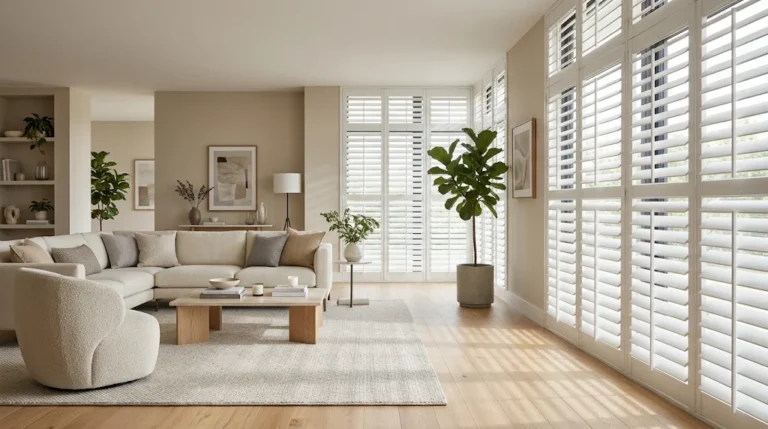
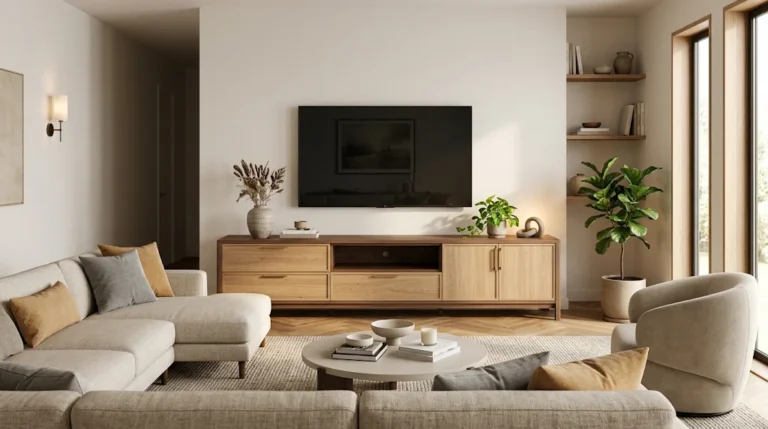
Colors Say It All: Best Wall Paint Ideas for Your Home
Your home’s walls are more than simple surfaces separating rooms. They create the background for your furniture, influence the atmosphere […]
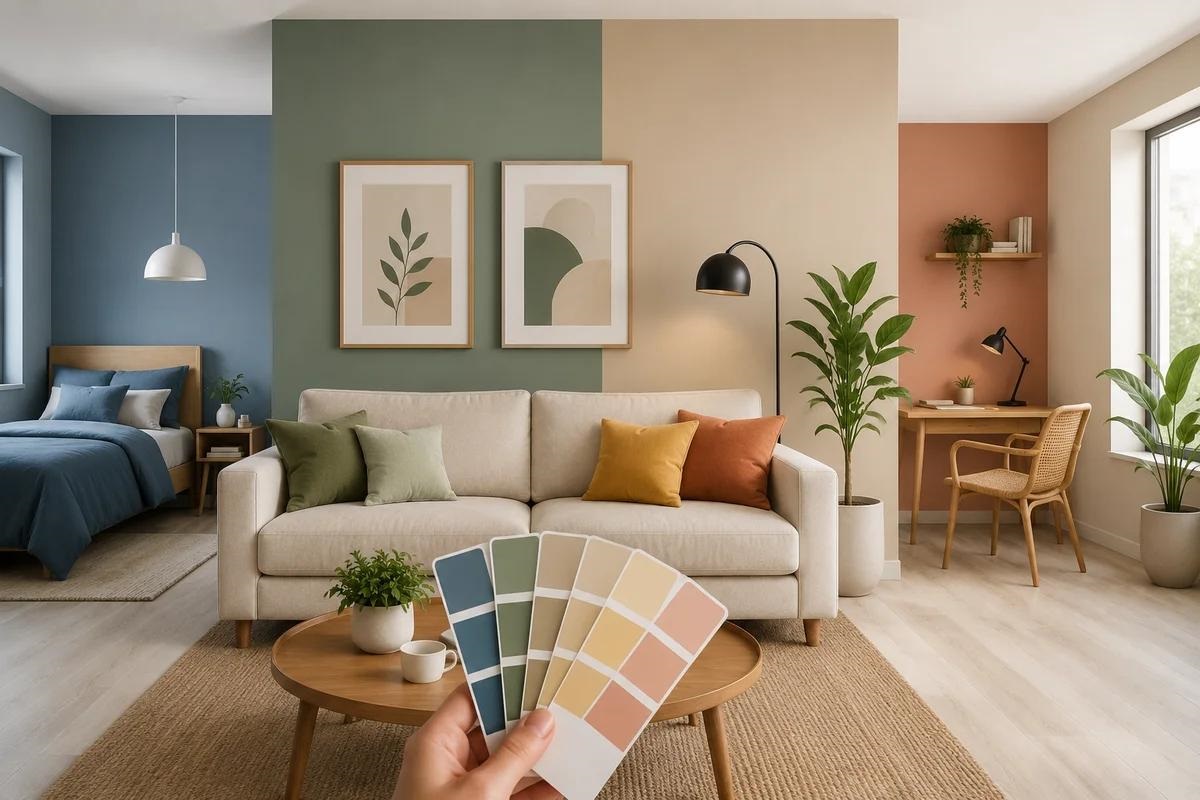
Your home’s walls are more than simple surfaces separating rooms. They create the background for your furniture, influence the atmosphere of each space, and help define your personal decorating style.
A fresh coat of paint can make a tired living room feel welcoming, give a bedroom a peaceful appearance, or bring new energy to a kitchen. Even changing the color of one wall can transform how a room looks.
The challenge is choosing colors that work with your home’s lighting, furniture, flooring, and overall design.
If you believe that colors say it all, understanding how to bring the best out of your home with wall paint is an excellent place to begin.
From timeless neutrals to rich accent colors, the right paint selection can refresh your interior without requiring an expensive renovation.
This guide explores popular wall paint colors, room-by-room decorating ideas, paint finishes, practical painting techniques, and common mistakes to avoid. Whether you’re planning a complete home makeover or refreshing one room, these tips will help you create a more attractive and comfortable living space.
Why Wall Paint Is Important in Interior Design
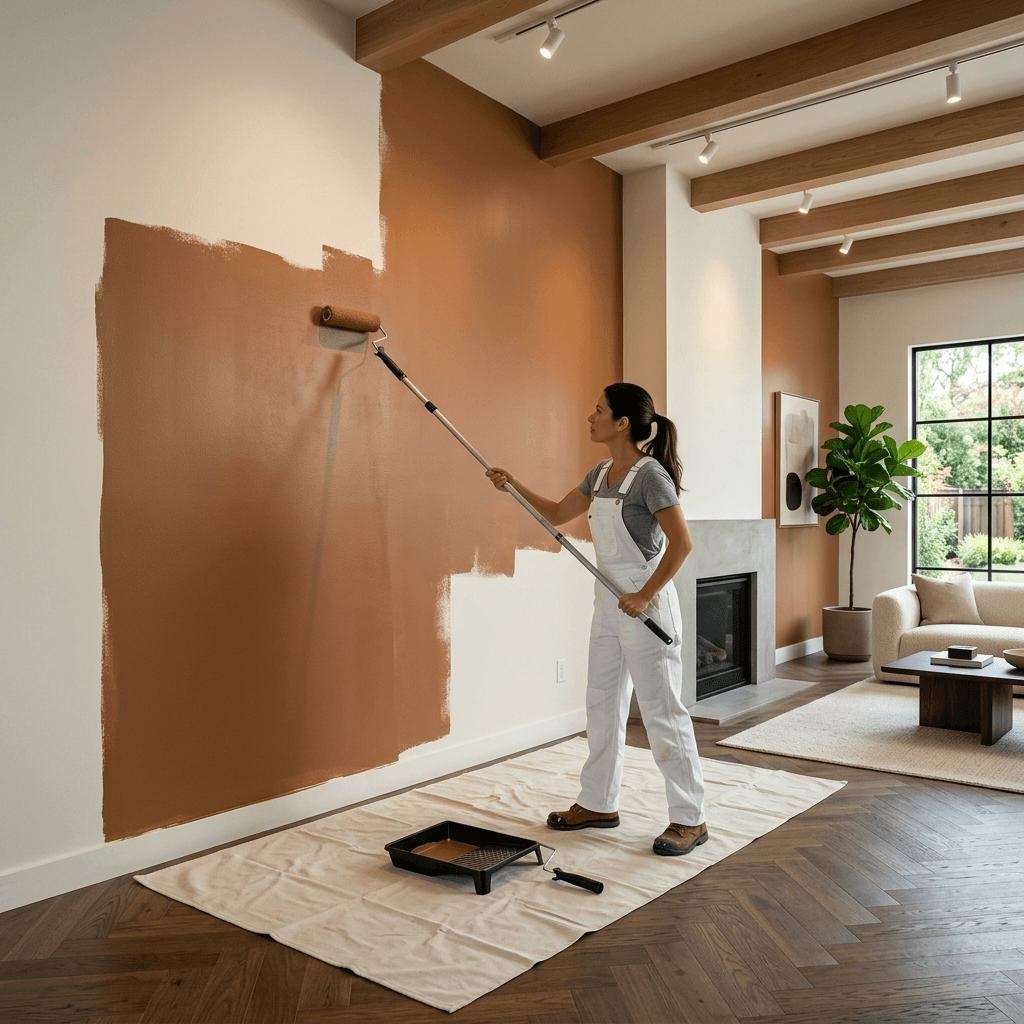
Wall paint influences the appearance of an entire room.
Create a Particular Atmosphere
Soft neutrals can create a relaxed, understated appearance, while saturated colors may feel dramatic and expressive.
These effects are subjective, so choose colors based on your preferences rather than assuming every shade affects everyone equally.
Complement Your Furniture
Walls provide the background against which sofas, beds, cabinets, artwork, and decorative accessories appear.
A coordinated palette can make individual pieces feel more connected.
Refresh Your Home Affordably
Painting is often less expensive than replacing flooring, cabinetry, or large furniture.
However, professional labor, extensive repairs, and specialty finishes can increase the cost.
Highlight Architectural Details
Contrasting colors can draw attention to fireplaces, decorative moldings, built-in shelves, and distinctive wall features.
1. Start With the Right Color Palette
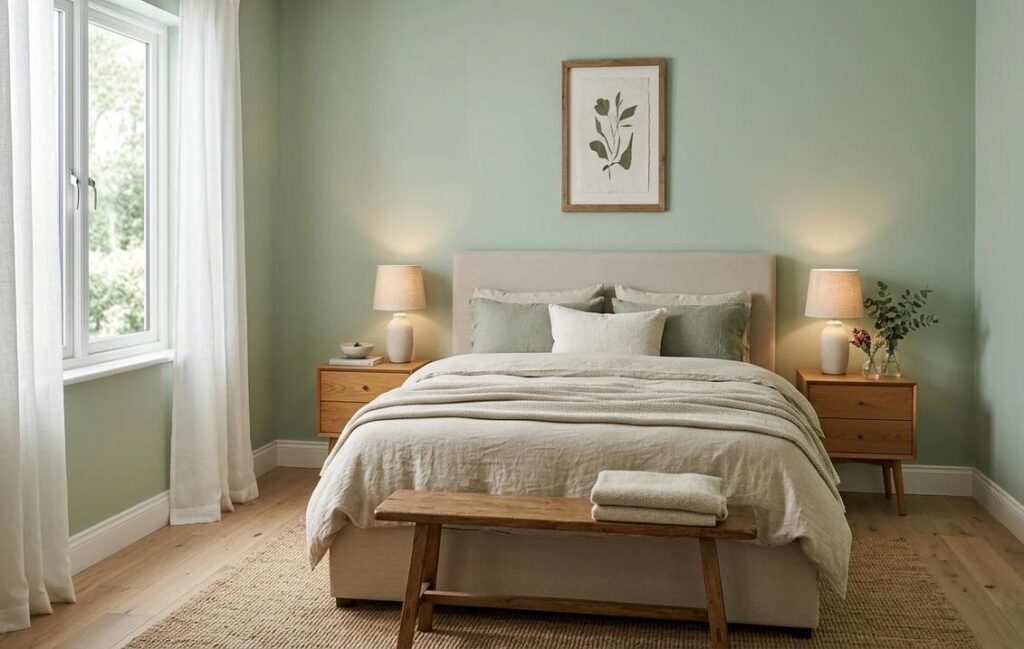
Before purchasing paint, decide how you want the room to look.
Choose a Main Color
Your primary wall color should coordinate with the largest elements in the space.
Consider flooring, countertops, cabinets, and upholstery that you don’t intend to replace.
Add Complementary Accents
Select one or two supporting colors for furniture, artwork, and smaller decorative pieces.
A simple palette often feels more coordinated than several unrelated shades.
Consider Undertones
Warm whites may contain yellow, pink, or beige undertones.
Cool grays may have blue or violet undertones.
These subtle differences become noticeable beside flooring and furniture.
Test Colors in Your Room
Paint large samples on suitable boards or a small prepared area.
Observe them in morning daylight, afternoon light, and evening artificial lighting before making a decision.
2. Use Neutral Wall Colors for a Timeless Look
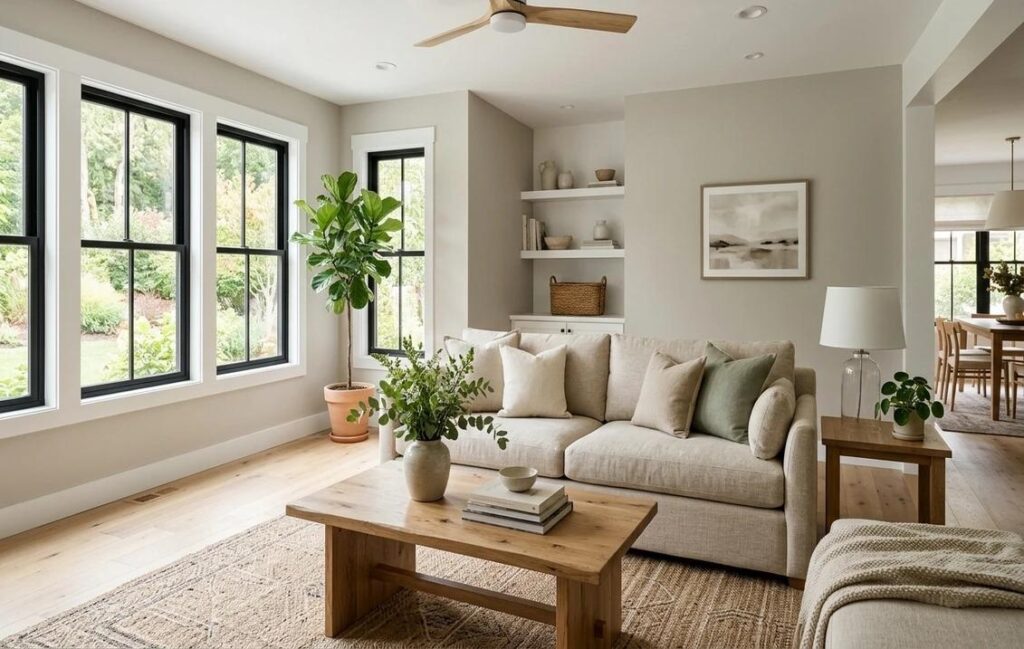
Neutral paint colors remain popular because they work with many decorating styles.
Warm White
Warm white walls can make a home feel bright and inviting without the stark appearance of some cooler whites.
They pair well with wood furniture, linen curtains, and natural textures.
Beige and Cream
Beige and cream create a soft, comfortable background for traditional, transitional, and contemporary interiors.
Greige
Greige combines characteristics of gray and beige.
It can work particularly well with natural wood, warm stone, and neutral upholstery.
Soft Gray
Muted gray shades create a clean appearance when selected to complement the room’s lighting and existing materials.
Why Neutrals Work
Neutral walls offer flexibility when you change furniture or seasonal decorations.
They can also help visually connect adjacent rooms.
3. Bring Personality Into Your Living Room
The living room is often one of the most frequently used spaces in a home.
Its color should support both everyday comfort and your preferred decorating style.
Choose Welcoming Colors
Warm beige, soft taupe, muted green, dusty blue, and creamy white are versatile living room options.
Make a Statement With Dark Colors
Deep navy, charcoal, forest green, and chocolate brown can create a sophisticated look.
Use appropriate lighting to avoid an overly gloomy result.
Coordinate With the Sofa
Consider whether the wall color complements the sofa’s fabric and undertones.
A neutral sofa may work with either subdued or vibrant walls.
Highlight a Feature Wall
Painting the wall behind a fireplace or major piece of artwork can establish a focal point.
Choose the feature carefully so the room retains a balanced appearance.
4. Choose Calming Bedroom Wall Colors
Bedrooms should reflect your personal preferences while supporting a comfortable environment.
Sage Green
Muted sage green pairs well with cream bedding, light wood furniture, and natural materials.
Soft Blue
Pale blue can create a fresh, gentle atmosphere when paired with warm fabrics and suitable lighting.
Warm Taupe
Taupe provides a neutral alternative to white and may make a bedroom feel more intimate.
Dusty Lavender
Subdued lavender can add personality without requiring a strongly saturated palette.
Consider a Coordinated Ceiling
Painting the ceiling a related shade can help create a more cohesive design.
Always test darker colors before using them across an entire room.
5. Refresh Your Kitchen With the Right Paint
Kitchens need attractive finishes that can withstand regular use.
Consider Warm Whites
Warm white walls complement many cabinet finishes and help keep the space visually clean.
Try Muted Green
Sage, olive, or other subdued greens can coordinate with wooden cabinets and natural stone countertops.
Use Soft Blue Accents
Blue-gray walls may work well with white cabinetry and brushed metal hardware.
Pay Attention to Cleanability
Kitchens experience grease, moisture, and frequent cleaning.
Choose a suitable, washable paint formulation rather than relying only on color.
Coordinate With Cabinet Colors
If your cabinets are already brightly colored, a quieter wall color may create better balance.
6. Make Bathrooms Feel Fresh and Comfortable
Bathroom walls require careful material selection because of moisture and cleaning requirements.
Choose Suitable Colors
Soft blue, warm white, pale green, and light gray are popular choices.
Dark colors can also look attractive when supported by suitable lighting.
Select an Appropriate Finish
Satin or semi-gloss finishes are commonly recommended for moisture-prone or frequently cleaned areas.
However, some modern matte paints are specifically formulated for bathroom use.
Check the product’s technical guidance.
Maintain Proper Ventilation
Paint alone cannot solve excess humidity or existing water damage.
Use an effective bathroom exhaust fan and address moisture problems before repainting.
Coordinate Fixtures and Tiles
Compare paint samples beside the actual tile, vanity, countertop, and flooring materials.
This helps prevent unwanted color clashes.
7. Use Accent Walls to Add Visual Interest
Accent walls can introduce color without repainting every surface.
Choose the Right Location
Consider a wall behind the bed, sofa, dining table, or fireplace.
A wall with a clear architectural purpose usually works better than a randomly selected one.
Explore Rich Colors
Terracotta, navy, dark green, burgundy, and charcoal are possible accent colors.
Use Color Blocking
Color blocking creates decorative sections using contrasting or related colors.
Plan the proportions carefully before applying paint.
Avoid Excessive Contrast
An accent wall should contribute to the room rather than compete with every other feature.
Repeat small touches of the accent color elsewhere for visual consistency.
8. Understand Different Interior Paint Finishes
Color is only part of choosing wall paint.
The finish affects light reflection, durability, and cleaning.
Flat Paint
Flat finishes have minimal reflectivity and can help conceal minor surface imperfections.
They may be less suitable for walls requiring frequent scrubbing, depending on the product.
Matte Paint
Matte finishes provide a low-sheen appearance.
Some modern formulations offer improved washability.
Eggshell Paint
Eggshell typically has a subtle sheen and is commonly selected for living rooms and bedrooms.
Satin Paint
Satin offers slightly more reflectivity and is often suitable for family rooms, hallways, and other frequently used spaces.
Semi-Gloss Paint
Semi-gloss provides a more reflective surface and is commonly used for trim, doors, and areas requiring regular cleaning.
Choose sheen according to product performance and room conditions rather than assuming every finish behaves identically.
9. Make Small Rooms Look More Balanced With Paint
Wall color can influence how spacious a room appears.
Use Light Colors Thoughtfully
Soft whites, pale grays, and muted neutrals can create an airy appearance when paired with adequate lighting.
Try a Consistent Color Scheme
Using related colors on walls and trim can reduce strong visual breaks.
Consider Dark Colors Too
A deep color can create a cozy, intentional appearance in a small room.
Dark paint does not automatically make every space feel smaller.
Paint Connected Spaces Cohesively
Similar undertones between adjacent rooms may help create visual continuity.
Keep Furniture Proportional
Paint works best when combined with appropriate furniture placement, lighting, and storage.
10. Coordinate Wall Colors With Lighting
Lighting can significantly change how paint looks.
Natural Daylight
North-facing rooms may receive relatively cool daylight, while south-facing rooms often receive stronger direct sunlight in the Northern Hemisphere.
Actual results depend on windows, surrounding buildings, and location.
Artificial Lighting
Warm and cool bulbs can alter the appearance of a painted surface.
Sample Before Purchasing
Observe painted samples under the room’s actual lighting throughout the day.
Consider Paint Sheen
Glossy finishes reflect more light and may draw attention to wall imperfections.
Lower-sheen finishes typically create a softer visual effect.
11. Prepare Your Walls Before Painting
Careful preparation can make the final result look more professional.
Clean the Surfaces
Remove appropriate dust, dirt, and grease according to the paint manufacturer’s instructions.
Repair Minor Damage
Fill suitable nail holes and repair small imperfections before painting.
Address active moisture damage or structural problems separately.
Use Primer When Necessary
Primer may be recommended for patched surfaces, major color changes, stains, or particular substrates.
Protect Nearby Surfaces
Cover flooring and furniture and protect trim according to the work being performed.
Follow Product Instructions
Use the recommended tools, drying times, and application conditions.
12. Paint Safely and Consider Indoor Air Quality
Painting can introduce odors and airborne substances into indoor environments.
Choose Suitable Products
Water-based, low-VOC, or zero-VOC-labeled paints may reduce some emissions, but product labels do not guarantee an entirely emission-free environment.
Provide Ventilation
Follow the manufacturer’s ventilation instructions during and after painting.
Keep children and other occupants away from active work areas as appropriate.
Check Older Homes for Lead Risks
In U.S. homes built before 1978, existing paint may contain lead.
Scraping, sanding, or demolishing painted surfaces can create hazardous dust.
The EPA recommends using lead-safe certified contractors when undertaking relevant renovation work.
Dispose of Paint Properly
Follow local household hazardous waste and paint collection requirements.
Do not pour leftover paint into storm drains.
Common Wall Painting Mistakes to Avoid
Choosing From a Tiny Color Chip
Small chips cannot fully show how a color will appear across an entire wall.
Ignoring Undertones
A color that looks neutral in the store may appear pink, yellow, blue, or green beside your furniture.
Selecting the Wrong Sheen
A high-gloss finish may emphasize wall imperfections.
A delicate flat finish may not withstand frequent cleaning.
Painting Without Preparation
Dirty or damaged surfaces can affect adhesion and appearance.
Following Every Trend
Choose colors you genuinely enjoy and can comfortably live with.
Frequently Asked Questions About Home Wall Paint
1. What are the best wall paint colors for a modern home?
Warm white, greige, soft taupe, muted green, dusty blue, and carefully chosen dark accents are versatile options.
2. Which wall color makes a room look bigger?
Light, coordinated colors can create an airy appearance, but lighting and furniture arrangement also influence perceived space.
3. What is the best paint color for a living room?
Choose a shade that complements your furniture and preferred atmosphere. Warm neutrals, muted greens, and soft blues are common choices.
4. Is matte or eggshell paint better for walls?
Both can work. Matte provides a subdued appearance, while eggshell generally offers slightly more sheen. Compare specific products for washability.
5. Which paint finish is best for bathrooms?
A suitable satin, semi-gloss, or specially formulated moisture-resistant finish is commonly recommended, depending on conditions.
6. Should the ceiling and walls be the same color?
They can be. Matching or coordinating colors may create a cohesive look, but contrasting ceilings also work.
7. How do I choose wall paint without making mistakes?
Test large samples under real lighting, review undertones, compare existing materials, and choose an appropriate finish.
8. Can painting increase my home’s value?
Fresh, well-executed paint may improve presentation and buyer appeal, but it does not guarantee a specific increase in property value.
Conclusion
When it comes to interior design, colors really can say a great deal about your home.
Choosing beautiful wall paint involves more than selecting a favorite shade. The right color should complement furniture, work with available light, suit the room’s purpose, and reflect your personal style.
From warm neutrals in living rooms to soothing greens in bedrooms and durable finishes in kitchens, thoughtful choices can make ordinary spaces feel refreshed.
Remember to prepare surfaces carefully, test colors before committing, and follow appropriate painting and safety practices.
Whether you’re repainting one feature wall or updating the entire house, well-chosen colors can help create a home that feels welcoming, stylish, and uniquely yours.

Written by Twastia Editorial Team
Twastia Editorial Team shares practical insights about website design, SEO services, Google Ads, content marketing, social media, conversion rate optimization, and digital marketing strategy.
Last updated: Oct 29, 2026
Related posts from Twastia
Explore more useful articles from twastia.com about digital marketing, SEO, websites, ads, content, and growth strategy.