Best Plants To Boost Your Creativity: The Best Choices and Why They Work
Creativity does not always appear when you need it. Whether you are writing, designing, painting, studying, or solving problems, finding […]
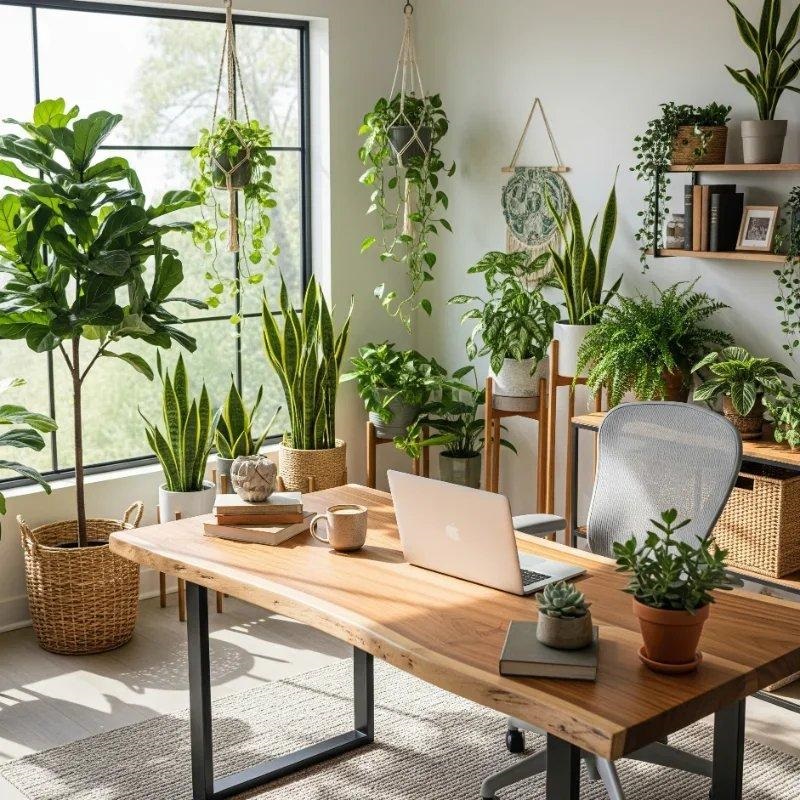
Creativity does not always appear when you need it. Whether you are writing, designing, painting, studying, or solving problems, finding inspiration can sometimes feel challenging. Your surroundings may influence how comfortable, focused, and motivated you feel while working.
One simple way to make your environment more inviting is by adding indoor plants.
The best plants to boost your creativity can introduce natural colors, interesting textures, and a calming atmosphere into your workspace. While no houseplant can guarantee better ideas, research suggests that exposure to indoor greenery may support relaxation and certain aspects of cognitive functioning.
You do not need an expensive office renovation or a large indoor garden to get started. Even one well-chosen plant can make a desk, reading corner, or studio feel more welcoming.
This guide explores popular indoor plants for creative environments, explains what scientific research actually tells us, and shares practical ways to incorporate greenery into your daily routine.
How Can Indoor Plants Support Creativity?
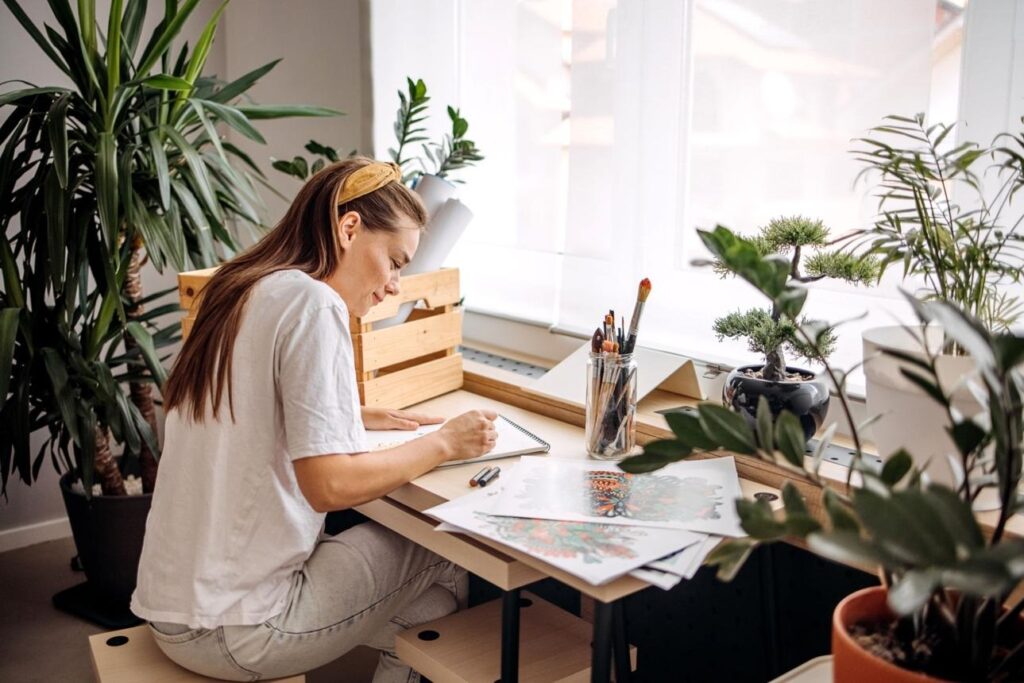
Before choosing the best plants to boost your creativity, it helps to understand why greenery might influence how people think and work.
1. Greenery May Help Restore Attention
Creative work often requires long periods of concentration. After spending hours looking at a computer screen, your attention can become fatigued.
Natural elements may provide a gentle visual break from demanding tasks.
A study published in the Journal of Environmental Psychology found improved performance on an attention-related measure among participants working in an office setting with plants. However, the experiment involved only 34 students, so the findings should not be treated as proof that plants increase creativity for everyone. ScienceDirect
A plant beside your desk can offer a convenient focal point when you need a brief mental break.
2. Plants Can Make Workspaces Feel More Relaxing
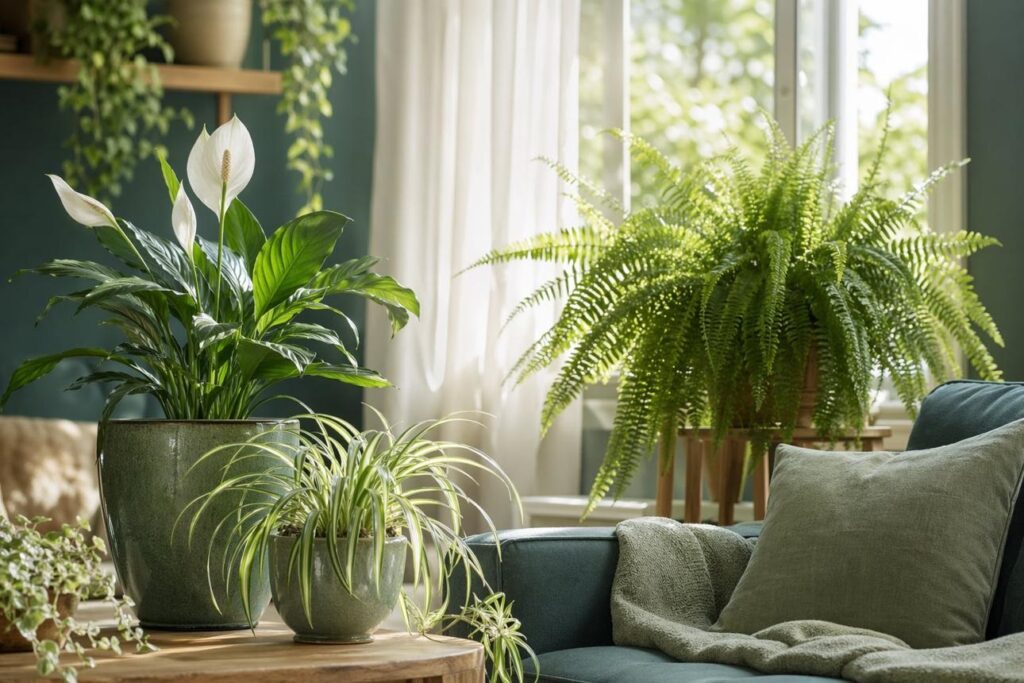
A comfortable environment can make it easier to approach difficult assignments without feeling overwhelmed.
Indoor greenery introduces softer shapes and natural textures into spaces dominated by screens, furniture, and artificial materials.
A 2022 systematic review found some positive effects of indoor plants on physiological relaxation and certain measures of human functioning. Results for attention were less consistent, highlighting the importance of realistic expectations. PubMed
A peaceful atmosphere may indirectly help creative work by making the workspace more pleasant.
3. Natural Colors Encourage Visual Variety
Green foliage, colorful flowers, and unusual leaf patterns can add visual interest to an otherwise plain room.
For artists and designers, these organic forms may provide subjects for sketching, photography, or color exploration.
However, there is no strong evidence that looking at a particular houseplant automatically produces original ideas.
The practical benefit is creating surroundings that feel inspiring and encourage you to engage with your work.
10 Best Plants To Boost Your Creativity
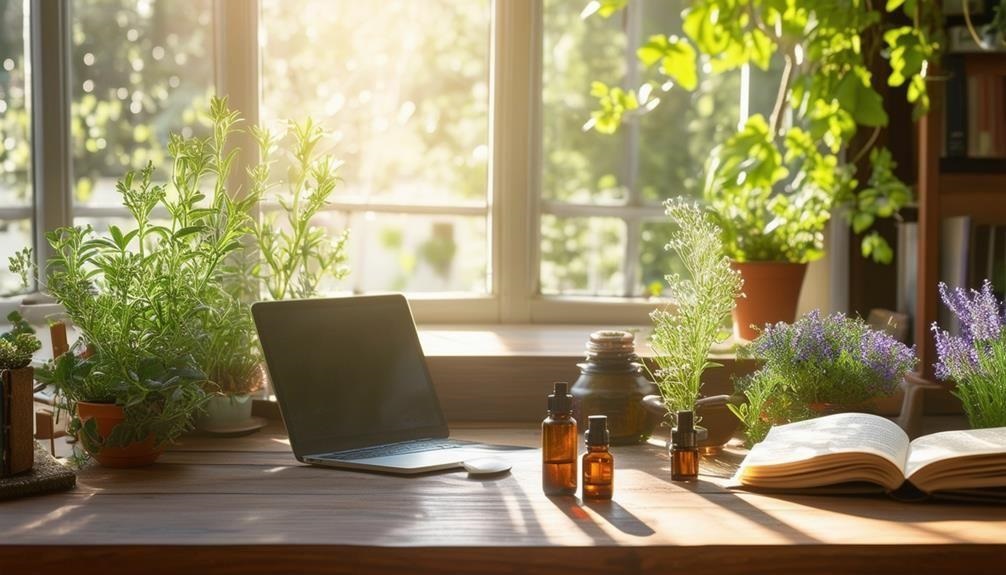
The following plants are excellent choices for creating an appealing, nature-inspired workspace. Their benefits come primarily from their appearance, fragrance, manageable care requirements, and the atmosphere they help create.
1. Snake Plant: Best for a Minimalist Workspace
The snake plant, botanically known as Dracaena trifasciata, is one of the easiest houseplants for busy professionals.
Its tall, upright leaves create a striking appearance without taking up much desk or floor space.
For anyone seeking the best plants to boost your creativity while maintaining a clutter-free environment, the snake plant is a practical starting point.
It works particularly well in modern offices, minimalist bedrooms, and small apartments.
Why choose it?
- Architectural leaves add visual structure.
- Requires relatively little maintenance.
- Tolerates a range of indoor lighting conditions.
- Fits easily into compact workspaces.
Care tips: Provide indirect light when possible and allow the soil to dry thoroughly between waterings. Avoid leaving the roots in standing water.
Although snake plants tolerate relatively low light, they generally grow better with adequate illumination.
2. Peace Lily: Best for a Peaceful Atmosphere
The peace lily, or Spathiphyllum, combines deep green leaves with elegant white blooms.
Its gentle appearance makes it an attractive addition to reading rooms, writing desks, and quiet creative spaces.
When deadlines become stressful, a comfortable, organized environment can help you settle into your work.
A peace lily can contribute to that atmosphere through its graceful appearance.
Why choose it?
- Elegant flowers provide a simple visual accent.
- Broad foliage adds rich green color.
- Works in rooms with moderate indirect lighting.
- Complements contemporary and traditional decor.
Care tips: Keep the soil lightly moist without making it waterlogged. Provide filtered light and protect the plant from harsh direct afternoon sunlight.
Peace lilies are toxic if chewed, so keep them away from pets and small children.
3. Rosemary: Best for a Fragrant Creative Corner
Rosemary is a fragrant culinary herb that can bring an enjoyable sensory element into your workspace.
Its narrow green leaves and distinctive scent make it particularly appealing for people who enjoy gardening, cooking, or working near a sunny window.
Some research has examined rosemary aromas and cognitive performance. However, findings about fragrances should not be interpreted as evidence that a potted rosemary plant will improve creativity.
Instead, consider rosemary for its pleasant fragrance, appearance, and usefulness in the kitchen.
Why choose it?
- Adds a recognizable herbal aroma.
- Provides interesting needle-like foliage.
- Can be harvested for culinary use.
- Suits bright kitchen workspaces and sunny studios.
Care tips: Rosemary needs strong light, excellent drainage, and careful watering.
A sunny south-facing window may work, although supplemental lighting can be helpful in darker American homes during winter.
4. Lavender: Best for a Relaxing Sensory Environment
Lavender is widely appreciated for its distinctive fragrance and beautiful purple flowers.
If you enjoy a softly scented workspace, a healthy lavender plant may help create a pleasant setting for writing, reading, or brainstorming.
Lavender is frequently associated with relaxation, but there is insufficient evidence that simply keeping lavender indoors directly improves creative thinking.
Its real appeal lies in its visual beauty and optional fragrance.
Why choose it?
- Attractive purple blooms.
- Distinctive floral fragrance.
- Suitable for bright windowsills.
- Adds color to neutral interiors.
Care tips: Lavender requires substantial sunlight, well-draining soil, and good airflow.
It can be challenging to grow indoors without enough light. Avoid overwatering and use a container with drainage holes.
5. Pothos: Best for Small Creative Workspaces
Pothos, also called devil’s ivy, is a popular trailing houseplant with attractive heart-shaped leaves.
Its vines can drape over shelves, bookcases, or hanging containers, adding movement and greenery without occupying valuable desk space.
Among the best plants to boost your creativity through workspace design, pothos is especially useful because of its flexibility.
It can soften a room filled with straight lines and electronic equipment.
Why choose it?
- Attractive trailing vines.
- Available in several leaf colors and patterns.
- Relatively beginner-friendly.
- Fits shelves and hanging planters.
Care tips: Provide moderate to bright indirect light and water after the upper soil has begun to dry.
Avoid prolonged exposure to intense direct sunlight.
Pothos is toxic to cats and dogs if ingested.
6. Spider Plant: Best for Beginners
The spider plant, Chlorophytum comosum, is recognizable by its arching green-and-white leaves.
Mature plants can produce small offshoots, commonly called spiderettes, that are easy to propagate.
This makes spider plants particularly enjoyable for people who like hands-on activities.
Caring for and propagating houseplants can become a relaxing hobby alongside creative work.
Why choose it?
- Bright, striped foliage.
- Easy propagation.
- Adaptable to several indoor settings.
- Suitable for hanging baskets and shelves.
Care tips: Place in bright, indirect light and water when the upper layer of potting mix feels dry.
Spider plants generally prefer consistent care rather than prolonged drought.
They are also commonly considered a pet-friendlier alternative to pothos or peace lilies.
7. Monstera: Best for Artistic Inspiration
Monstera deliciosa is famous for its large, dramatic leaves, which develop distinctive openings as the plant matures.
Its unusual foliage makes it a compelling subject for drawing, photography, and botanical illustration.
For visual artists searching for the best plants to boost your creativity, Monstera offers interesting shapes and shadows that can inspire practical artistic exercises.
It is also an attractive statement plant for spacious studios.
Why choose it?
- Distinctive leaf shapes.
- Strong visual appeal.
- Adds a tropical atmosphere.
- Provides subjects for nature-inspired artwork.
Care tips: Give Monstera bright, indirect light and a well-draining potting mix.
Water when the upper portion of the soil dries. Provide a suitable support as the plant grows.
Keep Monstera away from pets that might chew its leaves.
8. Aloe Vera: Best for a Sunny Desk
Aloe vera is a succulent with thick, sculptural leaves.
Its compact growth and simple appearance make it suitable for small desks or sunny windowsills.
Because aloe requires less frequent watering than many tropical houseplants, it can fit a busy lifestyle.
The plant’s geometric form also adds an interesting contrast to softer foliage.
Why choose it?
- Compact, structured appearance.
- Relatively low watering needs.
- Attractive in modern containers.
- Suitable for bright indoor locations.
Care tips: Provide plenty of light and use a fast-draining succulent potting mix.
Allow the soil to dry between waterings. Avoid waterlogged containers.
Aloe should not be treated as a substitute for medical care, and the plant can be harmful to pets if eaten.
9. Boston Fern: Best for Softening Your Workspace
Boston ferns feature delicate, arching fronds that give interiors a lush appearance.
Their feathery foliage can soften hard surfaces and make a reading corner or home studio feel more inviting.
For people who prefer abundant greenery, Boston ferns offer a softer alternative to upright plants.
Why choose it?
- Dense, delicate foliage.
- Beautiful in hanging planters.
- Adds texture to indoor arrangements.
- Well suited to naturally humid areas.
Care tips: Boston ferns generally prefer bright, indirect light, consistently moist but well-drained soil, and moderate to high humidity.
Keep them away from heating vents and excessively dry air.
They may require more attention than snake plants or pothos, particularly during winter.
10. African Violet: Best for Colorful Inspiration
African violets are compact flowering houseplants available in shades of purple, pink, blue, and white.
Their colorful blooms can add cheerful accents to desks and creative corners without requiring much space.
Unlike large floor plants, African violets can be displayed alongside notebooks, books, and other office accessories.
They are a good option for people who enjoy flowers but lack space for an extensive indoor collection.
Why choose it?
- Colorful flowers.
- Compact growth.
- Attractive fuzzy leaves.
- Works well in small decorative containers.
Care tips: Provide bright, indirect light and avoid leaving the potting mix saturated.
Water carefully to keep excess moisture off the leaves and crown.
With appropriate lighting and care, African violets may flower repeatedly indoors.
How to Choose the Best Plants for Your Creative Space
Finding the best plants to boost your creativity involves more than selecting the most attractive foliage.
The right choice should match your room, schedule, and personal preferences.
Consider Available Natural Light
Lighting is one of the most important factors affecting houseplant health.
A bright south-facing window in the United States may suit rosemary or aloe, while a location with gentler indirect light may be more appropriate for pothos or peace lilies.
Remember that low-light tolerance does not mean a plant can thrive in complete darkness.
University extension recommendations consistently emphasize matching houseplants to the available light and watering conditions. OSU Extension Service+1
Match Plants to Your Lifestyle
If you travel frequently or have limited time for plant care, choose relatively forgiving species such as snake plants.
If gardening is an enjoyable hobby, you may prefer African violets, ferns, or flowering herbs that require more regular attention.
Healthy plants are generally more rewarding than struggling plants that create additional maintenance concerns.
Think About Pets and Children
Not every popular houseplant is safe for households with pets or young children.
Peace lilies, pothos, snake plants, and Monsteras can cause problems if ingested.
Research plant toxicity before purchasing and position potentially harmful plants securely.
Spider plants and African violets are often better options for pet-owning households.
Simple Ways to Create a Plant-Filled Creative Workspace
You do not need dozens of plants to build an inspiring indoor environment.
Start with one or two healthy plants and expand gradually.
Position a compact plant near your desk where it is visible without blocking your screen or workspace.
Place larger plants beside furniture or near windows, provided their lighting needs are met.
For visual balance, combine different leaf shapes rather than purchasing several identical plants.
A snake plant can add height, while pothos creates soft trailing lines.
You can also experiment with neutral ceramic containers, natural baskets, or coordinated planters.
Keep plants away from sensitive electronics, electrical outlets, and important documents when watering.
Most importantly, allow enough uncluttered space to work comfortably.
A creative environment should feel inviting rather than crowded.
What Does Science Really Say About Plants and Creativity?
Indoor plants are often promoted as tools for productivity, concentration, and improved air quality.
However, it is important to distinguish scientific findings from marketing claims.
Research suggests that indoor greenery may influence relaxation, environmental satisfaction, and some aspects of attention.
The evidence is not consistent across all settings.
For example, a 2020 study reported positive laboratory outcomes but found no significant performance or well-being improvements in two real-world call center studies. ScienceDirect
More recent randomized experiments published in 2026 found physiological responses associated with indoor plants, but did not identify significant improvements in cognitive performance. ScienceDirect
These findings suggest that plants may support a more comfortable working environment without directly increasing creativity.
Likewise, ordinary houseplants should not be relied upon to remove indoor pollution at levels comparable to proper ventilation or effective air filtration.
The most reasonable approach is to enjoy plants as part of a healthy workspace while also prioritizing lighting, fresh air, sleep, comfortable furniture, and regular breaks.
Frequently Asked Questions
Which indoor plant is best for creativity?
There is no scientifically established single best plant for creativity. Monstera may appeal to visual artists, rosemary to people who enjoy herbal fragrances, and snake plants to those who prefer uncluttered spaces. Choose a plant that fits your environment and interests.
Can indoor plants improve concentration?
Some studies suggest indoor greenery may support attention restoration, but findings are mixed. Plants can make workspaces more pleasant, although they should not be considered a guaranteed concentration aid.
Are indoor plants good for a home office?
Yes. Indoor plants can add visual interest, soften office interiors, and help create a welcoming atmosphere. Choose varieties suited to your lighting conditions and available space.
How many plants should I keep on my desk?
One or two small plants are usually a practical starting point. The ideal number depends on desk size, available light, maintenance requirements, and your preferred working environment.
Which plants are easiest for beginners?
Snake plants, pothos, and spider plants are popular beginner choices. Each has different watering and lighting requirements, so basic care is still important.
Can plants increase creativity overnight?
No scientific evidence establishes that adding houseplants produces an immediate increase in creativity. Their potential value is in making an environment more comfortable, engaging, and visually appealing.
Conclusion
The best plants to boost your creativity are those that make your surroundings more enjoyable while fitting comfortably into your daily routine.
Snake plants offer simple maintenance, Monstera brings dramatic visual inspiration, rosemary provides an aromatic touch, and spider plants add lively greenery to small spaces.
Although scientific research does not prove that particular houseplants directly generate creative ideas, indoor greenery may contribute to relaxation, environmental satisfaction, and a more inviting workspace.
Start with one plant suited to your room’s lighting conditions, learn its basic care needs, and build your collection gradually.
A well-designed creative space does not have to be complicated. Sometimes, a touch of nature is enough to make your workspace feel refreshed and ready for your next project.

Written by Twastia Editorial Team
Twastia Editorial Team shares practical insights about website design, SEO services, Google Ads, content marketing, social media, conversion rate optimization, and digital marketing strategy.
Last updated: Nov 4, 2026
Related posts from Twastia
Explore more useful articles from twastia.com about digital marketing, SEO, websites, ads, content, and growth strategy.