Home Laundry vs Laundry Service: Best Guide to Saving Money
Laundry is an unavoidable part of everyday life. Whether you live alone, share an apartment, or manage a busy household, […]

Laundry is an unavoidable part of everyday life. Whether you live alone, share an apartment, or manage a busy household, washing clothes regularly takes time, effort, and money. However, many people never calculate how much they actually spend keeping their clothes clean.
The debate around Home Laundry vs Laundry Service often comes down to one important question: Which option saves more money?
At first glance, washing clothes at home seems significantly cheaper. You already have access to your washing machine, and the main expenses involve water, electricity, detergent, and equipment maintenance.
Professional laundry services, meanwhile, charge for washing, drying, folding, and sometimes transportation. Although their prices are higher, they offer convenience and valuable time savings.
The actual comparison depends on several factors, including how frequently you wash clothes, local utility rates, washing machine efficiency, laundry service pricing, and the value of your personal time.
This guide breaks down the real costs of home laundry and professional laundry services in the United States, helping you determine which option offers better value for your household.
Understanding Home Laundry vs Laundry Service
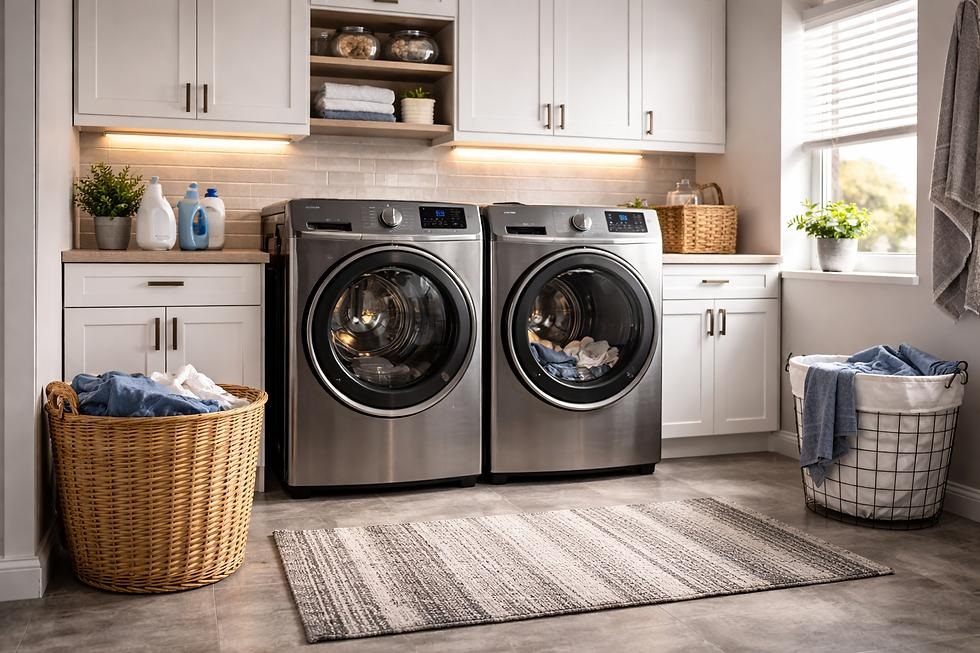
Before comparing costs, it is important to understand what each laundry option includes.
Both methods achieve the same basic goal: cleaning and maintaining clothing. However, the expenses, convenience, and level of involvement can differ considerably.
What Is Home Laundry?
Home laundry involves washing and drying clothing using your own washing machine and dryer.
You are responsible for sorting clothes, choosing appropriate detergents, operating the equipment, transferring loads, and folding clean garments.
The primary benefit is control. You can select washing temperatures, cycles, cleaning products, and drying methods according to the care requirements of your clothing.
However, you must also account for equipment purchases, repairs, utility bills, and the time spent managing laundry.
What Is a Professional Laundry Service?

Professional laundry services clean clothing on behalf of customers.
Common options include drop-off wash-and-fold services, pickup-and-delivery laundry, and specialised garment care.
Customers typically pay according to the weight of their laundry, the type of items being cleaned, or the services requested.
Unlike home laundry, professional cleaning reduces the amount of hands-on work required.
Some services also provide commercial equipment suitable for washing large blankets, comforters, and other bulky household items.
How Much Does It Cost to Do Laundry at Home?
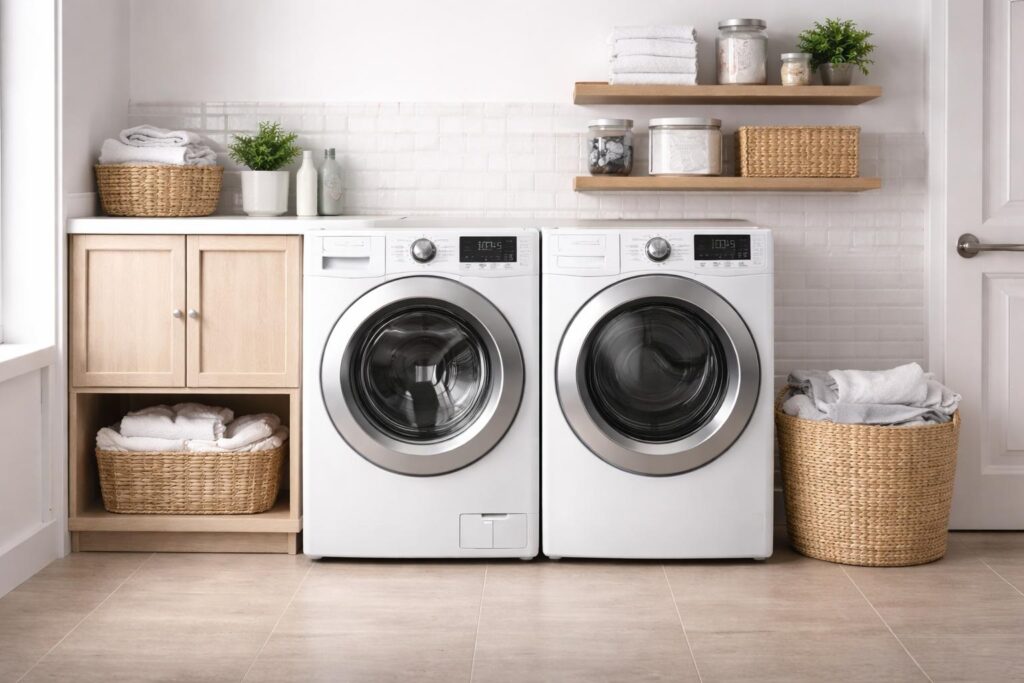
Calculating the cost of home laundry involves more than measuring detergent expenses.
Washing machines and dryers consume energy, and every wash cycle uses water.
Equipment ownership also introduces long-term costs that homeowners sometimes overlook.
1. Washing Machine Electricity Costs
A washing machine uses electricity to rotate the drum, operate pumps, and run its controls. Depending on the machine, additional energy may be needed to heat water.
Modern energy-efficient models generally consume less energy than older, less efficient appliances.
According to ENERGY STAR’s clothes washer guidance, certified washing machines use approximately 20% less energy and 30% less water than standard models. ENERGY STAR
Your actual electricity expense depends on the appliance, wash settings, local rates, and whether your water heating uses electricity or gas.
2. Water Consumption and Utility Bills
Every washing cycle requires water, and the amount consumed varies by machine design, load size, and programme.
High-efficiency front-loading washing machines generally offer lower water consumption than many conventional top-loading machines.
Water bills can also include wastewater charges.
Households in areas with higher utility rates may notice greater savings from efficient appliances.
Choosing appropriately sized loads helps reduce unnecessary washing cycles.
3. Laundry Detergent and Cleaning Supplies
Detergent is another recurring household expense.
The cost per load depends on the brand, product concentration, and amount used.
Fabric softeners, stain removers, dryer sheets, and laundry sanitising products can increase the total.
Buying suitable detergent in larger quantities may reduce the average cost per wash.
However, using more detergent than recommended does not necessarily improve cleaning performance.
4. Dryer Electricity and Maintenance
Clothes dryers can add significantly to laundry energy costs, particularly when using conventional electric resistance models.
Long drying cycles, overloaded machines, and restricted airflow can increase energy consumption.
Air-drying clothing when practical can reduce dryer expenses.
You should also consider occasional repairs, servicing, and eventual appliance replacement.
Estimated Home Laundry Cost Per Load
For budgeting purposes, consider this illustrative example for an American household with existing appliances.
| Expense | Example cost per load |
|---|---|
| Washing energy and water heating | $0.35 |
| Water and wastewater | $0.20 |
| Detergent and supplies | $0.30 |
| Machine drying | $0.65 |
| Equipment wear and maintenance allowance | $0.50 |
| Total estimated cost | $2.00 |
These are hypothetical budgeting assumptions, not a nationwide average. Actual costs vary according to equipment, utility prices, climate, and usage.
The example excludes the initial purchase of appliances and any value assigned to personal time.
How Much Does a Laundry Service Cost?
Professional laundry services use commercial equipment and trained staff to wash, dry, and prepare garments.
The higher price generally reflects labour, facilities, utilities, cleaning supplies, equipment, and business operating expenses.
Wash-and-Fold Laundry Pricing
Wash-and-fold services commonly charge according to the weight of your laundry.
Published pricing from U.S. laundry providers shows considerable differences between locations.
For example, Smart Laundry’s published pricing lists next-day wash-and-fold services from $1.39 per pound on weekdays, while 310 Laundromat lists next-day service at $1.75 per pound with a 50-pound minimum. Smart Laundry+1
For a simple comparison, a 12-pound laundry order at $1.75 per pound would cost $21.
Unlike washing at home, this amount includes labour for cleaning and folding.
Pickup-and-Delivery Laundry Costs
Pickup-and-delivery services offer additional convenience by collecting dirty laundry and returning it after cleaning.
Rates can be higher than drop-off services, although some businesses include transportation within their per-pound pricing.
Order minimums, scheduling options, surcharges, and special handling fees can also affect the final bill.
Before choosing a provider, review the complete pricing structure rather than comparing only advertised per-pound rates.
Self-Service Laundromat Expenses
Self-service laundromats provide an alternative for people who do not own washing machines.
Customers operate commercial washers and dryers themselves.
Published U.S. industry pricing benchmarks indicate that a typical wash-and-dry load may cost approximately $4.50 to $8, depending on location and machine size. zarla.com
Although this is usually cheaper than professional wash-and-fold service, it still requires time and transportation.
Home Laundry vs Laundry Service: A Direct Cost Comparison
The easiest way to understand the difference is to compare identical amounts of laundry.
Consider a household that washes four 12-pound loads each week.
For this example, assume home laundry costs $2 per load, a self-service laundromat costs $6 per load, and wash-and-fold costs $1.75 per pound.
These figures are illustrative, not quotes from a single provider.
| Laundry option | Weekly cost | Monthly cost* |
|---|---|---|
| Home laundry | $8.00 | $34.64 |
| Self-service laundromat | $24.00 | $103.92 |
| Wash-and-fold service | $84.00 | $363.72 |
*Monthly estimates use 4.33 weeks. They exclude transportation, pickup fees, and the value of personal time. Home equipment purchase costs are not included beyond the stated maintenance allowance.
Illustrative monthly laundry costs
Four 12-pound loads per week, with 4.33 weeks per month.
$0$100$200$300$400At homeLaundromatWash-and-fold
In this scenario, home laundry offers the lowest direct cash expense.
However, the comparison does not automatically mean professional services are poor value.
People who need to save time, lack washing equipment, or regularly wash oversized items may benefit from outsourcing part of their laundry.
Hidden Costs of Washing Clothes at Home
A proper Home Laundry vs Laundry Service comparison should account for expenses that are not immediately visible.
Buying and Replacing Laundry Appliances
Purchasing a washing machine and dryer can require a substantial initial investment.
Appliances also have limited service lives and may eventually require replacement.
If you already own reliable equipment, home washing is generally less expensive than purchasing appliances solely to avoid occasional laundry service charges.
For renters without laundry hookups, installation may not be practical or permitted.
Maintenance and Unexpected Repairs
Washing machines can develop drainage problems, worn components, or electrical faults.
Dryers may require repairs involving belts, heating elements, controls, or other parts.
Setting aside a small amount for equipment maintenance can make household budgeting more realistic.
The Value of Your Time
Laundry requires sorting, loading, transferring, unloading, folding, and putting clothing away.
Although washing machines perform much of the work automatically, these tasks still demand attention.
If laundry regularly interferes with paid work, family responsibilities, or valuable free time, professional assistance may offer practical benefits.
The important distinction is between direct cash expenses and the personal value of time saved.
Advantages of Doing Laundry at Home
Home laundry remains attractive for households that want to minimise ongoing expenses.
Lower Long-Term Operating Costs
Once appliances are purchased, routine washing generally costs less than paying a professional service for every load.
Households that generate substantial amounts of laundry may benefit particularly from this difference.
Greater Control Over Clothing Care
Home washing allows you to choose cleaning products, temperatures, cycle settings, and drying methods.
This control is useful for delicate fabrics, children’s clothing, and garments requiring special attention.
Flexible Washing Schedules
You can wash clothes whenever necessary without arranging drop-offs or waiting for collection.
This flexibility is especially helpful when dealing with unexpected spills, dirty uniforms, or frequently used household items.
Advantages of Using a Professional Laundry Service
Although professional services usually cost more, their benefits extend beyond clothing cleanliness.
Convenience for Busy Households
Outsourcing laundry reduces the time spent operating machines and folding clothes.
This may be particularly useful for professionals with demanding schedules, parents managing multiple responsibilities, or people with limited mobility.
Access to Large Commercial Machines
Commercial laundry equipment can accommodate certain bulky household items that may not fit safely in a residential washer.
Comforters, blankets, and other oversized items may be easier to clean using appropriately sized equipment.
Reduced Responsibility for Equipment
Customers using professional services do not need to purchase or maintain laundry machines for those outsourced loads.
This can be beneficial for apartment residents and people living in temporary accommodation.
How to Save Money on Home Laundry
If your main goal is reducing household expenses, small improvements in laundry habits can make a meaningful difference.
Use Energy-Efficient Washing Machines
Choose efficient appliances when replacing outdated equipment.
Look for the ENERGY STAR label and compare estimated operating expenses before purchasing.
Remember that the cheapest appliance to buy is not always the least expensive to operate over time.
Wash Full, Appropriate Loads
Washing appropriately sized loads helps reduce the number of cycles required.
However, avoid overloading the machine, as clothing needs sufficient movement for effective cleaning.
Follow manufacturer recommendations for load capacity.
Choose Cold Water When Suitable
Cold-water washing can reduce energy required for water heating.
Modern detergents often work effectively in cold water for everyday clothing, although some fabrics and hygiene situations require different care.
Always follow garment labels and detergent instructions.
Reduce Dryer Usage
Air-dry suitable items when weather, space, and household circumstances permit.
Clean the lint filter according to manufacturer instructions and ensure dryer ventilation remains unobstructed.
Avoid excessively long drying cycles.
When Is a Laundry Service Worth the Extra Cost?
Professional laundry can be a reasonable choice when convenience matters more than achieving the lowest possible operating expense.
For example, someone working long hours might prefer to spend additional money to recover personal time.
Similarly, a household without suitable laundry equipment may find a local laundromat or wash-and-fold provider practical.
A hybrid strategy can also work well.
You might wash everyday clothes at home while outsourcing bulky bedding, occasional large loads, or laundry during particularly busy weeks.
This allows you to control costs while enjoying professional convenience when it provides the greatest benefit.
Which Laundry Option Is Best for Different Households?
The most suitable solution depends on your lifestyle, available equipment, laundry volume, and budget.
| Household situation | Often the better choice |
|---|---|
| Budget-conscious family with appliances | Home laundry |
| Busy professional with limited free time | Wash-and-fold service |
| Apartment resident without machines | Self-service laundromat |
| Household with occasional bulky bedding | Commercial laundromat |
| Person seeking maximum convenience | Pickup-and-delivery service |
| Household balancing cost and convenience | Combination of both |
There is no universal answer because every household faces different financial and practical circumstances.
Frequently Asked Questions About Home Laundry vs Laundry Service
Is It Cheaper to Wash Clothes at Home or Use a Laundry Service?
Washing clothes at home is generally cheaper in direct operating expenses when you already own suitable appliances. Professional laundry services charge for additional labour, equipment, and convenience. However, individual costs depend on local utilities, appliance efficiency, laundry volume, and service pricing.
How Much Does One Load of Laundry Cost at Home?
The expense varies by machine, detergent, water rates, and drying method. A $2 per-load assumption can be useful for an illustrative household budget, but it is not a verified national average. Calculate your own costs using appliance energy consumption and utility bills.
How Much Does Wash-and-Fold Laundry Cost in the USA?
Published provider prices vary considerably. Some services advertise prices around $1.39 to $1.75 per pound, while others charge more depending on location and service level. Minimum orders and additional fees may apply. Smart Laundry+1
Are Laundromats Cheaper Than Buying a Washing Machine?
Laundromats can be cheaper initially because they eliminate appliance purchase and installation costs. However, frequent laundromat visits may become more expensive over time than operating a reliable home machine. Compare total costs over several years before making a decision.
Does Using Cold Water Really Save Laundry Costs?
Cold-water washing can lower energy consumption by reducing water-heating requirements. Savings depend on your machine, water heater, electricity or gas rates, and washing habits. Choose a temperature suitable for the fabric and cleaning requirements.
Is Pickup-and-Delivery Laundry Worth Paying For?
Pickup-and-delivery services can be worthwhile for people who prioritise convenience or have limited time. However, they generally cost more than home washing. Check minimum orders, transportation charges, turnaround times, and special garment fees before booking.
Conclusion
When comparing Home Laundry vs Laundry Service, the most affordable option for many U.S. households is washing clothes at home, particularly when efficient appliances are already available.
Home laundry typically involves lower direct operating costs and gives homeowners complete control over garment care. However, appliance purchases, maintenance, utilities, and personal time must also be considered.
Professional laundry services cost more because they provide labour, convenience, and access to commercial equipment. For busy individuals, apartment residents, and households with specialised laundry needs, these benefits can justify the additional expense.
The best approach is to calculate your actual laundry volume, compare local service prices, and consider how much time you want to dedicate to household chores.
If saving money is your highest priority, home laundry will often be the better choice. If convenience and time savings matter more, a professional laundry service may offer greater overall value.

Written by Twastia Editorial Team
Twastia Editorial Team shares practical insights about website design, SEO services, Google Ads, content marketing, social media, conversion rate optimization, and digital marketing strategy.
Last updated: Nov 4, 2026
Related posts from Twastia
Explore more useful articles from twastia.com about digital marketing, SEO, websites, ads, content, and growth strategy.