Attractive Destination for Shoppers: Best Store Design Ideas to Increase Sales
Running a successful retail store involves more than offering quality products at competitive prices. Customers also notice how a store […]
Running a successful retail store involves more than offering quality products at competitive prices. Customers also notice how a store looks, feels, and functions. From the entrance to the checkout counter, every design choice contributes to their overall shopping experience.
Creating an attractive destination for shoppers means developing a welcoming environment where customers enjoy spending time, exploring merchandise, and discovering products that meet their needs.
Whether you operate a clothing boutique, home decor shop, gift store, or specialty retailer, thoughtful design can help your business stand out. Comfortable layouts, appealing displays, consistent branding, and helpful service all contribute to a more enjoyable visit.
The best retail spaces combine appearance with practicality. A beautifully decorated store may attract attention, but customers also need to find products easily, understand prices, and move comfortably between displays.
This guide explores practical ways to improve your store’s appearance, strengthen customer engagement, and create a shopping experience that encourages repeat visits.
Why Store Design Matters for Retail Success
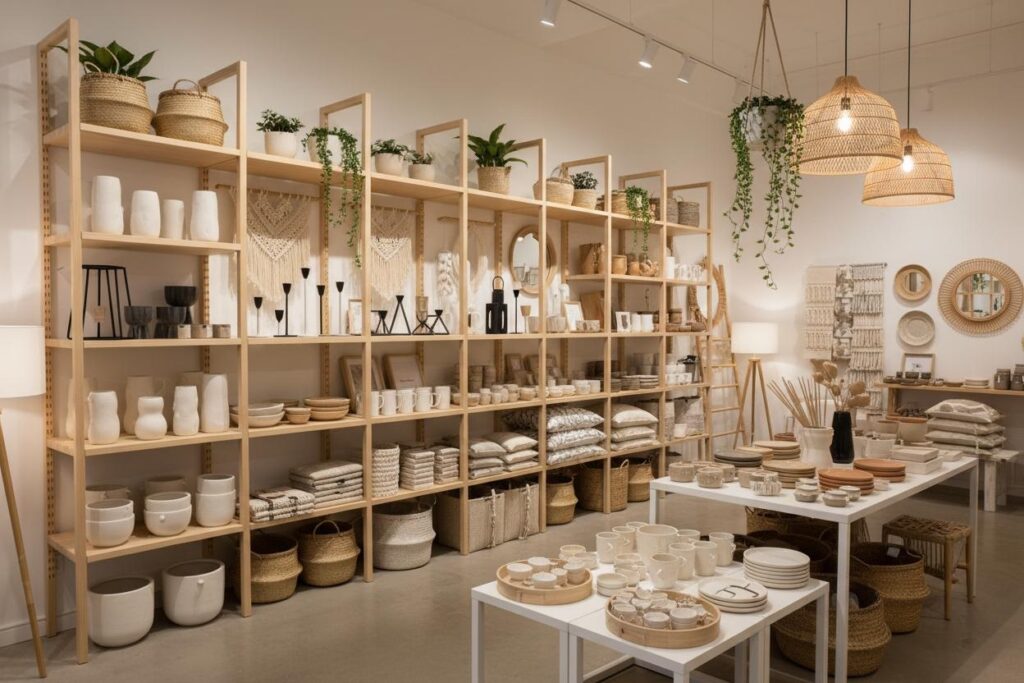
Retail design influences the way customers perceive a business. An organized, welcoming space can communicate professionalism, while cluttered displays and confusing layouts may discourage shoppers from exploring further.
First impressions often begin before customers enter the building. Storefront colors, signage, window displays, and exterior lighting help communicate what shoppers can expect inside.
Once customers enter, interior design shapes their experience. A logical layout makes shopping convenient, while carefully positioned displays draw attention to important merchandise.
A well-designed store also communicates its personality. A luxury boutique might feature elegant fixtures and understated colors, while a family-oriented gift shop could use cheerful displays and playful decorative elements.
In an Entrepreneur article about retail design, Matt Sweetwood discusses how interior design, marketing design, and employee presentation can influence a business’s customer experience. The article includes professional observations and examples of businesses benefiting from thoughtful design improvements. Entrepreneur
The main lesson is that successful retail design involves more than decoration. It should support the brand, help customers shop comfortably, and create a memorable experience.
1. Design an Eye-Catching Storefront
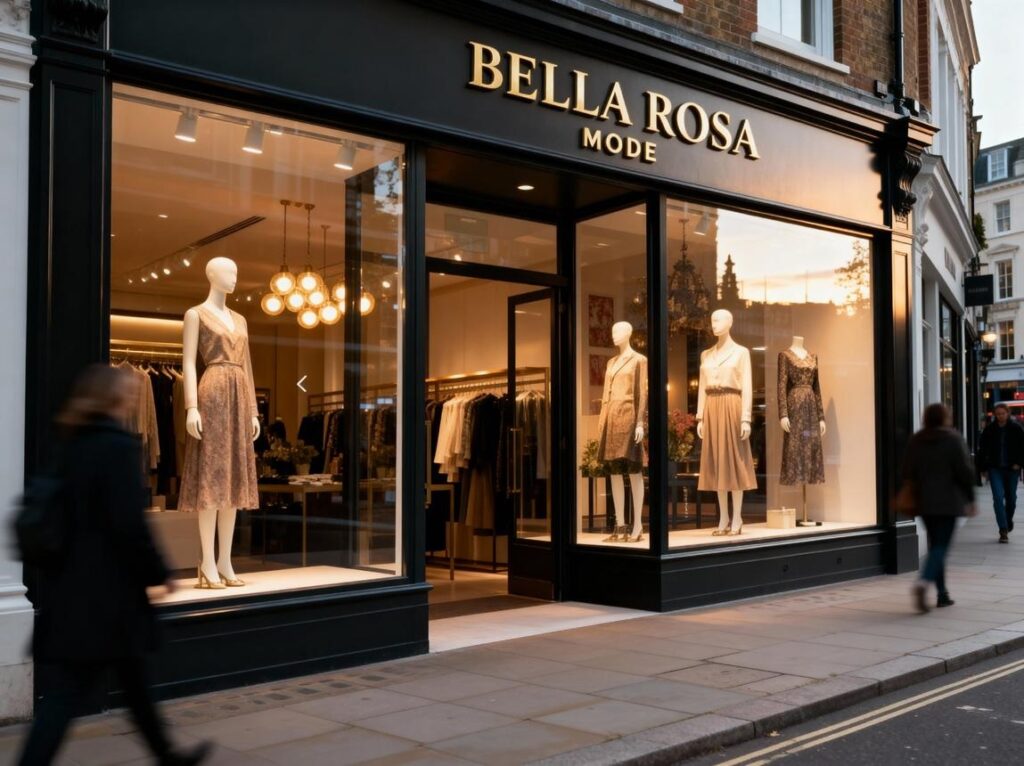
Your storefront serves as an introduction to your business. It should communicate your brand identity while giving customers a reason to step inside.
An attractive destination for shoppers starts with an exterior that looks clean, welcoming, and relevant to the products being sold.
Create Appealing Window Displays
Window displays offer an opportunity to showcase merchandise without requiring customers to enter.
Choose products that represent your store’s personality. Instead of filling the entire window with merchandise, create a focused arrangement around a particular theme.
For example, a home decor retailer might display a cozy reading corner with a chair, side table, decorative lamp, and textured throw blanket.
This presentation helps customers imagine how the products could work together in their own homes.
Refresh displays for seasonal events, new collections, and promotional campaigns. Regular changes can also give returning customers something new to discover.
Improve Exterior Lighting and Signage
Clearly visible signage helps customers identify your business and understand what you offer.
Choose readable lettering, appropriate colors, and lighting that makes your entrance easy to recognize.
Keep windows clean, remove unnecessary promotional posters, and maintain the surrounding entrance area.
Small improvements such as planters, fresh paint, or updated door hardware can make an older storefront feel more inviting.
2. Develop a Comfortable and Functional Store Layout
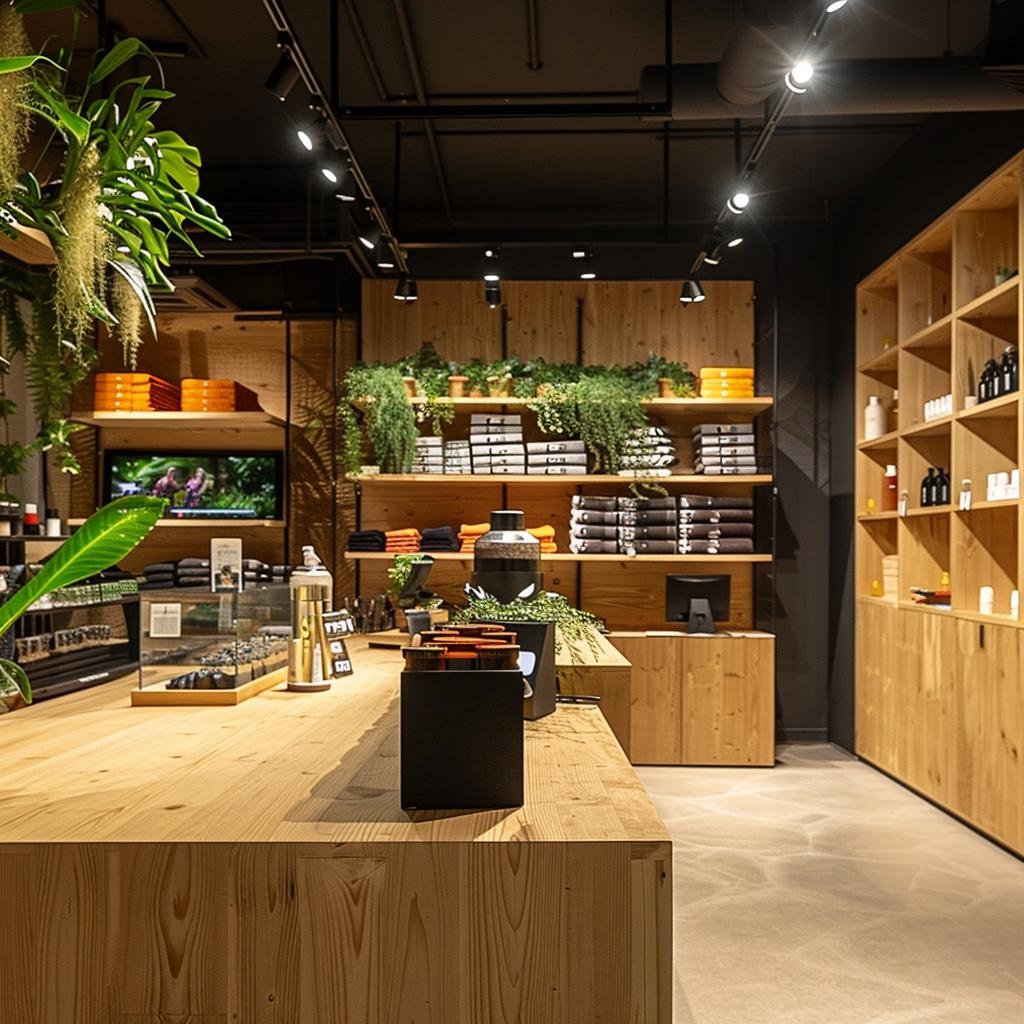
An attractive interior should also be practical.
Customers appreciate stores where they can move freely, compare products, and locate merchandise without unnecessary confusion.
A thoughtfully organized layout supports a more comfortable shopping experience.
Choose the Right Layout for Your Business
Different retail formats require different approaches.
A grid layout, commonly associated with grocery and convenience stores, organizes merchandise into predictable aisles.
A free-flow layout allows customers to explore products through less structured pathways. This arrangement often suits boutiques, gift stores, and specialty retailers.
A loop layout guides shoppers along a designated route past multiple product categories.
The ideal approach depends on your merchandise, available floor space, and customer needs.
Rather than copying another retailer’s layout, consider how shoppers naturally move through your space.
Maintain Clear Walkways
Crowded aisles make browsing difficult, particularly for customers using wheelchairs, mobility devices, or strollers.
Avoid placing promotional stands where they block major walkways or access to products.
Arrange shelves and furniture so customers have enough room to move and examine merchandise.
Accessibility requirements also matter. Retailers should consider applicable Americans with Disabilities Act standards when planning aisles, entrances, and service areas.
A comfortable layout makes your store more welcoming to a wider range of customers.
3. Use Lighting to Improve the Shopping Experience
Lighting affects how customers see products and experience the surrounding space.
A dim store may make merchandise difficult to examine, while excessively bright lighting can feel uncomfortable.
Creating an attractive destination for shoppers requires lighting that supports visibility, comfort, and atmosphere.
Combine Different Lighting Types
Effective retail interiors often use multiple lighting layers.
Ambient lighting provides general illumination throughout the store.
Accent lighting highlights featured products, decorative displays, or architectural details.
Task lighting improves visibility around checkout counters, fitting rooms, and customer service areas.
Combining these elements creates visual interest while helping customers navigate the space.
Select Lighting That Suits Your Products
Lighting preferences vary depending on the merchandise.
Fashion boutiques often benefit from lighting that accurately represents clothing colors and textures.
Home decor retailers may prefer a warm atmosphere that helps customers imagine products in comfortable residential settings.
Jewelry stores frequently use focused lighting to highlight fine details and reflective surfaces.
Whenever possible, test lighting with actual merchandise before making expensive changes.
The objective is to present products accurately while supporting the atmosphere your customers expect.
4. Create Product Displays That Encourage Exploration
Visual merchandising involves arranging merchandise to make products easier to notice, understand, and compare.
A beautiful display can attract attention, but its real value comes from helping customers discover relevant products.
Group Complementary Products
Consider displaying products according to how customers might use them together.
For example, a kitchenware retailer could create a baking station featuring mixing bowls, measuring tools, baking trays, and decorative storage containers.
A clothing boutique might place coordinated outfits on mannequins beside matching accessories.
These arrangements provide inspiration while making related merchandise easier to locate.
Use Visual Hierarchy
Not every product needs equal visual emphasis.
Feature new arrivals, seasonal collections, and signature products in prominent locations.
Use differences in display height, lighting, spacing, and background colors to create focal points.
Avoid overcrowding merchandise. Giving products enough space makes individual details easier to appreciate.
Clear price labels and readable product information are equally important. An attractive presentation loses effectiveness if customers cannot understand what they are buying.
5. Choose Colors and Materials That Reflect Your Brand
Color influences a store’s visual character and helps distinguish it from competitors.
However, there is no single color combination that works best for every retail business.
The most appropriate palette depends on your products, target customers, and desired atmosphere.
Create a Consistent Color Palette
Neutral colors such as beige, cream, gray, and white can provide a flexible background for merchandise.
Brighter accent colors may help draw attention to special displays or promotional areas.
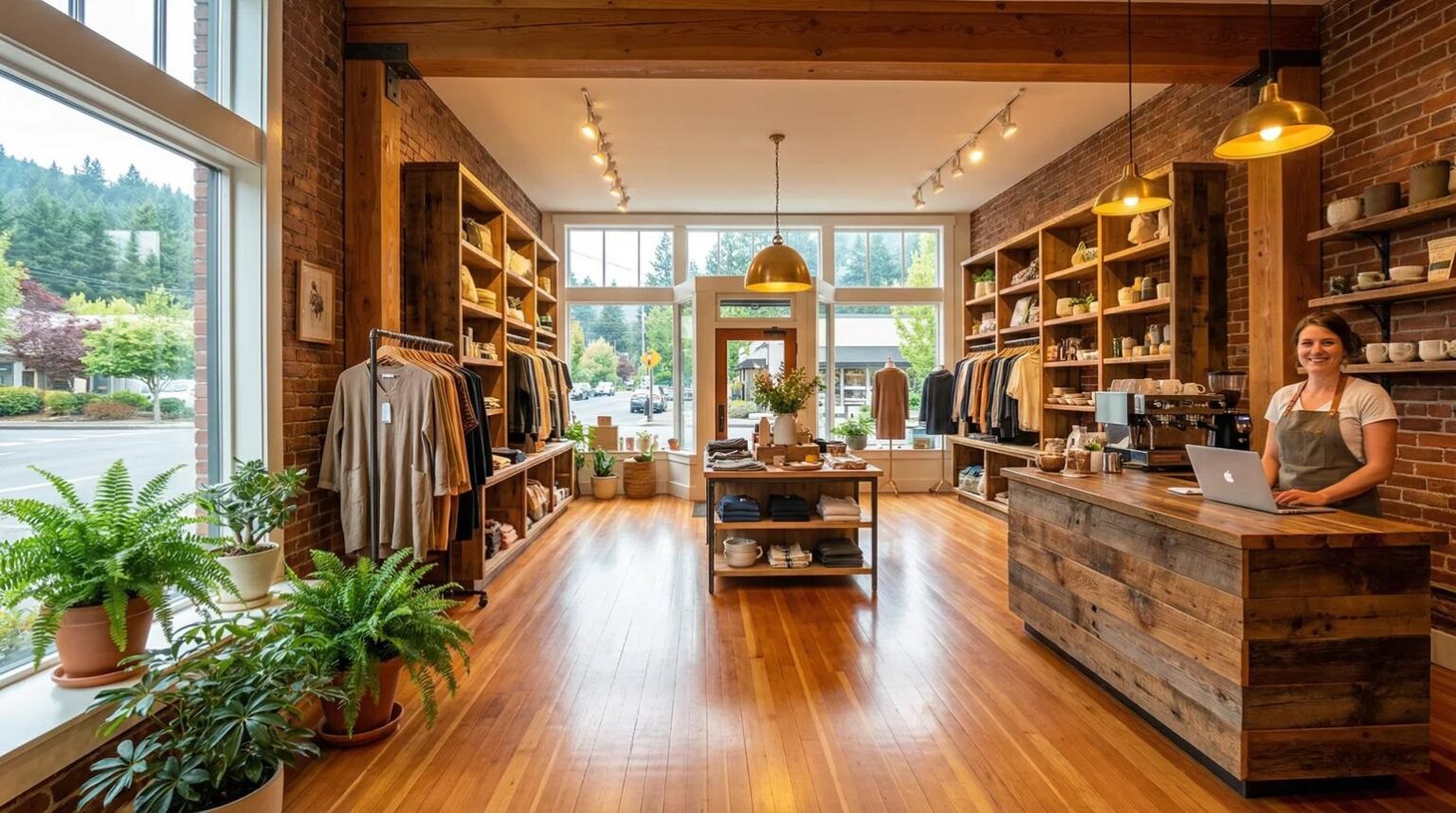
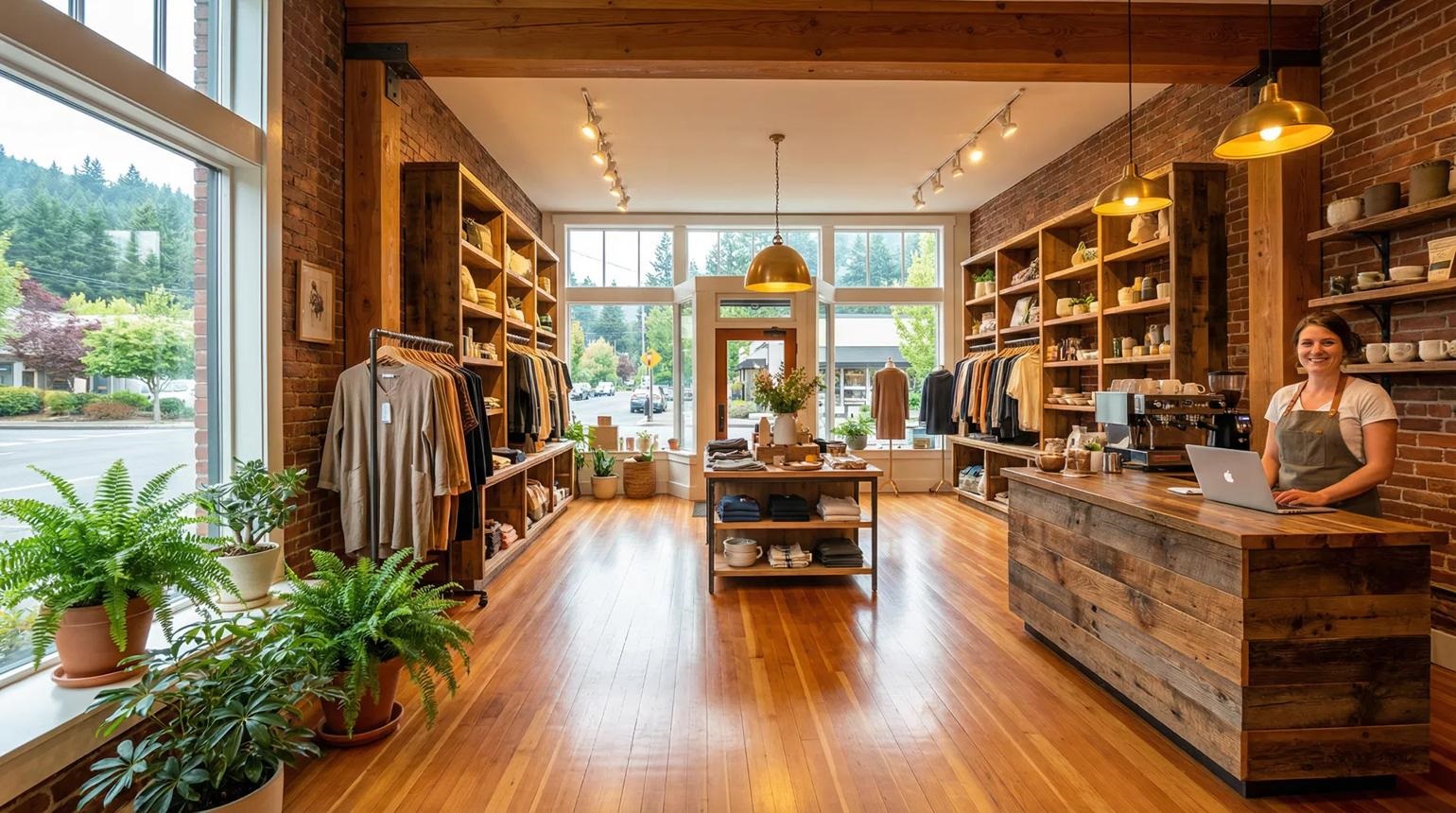
For example, a natural skincare shop might combine soft greens, warm neutrals, and wooden shelving.
A modern electronics retailer may prefer cleaner finishes, restrained colors, and contemporary fixtures.
The goal is to create an attractive destination for shoppers without overwhelming the merchandise.
Incorporate Texture and Natural Elements
Materials can introduce warmth and character into a retail space.
Wood, metal, fabric, glass, and textured finishes create different visual experiences.
Plants and natural materials can soften interiors that otherwise feel overly commercial.
Choose durable surfaces appropriate for daily customer traffic, and make sure decorative elements do not interfere with accessibility or maintenance.
6. Strengthen Your Store’s Brand Identity
A store’s physical appearance should connect with its broader brand identity.
Customers may encounter your business through social media, online advertisements, packaging, or your website before visiting in person.
Consistent design helps establish familiarity across these experiences.
Use recognizable brand colors, typography, signage, and communication styles.
For example, a boutique positioned around sustainable living could reinforce its identity through reusable packaging, responsibly sourced fixtures, and product information explaining material choices.
Avoid relying on decorative claims that your business cannot support.
Your branding should communicate genuine values rather than simply following popular design trends.
Staff presentation also contributes to brand identity. Employees do not necessarily need formal uniforms, but clean, appropriate clothing and recognizable name badges can make it easier for shoppers to request assistance.
7. Make Customers Feel Comfortable and Welcome
An attractive destination for shoppers should feel enjoyable, not intimidating.
Customer comfort depends on several practical factors, including temperature, noise, cleanliness, accessibility, and staff behavior.
Create a Pleasant Atmosphere
Keep indoor temperatures comfortable throughout the year.
If background music suits your business, maintain a volume that allows customers and employees to communicate easily.
Avoid overpowering fragrances. Strong scents can be uncomfortable for people with sensitivities.
Provide seating where appropriate, particularly in stores where customers may spend longer periods comparing merchandise or waiting for assistance.
Clean fitting rooms, accessible restrooms where provided, and regularly maintained floors also contribute to a positive impression.
Offer Helpful, Respectful Service
Store design cannot replace good customer service.
Train employees to welcome visitors naturally, answer questions accurately, and provide assistance without creating pressure.
Customers should feel comfortable exploring independently while knowing help is available.
A pleasant interaction can strengthen the positive impression created by attractive surroundings.
8. Use Technology Without Complicating Shopping
Technology can support an enjoyable in-store experience when it solves practical customer problems.
Digital tools should make shopping easier rather than adding unnecessary steps.
Introduce Useful Digital Features
Depending on your business, useful additions might include digital product catalogs, inventory lookup tools, or mobile payment options.
QR codes can provide additional product specifications, care instructions, or information about available colors and sizes.
However, essential details such as prices should remain easy to access without requiring customers to use a smartphone.
Simplify Checkout
A complicated checkout process can leave customers frustrated after an otherwise pleasant visit.
Provide clear payment information, organize checkout areas, and train staff to resolve common issues efficiently.
Keep queues from blocking merchandise displays or major walking paths.
A smooth final interaction helps complete the shopping experience on a positive note.
9. Refresh Your Store Throughout the Year
Retail environments benefit from occasional changes that keep merchandise relevant and displays interesting.
Creating an attractive destination for shoppers does not require a complete renovation every season.
Small adjustments can help maintain a fresh appearance.
Consider updating window displays, rearranging featured collections, changing decorative accents, or introducing seasonal product groupings.
For example, a home decor store could highlight cozy textiles and warm lighting during fall, followed by holiday entertaining accessories later in the year.
Maintain consistency with your brand rather than adopting decorations that do not suit your products.
Regular cleaning and maintenance are just as important as creative updates.
A beautifully designed store can quickly lose its appeal when shelves are dusty, fixtures are damaged, or promotional materials look outdated.
10. Measure Whether Your Store Improvements Are Working
Successful retail design should support measurable business goals.
Before making substantial changes, identify what you want to improve.
Possible objectives include increasing customer visits, improving product discovery, encouraging repeat purchases, or making checkout more convenient.
Monitor Relevant Performance Indicators
Useful measurements may include:
- Foot traffic: The number of people entering your store.
- Conversion rate: The percentage of visitors who make a purchase.
- Average transaction value: The typical amount spent per purchase.
- Repeat customer activity: How frequently customers return.
- Customer feedback: Opinions about comfort, appearance, and convenience.
Compare results before and after improvements, while accounting for seasonal demand, pricing changes, promotions, and other factors.
Make Improvements Gradually
Small businesses often operate with limited renovation budgets.
Start with changes that address obvious problems, such as confusing signage, poor lighting, cluttered displays, or blocked pathways.
Collect customer feedback and observe whether the changes improve shopping convenience.
Large redesigns may be worthwhile, but they should be guided by clear business needs rather than appearance alone.
Frequently Asked Questions
What makes a store an attractive destination for shoppers?
An attractive destination for shoppers combines appealing design with convenient product organization, comfortable lighting, accessible layouts, consistent branding, and helpful customer service. The goal is to make visiting the store enjoyable while helping customers find what they need.
How can a small retail business improve its store appearance on a budget?
Begin with inexpensive improvements such as cleaning windows, improving signage, decluttering shelves, rearranging displays, and updating lighting. Coordinated colors and attractive product groupings can also refresh a space without major construction.
Does attractive store design increase retail sales?
Good design can support sales by improving product visibility, creating a comfortable environment, and strengthening brand perception. However, results vary according to merchandise, pricing, location, customer demand, and other business factors. Design improvements do not guarantee a particular sales increase.
What is the best lighting for a retail store?
The best lighting depends on the products being displayed. Most stores benefit from a combination of ambient, accent, and task lighting. Accurate color representation and comfortable brightness are important considerations.
How often should retailers update their product displays?
Retailers can refresh displays whenever new merchandise, seasonal demand, or promotional campaigns justify a change. High-traffic stores may benefit from frequent updates, while smaller specialty shops can follow a less demanding schedule.
Why is visual merchandising important?
Visual merchandising helps customers understand products, notice featured collections, and discover complementary items. Effective arrangements make browsing easier and can improve the overall presentation of merchandise.
Conclusion
Creating an attractive destination for shoppers involves much more than decorating shelves or selecting fashionable furniture.
Successful retail environments bring together storefront design, practical layouts, comfortable lighting, thoughtful merchandising, consistent branding, and excellent customer service.
Every detail should contribute to a clear purpose: making shopping easier, more enjoyable, and more memorable.
Whether you manage a small neighborhood boutique or a larger retail operation, improvements do not always require major financial investments. Simple changes to organization, lighting, displays, and customer service can make a meaningful difference.
Focus on understanding your customers, maintaining a welcoming environment, and evaluating improvements over time.
A store that looks appealing, functions efficiently, and treats customers well has a stronger foundation for earning customer loyalty and supporting long-term business growth.

Written by Twastia Editorial Team
Twastia Editorial Team shares practical insights about website design, SEO services, Google Ads, content marketing, social media, conversion rate optimization, and digital marketing strategy.
Last updated: Nov 4, 2026
Related posts from Twastia
Explore more useful articles from twastia.com about digital marketing, SEO, websites, ads, content, and growth strategy.