A Quick Guide to Choosing the Right Type of Locks: Best Security Tips
Choosing the right locks is one of the simplest ways to improve security around your home, office, or property. Whether […]
Choosing the right locks is one of the simplest ways to improve security around your home, office, or property. Whether you want to replace an old front door lock, secure a storage shed, or install a modern keyless entry system, selecting suitable hardware matters.
However, not all locks provide the same level of protection. Some are designed for basic privacy, while others offer stronger resistance against forced entry and unauthorized access.
Understanding the differences can help you make a more informed decision.
This quick guide to choosing the right type of locks explains the most common options, their practical uses, and the features worth considering before making a purchase.
From traditional deadbolts to electronic smart locks, today’s market offers plenty of choices. The ideal option depends on your security needs, door construction, budget, and personal preferences.
A reliable lock should be durable, convenient, compatible with its intended location, and installed correctly. Understanding these fundamentals can help you choose security hardware that provides dependable everyday performance.
Why Choosing the Right Lock Matters
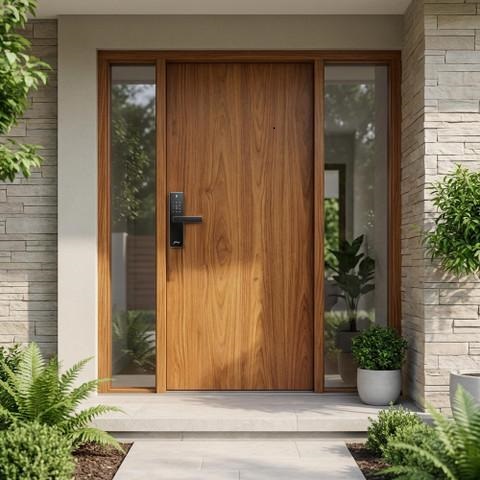
A lock is an important part of a property’s security system. It helps control access, protects personal belongings, and provides an additional obstacle against unauthorized entry.
However, installing any lock does not automatically make a door secure.
The strength of the door, strike plate, hinges, frame, and installation hardware also influences how well the complete assembly performs.
For example, an expensive deadbolt installed in a severely damaged door frame may offer limited protection.
Similarly, a lightweight interior privacy lock is not an appropriate substitute for a dedicated exterior security lock.
Choosing suitable hardware also makes daily life easier. A lock that is difficult to operate, frequently jams, or requires unnecessary effort can become frustrating.
Good security balances protection, convenience, accessibility, and emergency safety.
1. Understand the Different Types of Door Locks
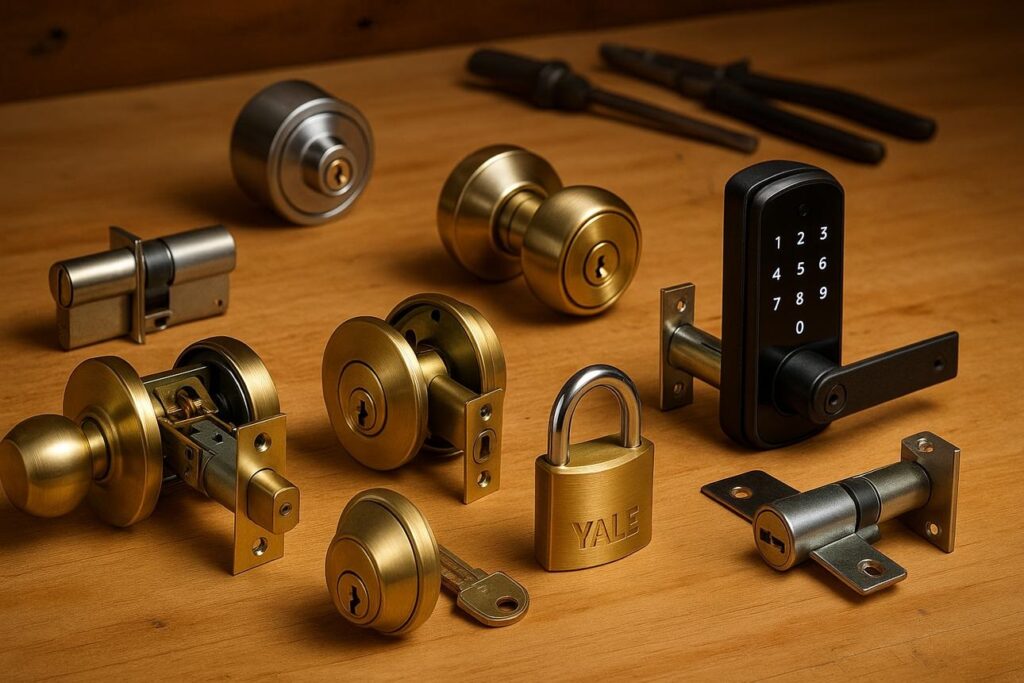
Before comparing products, familiarize yourself with the most common lock categories.
Each type has a particular design and intended application.
Deadbolt Locks
Deadbolts are among the most widely used security devices for residential exterior doors.
Unlike ordinary spring-latch mechanisms, a deadbolt extends a solid bolt into a strike plate and must be retracted through its operating mechanism.
Two common designs are available.
Single-cylinder deadbolts use a key on the exterior and a thumb turn on the interior.
Double-cylinder deadbolts require a key on both sides.
For most residential entry doors, a single-cylinder deadbolt is a practical choice because occupants can unlock it from inside without searching for a key.
Double-cylinder models can create emergency escape hazards and may be restricted by local building codes.
The Builders Hardware Manufacturers Association explains these common deadbolt configurations in its residential security guidance. BHMA Certified
Mortise Locks
Mortise locks use a lock body installed inside a specially prepared pocket in the door.
They are commonly found in some commercial buildings, older homes, and higher-end residential installations.
A mortise system may combine the latch and locking mechanism into one assembly.
Proper installation requires compatible door construction and accurate preparation.
Knob and Lever Handle Locks
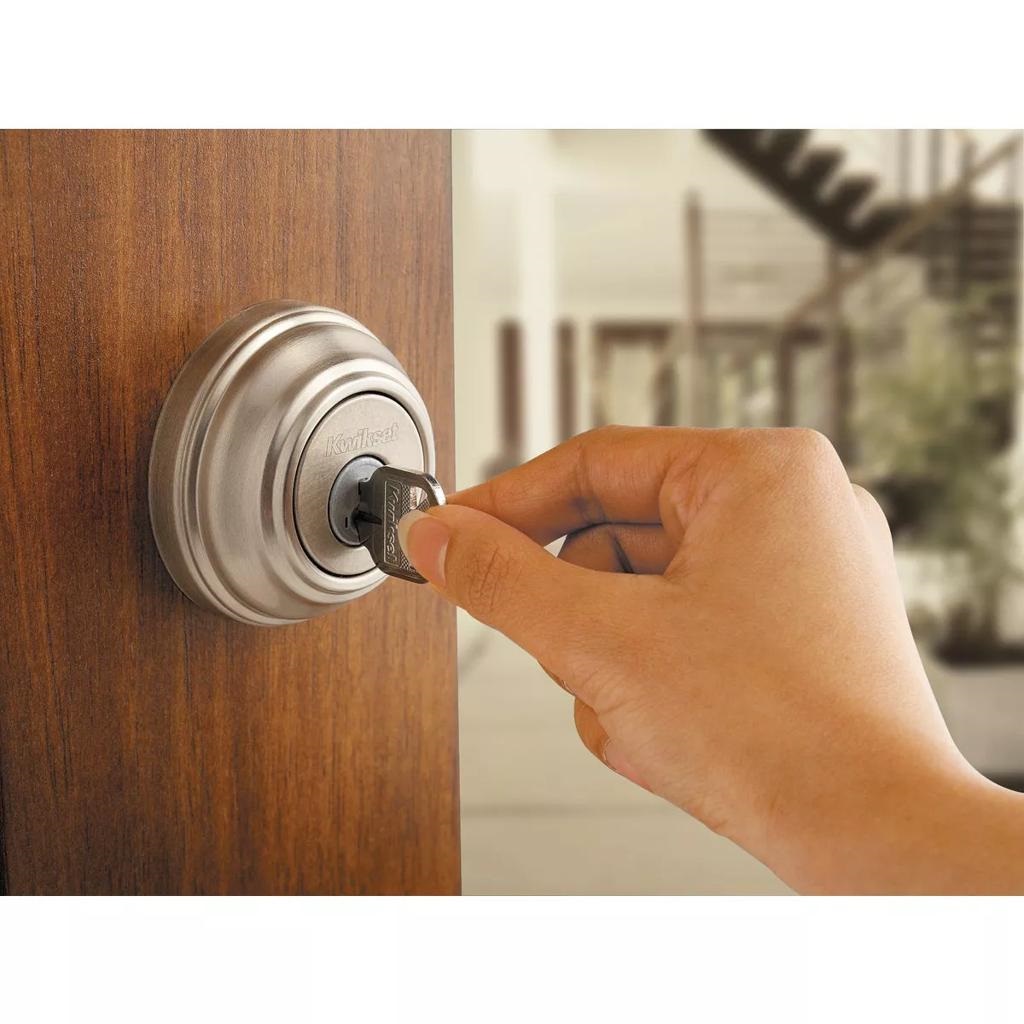
Knob locks and lever handle locks are common in residential interiors.
They are often used on bedrooms, bathrooms, and passage doors.
Some models offer a keyed entry function, while others provide privacy locking.
Lever handles can be easier to operate for individuals who have difficulty gripping or twisting a traditional knob.
For exterior security, an appropriate deadbolt is generally preferable to relying only on a basic keyed knob or lever latch.
2. Consider Smart Locks and Keyless Entry Systems
Smart locks have become popular among homeowners who want convenient access control.
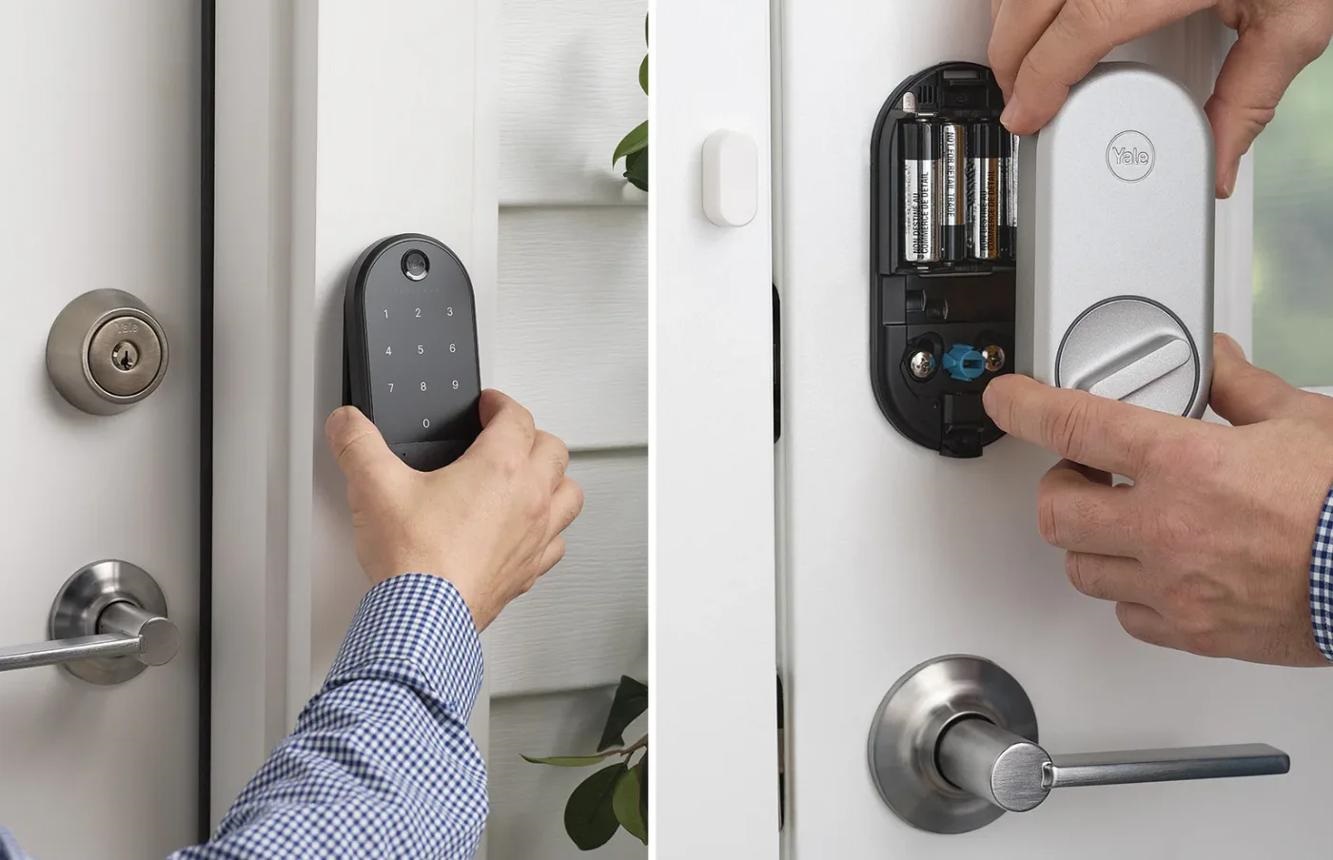
These systems may use numerical keypads, smartphone applications, wireless connectivity, or compatible home automation platforms.
Some models can also provide temporary access codes for visitors.
Benefits of Smart Door Locks
A major advantage of smart locks is convenience.
Instead of carrying a traditional key, authorized users can access the property through a keypad or another supported authentication method.
Certain products offer remote locking, access notifications, and integration with compatible security systems.
This functionality may be particularly useful for households with multiple residents.
However, features vary between products, and some remote capabilities require additional equipment or subscriptions.
Smart Lock Security Considerations
Electronic convenience should not replace mechanical strength.
Consumer Reports notes that smart locks can still be vulnerable to physical attacks and may introduce digital security concerns. Consumer Reports
When comparing models, consider their mechanical certification, software update support, account security options, and battery performance.
Choose a product with a dependable emergency access method.
For connected locks, use strong passwords, available multifactor authentication, and manufacturer-supported firmware updates.
3. Choose Suitable Locks for Different Doors
One important lesson from a quick guide to choosing the right type of locks is that the intended location should determine the hardware.
A front entrance, bathroom, garage, and storage shed do not necessarily need the same locking mechanism.
Front Door Locks
The front door usually requires stronger access control than an interior door.
A properly installed deadbolt with suitable certified performance is a common residential solution.
Consider combining the lock with a sturdy strike plate, sound door frame, and reliable hinges.
Smart deadbolts can provide additional convenience if their mechanical and electronic features meet your needs.
Bedroom and Bathroom Locks
Interior privacy locks are intended primarily to prevent accidental interruptions.
They generally do not need the same forced-entry resistance as exterior security hardware.
Choose locks that can be operated easily from inside and provide the appropriate emergency release function.
Garage and Storage Door Locks
Garage side doors, detached workshops, and storage sheds require hardware suited to their construction and exposure.
Weather-resistant locks are important for exterior locations.
For attached garages, consider the security of the door connecting the garage to the home, along with applicable fire-door requirements.
Always evaluate the entire door assembly rather than focusing exclusively on the lock.
4. Understand ANSI and BHMA Lock Ratings
Security ratings provide a useful way to compare lock performance.
In the United States, the American National Standards Institute and the Builders Hardware Manufacturers Association are associated with established door hardware standards.
Traditional ANSI/BHMA Grades
Many locks advertise a grade ranging from 1 to 3.
| Grade | General performance level | Typical application |
|---|---|---|
| Grade 1 | Highest of the three traditional grades | Heavy-duty commercial or demanding residential use |
| Grade 2 | Intermediate performance | Many residential and light-commercial uses |
| Grade 3 | Basic performance level | Light-duty residential applications |
These grades relate to specified testing requirements, and the exact standard should always be checked. Schlage Residential
Residential BHMA Certification
Modern residential lock packaging may also display the BHMA Certified Secure Home label.
This system evaluates security, durability, and finish separately using letter ratings.
A represents the highest performance category, followed by B and C.
For example, a lock may perform particularly well in durability while receiving a different rating for finish resistance.
BHMA provides an explanation of these ratings through its residential hardware certification guidance. BHMA Certified
Look for independently verified certification rather than assuming that a manufacturer’s marketing description proves superior security.
5. Check Lock Materials and Construction Quality
The materials used in a lock can influence durability, weather resistance, and long-term performance.
Common materials include brass, stainless steel, zinc alloys, and other engineered metals.
However, appearance alone does not establish security quality.
Look Beyond the Exterior Finish
A polished metal lock may look impressive, but the internal components and tested performance are more important.
Examine the manufacturer’s specifications for cylinder construction, bolt design, corrosion resistance, and intended installation environment.
Outdoor locks should have finishes suitable for exposure to rain, humidity, and temperature changes.
Consider Long-Term Durability
Locks installed on frequently used entrances experience repeated movement.
Choose hardware designed for the expected usage level.
A heavily used family entrance may justify more durable equipment than an occasionally accessed interior storage room.
Certified performance ratings can help when comparing products.
6. Make Emergency Exit Safety a Priority
Security should never prevent occupants from escaping during an emergency.
A door that requires someone to search for a key during a fire can create a serious hazard.
Avoid Unsafe Interior Locking Arrangements
The 2021 International Residential Code requires the designated dwelling egress door to be openable from inside without a key or special knowledge or effort. Local adopted codes and amendments determine the precise requirements for a property. 2021 INTERNATIONAL RESIDENTIAL CODE (IRC)
This is particularly relevant when considering double-cylinder deadbolts.
A single-cylinder deadbolt with an interior thumb turn is often better suited to ordinary residential entry doors.
Consider Everyone Using the Home
Young children, older adults, and people with limited hand strength may have different operating needs.
Choose handles and locking mechanisms that household members can use comfortably.
Accessibility, emergency operation, and dependable performance should remain central considerations.
7. Choose Between Traditional and Smart Locks
Both mechanical and electronic locks can be appropriate, depending on their design and intended purpose.
Traditional locks are generally straightforward to operate and do not depend on batteries or software.
Smart locks provide additional access-management features but introduce electronic maintenance requirements.
Traditional Locks
A conventional deadbolt may suit homeowners who value simplicity and do not need remote access.
Mechanical systems avoid concerns about connectivity interruptions, although physical keys can be lost or copied.
Smart Locks
Smart locks may be suitable for households that frequently provide temporary access to relatives, cleaners, or authorized service providers.
When selecting one, verify battery replacement procedures, connectivity requirements, supported platforms, and backup entry methods.
Neither category is automatically more secure.
The specific product, door construction, certification, installation, and maintenance determine its practical performance.
8. Ensure the Lock Fits Your Door
Compatibility is essential when selecting replacement door hardware.
Even a well-made lock may perform poorly if it does not match the door.
Measure Before Purchasing
Check the door thickness, existing bore-hole diameter, backset, and strike plate arrangement.
The backset is the distance from the edge of the door to the center of the lock’s main bore hole.
Also verify whether the door and frame provide sufficient space for the selected hardware.
Inspect the Door and Frame
Examine the door for cracks, warping, loose hinges, or alignment problems.
If the door does not close properly, installing a new lock alone may not solve the issue.
Garage and exterior doors may also require weather sealing or specialized compatible hardware.
A qualified locksmith can identify problems that should be corrected before installation.
9. Consider Your Budget and Maintenance Needs
Choosing the right lock does not necessarily mean purchasing the most expensive model.
The goal is to select hardware that meets your security requirements and provides reasonable long-term value.
Compare Total Ownership Costs
Basic mechanical locks generally involve fewer electronic components.
Smart locks may require batteries, optional accessories, and additional setup.
Some connected features may involve subscription services.
Compare the cost of installation and ongoing maintenance alongside the purchase price.
Maintain Locks Properly
Regularly check that locks engage fully and operate smoothly.
Clean visible hardware according to the manufacturer’s instructions.
Avoid using unsuitable lubricants that may attract dirt or damage internal components.
Replace weak smart-lock batteries promptly and investigate unusual sticking or misalignment before the mechanism fails.
10. Know When to Hire a Professional Locksmith
Some replacement locks are designed for straightforward homeowner installation.
However, professional assistance can be valuable when the door requires modifications or the existing lock is damaged.
A locksmith can assess compatibility, correct alignment problems, recommend suitable hardware, and install specialized locking systems.
Professional installation is particularly useful for mortise locks, commercial-grade systems, access-control hardware, and doors with unusual dimensions.
For commercial properties, ensure the selected hardware also meets applicable accessibility and emergency-exit requirements.
Before hiring a locksmith, verify business credentials, licensing requirements where applicable, and written pricing.
Common Mistakes to Avoid When Choosing Locks
A quick guide to choosing the right type of locks should also address common purchasing mistakes.
Homeowners sometimes choose products based entirely on appearance or price while overlooking the factors that determine everyday performance.
Other frequent mistakes include installing interior privacy locks on exterior doors, failing to check security certification, ignoring door-frame damage, and choosing smart locks without understanding their backup access options.
Another concern is selecting locking hardware that makes emergency evacuation difficult.
When replacing door locks, consider the entire entry system and the people who will use it.
A thoughtful decision combines suitable lock performance with proper installation, convenience, accessibility, and routine maintenance.
Frequently Asked Questions
What type of lock is best for a residential front door?
A properly installed, security-rated single-cylinder deadbolt is a common and practical option for residential front doors. The best choice depends on door construction, local building requirements, and the level of security needed.
Are smart locks safer than traditional locks?
Not necessarily. Smart locks offer convenience and access-management features, but their physical security varies by product. Some connected models may also introduce digital risks. Compare independent testing and certification before purchasing.
What is the difference between a deadbolt and a regular door lock?
A deadbolt uses a bolt that is extended and retracted through its operating mechanism. A typical spring-latch lock can be pushed back by the closing action of the door. Deadbolts are generally preferred as a dedicated security feature for exterior residential doors.
What does ANSI Grade 1 mean?
Grade 1 is the highest performance level in the traditional three-grade ANSI/BHMA lock grading system. It is commonly associated with demanding applications and higher tested durability and security performance.
Can I install a new door lock myself?
Some residential replacement locks can be installed by homeowners using manufacturer instructions and basic tools. Complex installations, damaged frames, specialized hardware, or safety-critical doors may require a professional.
How often should residential door locks be replaced?
There is no universal replacement schedule. Consider replacement when locks become unreliable, damaged, significantly worn, or unsuitable for current security needs. Rekeying may be appropriate when keys are lost or unauthorized copies may exist.
Which type of lock is suitable for a bathroom?
A privacy lock designed for interior use is generally appropriate. It should provide everyday privacy while allowing emergency access through its intended release mechanism.
Conclusion
Choosing the right locks is an important part of protecting your property and maintaining convenient, safe access.
Deadbolts, mortise locks, lever locks, and smart locks each serve different purposes. Understanding their features helps you select appropriate hardware for exterior doors, interior rooms, garages, and other locations.
The most useful factors to evaluate include security certification, door compatibility, construction quality, ease of operation, emergency safety, and maintenance requirements.
Remember that a strong lock works best as part of a complete door assembly that includes a durable frame, secure hinges, and properly installed hardware.
By comparing reliable products and choosing locks designed for their intended applications, homeowners can improve security without sacrificing everyday convenience or emergency accessibility.

Written by Twastia Editorial Team
Twastia Editorial Team shares practical insights about website design, SEO services, Google Ads, content marketing, social media, conversion rate optimization, and digital marketing strategy.
Last updated: Nov 4, 2026
Related posts from Twastia
Explore more useful articles from twastia.com about digital marketing, SEO, websites, ads, content, and growth strategy.