The Glamping Trend: Why It’s Here to Stay: Best Reasons to Try It
Travel preferences have changed considerably over the past several years. Many vacationers now want experiences that combine relaxation, memorable surroundings, […]
Travel preferences have changed considerably over the past several years. Many vacationers now want experiences that combine relaxation, memorable surroundings, and opportunities to spend time outdoors. Traditional hotels remain popular, but alternative accommodations are attracting travelers looking for something different.
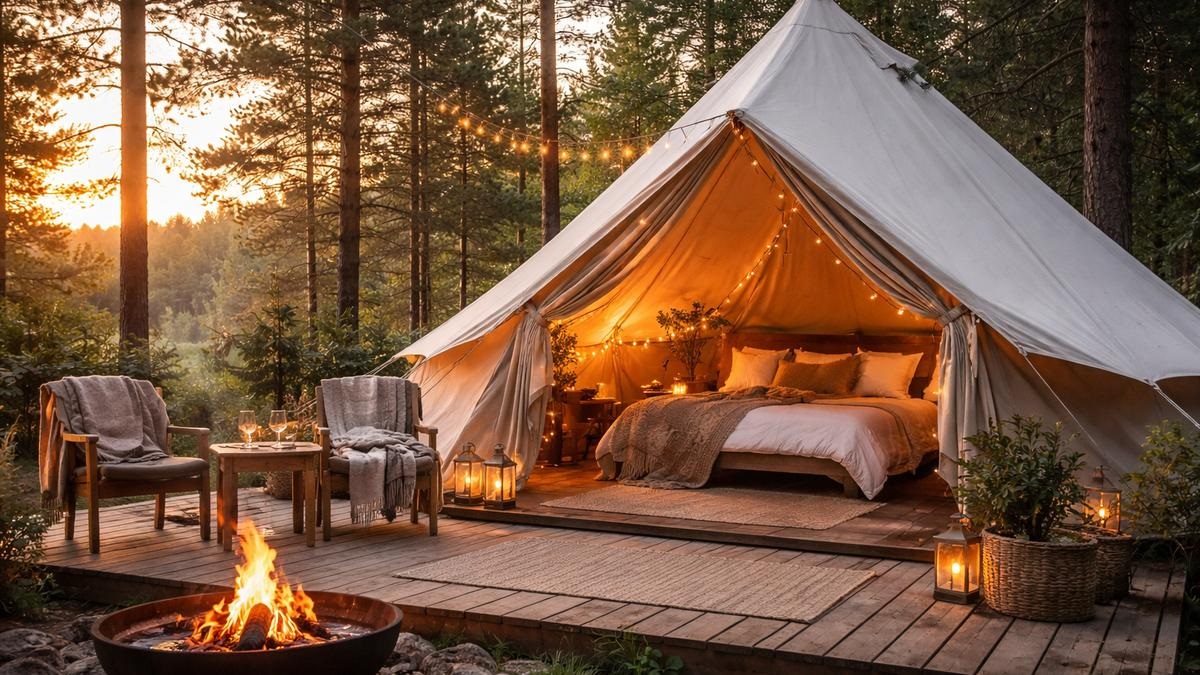
One option gaining lasting attention is glamping, a combination of the words glamorous and camping.
Unlike conventional camping, which often requires travelers to bring tents, sleeping equipment, and other essentials, glamping typically provides furnished accommodations with additional comforts.
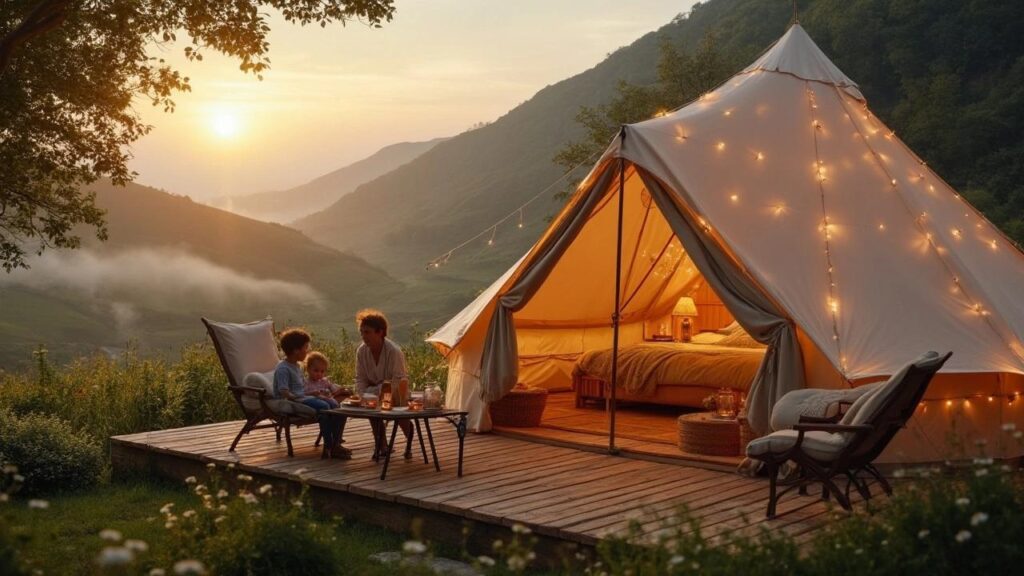
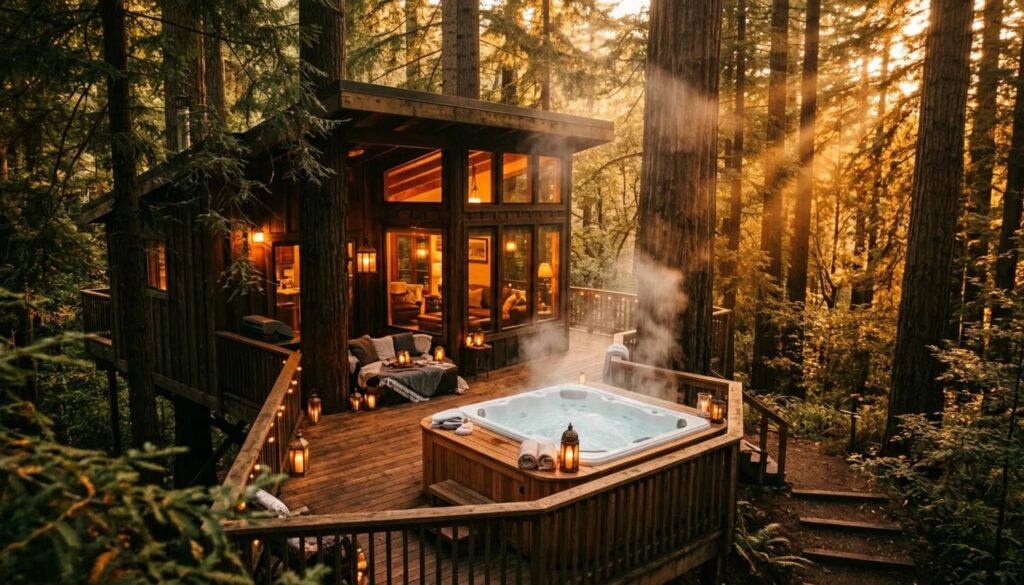
Guests might stay in luxury safari tents, geodesic domes, treehouses, yurts, or small cabins surrounded by beautiful natural landscapes.
The glamping trend: why it’s here to stay is closely connected to changing expectations around comfort, convenience, outdoor recreation, and meaningful travel experiences.
What initially seemed like a niche vacation style has developed into a recognizable part of the outdoor hospitality industry.
From romantic weekend escapes to family vacations, glamping offers opportunities for travelers who want to enjoy nature without giving up every familiar convenience.
This article explores the reasons behind glamping’s popularity, its appeal to different travelers, and the factors shaping its future in the United States.
What Is Glamping and How Is It Different From Camping?
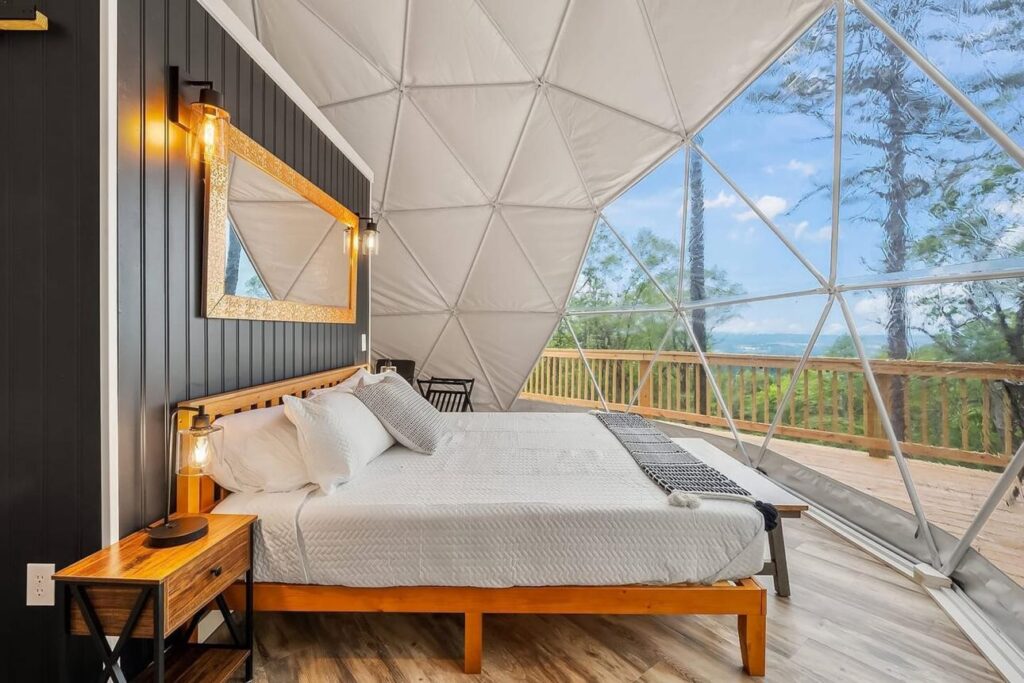
Glamping combines elements of outdoor recreation with selected comforts commonly associated with hotels or vacation rentals.
The precise experience varies by destination.
Some glamping accommodations offer comfortable beds, electricity, heating, private bathrooms, and kitchen facilities.
Others provide simpler furnished tents with shared bathrooms and limited utilities.
The main difference is that glamping generally reduces the equipment, preparation, and setup traditionally associated with camping.
Traditional Camping vs. Glamping
Traditional camping often involves pitching a tent, preparing a sleeping area, transporting equipment, and managing outdoor cooking arrangements.
For experienced campers, these activities are part of the enjoyment.
Glamping takes a different approach.
Guests typically arrive at an established accommodation where the basic sleeping arrangements are already prepared.
This makes outdoor travel more approachable for people who enjoy natural surroundings but prefer additional comfort.
Neither experience is inherently better. Each serves different expectations, travel budgets, and personal preferences.
Why the Glamping Trend Continues to Grow
The continued popularity of glamping is supported by outdoor hospitality research.
According to Kampgrounds of America’s 2026 Camping & Outdoor Hospitality Report, more than 52 million North American households went camping in 2025.
The report states that glamping accounted for 29% of camping experiences during that year and was selected by 31% of new campers. KOA Pressroom
These figures suggest glamping is contributing to broader participation in outdoor recreation.
Additional industry data points in a similar direction.
RoverPass reported a 43.6% year-over-year increase in glamping reservations on its platform in 2025. However, glamping represented only around 0.3% of its platform bookings, so that growth should not be interpreted as representative of the entire US market. The Quality Shift
The evidence supports meaningful interest in glamping, although future growth is not guaranteed.
Several practical factors help explain its appeal.
1. Glamping Combines Nature With Modern Comfort
One of the main reasons glamping attracts travelers is its combination of outdoor surroundings and convenient amenities.
Many people appreciate forests, mountains, lakes, and open landscapes but feel less enthusiastic about sleeping on the ground or managing complicated camping equipment.
Glamping offers an alternative.
Comfortable Sleeping Arrangements
Depending on the property, guests may enjoy real mattresses, quality bedding, comfortable furniture, and climate-control options.
These features can make overnight stays more appealing to travelers unfamiliar with traditional camping.
A well-designed glamping accommodation allows visitors to spend time outdoors while returning to a comfortable sleeping environment.
Convenient Facilities
Some sites provide private bathrooms, hot showers, kitchenettes, electricity, and Wi-Fi.
Others intentionally offer fewer amenities to create a more rustic atmosphere.
Travelers should check the facilities included rather than assuming every luxury camping experience has hotel-level services.
This flexibility is an important part of the glamping trend because guests can choose the level of comfort that suits them.
2. Travelers Want Unique and Memorable Experiences
Modern vacation planning often involves more than selecting a destination.
Travelers may also consider how unusual, relaxing, or memorable the accommodation itself will be.
Glamping properties can offer distinctive surroundings that conventional hotels cannot always replicate.
Unusual Accommodation Designs
The variety of glamping structures is one of its defining characteristics.
Common options include safari tents, yurts, geodesic domes, treehouses, converted wagons, and small woodland cabins.
Some properties feature panoramic windows, raised platforms, private decks, or outdoor soaking tubs.
These designs allow travelers to experience natural settings from different perspectives.
Scenic Locations
Many glamping properties are situated near forests, mountains, lakes, farms, or open countryside.
A visitor might wake up to birdsong, watch a sunset from a private deck, or enjoy an evening beneath the stars.
The surrounding environment becomes part of the vacation experience.
This combination of distinctive accommodation and natural scenery helps glamping stand apart from more conventional lodging choices.
3. Glamping Appeals to Different Age Groups
Another reason the glamping trend is likely to remain relevant is its appeal across different types of travelers.
Couples, families, solo travelers, and groups of friends may all find suitable experiences.
Romantic Glamping Getaways
Couples often look for accommodation that offers privacy, attractive surroundings, and opportunities to relax together.
A secluded cabin, furnished tent, or dome with mountain views can provide a memorable setting for an anniversary or weekend escape.
Depending on the property, guests may also enjoy private outdoor seating, stargazing, or scenic walking trails.
Family-Friendly Outdoor Vacations
Families may appreciate glamping because it reduces the amount of camping equipment they need to transport.
Some destinations provide larger accommodations, playgrounds, shared recreational areas, and organized activities.
Parents should check sleeping capacity, bathroom access, safety arrangements, and age-appropriate activities before booking.
Solo Travel and Group Experiences
Glamping can also appeal to solo travelers seeking quiet surroundings.
Groups may choose properties offering multiple tents or cabins near shared gathering areas.
These varied options allow operators to serve different travel needs rather than relying on one narrow audience.
4. Wellness and Relaxation Support Glamping’s Appeal
Many travelers use vacations as opportunities to relax, reduce everyday stress, and spend time away from demanding routines.
Nature-based travel can support these goals by providing opportunities for gentle physical activity and quieter surroundings.
Opportunities to Disconnect
Some glamping destinations encourage guests to limit screen time and enjoy outdoor experiences.
Activities might include reading, walking, observing wildlife, or relaxing beside a campfire where permitted.
KOA’s 2026 report identifies wellness, meaningful experiences, and a growing interest in less structured outdoor activities as important themes in camping and outdoor hospitality. KOA Pressroom
Glamping fits naturally into this approach because accommodations provide a comfortable base for outdoor relaxation.
Nature-Focused Activities
Many locations offer access to hiking, kayaking, cycling, birdwatching, or guided nature experiences.
These activities help travelers enjoy the surrounding environment rather than spending their entire vacation indoors.
However, visitors should select activities appropriate for their abilities, experience, and local conditions.
Glamping does not automatically provide health benefits, but it can make nature-oriented vacations more accessible to travelers who prefer additional comfort.
5. Glamping Supports Short and Convenient Getaways
Not every memorable vacation requires international travel or an extended stay.
For many American travelers, a weekend trip within driving distance offers a practical way to explore somewhere new.
Glamping can work particularly well for these shorter vacations.
Less Equipment and Preparation
Traditional camping usually requires preparation, including gathering equipment, packing sleeping supplies, and planning meals.
Glamping accommodations frequently provide bedding, furniture, and other essentials.
This can reduce preparation time and make spontaneous weekend trips easier to organize.
Explore Destinations Closer to Home
Glamping properties can be found in rural destinations, wooded areas, and regions near popular recreational attractions.
Travelers might choose locations near the Great Smoky Mountains, the Catskills, or other scenic regions.
Local rules, facilities, seasonal availability, and accessibility vary by property.
Shorter-distance travel may also reduce transportation expenses compared with some longer vacations, although glamping accommodation itself can be expensive.
6. Unique Accommodations Create Opportunities for Tourism Businesses
The glamping trend is also influencing the outdoor hospitality industry.
Property owners and tourism operators are exploring ways to offer distinctive accommodations that appeal to travelers seeking memorable experiences.
A Different Hospitality Business Model
Glamping businesses may operate furnished tents, cabins, domes, or other permitted accommodation structures.
Some operators offer basic stays, while others provide additional services such as guided activities, prepared meals, or private outdoor amenities.
However, opening a glamping property requires careful planning.
Operators must consider land-use approvals, building and fire regulations, sanitation, water access, insurance, weather conditions, and ongoing maintenance.
Focus on Guest Experience
Attractive accommodation is only part of a successful glamping operation.
Guests also expect accurate descriptions, cleanliness, reliable facilities, and responsive customer service.
A 2025 Glamping Show Americas industry report identified an average daily rate of $251 among its surveyed industry participants, alongside rising startup costs. This figure is specific to that report’s research and should not be treated as a universal glamping price. info.glampingshow.us
The findings illustrate both the revenue potential and the financial commitments involved in operating premium outdoor accommodation.
7. Sustainable Travel Is Influencing Glamping Design
Environmental awareness is another theme shaping outdoor hospitality.
Some travelers prefer accommodations that demonstrate care for surrounding landscapes and natural resources.
Glamping operators may respond with energy-efficient systems, water-saving facilities, and designs intended to reduce disturbance to the site.
Environmentally Conscious Features
Depending on the property, sustainability measures may include solar power, efficient lighting, water conservation, waste management, and durable accommodation materials.
Some developments use smaller structures or existing trails to limit unnecessary land disturbance.
However, a glamping property is not automatically environmentally friendly.
Construction, heating, transportation, water use, and waste disposal all contribute to its environmental impact.
Responsible Nature Tourism
Guests can also help reduce their impact by following marked trails, respecting wildlife, minimizing waste, and complying with fire restrictions.
Travelers should look for specific evidence of responsible operations rather than relying exclusively on advertising terms such as eco-friendly or green.
The long-term success of glamping destinations depends partly on protecting the landscapes that make them attractive.
8. Glamping Can Be Enjoyed in Different Seasons
Although summer remains a natural choice for many outdoor vacations, some glamping properties are designed for cooler months.
Weather-resistant structures, insulation, and appropriate heating systems can make certain accommodations suitable for autumn or winter stays.
Seasonal Experiences
Spring may offer blooming landscapes and mild temperatures, while autumn can provide colorful foliage and quieter surroundings.
Winter glamping may appeal to guests who enjoy snowy landscapes and cozy accommodations.
However, the availability of year-round glamping depends on climate, infrastructure, and the property’s operating arrangements.
Weather and Safety Considerations
Travelers should check whether their chosen accommodation is suitable for forecast conditions.
Heating appliances, ventilation, snow loading, emergency access, and fire safety are particularly important during colder months.
Never operate outdoor cooking appliances or unapproved fuel-burning heaters inside enclosed tents.
Choosing a professionally maintained property with suitable safety arrangements is essential.
Is Glamping Better Than Traditional Camping?
Glamping and traditional camping serve different travel preferences.
| Feature | Traditional camping | Glamping |
|---|---|---|
| Accommodation | Usually self-provided tent or camping setup | Typically furnished structure |
| Sleeping arrangements | Sleeping bag, mat, or camping bed | Often a conventional bed |
| Equipment required | Usually more | Generally less |
| Bathrooms | Depends on campground | Private or shared, depending on property |
| Cost | Often lower | Frequently higher |
| Experience | More hands-on outdoor living | Outdoor living with added conveniences |
Glamping may be attractive to first-time outdoor travelers, while traditional camping can offer greater flexibility and a more hands-on experience.
The best option depends on personal priorities, available budget, and the kind of vacation being planned.
What Does the Future Hold for the Glamping Trend?
The glamping trend appears to have established a meaningful place within outdoor hospitality.
Research from KOA and other industry organizations demonstrates continuing interest in furnished outdoor accommodations.
However, operators face challenges.
Premium accommodation prices can discourage budget-conscious travelers, while maintenance expenses, seasonal demand, and increasing competition may affect business performance.
The most resilient glamping businesses are likely to focus on genuine guest value, appropriate pricing, safe facilities, and well-maintained natural surroundings.
Future developments may include more accessible accommodation designs, improved energy efficiency, flexible lodging options, and stronger integration with local recreational activities.
Rather than replacing traditional camping or hotels, glamping is likely to remain one of several ways travelers enjoy outdoor destinations.
Frequently Asked Questions
What is glamping?
Glamping means glamorous camping. It generally combines outdoor accommodations with additional comforts such as furnished sleeping areas, electricity, heating, or private bathrooms, depending on the property.
Why is glamping becoming so popular?
Glamping appeals to travelers who want to experience nature without handling all the equipment and preparation associated with traditional camping. Unique accommodations, comfortable facilities, and opportunities for relaxation contribute to its popularity.
Is glamping more expensive than camping?
Glamping is often more expensive than a basic tent campsite because operators provide furnished accommodation and additional amenities. Prices vary considerably by location, season, property type, and included services.
Is glamping suitable for families with children?
Yes, many glamping destinations accommodate families and provide recreational activities. Parents should verify sleeping arrangements, safety features, bathroom facilities, and available amenities before booking.
Can you go glamping during winter?
Some glamping sites operate during winter and provide insulated accommodations with suitable heating. Others close seasonally. Always confirm weather suitability and safety arrangements before making a reservation.
Is glamping environmentally friendly?
Some glamping operations use environmentally conscious practices, but sustainability varies between properties. Travelers should evaluate specific measures involving energy, water, waste, construction, and landscape protection.
Will the glamping trend continue beyond 2026?
Current industry research indicates that glamping has an established audience and continues to attract new outdoor travelers. However, future demand will depend on affordability, service quality, economic conditions, and changing consumer preferences.
Conclusion
The glamping trend: why it’s here to stay reflects a broader change in how people approach outdoor travel.
Many vacationers want memorable experiences, beautiful natural surroundings, and comfortable accommodations without the preparation required for traditional camping.
Glamping responds to these preferences through furnished tents, cabins, domes, treehouses, and other distinctive lodging options.
Its appeal extends across couples, families, solo travelers, and groups, while the outdoor hospitality industry continues developing new experiences.
Although rising prices, environmental concerns, and operating expenses present challenges, glamping has become more than a temporary vacation novelty.
By combining access to nature with flexible levels of comfort, it offers a lasting alternative for travelers who want something different from conventional hotels or campsites.

Written by Twastia Editorial Team
Twastia Editorial Team shares practical insights about website design, SEO services, Google Ads, content marketing, social media, conversion rate optimization, and digital marketing strategy.
Last updated: Nov 4, 2026
Related posts from Twastia
Explore more useful articles from twastia.com about digital marketing, SEO, websites, ads, content, and growth strategy.