When Hurricane Damage Warrants Roof Repair vs. Full Replacement: What Every Homeowner Needs to Know Before Signing Anything
After a hurricane passes, most homeowners face the same immediate question: is the roof repairable, or does it need to […]
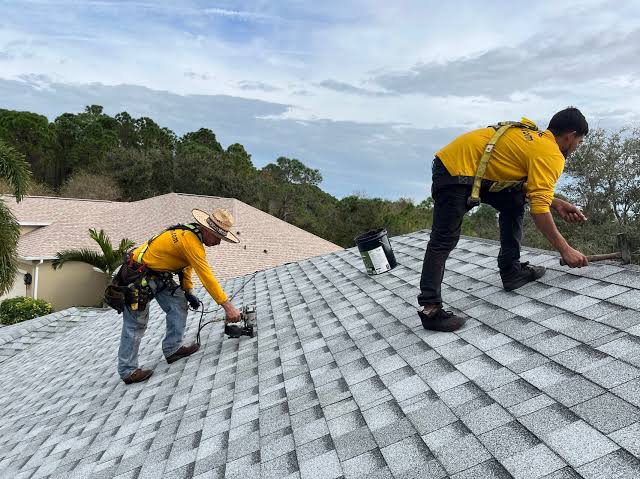
After a hurricane passes, most homeowners face the same immediate question: is the roof repairable, or does it need to come off entirely? The answer shapes the insurance claim, the repair timeline, and the total cost of recovery. Getting it wrong in either direction is expensive. Choosing repair when replacement is needed means the problem comes back. Choosing replacement when repair would have held means tens of thousands of dollars spent unnecessarily.
This article walks through the structural and regulatory factors that determine which path is correct, so homeowners enter the contractor and adjuster conversation with a clear framework rather than relying entirely on whoever shows up first. It also examines how hurricane damage roof repair assessments help identify compromised shingles, damaged underlayment, weakened decking, and other issues that influence whether targeted repairs or a complete roof replacement is the more appropriate solution.
How Hurricane Damage Actually Affects a Roof System
A roof is a layered system. From the outside in: shingles or tiles, an underlayment membrane, decking boards or plywood, the structural rafters or trusses, and the attic space below. Hurricane damage rarely affects all five layers uniformly. High winds lift and crack surface materials. Driven rain pushes through breaches in the underlayment. Saturated decking begins to delaminate. In severe cases, sustained wind pressure stresses the structural frame itself.
The key diagnostic question is: how deep did the damage travel?
Surface damage (lifted shingles, cracked tiles, minor flashing separation) typically stays within the top two layers. Repair addresses the breach, restores the weather seal, and leaves the structural system intact. More serious damage (saturated or delaminated decking, compromised rafters, widespread underlayment failure across the full roof field) crosses into replacement territory because the substrate that holds the new surface layer can no longer perform its structural function.
The Four Factors That Determine Repair vs. Replacement
1. Structural integrity of the decking
Decking is the board layer that the underlayment and shingles attach to. When decking absorbs water, it swells and delaminates. Nails lose their holding strength. The surface buckles. A roofer who installs new shingles over delaminated decking is building on a compromised base, and the installation will fail faster than the warranty covers.
If the inspector finds soft spots, visible delamination, or widespread water staining across the decking field, replacement becomes the structurally sound choice. If decking is firm and dry except in clearly contained sections, those sections can be cut out and sistered or replaced in place during a repair.
2. Percentage of the roof field affected
This factor matters most in jurisdictions that follow the 25% rule found in many building codes: when more than 25% of a roof is repaired or replaced within a set period, the entire roof must be brought up to current code. The specific threshold varies by location and by when the permit is pulled, so the contractor and local building department are the authoritative sources.
For homeowners, the practical implication is this: if hurricane damage covers 20% of the roof today, a repair gets done. But if that roof was already aging and another storm damages another 10% next season, the cumulative total crosses the threshold and triggers a full code-compliant replacement anyway. A licensed inspector who reviews the full roof condition, not just the storm-damaged sections, can flag this risk before the homeowner commits to a repair scope that may become a replacement six months later.
3. The roof’s remaining service life
Roofing materials carry wind and impact ratings and rated service lifespans. Asphalt shingles commonly rated for 25–30 years perform differently on year 8 versus year 24. A roof near the end of its rated life that sustains hurricane damage presents a different cost calculation than a newer roof with decades of rated performance remaining.
Insurance adjusters and contractors both factor current roof age into their assessments. When a roof is within 3–5 years of the end of its rated lifespan, the cost difference between repairing storm damage and replacing the full system often narrows enough that replacement is the more cost-effective long-term decision, particularly when the insurance claim covers a substantial portion of the replacement scope.
4. What the insurance adjuster documents
The adjuster’s report defines what the insurer will cover. Adjusters assess storm damage against the policy’s wind and water provisions, document affected sections, and determine whether findings support a repair or replacement scope. The homeowner’s contractor and the insurer’s adjuster may reach different conclusions, particularly on borderline cases where decking damage is localized or where aging shingles complicate the storm-versus-wear distinction.
Homeowners have the right to request a re-inspection and to bring a licensed contractor to that inspection. A contractor who documents damage independently, photographs every affected section, and presents a written scope itemized by layer gives the homeowner a factual basis to respond to an adjuster’s assessment they disagree with.
What to Ask Any Contractor Before Authorizing Work
Before signing a contract or an assignment of benefits, homeowners should request clear written answers to four questions:
What is the scope of the decking assessment? A roof inspection that only examines visible surface damage from the exterior misses subsurface moisture and decking delamination. A thorough inspection includes attic access and moisture readings.
Does this scope account for the building code threshold? If the contractor is proposing a repair that covers 18–22% of the roof field in a jurisdiction with a 25% rule, the homeowner should understand what triggers a full replacement and whether this repair puts them close to that line.
What is the warranty on the repair work? Repair warranties typically cover workmanship for a defined period. The scope, duration, and what voids coverage should be in writing before work begins.
Is this contractor licensed in the state where the work is performed? Storm events attract out-of-state crews without local licensing, familiarity with local code, or accountability after they leave. A state license number and verifiable local registration protect the homeowner’s claim and the installation warranty.
The Bottom Line
Hurricane damage does not come with a standard answer. The correct path depends on how deep the damage traveled, what percentage of the roof field is affected, the roof’s current age and rated life, and what the insurance documentation supports. Homeowners who understand these four factors before the contractor conversation are far less likely to authorize the wrong scope, underpay on a valid claim, or sign a contract that leaves the structural problem unresolved.
Apple Roofing / Saint Raphael is a licensed roofing contractor serving Fort Myers, Cape Coral, and communities throughout Southwest Florida. The team provides professional roof inspections, detailed written damage assessments for insurance claims, and reliable repair and replacement solutions for hurricane-damaged roofing systems. With a focus on protecting properties and restoring roof performance after severe weather, Apple Roofing helps homeowners move forward with confidence.
View Your Trusted Roofing Partner in Fort Myers in a full screen map
Media Contact:
Company Name: Saint Raphael / Apple Roofing
Phone: (239) 220-5120
Address: 7911 Drew Cir
City: Fort Myers
State: FL
Postal Code: 33967
Country: United States
Website: https://appleroof.com/fort-myers-fl/
Social Media:
https://www.facebook.com/appleroofing
https://www.linkedin.com/company/apple-roofing-llc
https://www.youtube.com/channel/UCMNRXjzM6GKfNh7hX8rRRfQ
https://www.instagram.com/appleroofing

Written by Twastia Editorial Team
Twastia Editorial Team shares practical insights about website design, SEO services, Google Ads, content marketing, social media, conversion rate optimization, and digital marketing strategy.
Last updated: Nov 12, 2026
Related posts from Twastia
Explore more useful articles from twastia.com about digital marketing, SEO, websites, ads, content, and growth strategy.