How to Keep Your House Safe when Traveling: Best Home Security Tips
Traveling provides an opportunity to relax, discover new places, and spend valuable time with family. However, leaving a property unattended […]
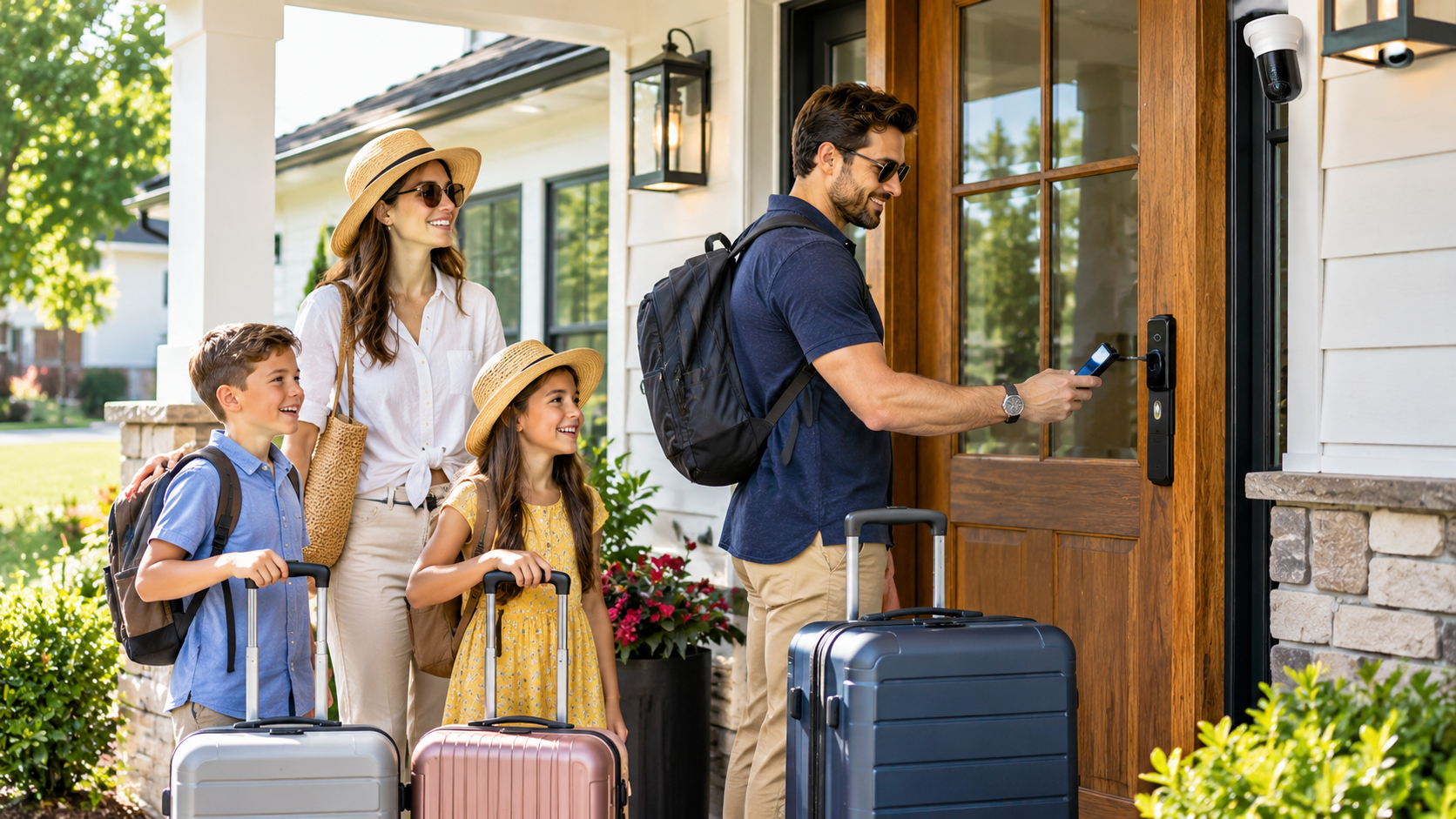
Traveling provides an opportunity to relax, discover new places, and spend valuable time with family. However, leaving a property unattended can create concerns about burglary, water leaks, fire hazards, and unexpected maintenance problems.
Learning How to Keep Your House Safe when Traveling involves more than locking the front door. A secure home also needs sensible preparation, reliable monitoring arrangements, and safeguards against problems that could develop while nobody is present.
The good news is that most preventive measures are straightforward. Checking locks, arranging mail collection, reviewing security equipment, and asking a trusted person to watch the property can help reduce avoidable risks.
Understanding How to Keep Your House Safe when Traveling also means recognizing that every property has different requirements. A downtown apartment, a suburban family home, and a house in an area with freezing winters may need different precautions.
The Mill Valley Police Department’s June 2026 vacation safety guidance recommends securing entrances, activating security systems, protecting valuables, using lighting timers, and avoiding public announcements about travel plans. Mill Valley, CA
The following practical steps can help American homeowners prepare their properties before leaving for a weekend trip, extended vacation, or business journey.
1. Secure Every Door, Window, and Entry Point
The first priority before leaving is checking every possible entrance to your property. Front doors receive the most attention, but back doors, basement windows, side gates, garage entrances, and sliding patio doors also deserve inspection.
One of the most effective ways to understand How to Keep Your House Safe when Traveling is to perform a complete security walkthrough rather than assuming the house is secure because the main entrance is locked.
Inspect Locks and Door Hardware
Make sure exterior doors close properly and that deadbolts operate smoothly. Replace worn or damaged hardware when necessary. Secure windows, including those in bathrooms, basements, and upper-floor rooms accessible from balconies or nearby structures.
Pay particular attention to the door connecting an attached garage to the house. A closed garage door should not be considered a substitute for securing the interior access door.
Protect Garages and Outdoor Storage
Lock sheds, secure bicycles and tools, and remove garage door remotes from vehicles parked outside. Avoid leaving spare keys under doormats or flowerpots.
When considering How to Keep Your House Safe when Traveling, remember that tools left outside may help an intruder access windows or doors. Store ladders and valuable equipment securely.
Complete a Final Lock Check
Walk through the property immediately before departure. Confirm that all accessible entrances are locked and the alarm is activated. The Los Angeles Police Department recommends checking door and window locks before family travel. LAPD Online
2. Make Your Home Appear Occupied
A house that looks abandoned for several days may attract unwanted attention. Completely dark rooms every evening, an overflowing mailbox, and neglected landscaping can suggest that nobody is home.
A practical part of How to Keep Your House Safe when Traveling is maintaining a reasonably normal appearance without creating new hazards.
Use Timers and Smart Lighting
Set selected indoor lights to operate at different times during the evening. Smart bulbs or plug-in timers can provide convenient scheduling, provided the devices and connected appliances are suitable for unattended use.
Outdoor motion-activated lights can illuminate entry points when movement is detected.
Avoid leaving every light switched on continuously. A predictable, unnatural pattern may be less convincing than a small number of appropriately scheduled lights.
Keep the Exterior Maintained
For longer trips, arrange lawn care, leaf removal, or snow clearing where needed. Leave curtains and blinds in their usual positions unless there is a specific security or weather-related reason to adjust them.
Learning How to Keep Your House Safe when Traveling means thinking about what a neighbor or passerby normally sees. A tidy property with ordinary lighting patterns is less conspicuous than one that suddenly looks neglected.
Check Outdoor Equipment
Secure patio furniture, umbrellas, and decorations that could move during strong winds. Avoid using indoor-only electrical devices outside.
The King County Sheriff’s Office recommends lighting timers, normal window-covering positions, and continued lawn or snow maintenance during vacations. King County, Washington
3. Use Security Cameras and Smart Monitoring Wisely
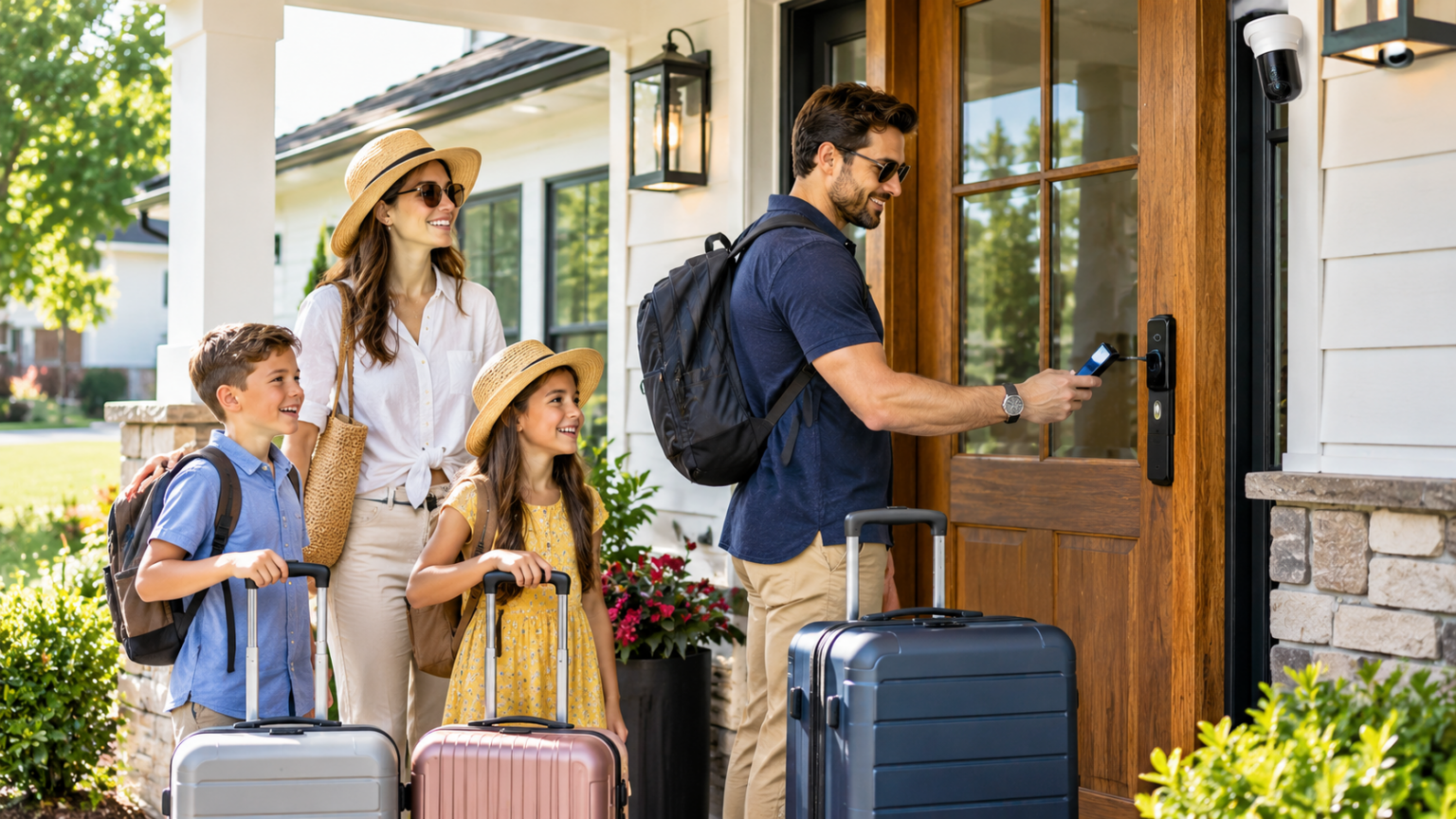
Modern security technology can help homeowners monitor activity even when they are hundreds of miles away. Doorbell cameras, motion sensors, monitored alarm systems, and smart locks may provide useful alerts about unusual events.
However, technology should support physical security rather than replace it.
The technology component of How to Keep Your House Safe when Traveling begins with choosing reliable equipment and understanding what it can actually detect.
Test Devices Before Departure
Check camera coverage, motion notifications, backup batteries, and internet connectivity. Make sure your smartphone application works correctly and that the alarm system is armed.
Review whether cameras can operate during power or internet interruptions. Cloud recording, professional monitoring, and emergency response capabilities vary across products and subscriptions.
Protect Your Digital Access
Use strong, unique passwords, enable multifactor authentication where available, and keep device software updated. Share access only with people who genuinely need it.
If a camera detects suspicious behavior, contact the appropriate local authorities or security provider rather than asking a neighbor to confront a potential intruder.
An important lesson in How to Keep Your House Safe when Traveling is that receiving a notification does not automatically mean someone can respond immediately. Establish an emergency contact arrangement before your trip.
Respect Privacy
Position cameras to protect your entrances and property while respecting neighbors’ privacy and applicable laws.
4. Stop Mail, Packages, and Unnecessary Deliveries
Accumulated mail and packages may indicate that a property is unattended. They can also expose personal information or attract package theft.
For anyone researching How to Keep Your House Safe when Traveling, mail management is an inexpensive precaution that should be arranged several days before departure.
Request a USPS Mail Hold
The United States Postal Service offers a free Hold Mail service for eligible addresses, covering periods of 3 to 30 days. Requests can be submitted online, and mail can be collected or delivered according to the available service arrangements. USPS
For longer absences, review USPS forwarding alternatives and any relevant eligibility conditions.
Reschedule Online Orders
Check expected deliveries from retailers and other carriers. USPS Hold Mail arrangements do not automatically manage every package delivered through other companies.
Change delivery dates, use pickup locations where available, or authorize a reliable person to retrieve items.
How to Keep Your House Safe when Traveling also involves canceling recurring deliveries that may accumulate at the entrance. Consider newspapers, grocery orders, subscription boxes, and other services that operate automatically.
Ask for Help With Unexpected Packages
Even carefully planned delivery schedules can change. Give a trusted neighbor permission to collect items left on the porch when appropriate.
5. Ask Someone You Trust to Check the Property
Technology can identify certain problems, but a reliable person nearby can notice issues that sensors miss.
An overflowing gutter, broken window, unusual noise, or damaged fence may become visible before an alarm detects anything.
A key element of How to Keep Your House Safe when Traveling is choosing someone who can observe the property and contact you when necessary.
Share Essential Information
Give the person your travel dates, preferred emergency contact method, and instructions for handling obvious problems.
If they have permission to enter, explain how to use the alarm, where important shutoffs are located, and whether pets or plants need care.
Avoid sharing sensitive access information through insecure messages.
Arrange Appropriate Check-Ins
The frequency of visits should reflect your property’s needs, trip duration, weather, and insurance requirements.
Some home insurance policies contain conditions concerning unoccupied properties, particularly during freezing weather. Review your own policy rather than assuming that a neighbor’s occasional visit will satisfy every requirement.
When applying How to Keep Your House Safe when Traveling, choose a person who understands their role. They should report suspicious activity, not investigate dangerous situations.
Check Local Vacation Watch Services
Some police departments offer vacation patrol or property-check programs. Availability and eligibility vary by jurisdiction.
For example, Mill Valley Police Department describes a vacation home patrol service for qualifying local residents. Mill Valley, CA
6. Prevent Water Damage and Weather-Related Problems
Burglary is not the only concern when a home is empty. Plumbing leaks, freezing pipes, roof damage, and malfunctioning equipment may cause considerable losses if they go unnoticed.
One of the most overlooked parts of How to Keep Your House Safe when Traveling is preparing the property’s essential systems.
Review Plumbing and Water Shutoffs
Inspect visible plumbing for active leaks before leaving. Know where the main water shutoff is located and whether shutting it off is appropriate for your home.
For some properties, closing the domestic water supply may reduce potential leak damage. However, certain heating systems, fire-protection installations, appliances, or other equipment may depend on water. Obtain qualified advice before turning off unfamiliar systems.
Water leak sensors can provide additional protection near vulnerable fixtures.
Maintain Suitable Indoor Temperatures
During cold weather, do not simply switch off the heating system. Maintain adequate heat to protect plumbing according to local conditions and your home’s design.
Check weather forecasts and arrange for someone to inspect the property if severe conditions are expected.
A sound approach to How to Keep Your House Safe when Traveling includes reviewing sump pumps, drainage, and storm-related risks where relevant.
Consider Insurance Requirements
Insurance coverage during temporary absences varies by policy. Ask your provider about extended vacancies, required inspections, heating precautions, and coverage for water damage.
TD Insurance’s January 2026 vacation guidance highlights water shutoffs, maintaining heat, and understanding policy conditions as important precautions. Although its policies are not necessarily representative of U.S. insurers, these are useful questions to raise with your own provider. TD Insurance
7. Protect Valuables and Keep Travel Plans Private
A secure house should not display valuable possessions unnecessarily. Move jewelry, important documents, spare keys, and other sensitive belongings away from visible windows.
Depending on the item, a suitable safe or secure off-site location may provide additional protection.
The personal security aspect of How to Keep Your House Safe when Traveling also includes controlling how widely you share information about your absence.
Avoid Public Departure Announcements
Posting exact travel dates, departure times, and real-time location updates publicly can reveal that your house is unattended.
Consider sharing vacation photographs after returning, or use restrictive privacy settings when communicating with trusted friends.
Avoid automatic email or voicemail messages that unnecessarily announce how long your home will be empty.
Secure Vehicles and Important Records
Lock vehicles remaining at home and remove visible valuables. Store insurance documents, identification records, and financial information securely.
When thinking about How to Keep Your House Safe when Traveling, review whether house keys or access codes have been shared with people who no longer need them.
Balance Security and Convenience
Keep essential digital records available to yourself during emergencies, using secure storage and account protection.
The Hoover Police Department’s November 2025 vacation guidance specifically recommends securing valuables, avoiding public travel announcements, and checking home alarms and locks. Hoover Police Department
8. Complete a Departure Checklist and Plan Your Return
Even a well-prepared homeowner can forget a small task during a busy departure morning.
A written checklist helps you verify important precautions without repeatedly wondering whether something was left unfinished.
The final stage of How to Keep Your House Safe when Traveling is turning your preparations into a consistent routine.
Review Your Final Checklist
| Area | Action before leaving |
|---|---|
| Doors and windows | Confirm all entry points are secure |
| Alarm and cameras | Test and activate equipment |
| Lighting | Confirm appropriate timers are working |
| Mail and deliveries | Arrange holds or collection |
| Plumbing and heating | Check leaks, settings, and seasonal precautions |
| Appliances | Turn off or unplug suitable nonessential devices |
| Emergency contact | Share necessary details with a trusted person |
| Outdoor areas | Secure furniture, tools, and gates |
Check Fire and Appliance Safety
Test smoke alarms and carbon monoxide alarms according to manufacturer guidance. Do not disable essential equipment, such as smoke detection, monitored security devices, refrigerators holding food, or necessary heating systems.
Unplug suitable nonessential appliances if appropriate, and make sure cooking equipment is off.
How to Keep Your House Safe when Traveling should include an organized return plan as well. Restore normal deliveries, inspect the property for damage, and check any alerts received during the trip.
Recheck the House When You Return
Before settling in, look for water stains, unexpected odors, damaged locks, and other signs of problems.
If you suspect an intruder is inside, do not enter or investigate; move to a safe location and contact emergency services.
Frequently Asked Questions
What should I do first to secure my house before traveling?
Inspect and lock doors, windows, and other entry points. Then check your alarm, cameras, mail arrangements, and any seasonal property risks.
Should I leave my lights on while on vacation?
Scheduled indoor lighting and suitable motion-activated exterior lights can help maintain a normal appearance. Avoid leaving unnecessary lights or unsafe electrical devices running continuously.
Is it safe to turn off the main water supply before leaving?
It can reduce leak risk in some homes, but certain systems may require a water supply. Confirm the appropriate procedure with a qualified professional when uncertain.
How long will USPS hold my mail?
USPS offers eligible Hold Mail requests for a minimum of 3 days and a maximum of 30 days. Longer absences may require another arrangement.
Should I tell my neighbors I am traveling?
Informing one or two reliable neighbors can be helpful. Provide necessary contact information and clear instructions without broadcasting your travel plans widely.
Do home security cameras guarantee protection?
No. Cameras and alarms can improve detection and documentation, but they cannot prevent every incident. Strong physical security, sensible precautions, and a reliable emergency response plan remain important.
Conclusion
A relaxing vacation begins with confidence that your property has been properly prepared.
Checking entrances, using sensible lighting, maintaining security equipment, managing deliveries, and arranging trusted supervision can help reduce avoidable risks. Water damage prevention, weather preparation, and privacy precautions are equally important.
Ultimately, How to Keep Your House Safe when Traveling is about creating several layers of protection rather than relying on one lock or security device.
By completing a practical checklist before departure and arranging a responsible contact while away, you can focus more comfortably on your journey while remaining prepared for unexpected situations at home.

Written by Twastia Editorial Team
Twastia Editorial Team shares practical insights about website design, SEO services, Google Ads, content marketing, social media, conversion rate optimization, and digital marketing strategy.
Last updated: Nov 6, 2026
Related posts from Twastia
Explore more useful articles from twastia.com about digital marketing, SEO, websites, ads, content, and growth strategy.