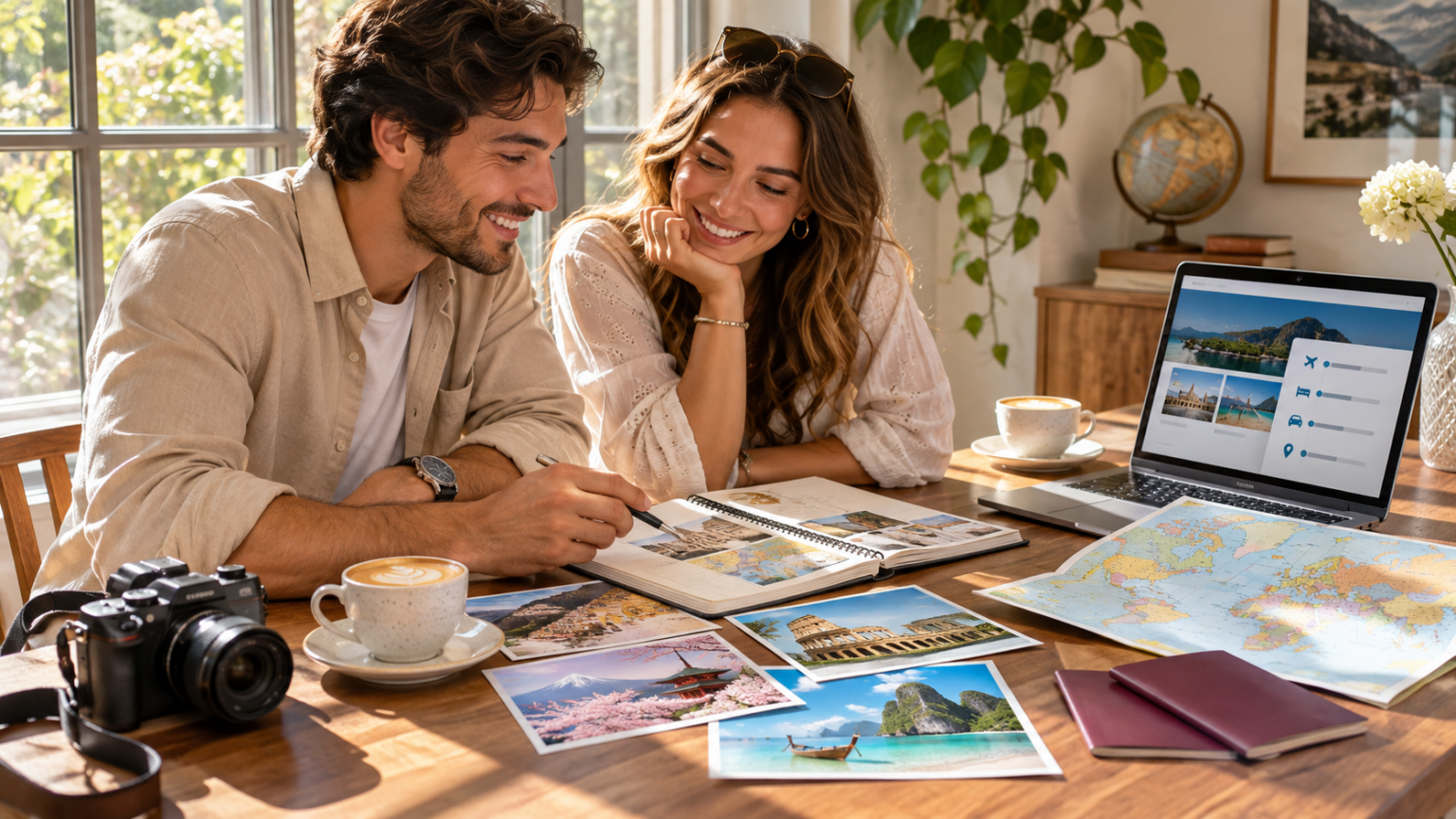
Tips and Insights For Planning A Memorable Trip: Best Guide
Traveling is one of the most rewarding ways to explore new places, discover different cultures, and create lasting memories. Whether […]
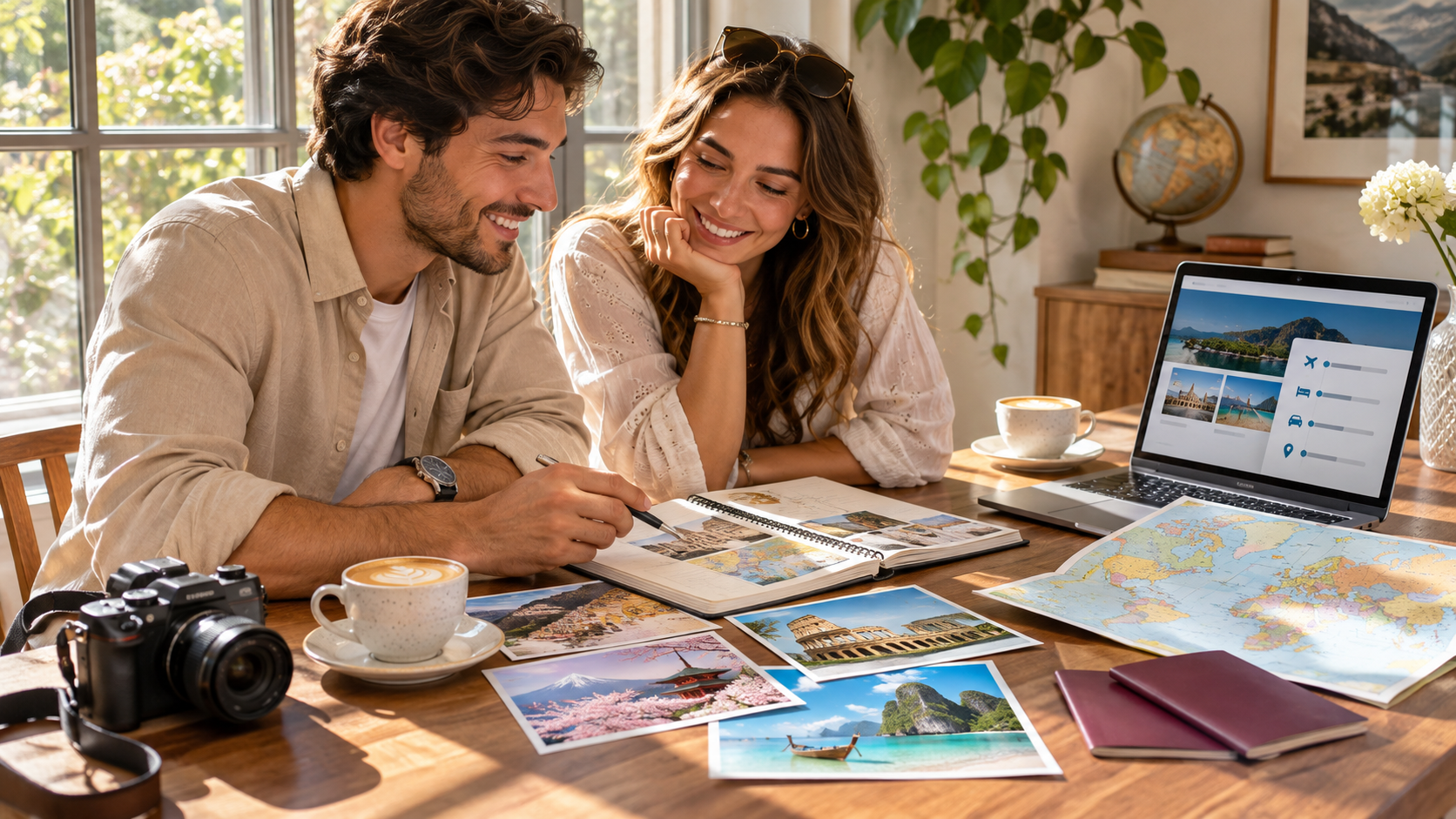
Traveling is one of the most rewarding ways to explore new places, discover different cultures, and create lasting memories. Whether you dream of relaxing on a beautiful beach, exploring historic cities, hiking through spectacular landscapes, or discovering unfamiliar cuisines, every journey offers opportunities for adventure and personal discovery.
However, a successful vacation rarely happens without some preparation.
Choosing a destination, arranging transportation, finding suitable accommodation, preparing travel documents, and managing expenses can become overwhelming, especially when planning an international trip.
Understanding Tips and Insights For Planning A Memorable Trip can help travelers approach these decisions with greater confidence and avoid unnecessary complications.
A memorable vacation does not necessarily require expensive hotels, luxury transportation, or an elaborate schedule. Some of the most rewarding experiences come from meaningful conversations, beautiful surroundings, and time spent with friends or family.
The key is finding the right balance between preparation and spontaneity.
The U.S. Department of State recommends checking destination-specific entry rules, passport validity requirements, travel advisories, local laws, and safety information before international travel. Travel.state.gov
Following Tips and Insights For Planning A Memorable Trip means preparing for practical responsibilities while leaving enough flexibility to enjoy unexpected opportunities.
This guide explores destination selection, budgeting, booking strategies, itinerary creation, travel safety, packing, cultural experiences, and ways to make your next journey more meaningful.
1. Choose a Destination That Matches Your Travel Goals
The first major decision in planning a vacation is selecting where to go.
With countless destinations available, it is easy to become distracted by attractive photographs, social media recommendations, and popular tourist attractions.
However, the best destination for someone else may not be the most suitable destination for you.
One of the most important Tips and Insights For Planning A Memorable Trip is to identify what you want from your journey before booking transportation.
Decide What Kind of Experience You Want
Consider whether you prefer relaxation, adventure, cultural exploration, nature, shopping, or a combination of activities.
For example, a traveler seeking peaceful beaches may enjoy a coastal destination, while someone interested in architecture and museums may prefer a historic city.
Your preferred activities should help guide the selection process.
Consider Your Travel Companions
A family vacation with young children requires different planning from a solo backpacking trip.
Families may prioritize convenient accommodation, shorter travel days, and suitable attractions.
Groups of friends might focus on nightlife, outdoor activities, or shared experiences.
Solo travelers may place greater emphasis on transportation accessibility and accommodation security.
Research Weather and Seasonal Conditions
A destination’s climate can significantly influence the experience.
Research average temperatures, rainy seasons, daylight hours, and the likelihood of disruptive weather.
Remember that peak tourist seasons can involve larger crowds and greater demand for accommodations.
Compare Accessibility and Travel Requirements
Consider flight connections, transportation availability, visa requirements, and travel duration.
A destination may appear affordable until transportation and other logistics are included.
The destination-selection benefit of Tips and Insights For Planning A Memorable Trip is choosing somewhere that matches your interests, resources, and expectations.
2. Set a Travel Budget Before Making Reservations
Budgeting is one of the most effective ways to reduce financial stress during a vacation.
Without a clear spending plan, travelers may underestimate the combined costs of flights, hotels, restaurants, local transportation, attractions, and unexpected expenses.
Creating a realistic budget is a central part of Tips and Insights For Planning A Memorable Trip.
Estimate Your Major Expenses
Start by estimating the cost of transportation and accommodation.
These may represent a substantial portion of the overall budget, particularly for international travel.
Next, consider meals, sightseeing, local transport, travel insurance, mobile connectivity, and other personal expenses.
Create Spending Categories
Separating expenses makes it easier to understand where the money will go.
A hypothetical seven-day vacation budget for one traveler might look like this:
| Travel expense | Illustrative budget |
|---|---|
| Round-trip transportation | $450 |
| Accommodation for six nights | $540 |
| Meals and drinks | $245 |
| Local transportation | $100 |
| Activities and attractions | $180 |
| Insurance and connectivity | $65 |
| Emergency reserve | $170 |
| Total estimated budget | $1,750 |
This is an example for planning purposes, not a verified price estimate for any particular destination. Actual costs depend on location, travel dates, exchange rates, booking conditions, and personal choices.
Build an Emergency Reserve
Unexpected expenses can include delayed transportation, medical needs, or changes to accommodation.
Keeping a separate reserve helps reduce the financial impact of these events.
Look for Affordable Experiences
Many destinations offer free walking routes, public parks, public beaches, community events, and low-cost museums.
You do not need to purchase a premium activity every day.
Track Spending While Traveling
A simple note on your phone or a budgeting application can help you understand how much remains available.
The budgeting approach behind Tips and Insights For Planning A Memorable Trip is to spend intentionally without allowing financial concerns to dominate the vacation.
3. Find the Right Time to Travel
Travel dates influence weather, crowd levels, accommodation availability, and the overall atmosphere of a destination.
Planning around these factors can make a substantial difference.
An important consideration within Tips and Insights For Planning A Memorable Trip is selecting travel dates that offer a good balance of comfort, cost, and available activities.
Understand Peak Travel Season
Peak season usually coincides with periods of high visitor demand, favorable weather, school holidays, or major festivals.
Popular attractions may become crowded, and some accommodations may have limited availability.
However, peak season can also offer lively cultural events and a wider range of seasonal activities.
Explore Shoulder Season
Shoulder season refers to the periods between peak and quieter travel seasons.
These dates can sometimes offer a useful balance of pleasant conditions and reduced visitor numbers.
However, shoulder-season timing differs by destination, and some activities may operate on reduced schedules.
Check Local Holidays and Events
National holidays, religious celebrations, sporting competitions, and major festivals can affect transportation, opening hours, and hotel availability.
They may also create unique cultural experiences.
Research the specific event before deciding whether to travel during it.
Consider Natural Conditions
For outdoor trips, weather affects safety and practicality.
Mountain routes, coastal activities, wildlife excursions, and hiking trails may have seasonal restrictions.
Consult official destination information and local operators when planning activities in potentially hazardous environments.
The timing strategy within Tips and Insights For Planning A Memorable Trip is to match the season with your intended experiences rather than automatically choosing the cheapest travel dates.
4. Book Transportation and Accommodation Carefully
Once you have selected the destination and travel dates, the next step is arranging transportation and accommodation.
These reservations shape the overall structure of the trip, so it is important to understand what you are purchasing.
A practical element of Tips and Insights For Planning A Memorable Trip is comparing the complete terms of a booking rather than focusing only on the advertised price.
Compare Flight Options
When reviewing flights, consider total travel time, connection lengths, baggage allowances, airport locations, and cancellation conditions.
A less expensive flight with multiple long connections may not provide the best overall value.
For international journeys, ensure that connecting airports and transit countries do not require additional visas or authorizations.
Choose Accommodation Based on Location
A centrally located hotel may cost more per night but reduce transportation expenses.
Similarly, accommodation near public transportation can offer better access to attractions.
Research neighborhood characteristics, nearby amenities, accessibility needs, and recent guest feedback.
Check Cancellation Policies
Some bookings allow free cancellation until a specified deadline, while others are nonrefundable.
Read the conditions carefully before completing payment.
If plans are uncertain, a flexible booking may provide meaningful value.
Verify Additional Charges
Accommodation prices may exclude local taxes, resort fees, parking charges, or other mandatory costs.
Transportation bookings may include additional fees for luggage, seat selection, or changes.
Compare the final amount payable, not only the initial search result.
Keep All Confirmations Organized
Save your reservation numbers, hotel addresses, transport tickets, and contact details.
Where possible, keep secure offline copies in case mobile internet access is unavailable.
The booking-related benefit of Tips and Insights For Planning A Memorable Trip comes from reducing unnecessary surprises and making travel arrangements easier to manage.
5. Create a Flexible and Realistic Travel Itinerary
A well-designed itinerary can help travelers experience important attractions without spending the entire vacation rushing between locations.
However, an excessively detailed schedule may leave little room for relaxation.
The itinerary-planning aspect of Tips and Insights For Planning A Memorable Trip is to create a practical structure while preserving flexibility.
Identify Your Must-See Attractions
Start by choosing a small number of experiences that matter most.
These could include historic landmarks, museums, natural scenery, food experiences, or activities unique to the destination.
Research opening hours, reservation requirements, accessibility, and expected visit duration.
Group Activities by Location
Planning nearby attractions on the same day can reduce unnecessary travel.
For example, visiting a museum, historic market, and nearby waterfront in one area may be more efficient than crossing the city repeatedly.
Leave Time for Rest
Transportation delays, unfamiliar surroundings, and extensive walking can be tiring.
Avoid filling every hour with scheduled activities.
A relaxed lunch or an unplanned afternoon may become one of the most enjoyable parts of the journey.
Reserve Popular Activities in Advance
Certain attractions, guided tours, and special experiences require advance booking.
Check official booking platforms and cancellation terms.
Be cautious of third-party sellers offering unusually expensive tickets or unofficial admission guarantees.
Example Three-Day City Itinerary
| Day | Morning | Afternoon | Evening |
|---|---|---|---|
| Day 1 | Explore the historic center | Visit a major museum | Enjoy a local restaurant |
| Day 2 | Visit a scenic viewpoint | Explore markets and cultural sites | Relax by the waterfront |
| Day 3 | Join a local cultural activity | Free time for shopping or parks | Enjoy a final memorable dinner |
This is a general sample itinerary, not a schedule for a specific city.
The most effective itineraries balance sightseeing with flexibility.
The itinerary lesson within Tips and Insights For Planning A Memorable Trip is that a manageable schedule often creates better experiences than an exhausting list of attractions.
6. Check Travel Documents and Entry Requirements Early
Travel documents are among the most important parts of international trip preparation.
A missing visa, expired passport, or misunderstood entry requirement can disrupt an otherwise carefully planned vacation.
One of the most essential Tips and Insights For Planning A Memorable Trip is verifying travel requirements before purchasing expensive nonrefundable reservations.
Check Passport Validity
Some countries require a passport to remain valid for a specified period beyond the arrival or departure date.
Others have different passport validity rules and may require a minimum number of blank pages.
The requirements depend on your nationality and destination.
The U.S. Department of State specifically recommends checking destination entry conditions and passport expiration dates early in the planning process. Travel.state.gov
Confirm Visa Requirements
A destination may require a visa, electronic travel authorization, or other entry documentation.
Transit stops can sometimes create additional requirements.
Verify these details through the destination government’s official immigration resources or relevant embassy.
Check Special Documentation for Children
When traveling internationally with children, some countries may require consent letters or other documents if a child is traveling without one or both parents.
Requirements vary by jurisdiction and circumstances. Travel.state.gov
Keep Secure Copies of Important Documents
Maintain copies of passports, visas, reservations, and other necessary travel records.
Store them securely, separately from the original documents.
Share relevant emergency contact information with someone you trust.
Review Driving Requirements
If you plan to rent a vehicle, check whether your destination accepts your driver’s license.
Some countries require an International Driving Permit or other documentation.
The documentation-related guidance within Tips and Insights For Planning A Memorable Trip is particularly valuable because entry rules can change and may depend on individual travel circumstances.
7. Prioritize Travel Health, Safety, and Insurance
Travel introduces unfamiliar environments, food, transportation systems, and sometimes health risks that differ from those at home.
Preparing for these issues helps reduce avoidable disruptions.
The safety-focused side of Tips and Insights For Planning A Memorable Trip involves understanding potential risks without becoming unnecessarily anxious about the journey.
Review Destination Health Recommendations
The U.S. Centers for Disease Control and Prevention recommends reviewing country-specific health guidance before traveling internationally.
Travelers may need particular vaccinations, medicines, or preventive measures depending on their destination and planned activities.
The CDC advises arranging a pretravel medical consultation ideally at least four to six weeks before departure, especially when destination-specific vaccines may be necessary. CDC
Check Travel Advisories
Before departure, research official travel advisories, local laws, weather-related risks, and relevant safety recommendations.
U.S. travelers can begin with the U.S. Department of State travel planning guidance.
Travelers of other nationalities should also consult guidance issued by their own governments.
Understand Travel Insurance
Travel insurance products differ.
Some cover certain trip cancellations or interruptions, while others include emergency medical expenses, baggage problems, or medical evacuation.
Do not assume every policy includes all these benefits.
Check exclusions, deductibles, coverage limits, preexisting-condition provisions, and the activities covered.
The CDC recommends confirming whether your existing health insurance provides protection abroad and considering appropriate additional coverage. CDC
Prepare for Emergencies
Keep essential emergency contacts available.
Know how to contact local emergency services and your country’s diplomatic mission when applicable.
Let a trusted person know your general travel arrangements, especially when visiting remote locations.
Protect Your Personal Information
Use secure payment methods, protect travel documents, and avoid sharing sensitive information through unverified websites.
Be cautious of suspicious accommodation messages asking you to transfer payments outside the platform originally used.
The safety-related value of Tips and Insights For Planning A Memorable Trip is preparing thoughtfully so you can focus more comfortably on enjoying the destination.
8. Pack Smart and Prepare for Comfortable Travel
Packing may seem like a simple task, but carrying too much luggage can make airports, trains, and city transfers more difficult.
Forgetting important items can also create unnecessary expenses after arrival.
A practical part of Tips and Insights For Planning A Memorable Trip is preparing a packing list based on the destination, climate, activities, and length of stay.
Start With Essential Documents
Pack your passport, required visas, identification, travel confirmations, and other documents you may need.
Keep essential documents in an accessible and secure location rather than placing them in checked baggage.
Pack Versatile Clothing
Choose clothing that works for multiple activities and weather conditions.
Neutral colors and comfortable layers can make it easier to create different outfits without bringing too many items.
Consider local cultural expectations when selecting clothing for religious sites or other venues.
Organize Toiletries and Medication
Pack personal care products in appropriately sized containers.
Keep necessary medication in original labeled packaging where possible and verify whether it is permitted at the destination.
Some countries restrict medications that are legal elsewhere, so check official entry requirements before departure. Travel.state.gov
Follow Airline Baggage Rules
Review carry-on size, weight limits, prohibited items, and liquid restrictions for your airline and departure airport.
For standard U.S. airport screening, the Transportation Security Administration generally applies its 3-1-1 liquids rule for carry-on items, subject to specific exceptions and current procedures. tsa.gov
International airports may apply different rules.
Keep a Small Day Bag
A lightweight day bag can hold items such as a water bottle, sunscreen, phone charger, essential medication, and a small umbrella.
Avoid carrying unnecessary valuables.
Prepare an Arrival Kit
Keep a few immediate necessities handy for the first day, such as a change of clothes, essential toiletries, and device chargers.
This can be especially useful if checked luggage is delayed.
The packing strategy behind Tips and Insights For Planning A Memorable Trip is to carry what supports the journey without allowing luggage to become an unnecessary burden.
9. Explore Local Culture and Create Meaningful Experiences
A memorable trip is not defined solely by famous monuments or photographs.
Often, the most rewarding experiences involve discovering local traditions, conversations, food, history, and everyday life.
The cultural element of Tips and Insights For Planning A Memorable Trip encourages travelers to explore their destination with curiosity and respect.
Try Authentic Local Food
Local cuisine can provide insight into a destination’s history and traditions.
Consider visiting neighborhood restaurants, food markets, or suitable cooking classes.
If you have dietary restrictions or food allergies, research ingredients and communicate your requirements clearly.
Learn Useful Local Phrases
Knowing a few greetings and polite expressions can make interactions easier.
Even simple phrases such as hello, thank you, and please can demonstrate consideration for the people you meet.
Visit Neighborhoods Beyond Major Attractions
Popular landmarks are often worth seeing, but quieter neighborhoods may offer a different perspective on a city.
Explore local parks, galleries, markets, and community spaces where access is appropriate.
Research opening hours and transportation options before visiting unfamiliar areas.
Join Responsible Cultural Activities
Workshops, guided heritage walks, and locally operated experiences can introduce travelers to regional traditions.
Choose operators that treat hosts, employees, and communities respectfully.
Ask permission before photographing people or entering private spaces.
Support Local Businesses
Purchasing from appropriate local restaurants, craftspeople, and independent shops may contribute to the local economy.
Avoid purchasing items made from protected wildlife or materials restricted by local laws.
Allow Room for Spontaneity
You might discover a quiet café, an unexpected exhibition, or a beautiful walking route that was not included in your itinerary.
Leaving free time makes these experiences possible.
The experience-focused approach to Tips and Insights For Planning A Memorable Trip is to prioritize quality of engagement rather than the number of places visited.
10. Capture Memories Without Missing the Moment
Photography, video, journals, and souvenirs can help preserve memories of a journey.
However, constantly attempting to document every activity may distract from the experience itself.
An important final lesson in Tips and Insights For Planning A Memorable Trip is to enjoy the destination while recording the moments that matter most.
Take Meaningful Photographs
Photograph landscapes, architecture, meals, and shared experiences that tell the story of your trip.
You do not need expensive camera equipment to create personal travel memories.
A smartphone may be sufficient for many travelers.
Keep a Simple Travel Journal
Write a few sentences each evening about what you saw, learned, or enjoyed.
Small details that seem ordinary during the trip may become meaningful memories later.
Create a Digital Travel Album
After returning home, organize your favorite photographs by destination or date.
Consider including short captions describing the location or story behind each image.
Back up important photographs so they are not lost if a device is damaged.
Choose Souvenirs Thoughtfully
A locally crafted item, small piece of artwork, or meaningful keepsake may be more memorable than purchasing numerous generic souvenirs.
Check baggage and customs rules before transporting food, plant products, or restricted items.
Reflect on the Experience
Think about which activities made the trip especially enjoyable and what you would change next time.
This can help improve future travel decisions.
The memory-making benefit of Tips and Insights For Planning A Memorable Trip comes from being fully present and preserving personal experiences rather than trying to create a perfect social media record.
A Travel Planning Timeline
Organizing preparations by time can make the process less overwhelming.
| When | Main tasks | Why it matters |
|---|---|---|
| 2–6 months before | Choose destination, review major expenses, check passport | Establish feasibility |
| 1–3 months before | Research accommodation and transport, review entry rules | Secure major arrangements |
| 4–6 weeks before | Review travel health guidance and seek medical advice where needed | Allow time for preparation |
| 2–3 weeks before | Check bookings, finalize priority activities, review insurance | Confirm important details |
| 1 week before | Prepare packing list, documents, payments, emergency contacts | Reduce last-minute problems |
| 1–2 days before | Check weather, transport status, baggage rules, and check-in details | Prepare for departure |
| During the trip | Monitor spending, remain flexible, follow local guidance | Enjoy the experience responsibly |
| After returning | Organize photographs, review spending, record lessons | Preserve memories and plan better |
Illustrative planning schedule. Some visas, vaccinations, major events, and specialist activities require substantially more advance preparation.
How to Plan a Trip Based on Your Travel Style
Different travelers have different priorities.
The following comparison can help match planning decisions to the type of vacation.
| Travel style | Main priorities | Planning suggestions |
|---|---|---|
| Solo travel | Independence, safety, flexibility | Research transport, accommodation, and communication options |
| Family vacation | Comfort, suitable activities, convenient logistics | Allow extra time and consider children’s schedules |
| Romantic getaway | Atmosphere, privacy, shared experiences | Reserve a few meaningful activities without overscheduling |
| Adventure travel | Equipment, weather, physical preparation | Use qualified guides where needed and evaluate risks |
| Budget travel | Spending control, affordable transport | Compare total costs and prioritize free or low-cost experiences |
| Luxury travel | Comfort, service quality, convenience | Confirm amenities, inclusions, and cancellation conditions |
| Cultural travel | History, local traditions, meaningful interaction | Research heritage sites, local customs, and responsible experiences |
Common Travel Planning Mistakes to Avoid
Even experienced travelers can make decisions that create unnecessary stress.
A common mistake is choosing a destination based only on beautiful photographs without checking weather, travel requirements, or typical costs.
Another is booking nonrefundable transportation before confirming visa eligibility or passport validity.
Some travelers create overly ambitious itineraries, leaving no time for meals, rest, or unexpected delays.
Other avoidable problems include ignoring additional baggage fees, failing to purchase suitable insurance, carrying unnecessary valuables, and underestimating local transportation expenses.
It is also important not to rely exclusively on outdated blogs or social media posts for visa rules, safety conditions, and attraction opening hours.
The overall objective of Tips and Insights For Planning A Memorable Trip is to make decisions based on current, reliable information while keeping the trip enjoyable and manageable.
Frequently Asked Questions
How far in advance should I start planning a trip?
For many international vacations, planning several months ahead provides time to research destinations, compare transportation, arrange accommodation, and review documentation. Trips involving visas, specialist activities, or peak-season travel may require more preparation.
How can I make my vacation memorable without spending too much?
Focus on activities that match your interests, such as exploring local neighborhoods, visiting scenic viewpoints, trying regional food, and attending affordable cultural events. Meaningful experiences do not always require luxury accommodations or expensive excursions.
What is the most important part of travel planning?
There is no single universal priority, but choosing an appropriate destination, setting a realistic budget, confirming entry requirements, and arranging safe transportation and accommodation are fundamental steps.
Is it better to book everything in advance?
Booking important transportation, accommodation, and high-demand attractions in advance can reduce uncertainty. However, leaving some activities unplanned allows flexibility for weather changes, rest, and unexpected discoveries.
How can I avoid stress while traveling?
Organize important documents, avoid scheduling too many activities, keep an emergency reserve, and understand local transportation options. Allow additional time for transfers and accept that some plans may change.
What should I always pack for an international trip?
Essential items may include a valid passport, required visas, prescription medication, travel confirmations, suitable clothing, necessary chargers, payment methods, and emergency contact details. Specific requirements depend on your destination and activities.
Conclusion
A memorable journey begins with thoughtful preparation, but the best travel experiences often come from finding a balance between planning and discovery.
Choosing a suitable destination, creating a realistic budget, researching the best travel dates, and organizing transportation can provide a strong foundation for a successful vacation.
It is equally important to review entry requirements, prepare for health and safety needs, and create an itinerary that allows time for relaxation.
Understanding Tips and Insights For Planning A Memorable Trip helps travelers reduce avoidable complications while making more time for meaningful experiences.
Whether you are planning a solo adventure, a romantic getaway, a family holiday, or an international cultural journey, the goal should be to create experiences that feel personally rewarding.
Remember to respect local communities, remain flexible when plans change, and enjoy the smaller moments that make travel special.
Ultimately, Tips and Insights For Planning A Memorable Trip is about preparing wisely, exploring with curiosity, and returning home with memories worth keeping.

Written by Twastia Editorial Team
Twastia Editorial Team shares practical insights about website design, SEO services, Google Ads, content marketing, social media, conversion rate optimization, and digital marketing strategy.
Last updated: Nov 8, 2026
Related posts from Twastia
Explore more useful articles from twastia.com about digital marketing, SEO, websites, ads, content, and growth strategy.