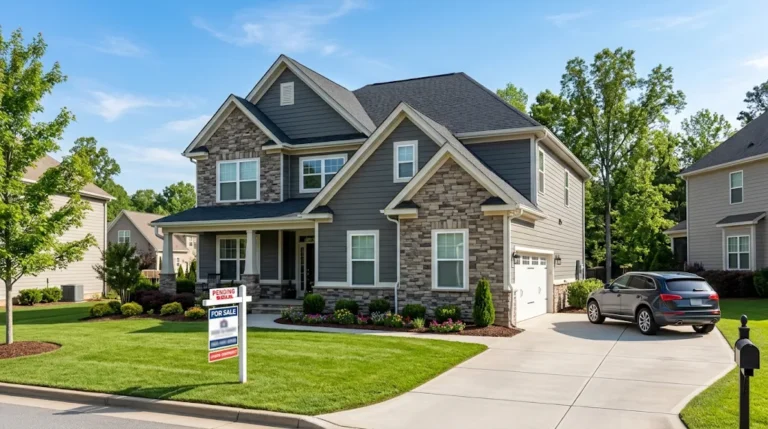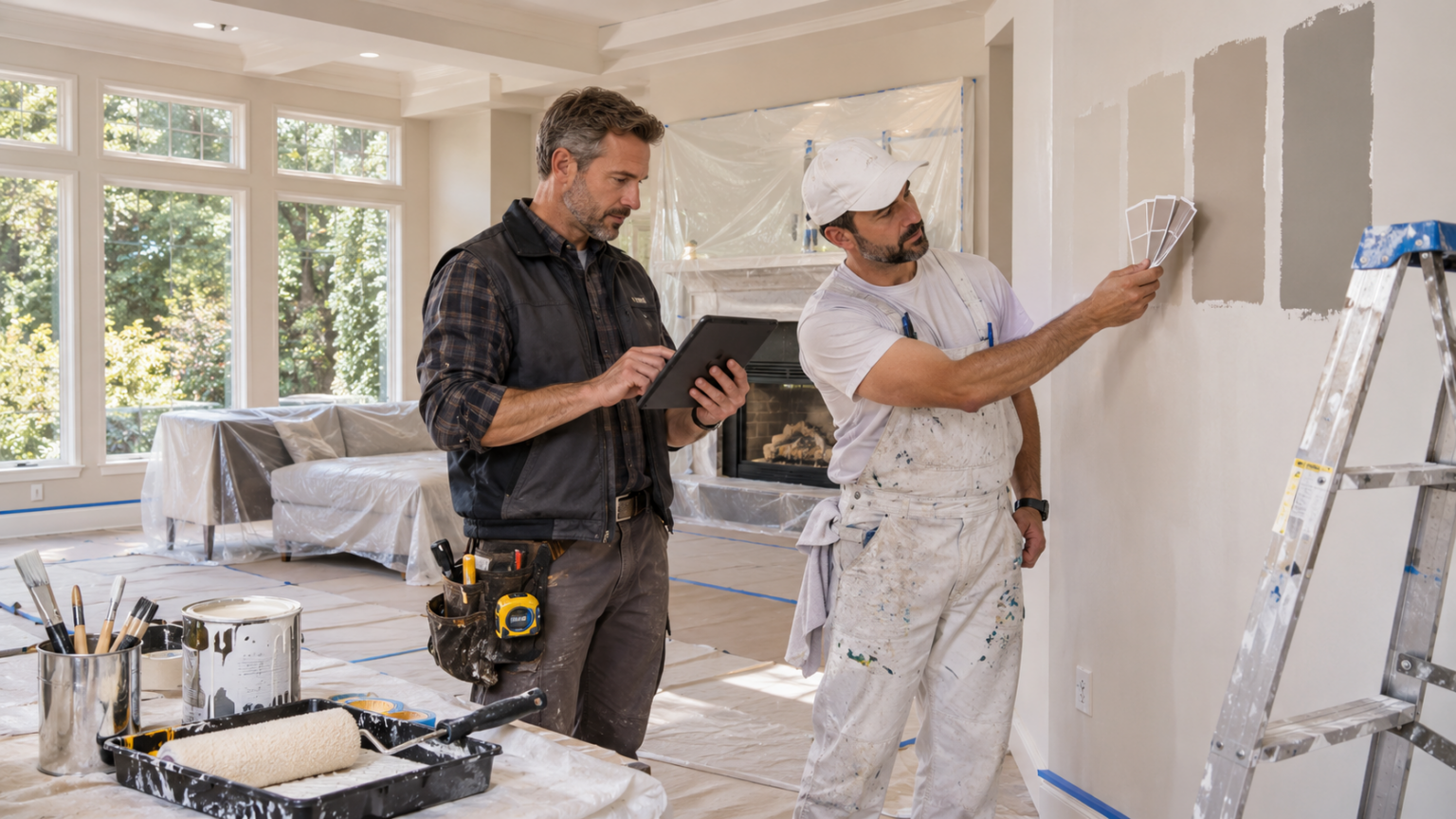
Collaborative Genius: The Real Estate Impact of Painters and Contractors Teaming Up
A successful home renovation often depends on more than the quality of individual materials or the experience of one professional. […]
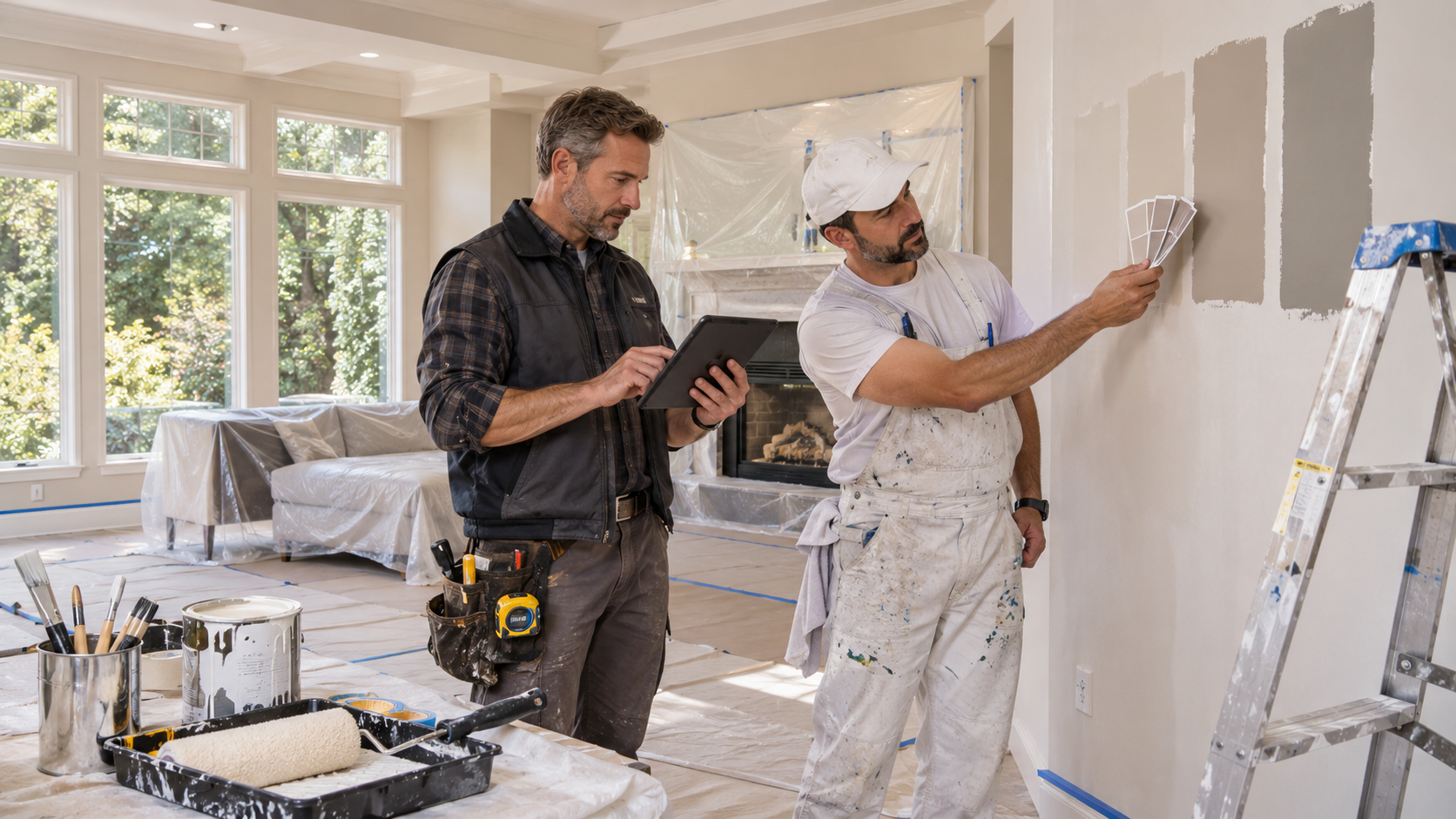
A successful home renovation often depends on more than the quality of individual materials or the experience of one professional. It requires careful planning, clear communication, skilled workmanship, and coordination between different trades.
Among the professionals involved in residential improvements, painters and general contractors play particularly important roles.
Contractors may manage structural repairs, drywall installation, carpentry, flooring, and other construction activities. Painters prepare and finish interior and exterior surfaces, helping bring the completed design together.
When these professionals work independently without proper coordination, homeowners may experience scheduling conflicts, repeated work, inconsistent finishes, and unexpected costs.
However, effective collaboration can create a smoother renovation process and a more attractive finished property.
Collaborative Genius: The Real Estate Impact of Painters and Contractors Teaming Up explores how this professional partnership can influence renovation quality, property presentation, buyer perceptions, and long-term home maintenance.
Painting is especially relevant when preparing a property for sale.
According to the National Association of REALTORS® (NAR) and National Association of the Remodeling Industry (NARI) 2025 Remodeling Impact Report, 50% of surveyed real estate professionals recommended painting an entire home before listing, while 41% recommended painting at least one interior room. nar.realtor
These figures represent professional recommendations, not guaranteed increases in property value.
The significance of Collaborative Genius: The Real Estate Impact of Painters and Contractors Teaming Up is that painting and renovation work can support one another when both are planned as parts of the same project.
A properly repaired wall provides a better foundation for paint. A coordinated colour scheme can complement new flooring or cabinetry. Effective scheduling can reduce the chance that completed finishes are damaged by subsequent construction activities.
This article examines how painters and contractors can collaborate, what homeowners should expect, and how carefully selected improvements can strengthen a property’s overall presentation.
1. Understanding the Roles of Painters and General Contractors
Painters and contractors provide different but complementary services.
Understanding these responsibilities helps homeowners choose appropriate professionals and establish clear expectations before work begins.
What General Contractors Do
A general contractor may coordinate several trades involved in a residential renovation.
Depending on the project, responsibilities may include planning, scheduling, arranging subcontractors, managing permits, overseeing construction activities, and checking completed work.
Some contractors also perform carpentry, drywall repair, flooring installation, or other construction services directly.
The exact responsibilities depend on licensing, contractual agreements, and the contractor’s experience.
What Professional Painters Do
Professional painters focus on preparing and finishing surfaces.
Their work may involve evaluating existing paint, cleaning and preparing suitable surfaces, filling minor imperfections, priming, applying coatings, and achieving a consistent final appearance.
Some painting companies also offer specialized cabinet finishing, exterior coatings, or decorative techniques.
Why Responsibilities Must Be Defined
Not every painter performs structural repairs, and not every general contractor specializes in high-quality decorative painting.
For example, a contractor may repair damaged drywall, while the painter completes the final surface preparation and coating.
The responsibilities should be documented so important tasks are not overlooked.
The Value of a Coordinated Approach
A well-managed relationship between these professionals can reduce confusion about schedules, materials, access, and final inspections.
The professional relationship examined in Collaborative Genius: The Real Estate Impact of Painters and Contractors Teaming Up begins with clearly defined responsibilities and shared project objectives.
2. Improving Curb Appeal Through Coordinated Exterior Renovations
A home’s exterior creates an important first impression.
Potential buyers may notice peeling paint, damaged siding, faded trim, cracked surfaces, or neglected architectural details before they enter the property.
These conditions can influence how well maintained a house appears.
The curb-appeal element of Collaborative Genius: The Real Estate Impact of Painters and Contractors Teaming Up involves addressing both underlying defects and visible finishes.
Repair Exterior Surfaces Before Painting
A painter may identify damaged wood, deteriorated siding, loose trim, or areas where moisture has affected the existing finish.
Some repairs may be within the painter’s scope, while more substantial problems require an appropriately qualified contractor.
Completing necessary repairs before applying paint helps prevent cosmetic finishes from concealing unresolved defects.
Coordinate Siding and Trim Improvements
Exterior renovation work may involve replacing sections of siding, repairing fascia boards, or installing new trim.
The painter should know when those repairs will be complete and what coating systems are appropriate for the new materials.
Select Suitable Exterior Colours
Colour choices should complement the roof, exterior materials, neighbourhood setting, and architectural style.
Neutral and coordinated palettes may appeal to a broad range of potential buyers, although preferences differ across markets.
Prepare for Real Estate Photography
Freshly maintained exterior surfaces may improve the property’s appearance in listing photographs.
However, attractive paint cannot compensate for significant structural, drainage, or maintenance problems.
Consider Weather and Materials
Exterior painting requires appropriate weather conditions and compatible coatings.
Temperature, moisture, surface condition, and curing requirements can affect results.
The exterior renovation benefits associated with Collaborative Genius: The Real Estate Impact of Painters and Contractors Teaming Up depend on sound preparation rather than simply applying a fresh coat of paint.
3. Creating More Attractive Interior Spaces
Interior finishes strongly influence how a home looks and feels.
Buyers and homeowners notice the appearance of walls, ceilings, trim, doors, cabinets, and transitions between materials.
Coordinating these details can create a more consistent interior.
An important aspect of Collaborative Genius: The Real Estate Impact of Painters and Contractors Teaming Up is achieving a cohesive finished appearance across all renovated spaces.
Repair Walls Before Final Painting
Renovations involving plumbing, electrical work, or other building changes may require openings in drywall.
These areas need appropriate repair and finishing before decorative painting begins.
If walls are painted too early, later construction work may damage the finish and require additional labour.
Match Paint Colours With New Materials
New flooring, countertops, cabinetry, and lighting can change how colours appear.
Painters and contractors should coordinate samples so wall colours complement the completed renovation.
For example, warm oak flooring may work differently with cool grey paint than with warm white or beige.
Improve Trim and Door Finishes
Door frames, baseboards, crown moulding, and other trim elements create visual transitions between surfaces.
Coordinated carpentry and painting can make these details look intentional.
Update High-Visibility Rooms
Living rooms, kitchens, bathrooms, and primary bedrooms often deserve careful attention because they play important roles in daily life and property presentation.
NAR’s 2025 Profile of Home Staging found that 83% of surveyed buyers’ agents said staging made it easier for buyers to visualize a property as a future home. This concerns staging generally, not the independent effect of paint. roprod-16038.kxcdn.com
Keep Design Consistent
Using related colours and finishes across adjoining rooms can create a sense of continuity.
A consistent design need not mean painting every room the same colour.
The interior-design contribution of Collaborative Genius: The Real Estate Impact of Painters and Contractors Teaming Up is ensuring that construction improvements and finishing decisions support a shared design direction.
4. Reducing Delays and Avoiding Costly Rework
Renovations can become inefficient when different trades begin work without understanding how their activities overlap.
A painter may finish a room before a contractor installs new trim. A carpenter may need to reopen a freshly painted wall. Flooring installation may create dust that settles on unfinished coatings.
Each situation can cause additional cleaning, repairs, or repeated work.
The scheduling advantages of Collaborative Genius: The Real Estate Impact of Painters and Contractors Teaming Up become apparent when both professionals agree on a realistic sequence of activities.
Establish a Shared Project Timeline
A general contractor can develop a schedule that identifies when construction repairs, surface preparation, painting, and final inspections should occur.
The painting contractor should review this schedule before committing to specific dates.
Identify Work Dependencies
Some activities must be completed before others can begin.
For example, electrical changes may require drywall repairs. Those repairs may need finishing and drying time before priming and painting.
The sequence should reflect the actual materials, manufacturer’s instructions, and project conditions.
Prevent Damage to Completed Finishes
Protective coverings, designated storage areas, and controlled access can reduce accidental damage.
These precautions are especially important when multiple trades work in the same room.
Coordinate Material Delivery
Contractors should plan the arrival of drywall, trim, flooring, primer, and paint so materials are available when required.
However, materials should not be delivered so early that they obstruct work or become damaged.
Hold Regular Progress Meetings
Short coordination meetings can identify problems before they disrupt the schedule.
The project manager should document important decisions and communicate changes to everyone affected.
The productivity benefit of Collaborative Genius: The Real Estate Impact of Painters and Contractors Teaming Up is fewer avoidable interruptions, although even well-managed projects may encounter unexpected conditions.
5. Managing Renovation Budgets More Effectively
Renovation budgets often include expenses that homeowners do not initially anticipate.
A simple painting project may become more complex if damaged drywall, water intrusion, or deteriorated wood is discovered during preparation.
Without clear communication, these findings can create unexpected charges or disagreements over responsibility.
The financial perspective of Collaborative Genius: The Real Estate Impact of Painters and Contractors Teaming Up is about establishing realistic estimates and handling changes transparently.
Prepare a Defined Scope of Work
Before starting, identify which rooms and surfaces will be renovated.
The scope should explain what repairs are included, who supplies materials, what level of surface preparation is expected, and how completion will be evaluated.
Request Itemized Estimates
A useful written estimate may separate labour, materials, preparation, repairs, coatings, and other project expenses.
This makes it easier to understand differences between competing proposals.
Identify Potential Additional Work
Older homes may contain hidden damage that becomes visible only after materials are removed.
Contractors should explain how unforeseen conditions will be documented and priced.
Establish Change Order Procedures
A change order should record adjustments to the original agreement.
For example, replacing damaged trim may require additional labour and materials that were not included in the initial painting estimate.
Changes should be reviewed and approved before the relevant work proceeds, except where urgent safety circumstances require a different response.
Maintain a Contingency Fund
An appropriate reserve can help homeowners manage unexpected expenses.
The amount depends on the project’s complexity, property condition, and available financial resources.
The budgeting lesson within Collaborative Genius: The Real Estate Impact of Painters and Contractors Teaming Up is that coordination improves financial visibility but does not eliminate the possibility of cost overruns.
6. Improving Material Selection and Workmanship
A visually attractive renovation begins with materials that are suitable for their intended applications.
Different surfaces require different preparation methods, primers, coatings, and installation techniques.
Using incompatible products can lead to premature wear, poor adhesion, uneven finishes, or additional maintenance.
An important technical advantage of Collaborative Genius: The Real Estate Impact of Painters and Contractors Teaming Up is the opportunity for specialists to evaluate material compatibility before work begins.
Match Coatings to the Surface
Drywall, wood, masonry, metal, and previously painted surfaces may require different preparation and coating systems.
Paint manufacturers provide product specifications, including application conditions and approved substrates.
Coordinate New Materials With Existing Finishes
A contractor installing new doors or trim should confirm the material and factory finish.
The painter can then determine whether the surface requires priming, special preparation, or an approved topcoat.
Consider Moisture Exposure
Bathrooms, kitchens, and exterior surfaces may experience different moisture conditions.
The underlying moisture problem must be addressed before cosmetic finishes are applied.
Painting over active water damage is not an appropriate substitute for repair.
Evaluate Durability
High-traffic hallways, doors, and other frequently touched surfaces may benefit from finishes selected for cleaning and wear resistance.
However, sheen and durability trade-offs should be considered alongside appearance.
Inspect Sample Finishes
Applying a small sample in a suitable location can help evaluate colour, texture, and appearance under actual lighting conditions.
This is particularly useful when coordinating multiple materials.
The workmanship benefits of Collaborative Genius: The Real Estate Impact of Painters and Contractors Teaming Up depend on following technical requirements rather than selecting products solely because they look attractive.
7. Preparing Properties for Real Estate Listings
Selling a home involves more than placing it on the market.
Owners may need to address maintenance concerns, organize rooms, complete cosmetic improvements, and prepare the property for photography and viewings.
Painters and renovation contractors can play a complementary role in this process.
The listing-preparation side of Collaborative Genius: The Real Estate Impact of Painters and Contractors Teaming Up focuses on identifying improvements that make sense for the property’s condition and local market.
Start With a Property Assessment
Before committing to renovation work, review the home’s most visible maintenance problems.
A real estate professional may provide useful information about local buyer expectations.
However, recommendations should be evaluated against the expected cost and practical benefits.
Prioritize Necessary Repairs
Water damage, defective fixtures, unsafe conditions, and significant maintenance issues should receive attention before purely decorative changes.
A fresh coat of paint should not be used to conceal defects from potential buyers.
Refresh Appropriate Interior Areas
Painting worn or mismatched walls may help create a cleaner, more consistent appearance.
In the NAR/NARI 2025 Remodeling Impact Report, painting the entire home and painting one interior room were among the most frequently recommended pre-sale improvements. NARI
Coordinate Staging and Photography
Once renovation work is finished, the property can be cleaned, arranged, and photographed.
Completing painting and construction before staging helps reduce disruption and protects the final presentation.
Avoid Unnecessary Renovations
A homeowner may not recover the cost of every improvement at resale.
Expensive personal design choices may not match the preferences of the next buyer.
The real estate preparation benefits of Collaborative Genius: The Real Estate Impact of Painters and Contractors Teaming Up are strongest when the work responds to actual property needs rather than assumptions about guaranteed resale gains.
8. Understanding Property Value and Return on Investment
Home improvement projects can contribute to a property’s appearance, functionality, and condition.
However, their financial impact varies.
A new paint finish may improve presentation without increasing the appraised value by the full cost of the work. Likewise, a major renovation may not recover its entire expense when the property sells.
The investment discussion in Collaborative Genius: The Real Estate Impact of Painters and Contractors Teaming Up should therefore distinguish between homeowner satisfaction, buyer appeal, and measurable financial returns.
What Research Suggests
The 2025 Remodeling Impact Report found that homeowners often remodel to improve functionality, replace worn materials, and enhance the appearance of their homes.
The same report identified significant differences between projects that provide high homeowner satisfaction and those with higher estimated cost recovery. nar.realtor
Painting Can Improve Presentation
Fresh, professionally applied paint may help a home look well maintained.
It can also create a more neutral background for furniture and photographs.
However, a buyer’s willingness to pay depends on many other factors, including location, layout, property condition, and competing listings.
Repair Work May Protect Existing Value
Fixing damaged surfaces or deteriorated building components can help address maintenance concerns that might otherwise affect buyer confidence.
This does not necessarily represent a dollar-for-dollar increase in market value.
Calculate Returns Carefully
A simple project-level calculation is:
\[ \text{ROI} = \frac{\text{Incremental Financial Benefit}-\text{Project Cost}} {\text{Project Cost}}\times100\% \]
The difficulty is establishing the incremental financial benefit.
A higher selling price after renovation does not prove that the renovation caused the entire increase.
Hypothetical Renovation Example
Imagine a homeowner completes a coordinated repair and painting project.
| Expense | Illustrative amount |
|---|---|
| Minor drywall and trim repairs | $1,100 |
| Surface preparation | $700 |
| Interior painting labour and materials | $2,800 |
| Exterior touch-ups | $900 |
| Final cleaning and finishing | $500 |
| Total project cost | $6,000 |
These figures are hypothetical and do not represent current market quotes.
If a qualified local market analysis reasonably attributed $7,500 of additional sale proceeds to these improvements, the illustrative return would be:
\[ \frac{\$7,500-\$6,000}{\$6,000}\times100\%=25\% \]
This is a mathematical example, not a prediction. Actual sale proceeds may increase by less than the project cost, remain unchanged, or be influenced by unrelated market conditions.
The financial takeaway from Collaborative Genius: The Real Estate Impact of Painters and Contractors Teaming Up is to select improvements based on condition, buyer expectations, and documented cost—not promised returns.
9. Protecting Health, Safety, and Regulatory Compliance
Residential renovation work can involve hazards associated with dust, ladders, power tools, electrical systems, chemical products, and older building materials.
These hazards must be considered before renovation or painting begins.
The safety responsibilities connected to Collaborative Genius: The Real Estate Impact of Painters and Contractors Teaming Up are especially important when different trades work in the same building.
Identify Potential Lead-Based Paint Hazards
Homes built before 1978 in the United States may contain lead-based paint.
Sanding, scraping, demolition, and other activities that disturb painted surfaces can generate hazardous lead dust.
The U.S. Environmental Protection Agency (EPA) administers the Renovation, Repair and Painting (RRP) Rule.
In general, firms paid to disturb painted surfaces in covered pre-1978 housing and child-occupied facilities must meet applicable certification, training, and lead-safe work practice requirements, subject to specific exceptions. Both painting companies and general contractors can fall within the rule. US EPA
Coordinate Hazardous Work
A painter may need to prepare a surface where carpentry or demolition work is also planned.
The trades should coordinate containment, access, dust management, and cleaning procedures before overlapping activities begin.
Use Suitable Ventilation
Painting products, adhesives, and certain finishing materials may release vapours.
Follow product labels and safety data sheets, including ventilation and personal protective equipment requirements.
Low-VOC or similar product claims do not eliminate the need for safe handling.
Follow Applicable Building Requirements
Structural repairs, electrical modifications, and certain plumbing changes may require permits or licensed professionals.
Requirements vary by state and locality.
Inspect Before Occupancy or Listing
After work is completed, verify that required inspections and cleaning have taken place.
Do not assume that attractive finishes demonstrate technical compliance.
The safety-focused value of Collaborative Genius: The Real Estate Impact of Painters and Contractors Teaming Up is ensuring that each trade understands the hazards its work may create for others.
10. Building Long-Term Relationships Between Contractors and Painters
A successful partnership can benefit individual homeowners, but the advantages may extend to future projects as well.
Contractors and painting companies that regularly collaborate can develop clearer communication, more predictable workflows, and a better understanding of each other’s standards.
The business-development perspective of Collaborative Genius: The Real Estate Impact of Painters and Contractors Teaming Up involves creating a dependable working relationship rather than relying on informal referrals alone.
Establish Shared Quality Standards
Professionals should agree on acceptable preparation, finish quality, protection of completed work, and final inspection procedures.
Written standards can reduce disagreements about expectations.
Improve Project Handoffs
A contractor should communicate when a room is genuinely ready for painting.
Similarly, the painter should report any unresolved surface issues discovered during preparation.
Clear handoffs help prevent unfinished work from being hidden by decorative coatings.
Build Reliable Referral Networks
A contractor who consistently works with a dependable painter may feel more confident recommending that business.
Similarly, painting companies may refer homeowners to qualified contractors when structural or specialist repairs are needed.
Referrals should be based on competence and relevant qualifications, not simply personal relationships.
Share Client Feedback
Feedback from homeowners and real estate professionals can reveal opportunities for improvement.
For example, recurring complaints about project delays may indicate a need for better scheduling.
Maintain Professional Accountability
Each company should understand its contractual obligations, insurance requirements, warranties, and responsibilities for corrections.
A long-term partnership should not reduce accountability.
The lasting advantage of Collaborative Genius: The Real Estate Impact of Painters and Contractors Teaming Up is the potential to build repeatable processes that support consistent project delivery.
Where Collaboration Makes the Greatest Difference
| Project type | Contractor’s contribution | Painter’s contribution | Potential benefit |
|---|---|---|---|
| Pre-sale home refresh | Repairs, scheduling, coordination | Surface preparation and painting | More consistent property presentation |
| Exterior renovation | Siding, trim, and related repairs | Priming and exterior coatings | Improved curb appeal |
| Kitchen remodel | Cabinetry and construction work | Suitable wall or cabinet finishing | Coordinated appearance |
| Bathroom renovation | Repairs, waterproofing-related construction, fixtures | Compatible wall and ceiling finishes | Appropriate finish selection |
| Living room renovation | Drywall, trim, flooring coordination | Interior paint and final touch-ups | A more cohesive interior |
| Rental property turnover | Maintenance and necessary repairs | Repainting appropriate surfaces | Better readiness for new occupants |
| Whole-house renovation | Overall project management | Coordinated interior and exterior painting | Improved scheduling and workflow |
The practical opportunities described by Collaborative Genius: The Real Estate Impact of Painters and Contractors Teaming Up can apply to projects of many sizes, but the actual benefit depends on workmanship, clear responsibilities, and effective management.
A Step-by-Step Plan for Coordinating a Renovation Project
Homeowners can support collaboration by requesting a clear plan before work begins.
Step 1: Identify Property Objectives
Decide whether the project is intended to improve everyday living, address maintenance concerns, prepare the home for sale, or achieve several objectives.
These goals influence the budget and scope.
Step 2: Assess the Property
Have appropriately qualified professionals examine the relevant surfaces and building components.
Identify visible defects and determine whether additional investigation is needed.
Step 3: Define Responsibilities
Create a written scope explaining which tasks belong to the general contractor and which belong to the painter.
Include preparation, repairs, material supply, protection, cleanup, and final inspections.
Step 4: Agree on the Schedule
Establish a sequence for demolition, repairs, construction, surface preparation, painting, and final touch-ups.
Account for required drying and curing times.
Step 5: Approve Colours and Materials
Review samples in the actual property.
Confirm compatibility between coatings and building materials before purchasing large quantities.
Step 6: Document Changes
Record changes to the original scope, associated costs, and any effect on the project timeline.
Obtain required approvals.
Step 7: Conduct Final Inspections
Review the quality of repairs and coatings.
Prepare a punch list identifying incomplete or defective items and confirm responsibility for corrections.
Step 8: Retain Project Records
Keep contracts, warranties, receipts, permits, inspection records, and relevant product information.
These documents may be useful during future maintenance or property transactions.
Following this process makes Collaborative Genius: The Real Estate Impact of Painters and Contractors Teaming Up a practical framework for managing home improvements rather than merely a design concept.
How to Choose the Right Professionals
Selecting suitable professionals is an important part of a successful renovation.
A competitive price alone should not determine the decision.
Contractors and painters should have the experience and qualifications appropriate for the work being proposed.
Verify Licences and Insurance
Requirements vary across U.S. states and local jurisdictions.
Confirm that the company holds any necessary licences and appropriate insurance.
For covered pre-1978 renovation activities, check applicable EPA or state lead-safe certification requirements.
Review Relevant Experience
Ask for examples of similar projects.
A company experienced in exterior painting may not necessarily specialize in cabinet refinishing or historic restoration.
Request Written Estimates
Review the scope, materials, exclusions, payment schedule, and expected completion dates.
Be cautious of vague proposals that do not clearly describe the work.
Ask How Trades Will Coordinate
Find out who will supervise the project and resolve disagreements between the painting and renovation teams.
A single point of contact can simplify communication.
Understand Warranty Terms
Ask which workmanship and material warranties apply, what they cover, and how problems will be addressed.
The contractor-selection lessons within Collaborative Genius: The Real Estate Impact of Painters and Contractors Teaming Up emphasize qualifications, communication, and accountability.
Common Mistakes to Avoid During Joint Renovation Projects
Even experienced professionals can encounter problems when project expectations are unclear.
One common mistake is scheduling painting before necessary construction repairs are completed.
Another is selecting colours without considering newly installed flooring, trim, or cabinetry.
Homeowners may also underestimate costs when they compare estimates that cover different tasks.
Poor communication can result in duplicated work, disputes over responsibility, or damage to finished surfaces.
Other mistakes include ignoring paint curing requirements, attempting cosmetic repairs before addressing moisture problems, and failing to verify permits or safety certifications where required.
The best results from Collaborative Genius: The Real Estate Impact of Painters and Contractors Teaming Up come from combining realistic planning with technical competence and consistent communication.
Frequently Asked Questions
Why should painters and contractors work together on home renovations?
They bring complementary skills to a project. Contractors can coordinate repairs and construction activities, while painters prepare and finish surfaces. Effective teamwork can reduce scheduling conflicts, support consistent finishes, and help avoid repeated work.
Can professional painting increase a home’s resale value?
Painting may improve presentation and buyer appeal, particularly when existing finishes are worn or outdated. However, it does not guarantee a specific increase in resale value or full recovery of the project’s cost.
Should painting happen before or after renovation work?
Final painting generally takes place after the relevant construction repairs and surface preparation are complete. Some projects require priming or painting at intermediate stages, so the exact sequence should be planned by the professionals involved.
What renovations should homeowners consider before selling?
Priorities depend on the property’s condition and local buyer expectations. Necessary repairs, cleaning, painting, and selected cosmetic updates may be worthwhile. A real estate professional can help evaluate whether larger renovations are financially justified.
How can homeowners avoid unexpected renovation costs?
Request itemized written estimates, define responsibilities, discuss possible hidden damage, maintain a contingency reserve, and establish a process for approving change orders before additional work begins.
How do I find reliable painting and renovation professionals?
Check relevant licences, insurance, experience, references, written proposals, and safety qualifications. Ask how the professionals will coordinate scheduling, protect existing surfaces, handle changes, and complete final inspections.
Conclusion
Residential renovations are most successful when planning, construction, and finishing work are treated as connected activities.
General contractors bring valuable expertise in project coordination, structural and cosmetic repairs, and the management of different trades. Professional painters contribute knowledge of surface preparation, coating systems, colour consistency, and final presentation.
Working together, these professionals can help create better-organized renovations and more attractive residential properties.
Collaborative Genius: The Real Estate Impact of Painters and Contractors Teaming Up demonstrates how this partnership can support curb appeal, interior presentation, project efficiency, and the effective use of renovation budgets.
For homeowners preparing to sell, carefully selected improvements may strengthen the property’s appearance and help buyers appreciate its condition.
For homeowners planning to remain in their properties, well-coordinated renovations can improve comfort, functionality, and enjoyment.
However, attractive finishes should never replace necessary repairs, and homeowners should not assume every renovation expense will be recovered at resale.
The most important principles of Collaborative Genius: The Real Estate Impact of Painters and Contractors Teaming Up are clear communication, appropriate professional qualifications, realistic budgeting, safe working practices, and consistent quality control.
Ultimately, successful collaboration is not simply about completing a project faster. It is about helping different professionals contribute their expertise toward a shared goal: creating a well-maintained, attractive, and functional home.

Written by Twastia Editorial Team
Twastia Editorial Team shares practical insights about website design, SEO services, Google Ads, content marketing, social media, conversion rate optimization, and digital marketing strategy.
Last updated: Nov 8, 2026
Related posts from Twastia
Explore more useful articles from twastia.com about digital marketing, SEO, websites, ads, content, and growth strategy.