Outdoor Lights: Best Types, Design Ideas, and Buying Tips for UK Homes
A beautifully designed outdoor space should be enjoyable after sunset, not just during daylight hours. Carefully selected outdoor lights can […]
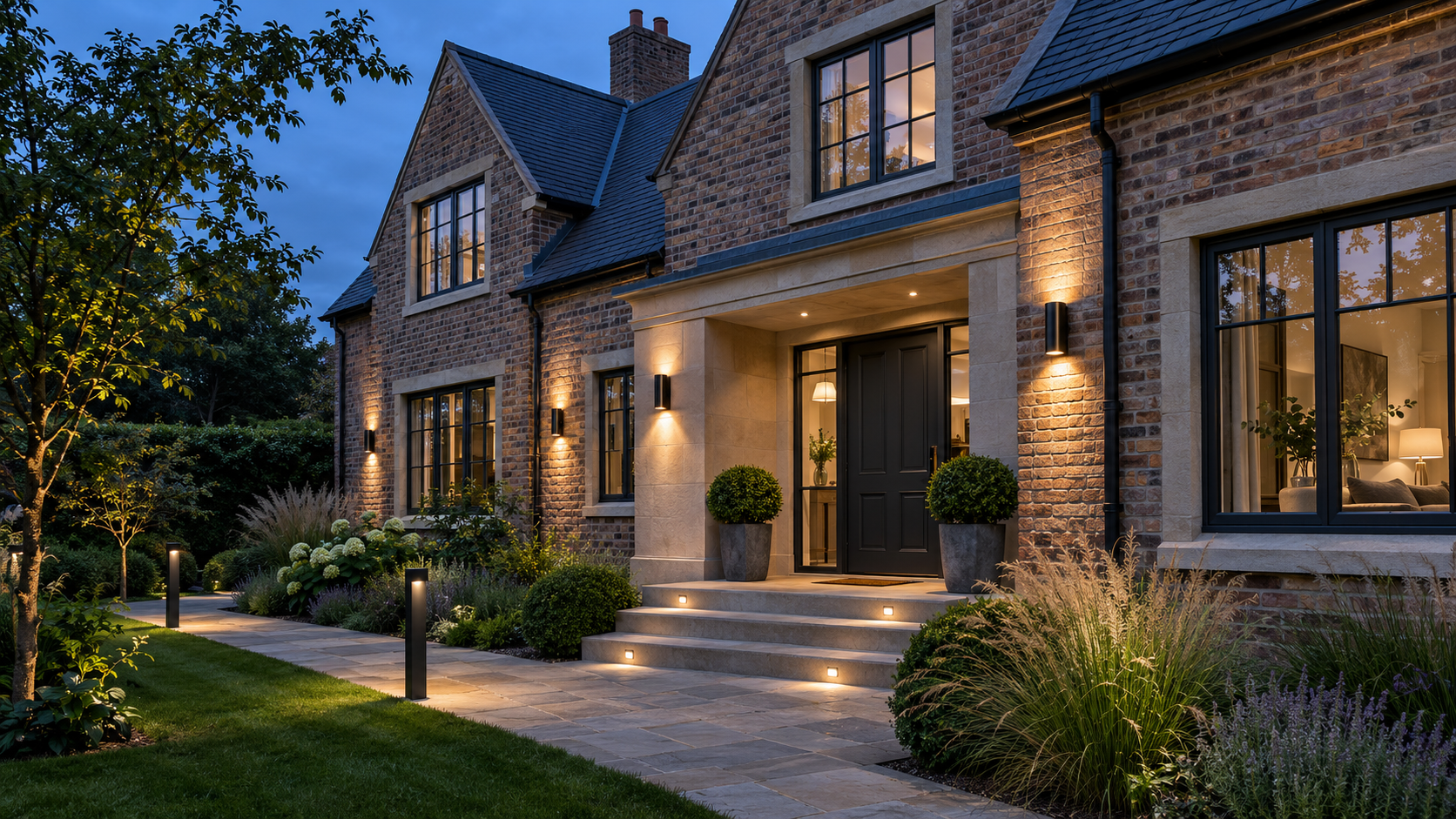
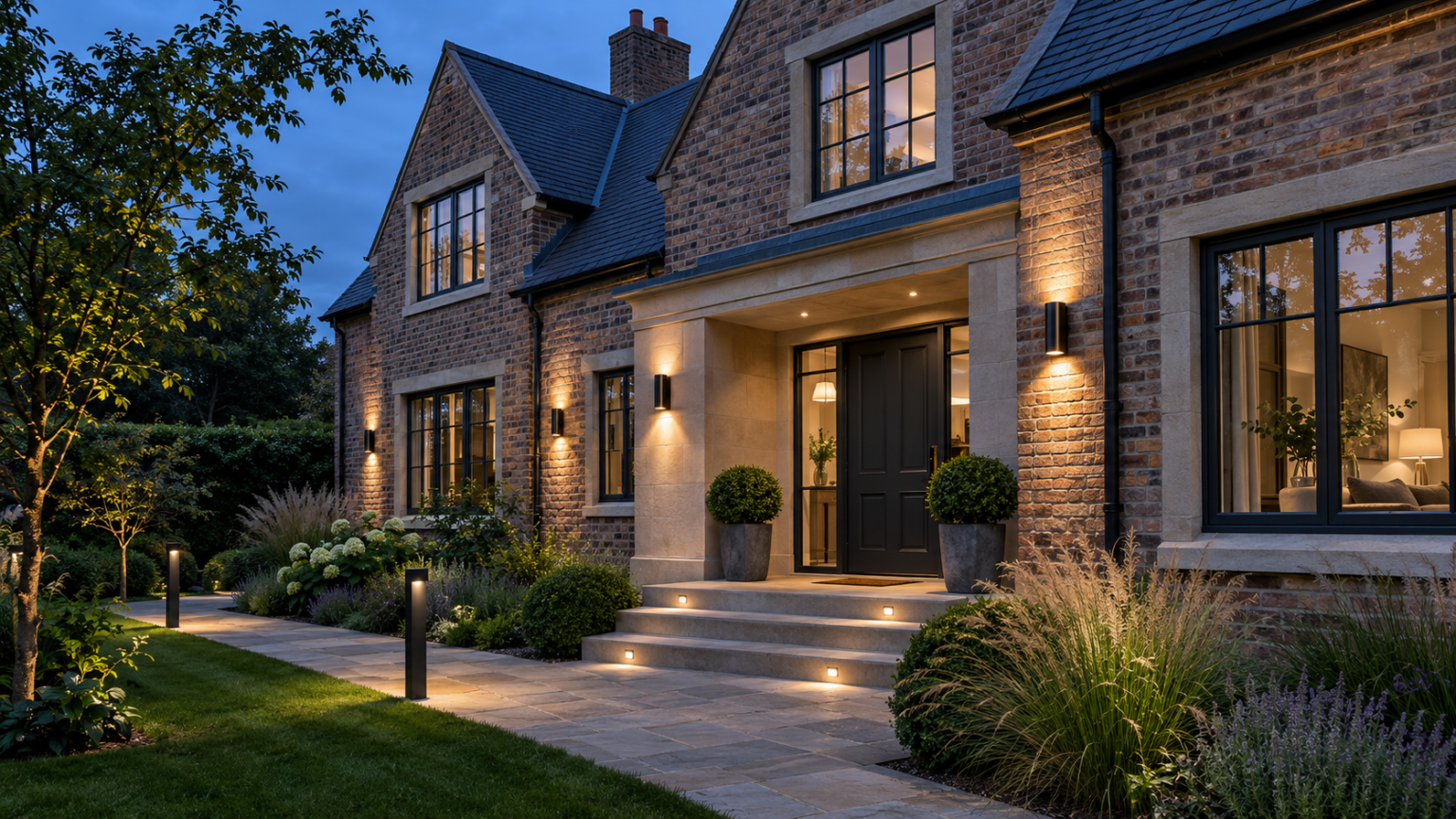
A beautifully designed outdoor space should be enjoyable after sunset, not just during daylight hours. Carefully selected outdoor lights can transform a garden, make pathways easier to navigate, highlight architectural details, and create a welcoming atmosphere around your home.
However, choosing exterior lighting involves more than selecting attractive fixtures. British weather, electrical safety, brightness, colour temperature, installation methods, and energy efficiency all affect the final result.
A small patio may only need a few carefully positioned fittings, while a large property might benefit from coordinated wall, pathway, landscape, and entrance lighting.
This guide explains the most useful types of garden lighting, how to select suitable products, and what to consider before installation.
Why Exterior Lighting Deserves Careful Planning
Good exterior lighting combines three priorities: visibility, appearance, and comfort.
A brightly illuminated garden is not necessarily a well-designed one. Excessive lighting can create glare, disturb neighbours, and make outdoor spaces feel less relaxing.
The best outdoor lights illuminate the areas where people need to see while allowing architectural and landscape features to remain the focus.
Improve Visibility and Accessibility
Steps, narrow pathways, entrance areas, and changes in ground level can become difficult to identify after dark.
Positioning suitable lighting near these features can help people move around the property more confidently.
Rather than relying on one powerful floodlight, distribute illumination according to the layout and activities taking place.
Make Outdoor Spaces More Inviting
A softly illuminated patio can become a comfortable place for evening conversations, outdoor dining, or relaxing after work.
Lighting can also highlight garden plants, textured walls, and architectural features that might otherwise disappear into darkness.
These effects work particularly well when fixtures are discreet and the overall scheme uses a consistent lighting colour.
1. Explore the Different Types of Garden Lighting
Before purchasing fixtures, understand what each category is designed to achieve.
The Toplight Co. outdoor lights collection includes wall-mounted fittings, bollards, garden spotlights, recessed ground lights, LED lighting products, floodlights, and other exterior lighting options. Toplightco
Choosing the right combination depends on the size of your property and the areas you want to illuminate.
Exterior Wall Lights
Wall-mounted lighting is popular around front entrances, patios, garages, and building façades.
Contemporary designs include cylindrical fixtures, geometric wall lights, decorative lantern-style fittings, and up-and-down beam luminaires.
Some direct light towards the ground, while others create decorative patterns across the wall.
For a modern property, black or anthracite finishes can complement aluminium doors and contemporary architecture.
For a traditional home, simpler warm-toned fittings may suit brickwork and stone details.
Bollard Lights
Bollard fittings are upright lights commonly used beside pathways, driveways, and landscaped areas.
They can provide low-level illumination without requiring nearby walls.
Some have shielded openings that direct light towards the walking surface, reducing discomfort from exposed light sources.
When choosing outdoor lights for garden paths, consider bollards with a comfortable light distribution rather than simply selecting the brightest available model.
Recessed Ground Lights
In-ground fittings can be used to illuminate selected landscape features or mark specific areas.
Certain designs are intended for pedestrian paths, while others are engineered to withstand vehicle loads.
The Toplight Co. collection describes driveway fittings designed for substantial loads, alongside lighter pathway-marker options. Always verify the exact product’s load rating before installing it in a driveway. Toplightco
Garden Spotlights
Spotlights offer a more focused beam suitable for highlighting trees, garden walls, planting arrangements, or architectural details.
Spike-mounted versions can offer placement flexibility in suitable garden borders.
The effectiveness depends on beam angle, mounting position, plant growth, and the direction of illumination.
LED Strip Lighting
Suitable exterior LED strips can create continuous lines of light beneath seating, along wall details, or in architectural recesses.
For durable results, select compatible strips, drivers, profiles, and weather-resistant connections.
A waterproof LED strip does not automatically make the entire installation waterproof.
2. Match Lighting to Each Outdoor Area
Different spaces need different brightness levels and fixture arrangements.
One of the most effective ways to plan outdoor lights is to identify specific zones before deciding how many products to buy.
Front Doors and Entrances
Entrance lighting should help visitors identify the door, approach safely, and use locks comfortably.
Wall-mounted fixtures positioned beside or above the entrance may provide useful illumination.
Ensure the beam does not shine directly into people’s eyes as they approach.
Garden Pathways
A path benefits from consistent, comfortable lighting that reveals the walking surface and any changes in level.
Bollards, low wall lights, and appropriate recessed markers may all be suitable.
It is rarely necessary to illuminate every metre with a separate powerful fixture.
Patios and Outdoor Dining Areas
Patios often look best with layered lighting.
Wall lights can provide a foundation, while suitable ceiling or decorative fixtures introduce additional atmosphere.
Subtle accent lighting around planting or architectural features can add depth without making the space excessively bright.
For comfortable outdoor dining, outdoor lights should provide enough visibility without creating harsh glare across the table.
Driveways and Parking Spaces
Driveway lighting should make entrances, boundaries, and walking routes identifiable.
Choose fixtures according to whether they are wall-mounted, surface-mounted, or installed in the ground.
Ground fittings in vehicle-accessible areas must have suitable mechanical load ratings and appropriate installation details.
3. Understand IP Ratings and Weather Resistance
Exterior lighting must withstand conditions that ordinary indoor fixtures are not necessarily designed to handle.
Rain, dust, moisture, and temperature changes can affect electrical equipment.
The ingress protection rating, commonly called the IP rating, is an important product specification.
Common IP Ratings Explained
| IP Rating | General Protection | Typical Consideration |
|---|---|---|
| IP44 | Protection against small solid objects and splashing water | Certain sheltered outdoor positions |
| IP54 | Limited dust ingress and splashing-water protection | Suitable positions specified by the manufacturer |
| IP65 | Dust-tight and protected against water jets | Many exposed exterior applications |
| IP66 | Dust-tight and protected against powerful water jets | More demanding exposed locations |
| IP67 | Dust-tight and protected against temporary immersion under test conditions | Selected ground-level applications |
| IP68 | Dust-tight and protected against immersion under specified conditions | Specialist products, including certain underwater uses |
These ratings describe particular test conditions. They do not independently establish resistance to corrosion, vehicle loads, prolonged flooding, or improper installation.
Choose for the Actual Exposure
A fixture installed beneath a deep porch roof may experience different conditions from one exposed in a garden border.
Likewise, fittings located near swimming pools require additional safety consideration beyond an ordinary weather-resistance rating.
Before purchasing outdoor lights, confirm the manufacturer’s intended application and installation instructions.
4. Choose LED Lighting With the Right Brightness
LED technology can provide efficient, long-lasting illumination compared with traditional incandescent lighting.
However, not every LED fixture offers identical output, quality, or longevity.
Understanding the differences between watts, lumens, and beam angles helps prevent unsuitable purchases.
Understand Lumens and Watts
Watts measure electrical power consumption.
Lumens describe the total quantity of visible light emitted.
A low-wattage LED fitting may provide sufficient light for a small pathway, while a larger entrance might need a different distribution.
Do not choose outdoor lights based solely on the highest lumen figure.
The position and direction of the light often matter more than raw brightness.
Consider Colour Temperature
Colour temperature is measured in kelvins.
Warm white, commonly around 2700K, creates a softer visual effect and often complements residential gardens and patios.
Cooler white lighting may be appropriate for selected functional applications, but excessive blue-rich light can create an unpleasant atmosphere.
DarkSky International’s responsible-lighting principles recommend warmer light where possible, limiting brightness, targeting light carefully, and using controls to avoid unnecessary operation. DarkSky International
Reduce Glare
Glare occurs when bright light enters the eyes directly or produces excessive contrast.
Shielded fixtures, downward-directed beams, and appropriate mounting positions can make an outdoor environment more comfortable.
Avoid aiming spotlights towards neighbouring windows or across roads and pedestrian routes.
5. Select Controls That Make Lighting More Convenient
A well-designed lighting system should operate when it is useful rather than remaining fully illuminated throughout the night.
Timers, photocells, motion sensors, and compatible smart controls can help manage this.
Motion-Activated Lighting
Motion sensors may be useful near driveways, garages, side entrances, and less frequently used paths.
Choose a suitable detection area and adjust the operating duration according to the location.
A sensor facing a public footpath or moving vegetation may activate more often than intended.
Dusk-to-Dawn and Timer Controls
Photocells respond to ambient light levels, while timers operate according to a schedule.
For decorative outdoor lights, timers can prevent unnecessary overnight operation while preserving an inviting atmosphere during the hours you use the garden.
DarkSky International’s guidance encourages using lighting only where needed and switching it off when it is no longer useful. DarkSky International
Smart Lighting Systems
Some compatible lighting products can be controlled using smart home platforms.
Features may include scheduling, dimming, group control, or changes in colour.
Before purchasing, check which components are required and whether the system works with your existing equipment.
6. Prioritise Safe Outdoor Installation
Outdoor electrical installations require particular care because moisture and damaged cables can increase the risk of electric shock.
Simple plug-in lighting and permanent electrical installations have different practical requirements.
Electrical Safety First advises using a residual current device (RCD) for outdoor electrical equipment and ensuring cables and connections are suitable for exterior conditions. electricalsafetyfirst.org.uk
Know When to Hire an Electrician
Permanent mains-powered garden lighting, new circuits, and complex installations should be assessed and completed by an appropriately qualified electrician.
Swimming pool lighting is particularly specialised and should not be treated as an ordinary DIY project.
For outdoor lights that require professional installation, arrange the electrical work before finalising landscaping or laying permanent paving.
Plan Cable Routes Carefully
Cables should be appropriately protected against accidental damage, weather exposure, and gardening activities.
Avoid improvised connections and ordinary indoor extension leads outdoors.
Professional planning can also prevent future maintenance from requiring unnecessary excavation.
Check the Entire Lighting System
An installation may include more than the visible fitting.
Compatible drivers, connection boxes, controls, cables, and protective equipment all contribute to safe operation.
The Toplight Co. collection includes related components such as waterproof connection boxes and lighting drivers, but compatibility must be checked for the specific products selected. Toplightco
7. Choose Materials and Finishes That Suit Your Property
Appearance is important, but outdoor fittings should also suit the surrounding environment.
Contemporary aluminium designs, stainless-steel finishes, traditional lantern styles, and discreet recessed fittings can create different visual effects.
Match Fixtures With Architecture
For modern homes, simple cylinders, slim bollards, and recessed wall lights can create a coordinated appearance.
Traditional properties may benefit from more understated fixtures that complement existing materials and architectural features.
When comparing outdoor lights, consider how they look both when illuminated and during daylight.
Consider Corrosion Resistance
Outdoor equipment may be exposed to persistent dampness, rainfall, and airborne contaminants.
Coastal locations can present additional challenges because of salt exposure.
Check the manufacturer’s material specifications, protective finishes, and suitability for the installation environment.
A fixture described as weather-resistant is not automatically suitable for every coastal or industrial setting.
8. Create a Balanced Lighting Design
A successful outdoor scheme uses different light sources to create depth and visual interest.
Instead of illuminating the entire garden uniformly, focus on the spaces and features that matter.
Layer Lighting According to Purpose
A useful approach combines practical lighting for entrances and paths with softer accent lighting around planting and architectural details.
For example, a garden may use bollards along the main path, wall fixtures near the patio, and directional spotlights highlighting one mature tree.
The result can feel more welcoming than a single powerful light covering the whole garden.
Consider Your Neighbours and Wildlife
Poorly positioned fittings can cause light to spill through neighbouring windows or into areas where illumination is unnecessary.
Excessive nighttime lighting can also affect wildlife and the appearance of the night sky.
The best outdoor lights use appropriate brightness, shielding, and timing rather than relying on maximum output.
9. Understand the Long-Term Cost
The purchase price is only one part of the total investment.
Also consider installation labour, additional electrical components, energy consumption, cleaning, and future maintenance.
A low-cost fixture may not represent good value if it is unsuitable for the environment or difficult to replace.
Integrated LED or Replaceable Lamp?
Some exterior fittings contain integrated LED modules.
Others use replaceable lamps, including GU10 or E27 designs where specified.
Integrated designs may offer compact construction, but replacement options depend on the manufacturer.
Replaceable-lamp fittings can provide flexibility, provided the correct lamp is used and the fitting remains suitable for the environment.
When choosing outdoor lights, review warranty terms and availability of replacement parts before purchasing.
Compare Complete Specifications
For each shortlisted fixture, confirm the intended use, dimensions, IP rating, light output, colour temperature, beam angle, electrical requirements, material finish, and warranty.
This makes it easier to compare products fairly instead of relying on photographs alone.
Common Mistakes to Avoid
A frequent mistake is purchasing attractive fixtures without deciding where they will be installed.
Other problems include choosing excessively bright lights, selecting incorrect IP ratings, overlooking cable routes, and mixing incompatible lighting components.
Avoid using recessed ground fittings in vehicle-accessible locations without a documented load rating.
Likewise, do not assume that a fitting suitable for a sheltered patio is suitable for underwater installation.
The most successful outdoor lights are chosen as part of a complete design that considers appearance, practical use, and safe installation.
Frequently Asked Questions
Which exterior lighting is best for a garden?
It depends on the garden layout. Bollards are useful for paths, spotlights can highlight planting and trees, and wall-mounted fittings can illuminate patios or entrances. Combining appropriate types often produces the best result.
Are LED garden lights energy-efficient?
LED lighting generally uses less electricity than traditional incandescent lighting for comparable light output. However, actual energy use depends on wattage, operating hours, and how many fixtures are installed.
Is IP65 suitable for outdoor lighting?
IP65 can be appropriate for many exposed exterior applications. However, installation suitability depends on the exact location, product instructions, and other environmental requirements.
What colour temperature should I choose?
Warm-white lighting around 2700K often creates an attractive residential atmosphere. The most suitable colour depends on the purpose, architecture, and desired appearance.
Can I install garden lighting myself?
Certain suitable plug-in or battery-powered products may be straightforward to use according to their instructions. Permanent mains installations and specialised lighting should be handled by appropriately qualified professionals.
Where can I explore different types of exterior lighting?
You can browse the Toplight Co. outdoor lighting range to compare wall lights, bollards, garden spotlights, recessed fittings, and other lighting categories.
Check the exact technical specifications and product availability before ordering.
Conclusion
Thoughtfully selected exterior lighting can improve how a property looks and functions after dark.
From discreet pathway bollards and elegant wall-mounted fixtures to garden spotlights and contemporary LED strips, each lighting category serves a different purpose.
The key is to match fixtures with the location, choose appropriate weather resistance, control brightness, and plan electrical installation carefully.
Quality outdoor lights should create a comfortable and practical environment without producing excessive glare or unnecessary energy consumption.
Whether you are improving a small patio or designing a complete garden lighting scheme, a coordinated approach will deliver more satisfying results than selecting individual fixtures at random.

Written by Twastia Editorial Team
Twastia Editorial Team shares practical insights about website design, SEO services, Google Ads, content marketing, social media, conversion rate optimization, and digital marketing strategy.
Last updated: Nov 12, 2026
Related posts from Twastia
Explore more useful articles from twastia.com about digital marketing, SEO, websites, ads, content, and growth strategy.