New Home Builders: How to Choose the Right Builder for Your Dream Home
Building a new home is one of the largest financial and personal decisions most people will ever make. Unlike buying […]
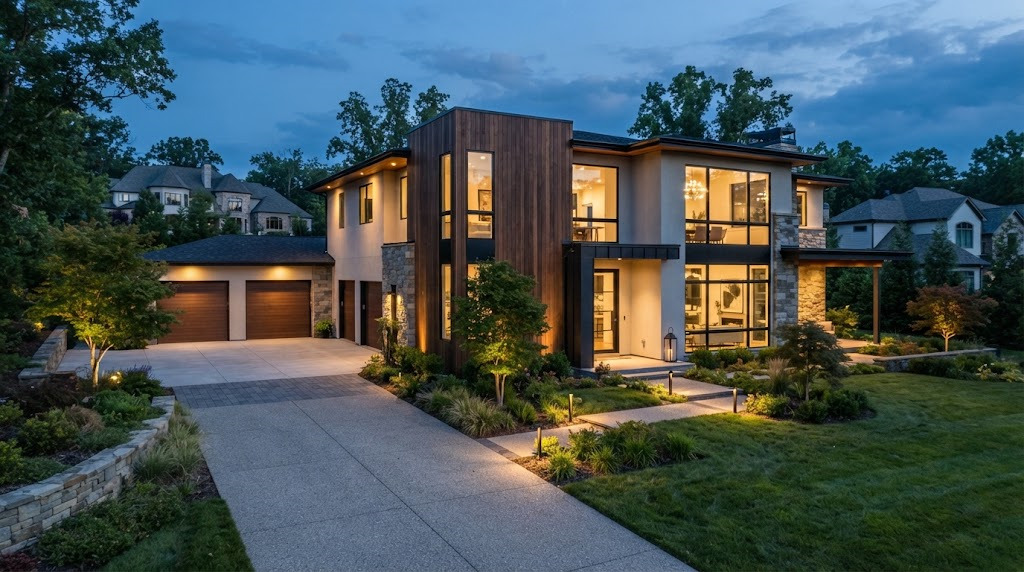
Building a new home is one of the largest financial and personal decisions most people will ever make.
Unlike buying an existing property, new construction requires you to make hundreds of decisions before the house even exists. Floor plans, structural options, materials, electrical layouts, finishes, appliances, landscaping, and timelines all have to be coordinated correctly.
That is why choosing the right new home builders matters so much.
A strong builder can turn architectural plans into a functional, durable, and well-finished home. A poor builder can create delays, budget overruns, workmanship problems, and years of expensive repairs.
The right decision should not be based only on price.
Homeowners should evaluate experience, construction quality, communication, warranties, subcontractors, financial stability, and contract terms before signing.
This guide explains how to compare new home builders, understand the construction process, control costs, and reduce the risk of common building problems.
What Do New Home Builders Do?
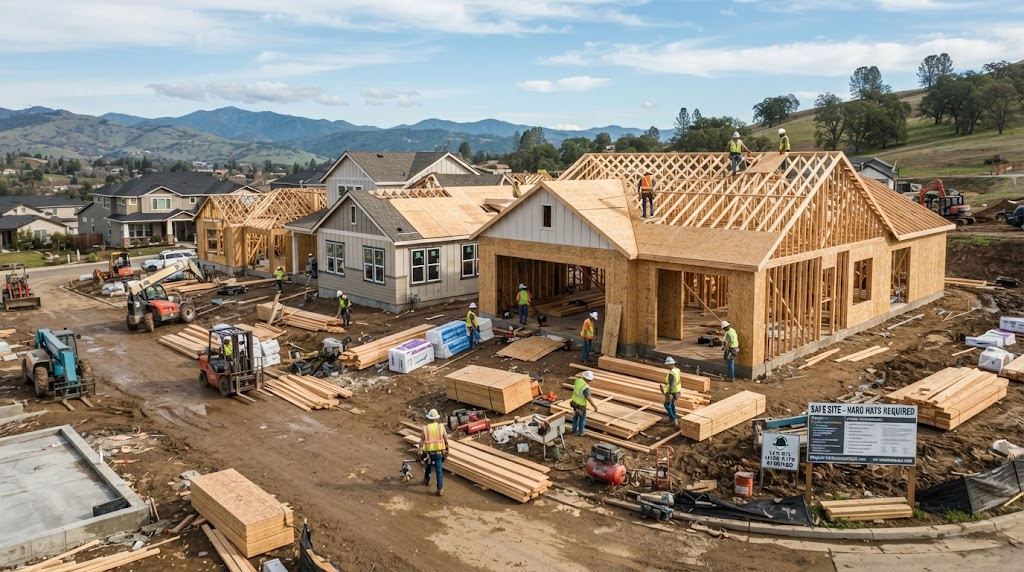
New home builders manage the construction of residential properties from planning through completion.
Their responsibilities may include:
- Design coordination
- Permitting
- Site preparation
- Foundation construction
- Framing
- Roofing
- Electrical work
- Plumbing
- HVAC installation
- Insulation
- Drywall
- Interior finishes
- Final inspections
- Warranty service
Most builders do not personally perform every trade.
Instead, they coordinate subcontractors such as electricians, plumbers, roofers, painters, and flooring installers.
The builder’s ability to manage those teams directly affects the quality and timeline of the project.
Types of New Home Builders
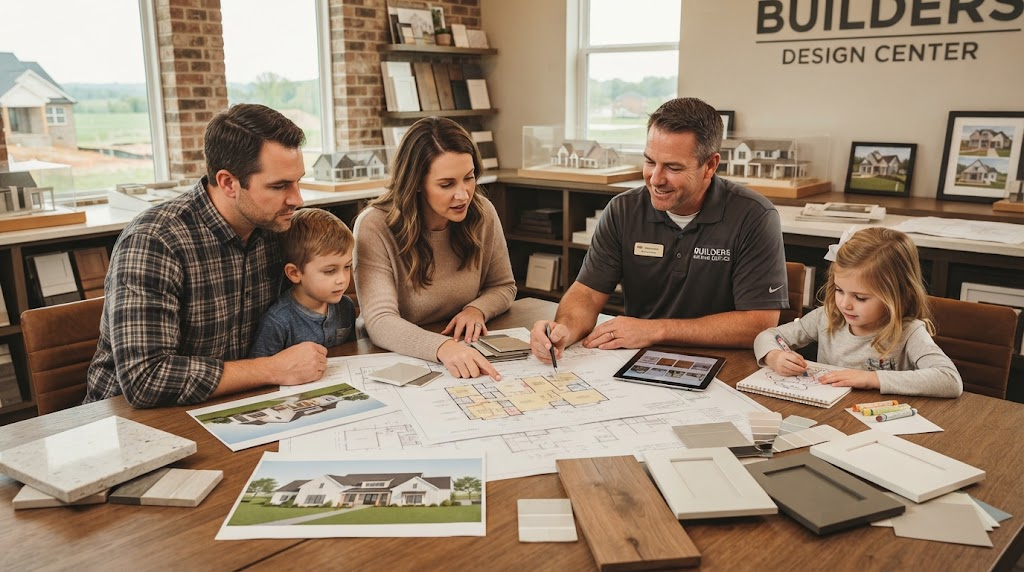
Not every builder operates the same way.
Understanding the main models helps you choose one that fits your goals.
Production Builders
Production builders construct many homes using a limited selection of standardized plans.
They often work in master-planned communities or subdivisions.
Advantages
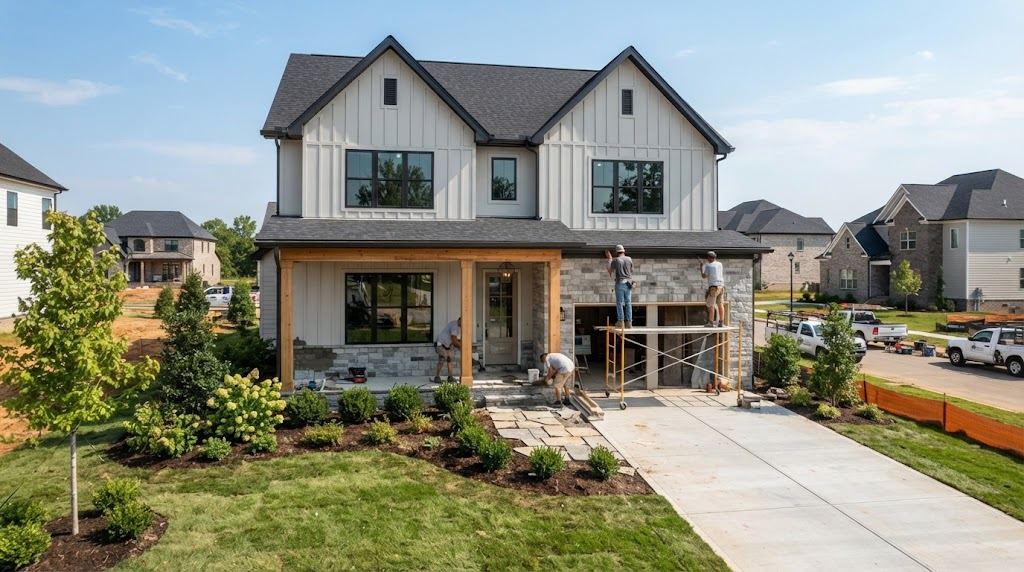
Production building can offer:
- Lower cost
- Faster construction
- Predictable floor plans
- Established processes
Limitations
Customization may be restricted.
You may only be able to choose from predetermined:
- Floor plans
- Finishes
- Fixtures
- Structural options
Production builders are often a good fit for buyers who want a new home without designing everything from scratch.
Semi-Custom Builders
Semi-custom builders offer more flexibility.
You may start with an existing floor plan but modify features such as:
- Room layouts
- Kitchen configuration
- Exterior style
- Flooring
- Cabinetry
This provides a balance between customization and cost control.
Custom Home Builders
Custom builders construct homes designed specifically for the client.
The homeowner may work with:
- Architect
- Designer
- Engineer
- Builder
Almost every aspect can be customized.
This flexibility usually comes with higher costs and longer timelines.
Custom construction works best for buyers who have specific design requirements, unusual land, or premium architectural goals.
Start With Your Budget
Before choosing a builder, establish a realistic total project budget.
Do not focus only on the advertised base home price.
The final cost may also include:
- Land
- Site preparation
- Permits
- Utility connections
- Landscaping
- Driveway
- Appliances
- Window treatments
- Upgrades
- Financing costs
Many new construction buyers underestimate how much upgrades add to the final price.
Understand Base Price vs. Final Price
Builders often advertise a base price.
That price usually represents the simplest version of the home.
Popular upgrades may include:
- Larger kitchen
- Premium countertops
- Hardwood flooring
- Upgraded cabinets
- Additional bathrooms
- Finished basement
- Better lighting
- Covered patio
Each upgrade increases the final contract value.
Ask the builder for a realistic example of the average completed price for homes similar to yours.
Research Builder Reputation
Online reviews are useful but should not be your only source.
Look for patterns.
Repeated complaints about the same issues deserve attention.
Common warning signs include:
- Missed deadlines
- Poor communication
- Warranty disputes
- Water leaks
- Uneven finishes
- Billing surprises
Also speak with previous clients when possible.
Ask them what the experience was like after move-in, not just during construction.
Visit Completed Homes
Photos can hide a lot.
Visit completed homes if the builder allows it.
Look closely at:
- Trim
- Paint
- Flooring
- Cabinet alignment
- Tile work
- Door operation
- Exterior finishes
Small details often reveal overall workmanship standards.
Visit Active Construction Sites
An active job site can tell you even more.
Look for:
- Organization
- Material protection
- Safety practices
- Cleanliness
A chaotic site does not automatically mean poor construction, but repeated disorder can indicate weak project management.
Check Licensing and Insurance
Builders should hold all required licenses for their jurisdiction.
Requirements vary by state and locality.
They should also maintain appropriate insurance.
Ask for documentation.
Do not rely on verbal assurances.
Important coverage may include:
- General liability insurance
- Workers’ compensation
- Builder’s risk coverage
A professional builder should be comfortable providing proof.
Understand the Builder’s Warranty
New homes usually include some form of warranty.
Coverage may be divided into categories.
Workmanship Warranty
May cover:
- Drywall
- Paint
- Trim
- Flooring
- Cabinetry
Systems Warranty
May cover:
- Plumbing
- Electrical
- HVAC
Structural Warranty
May cover major structural defects for a longer period.
Read the actual warranty.
Do not assume the phrase “builder warranty” means everything is covered.
Ask Who Handles Warranty Work
This is critical.
Some builders have dedicated service departments.
Others rely on subcontractors.
Ask:
- How are warranty claims submitted?
- What response time should I expect?
- Who performs repairs?
- What is excluded?
The builder’s behavior after closing can matter as much as the original construction.
Understand the Home Building Process
The process generally follows a sequence.
Step 1: Design and Planning
You select or create a floor plan.
The builder works with designers, engineers, and architects as needed.
Decisions may include:
- Square footage
- Room layout
- Exterior style
- Structural options
Step 2: Permits
Local authorities review plans before construction begins.
Permits may cover:
- Building
- Electrical
- Plumbing
- Mechanical systems
Delays can occur at this stage.
Step 3: Site Preparation
The land is cleared and graded.
Utilities and access are prepared.
Poor site preparation can create future drainage problems.
Step 4: Foundation
Depending on location and design, the home may use:
- Slab
- Crawl space
- Basement
Foundation accuracy is critical because every later stage depends on it.
Step 5: Framing
Walls, floors, and roof structures are built.
This is when the house begins to take recognizable shape.
Step 6: Mechanical Systems
Contractors install:
- Electrical wiring
- Plumbing
- HVAC ducts
- Ventilation
Changes become more expensive after walls are closed.
Step 7: Insulation and Drywall
Insulation is installed.
Drywall follows.
This stage strongly affects energy efficiency and interior comfort.
Step 8: Interior Finishes
This includes:
- Cabinets
- Countertops
- Flooring
- Tile
- Paint
- Fixtures
It is also where design upgrades become most visible.
Step 9: Exterior Completion
Exterior work may include:
- Siding
- Brick
- Driveway
- Decks
- Landscaping
Step 10: Final Inspection
The home is inspected before occupancy.
You should also perform your own final walkthrough.
Why Independent Inspections Matter
Many buyers assume a new home does not need an independent inspection.
That is a mistake.
New construction can still contain errors.
Potential issues include:
- Improper flashing
- Missing insulation
- Electrical defects
- Plumbing leaks
- Framing problems
- HVAC issues
Consider hiring an independent home inspector at multiple stages.
Common inspection points include:
- Pre-drywall
- Final completion
- Warranty period
This provides an additional layer of quality control.
What Is a Pre-Drywall Inspection?
A pre-drywall inspection happens after framing and mechanical systems are installed but before walls are closed.
This is one of the best times to find hidden problems.
An inspector can examine:
- Framing
- Wiring
- Plumbing
- HVAC
- Structural connections
Once drywall is installed, many of these components become difficult to see.
Understand Allowances
Custom builders may use allowances for items that have not yet been selected.
For example, the contract may include:
- $15,000 cabinet allowance
- $8,000 flooring allowance
- $5,000 lighting allowance
If your final selections cost more, you pay the difference.
Allowances should be realistic.
Low allowances make the initial contract price look attractive but can lead to expensive overruns.
Change Orders Can Increase Costs Quickly
A change order is a modification after the contract is signed.
Examples include:
- Moving walls
- Adding windows
- Changing flooring
- Upgrading fixtures
Change orders can be expensive because they may require:
- New materials
- Additional labor
- Schedule adjustments
Finalize major decisions early whenever possible.
Construction Timeline
Building a home takes time.
The schedule depends on:
- Home size
- Design complexity
- Weather
- Permits
- Labor availability
- Material availability
Delays are common.
A builder who promises an unrealistically fast schedule may be creating false expectations.
Ask for both the expected completion date and potential delay factors.
Financing a New Home
New construction financing can differ from buying an existing property.
Options may include:
- Construction loans
- Construction-to-permanent loans
- Builder financing
Some builders have preferred lenders.
Preferred lenders may offer incentives, but you should still compare terms.
Evaluate:
- Interest rate
- Fees
- Closing costs
- Loan structure
Do not choose financing solely because of a builder promotion.
Builder Incentives
Builders sometimes offer incentives such as:
- Closing cost credits
- Appliance packages
- Design center credits
- Interest-rate incentives
These can be valuable.
However, incentives should not distract from the total price.
A $10,000 upgrade credit is meaningless if the home is overpriced by $20,000.
Compare total value.
Energy Efficiency Matters
Modern building codes have improved energy performance.
However, builders still vary widely in efficiency standards.
Ask about:
- Insulation levels
- Window performance
- HVAC efficiency
- Air sealing
- Ventilation
- Water heating
Efficient construction can reduce operating costs and improve comfort.
Ask About Air Sealing
Air leakage can significantly affect performance.
A well-built home should minimize uncontrolled airflow through:
- Attic penetrations
- Window openings
- Doors
- Electrical penetrations
Ask whether the builder performs blower door testing where applicable.
Smart Home Features
New homes increasingly include smart technology.
Examples include:
- Smart thermostats
- Video doorbells
- Lighting controls
- Security systems
- Garage controls
Before paying for upgrades, ask whether the system uses open standards or proprietary technology.
You do not want expensive features that become obsolete quickly.
Think About Resale
Even if you plan to stay long term, avoid excessively personal design choices that may make resale difficult.
Very unusual features can narrow the future buyer pool.
Balance customization with broad usability.
Location Still Matters More Than the House
A beautiful new home in a poor location is still a poor real estate decision.
Evaluate:
- Schools
- Traffic
- Commute
- Taxes
- Nearby development
- Flood risk
- Local amenities
Builders sell houses, but you are also buying a location.
Questions to Ask New Home Builders
Before signing, ask:
- How long have you been building homes?
- Can I visit completed projects?
- Who supervises construction?
- Which subcontractors do you use?
- What is included in the base price?
- What upgrades are most common?
- How are change orders priced?
- What warranty do you provide?
- Can I hire independent inspectors?
- How often will I receive updates?
- What happens if construction is delayed?
Clear answers are a good sign.
Red Flags to Watch For
Be cautious if a builder:
- Refuses independent inspections
- Uses unclear contracts
- Demands unusually large upfront payments
- Avoids written commitments
- Cannot provide references
- Has repeated unresolved complaints
- Provides unrealistic timelines
A home purchase is too important to ignore warning signs.
Common Mistakes Buyers Make
Choosing the Lowest Bid
The cheapest builder can become expensive if quality is poor.
Skipping Inspections
New does not mean perfect.
Overspending on Upgrades
Design centers make upgrades emotionally easy.
Set limits.
Ignoring Future Costs
Consider:
- Taxes
- Insurance
- HOA fees
- Maintenance
Making Late Changes
Late decisions increase both cost and delays.
Production Home vs. Custom Home
Neither is universally better.
Choose production building if you value:
- Lower cost
- Faster timeline
- Simpler decisions
Choose custom construction if you value:
- Unique design
- Flexible layout
- Premium materials
The right model depends on priorities.
Frequently Asked Questions
What do new home builders do?
They coordinate the design, permitting, construction, subcontractors, inspections, and completion of a new residential property.
How do I choose a reliable builder?
Review licensing, insurance, completed projects, client feedback, warranties, contract terms, and communication quality.
Should I inspect a brand-new home?
Yes. Independent inspections can identify construction defects before closing.
How long does it take to build a new home?
Timelines vary widely based on home size, complexity, permits, weather, labor, and materials.
Are custom homes more expensive?
Usually. Custom homes involve more design work, specialized labor, and unique materials.
What is included in a base price?
It depends on the builder. Ask for a written list of standard features and exclusions.
Can I make changes during construction?
Usually, but changes may increase costs and delay completion.
Do new homes come with warranties?
Most builders offer warranties, but coverage and duration vary. Read the terms carefully.
Should I use the builder’s lender?
You can consider it, especially if incentives are offered, but compare the full loan terms with outside lenders.
Is building cheaper than buying an existing home?
Not necessarily. The answer depends on land prices, construction costs, location, upgrades, and market conditions.
Conclusion
Choosing new home builders is one of the most important decisions in the construction process.
The builder affects more than the appearance of the finished home.
They influence structural quality, energy efficiency, schedule, communication, warranties, and long-term maintenance.
Start by establishing a realistic budget and deciding whether you want a production, semi-custom, or fully custom home.
Then evaluate builders based on evidence.
Visit completed homes. Review active job sites. Check licensing and insurance. Read warranty terms. Speak with previous clients. Understand what is included in the base price.
Most importantly, use independent inspections.
A new home should be treated like any other major investment. Trust is valuable, but verification is better.
The strongest builder is not necessarily the company with the lowest price or the most impressive sales center.
It is the one that combines clear contracts, reliable project management, quality construction, transparent pricing, and responsive warranty support.
Choose on those fundamentals, and the building process becomes far more predictable — and the finished home far more likely to meet your expectations.

Written by Twastia Editorial Team
Twastia Editorial Team shares practical insights about website design, SEO services, Google Ads, content marketing, social media, conversion rate optimization, and digital marketing strategy.
Last updated: Oct 8, 2026
Related posts from Twastia
Explore more useful articles from twastia.com about digital marketing, SEO, websites, ads, content, and growth strategy.