Artificial Living Walls vs Natural Green Walls: Best Choice for Your Space
A wall covered in greenery can transform a plain room into a memorable space. Artificial Living Walls vs Natural Green […]
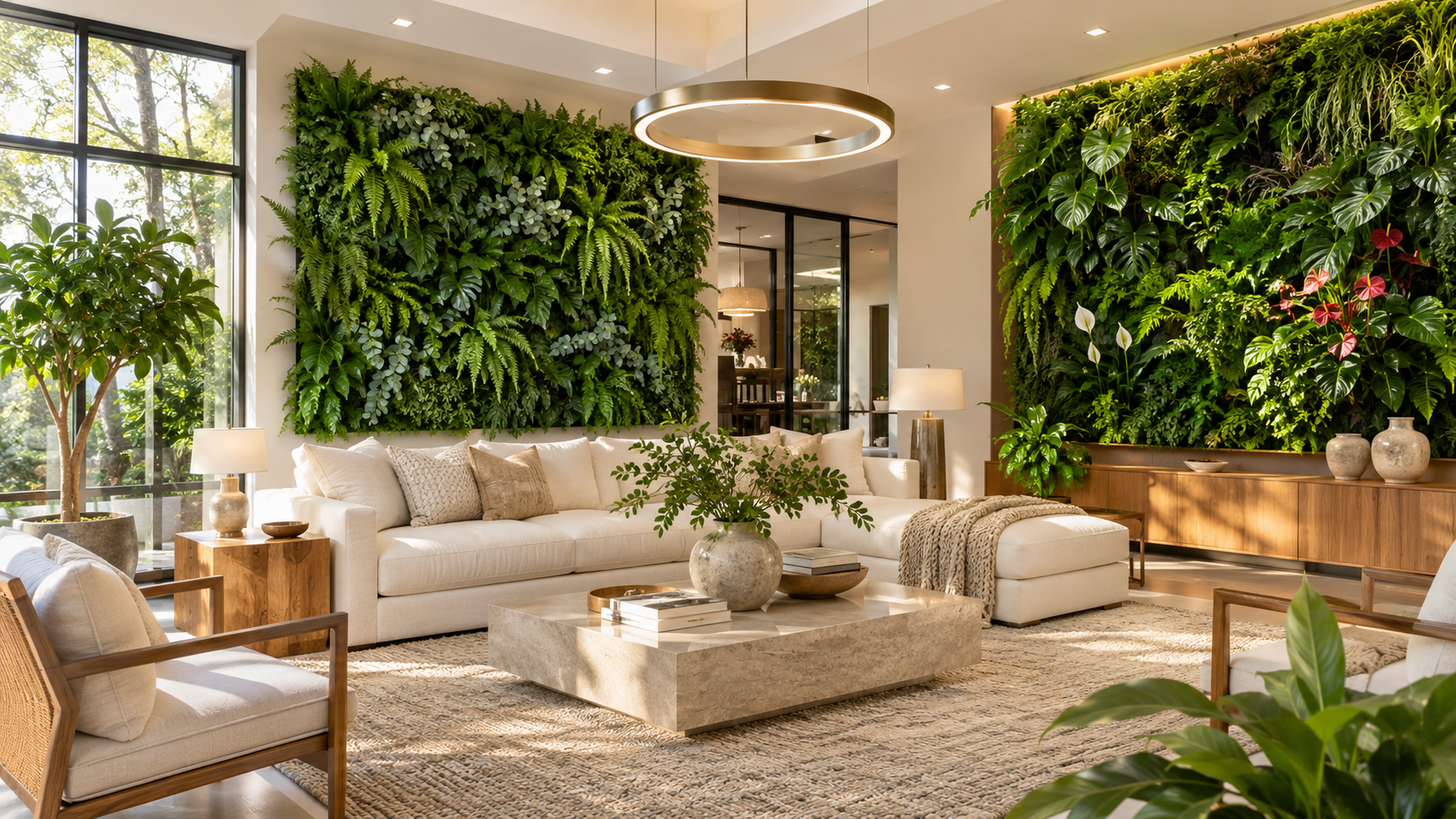
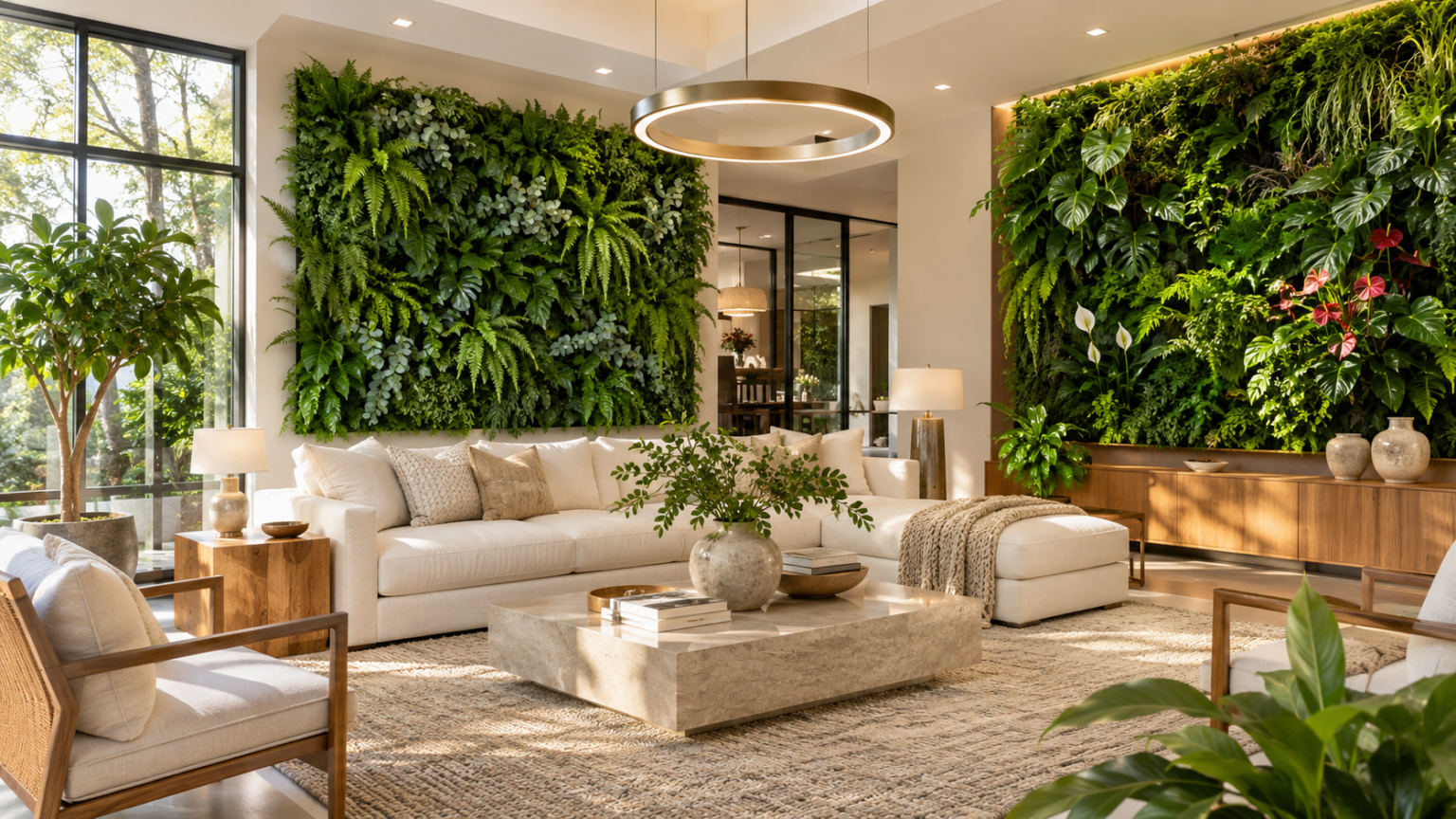
A wall covered in greenery can transform a plain room into a memorable space. Artificial Living Walls vs Natural Green Walls is a useful starting comparison for anyone planning that transformation. But the installation that looks effortless in a photograph may require regular watering, pruning, lighting, or cleaning in real life. When comparing Artificial Living Walls vs Natural Green Walls, the practical question is not simply which looks better. It is which one suits your building, schedule, budget, and expectations.
Artificial panels deliver an immediate decorative effect without growing plants. Natural living walls use real vegetation supported by planting systems and, often, irrigation. Both can look attractive, but they deliver different benefits and responsibilities. This guide explains how to choose based on everyday ownership rather than marketing promises.
Understand What You Are Actually Buying
The phrase artificial living wall is often used commercially, although artificial panels contain no living plants. They typically consist of synthetic foliage attached to interlocking backing panels. Natural green walls contain live plants rooted in containers or growing media; some simpler green facades instead use climbers trained against a support.
In Artificial Living Walls vs Natural Green Walls, this distinction matters because an artificial panel is primarily decor, while an engineered living wall is an ongoing horticultural installation. The Royal Horticultural Society notes that complex living walls often require irrigation and specialist installation or maintenance. RHS Advice
Faux Panels and Their Materials
Artificial designs can resemble boxwood, ferns, eucalyptus, or mixed tropical foliage. Quality varies in leaf shape, density, color consistency, backing strength, and suitability for a specific location. Some products are designed only for indoor use. A panel that looks realistic under showroom lighting may look repetitive or shiny in direct sunlight.
Living Plants and Their Support Systems
Real living walls may use modular pots, planted trays, or felt-based growing systems. Roots require suitable moisture, nutrients, oxygen, and room to develop. Larger installations need careful structural support, drainage management, and maintenance access. A beautiful planting plan cannot compensate for a wall that traps water against the building.
Appearance: Instant Consistency or Natural Change?
Artificial greenery delivers a full, predictable appearance immediately after installation. You choose the arrangement, trim panels to fit, and generally keep the same silhouette throughout the year. This can be useful behind a reception desk or in a restaurant where a consistently polished backdrop matters.
Natural vegetation changes with growth, light, seasons, and care. New leaves bring variation in texture and color; some plants may need replacement. For homeowners weighing Artificial Living Walls vs Natural Green Walls, this changing character may be the main reason to choose real greenery. Others may prefer not to manage gaps or uneven growth.
How to Avoid an Artificial Look
Mix foliage shapes and leaf sizes, avoid obvious repeating panel patterns, and inspect samples in the intended lighting. Use depth and staggered edges rather than presenting a perfectly flat rectangle. High-quality faux greenery can be attractive, but it should not be represented as indistinguishable from living plants at every viewing distance.
Maintenance: What Each Option Really Demands
For day-to-day care, Artificial Living Walls vs Natural Green Walls creates a significant difference in responsibilities. Artificial panels require no irrigation, fertilizer, or pruning. They still collect dust, may need periodic cleaning, and can require replacement when leaves fade, detach, or become brittle. Outdoor installations may need more frequent inspections after sun, wind, and weather exposure.
Natural systems need regular attention to plant health, watering, nutrient balance, pests, and irrigation equipment. One living-wall manufacturer recommends routine care every one to two weeks for its systems, but actual schedules vary by design and environment. Artificial Living Walls vs Natural Green Walls is therefore partly a comparison of your willingness to maintain a small vertical garden. LiveWall Vertical Plant Wall System
Hidden Work Behind Automated Irrigation
Automation can make watering more consistent, but pumps, timers, filters, reservoirs, and drainage lines still need monitoring. A blocked emitter or failed pump may damage plants before anyone notices. Hire a maintenance provider or assign clear responsibility if the installation is in a commercial property.
Plan for Access Before Installation
Do not place a tall living wall where upper modules cannot be safely reached. Provide appropriate access for inspections, repairs, and plant replacement. Artificial panels also need safe installation and occasional cleaning, especially when they cover high interior walls.
Water, Moisture, and Building Protection
A natural indoor wall brings water into proximity with building surfaces. Professional designs should account for waterproofing, drainage, leak detection, and separation from vulnerable materials. Research and guidance on green infrastructure warn that poor moisture management can create mold and building problems. Capital Regional District
Artificial panels avoid irrigation-related leaks, which is a meaningful advantage in rented apartments and moisture-sensitive spaces. Yet they can still conceal a preexisting damp wall. Before making an Artificial Living Walls vs Natural Green Walls decision, inspect the surface and resolve any underlying moisture problem.
Light and Location Make a Major Difference
A sunny courtyard and a windowless hallway have very different requirements. Real plants need species-appropriate light; indoor systems may require dedicated grow lights, increasing equipment and energy use. Too much direct sun can stress shade-loving plants, while too little light weakens growth.
Artificial greenery performs visually in darker rooms without horticultural lighting. Outdoor panels should have documented weather and ultraviolet resistance, although such claims do not mean they last indefinitely. In Artificial Living Walls vs Natural Green Walls, a dark interior often favors artificial panels unless you are willing to support and maintain a properly designed grow-light system.
Outdoor Spaces Bring Extra Challenges
Wind exposure, rainfall, temperature extremes, and structural mounting matter for both options. Real plants must match the local climate and microclimate. Faux products need suitable attachments and outdoor-rated materials. A large exterior wall should be assessed for structural loads and local requirements rather than treated as a lightweight decoration.
Installation and Long-Term Cost
For pricing, Artificial Living Walls vs Natural Green Walls should be assessed over the entire expected ownership period. There is no dependable universal price per square foot because materials, area, site access, backing systems, plumbing, labor, and design complexity vary. Basic faux panels can be relatively straightforward to install, while premium commercial greenery may require custom framing and certified materials.
Natural walls may need irrigation connections, waterproofing, lighting, plant selection, commissioning, and routine service. Compare Artificial Living Walls vs Natural Green Walls using total ownership costs, not the installation quote alone. Ask for a written estimate covering repairs, replacement plants or panels, and ongoing utilities where applicable.
A Practical Cost Checklist
Request separate figures for design, mounting and structural work, water or electrical connections, lighting, routine maintenance, and replacements. Include disruption to tenants or employees during installation. A lower upfront price can become less attractive if components are difficult to replace or service.
Air Quality, Comfort, and Sustainability Claims
Living plants can support a sense of connection with nature, and some green walls may influence temperature or local air conditions. However, do not assume an ordinary decorative wall can replace ventilation or mechanical filtration. The EPA cautions that a realistic quantity of houseplants does not meaningfully remove indoor pollutants in typical homes and offices. US EPA
A 2026 research review found promising results for some indoor greenery systems but also emphasized that controlled experiments often outperform real-world installations. The fair conclusion in Artificial Living Walls vs Natural Green Walls is that living plants may offer additional environmental functions under particular designs, but benefits need evidence and should not be guaranteed for every room. ScienceDirect+1
Artificial foliage provides visual greenery without plant growth, soil, or irrigation. Its environmental footprint depends on production materials, shipping, lifetime, cleaning, and disposal. Natural walls also consume resources through structures, replacement plants, water, and sometimes lighting. Neither option is automatically the sustainable choice in every setting.
Fire Safety Is Essential, Especially in Businesses
Artificial foliage can be combustible, making fire performance an important purchasing question. The International Fire Code includes provisions for artificial decorative vegetation, with requirements that depend on the occupancy and adopted code. Obtain the relevant product’s test documentation and consult the building or fire authority rather than relying on an undefined claim of fire resistance. 2021 INTERNATIONAL FIRE CODE (IFC)
Natural plant walls also need fire-safety review, particularly when dried vegetation, electrical equipment, or obstructed sprinklers are possible. For Artificial Living Walls vs Natural Green Walls in restaurants, hotels, offices, and shared buildings, code compliance and safe placement should come before appearance. Never cover exits, fire equipment, or required signage.
Which One Works Best in Different Spaces?
Apartments and Rental Homes
Artificial panels often suit renters who want removable decoration without irrigation or major alterations. Obtain permission for mounting and check the wall’s ability to bear the load. A small freestanding living planter may be a better alternative when a full installed natural wall is impractical.
Offices, Hotels, and Restaurants
Commercial owners may value faux greenery for consistent branding and lower horticultural maintenance. A real living wall can create a distinctive experience, but only when someone is responsible for irrigation, plants, and access. In Artificial Living Walls vs Natural Green Walls, operational capacity matters as much as aesthetics.
Patios and Outdoor Facades
Real plants may provide seasonal shade and ecological value when suitable species and supports are chosen. Artificial panels can offer year-round visual coverage but need verification for weather exposure and fire performance. Large walls deserve professional design regardless of which option you select.
A Simple Decision Process
First, measure the wall and assess sunlight, humidity, ventilation, and access. Second, define the real goal: decor, privacy, a biophilic experience, or an environmental function. Third, obtain suitable product samples and detailed quotations. Fourth, ask who will maintain the installation and what happens if an irrigation line leaks or a panel fails.
The best Artificial Living Walls vs Natural Green Walls choice is the one you can maintain safely and afford over several years. If you love gardening and have suitable conditions, a real wall may be rewarding. If you need attractive coverage in a dark, busy interior, a well-specified artificial installation may be more practical.
Frequently Asked Questions
Do artificial green walls look realistic?
Premium panels can look convincing, particularly when mixed foliage and careful lighting hide obvious repetition. Close inspection usually reveals synthetic materials. Request samples rather than deciding from heavily edited marketing photographs.
Do natural green walls clean indoor air?
Certain systems can affect measured pollutants under defined conditions, but ordinary plant walls should not replace source control, ventilation, or suitable air filtration. The practical distinction in Artificial Living Walls vs Natural Green Walls is potential additional function, not guaranteed purification.
Are artificial walls maintenance-free?
No. They avoid watering and pruning but need cleaning, secure mounting, and inspections for fading or damage. Outdoors, environmental exposure can increase those needs.
Can I install a natural living wall myself?
A small modular system may be achievable for an experienced gardener following instructions. Larger walls with plumbing, electrical components, and structural loads call for suitable professionals. Protect the underlying building from moisture.
Which choice is better for a windowless office?
Artificial greenery is usually simpler unless the office can support suitable grow lighting, irrigation, and maintenance. The Artificial Living Walls vs Natural Green Walls comparison changes when the building already has horticultural infrastructure.
Which wall lasts longer?
There is no universal lifespan. Artificial products vary in UV stability and material quality; natural walls require ongoing plant and component replacement. Evaluate warranties, replacement availability, and maintenance records rather than trusting a broad longevity claim.
Conclusion
The practical lesson of Artificial Living Walls vs Natural Green Walls is that both options can create a striking green feature, but they solve different problems. Artificial panels deliver immediate, consistent coverage and avoid irrigation. Real living walls reward proper plant care with genuine growth and potential site-specific environmental benefits, along with greater responsibility for water, light, and maintenance.
When deciding between Artificial Living Walls vs Natural Green Walls, prioritize the actual room, ownership budget, safe installation, and how much ongoing care you can provide. The most successful green wall is not necessarily the most elaborate one. It is the one that continues to look good and function well after the installation photographs are taken.

Written by Twastia Editorial Team
Twastia Editorial Team shares practical insights about website design, SEO services, Google Ads, content marketing, social media, conversion rate optimization, and digital marketing strategy.
Last updated: Nov 10, 2026
Related posts from Twastia
Explore more useful articles from twastia.com about digital marketing, SEO, websites, ads, content, and growth strategy.