Cleaning Shingle Roofs: Safe Methods, Tips & Mistakes to Avoid
Your roof protects your home from rain, wind, sunlight, and changing weather conditions. Over time, however, asphalt shingles can develop […]
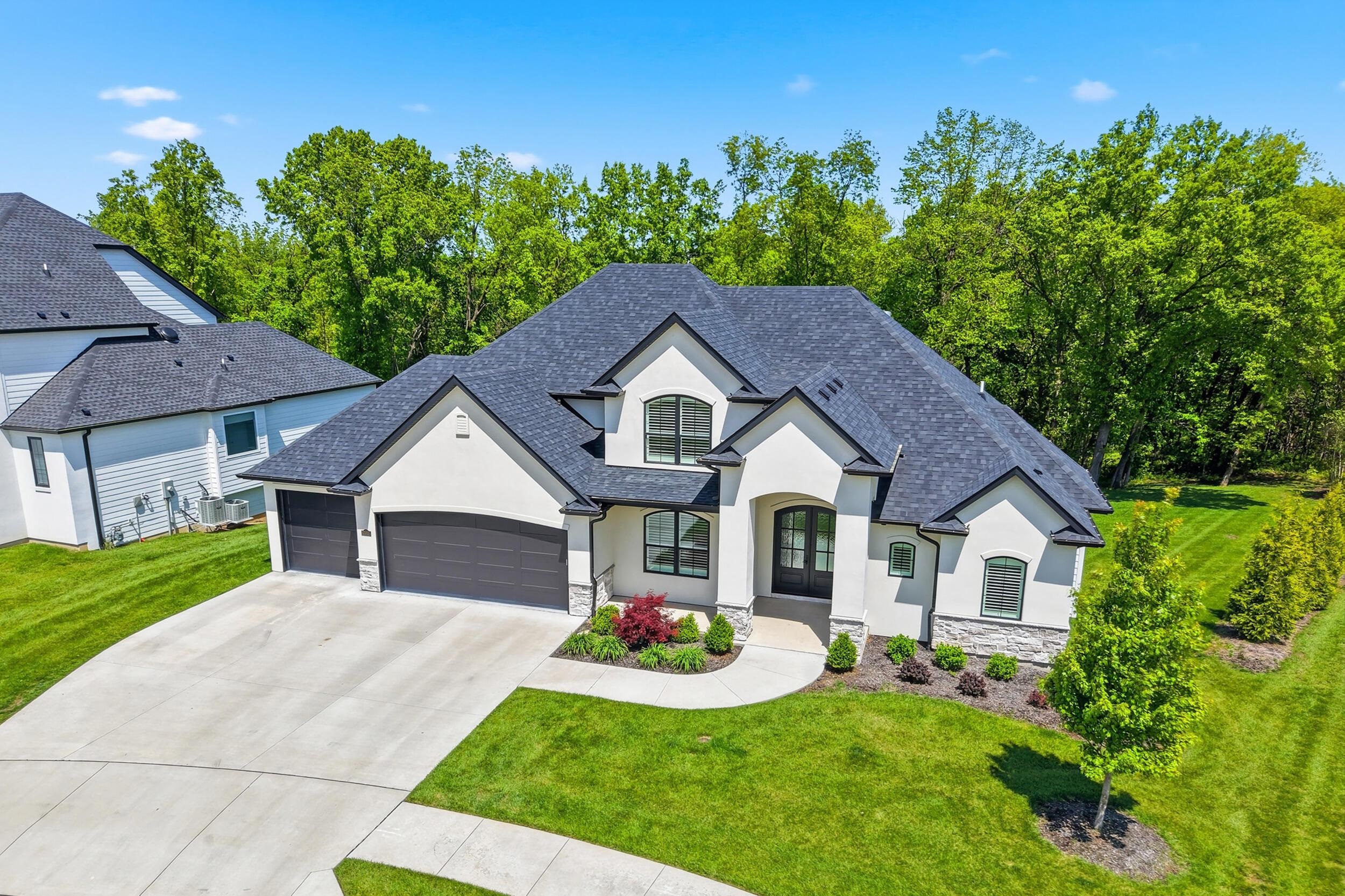
Your roof protects your home from rain, wind, sunlight, and changing weather conditions. Over time, however, asphalt shingles can develop dark streaks, moss growth, and accumulations of leaves or other debris. These problems may affect your home’s appearance and, in some situations, require professional attention.
For American homeowners, cleaning shingle roofs is an important part of understanding residential roof maintenance. But using the wrong equipment or aggressive techniques can damage protective granules and potentially shorten the life of roofing materials.
The goal isn’t simply to make shingles look new. It’s to identify the source of discoloration, choose an appropriate treatment, and preserve the roof’s condition.
This guide explains safe roof cleaning methods, common causes of staining, professional cleaning techniques, maintenance schedules, and mistakes to avoid.
Why Is Cleaning Shingle Roofs Important?
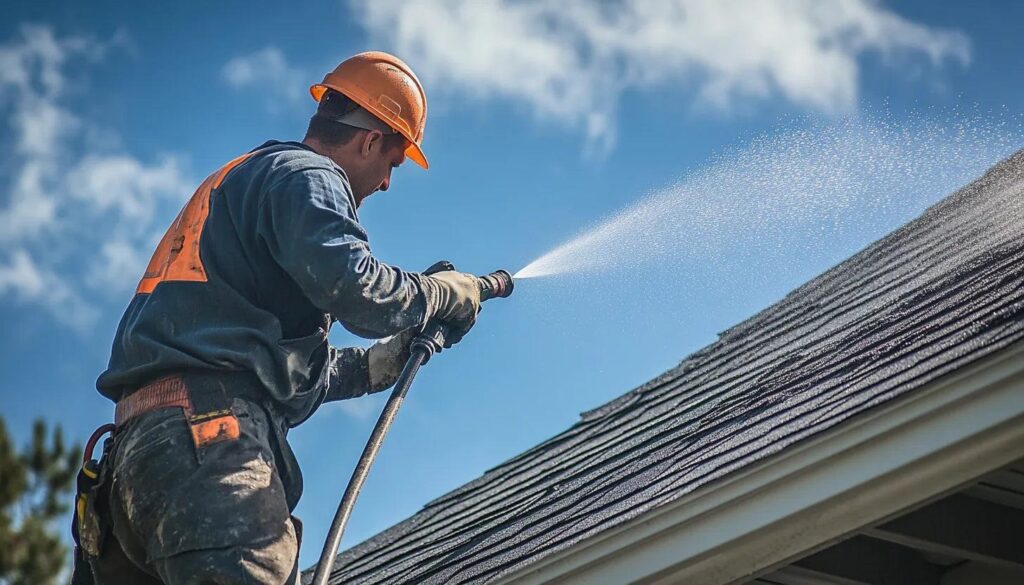
Asphalt shingles are widely used on residential properties throughout the United States. Their layered construction provides weather protection while offering various colors, textures, and architectural styles.
Although shingles are designed for outdoor exposure, they may gradually collect organic debris and develop biological growth.
Improve Your Home’s Appearance
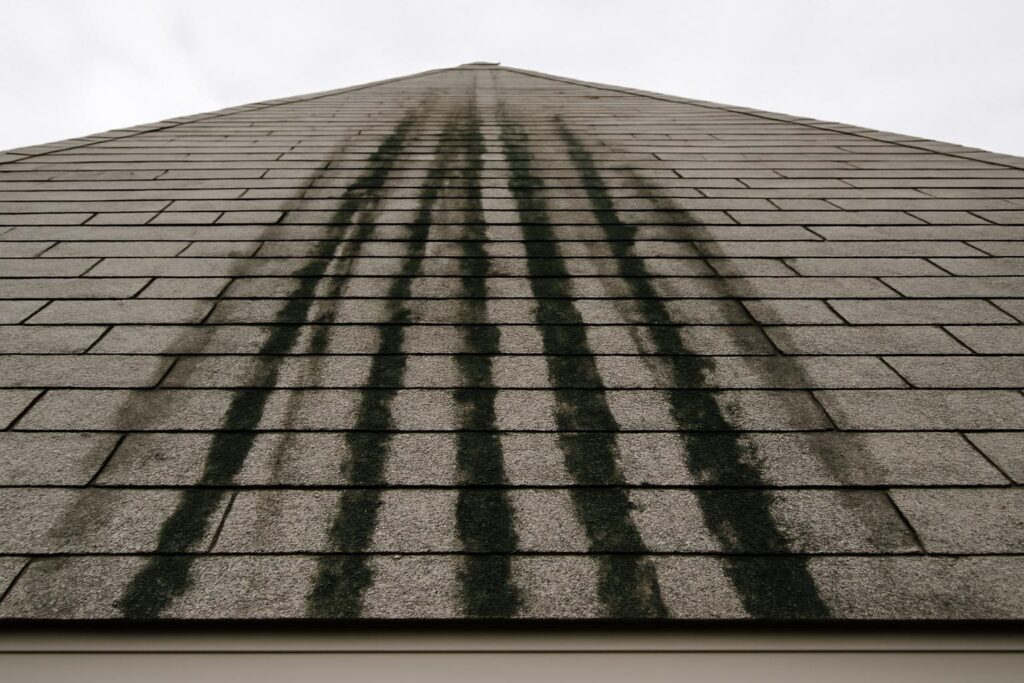
Black streaks and green patches can make an otherwise attractive roof look neglected.
Addressing appropriate types of staining can improve the appearance of your home’s exterior, particularly when combined with clean gutters and well-maintained landscaping.
Address Unwanted Organic Growth
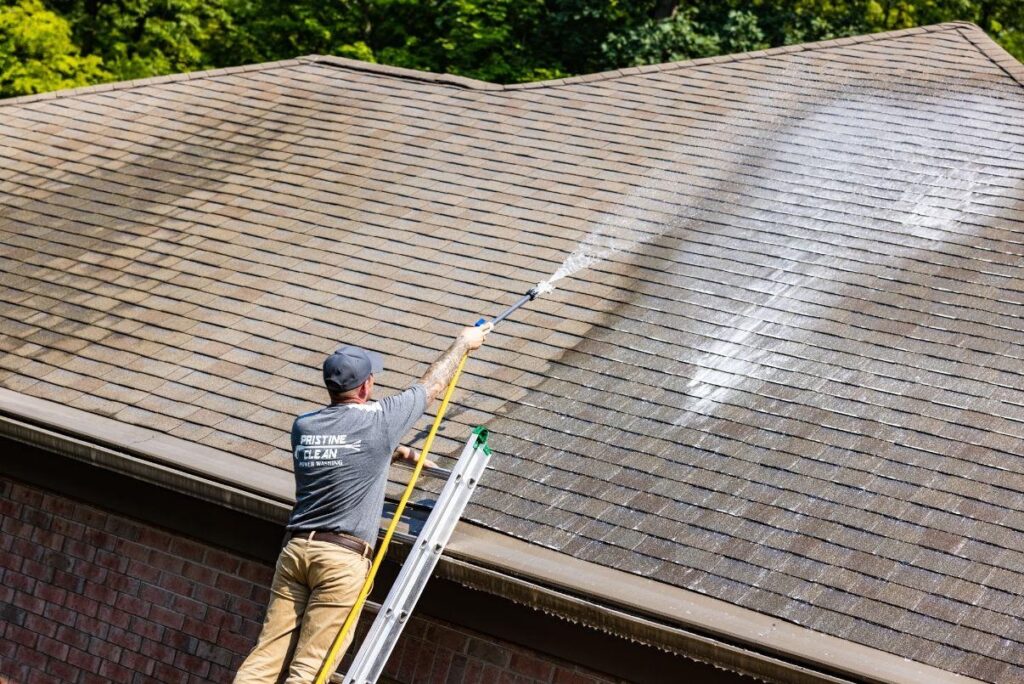
Moss and other vegetation can accumulate on shaded, damp roof sections.
Heavy moss growth may interfere with drainage or affect shingle edges. It deserves evaluation rather than aggressive scraping.
Identify Potential Roofing Problems
A professional roof cleaning assessment may reveal cracked shingles, damaged flashing, drainage problems, or missing roofing materials.
These concerns should be documented and addressed separately from cosmetic cleaning.
Routine cleaning cannot repair a deteriorated roof.
What Causes Black Streaks on Asphalt Shingles?
One of the most common roof appearance problems is the formation of dark streaks.
According to roofing manufacturer GAF, these marks are frequently caused by Gloeocapsa magma, a type of cyanobacteria commonly described as blue-green algae.
The organism develops a dark protective covering, producing visible staining on roofing surfaces.
Why Algae Develops
Moisture, suitable temperatures, and environmental conditions can support algae growth.
Discoloration often develops on roof sections that stay damp longer, although it can appear in many locations.
Dark streaking does not automatically mean the roof is leaking or structurally damaged.
However, unexplained staining should be assessed if accompanied by missing shingles, water intrusion, or deterioration.
Understanding Moss, Algae, and Lichen
These growths are often discussed together, but they have different characteristics.
Algae
Algae-related discoloration commonly appears as dark streaks or patches.
It may primarily affect appearance, although treatment recommendations depend on the roof material and manufacturer.
Moss
Moss forms thicker green growth, especially in damp, shaded areas.
Its growth pattern can interfere with shingles and moisture drainage, making professional evaluation worthwhile.
Lichen
Lichen can form crust-like patches that attach firmly to roofing surfaces.
Attempting to scrape lichen away may remove protective shingle granules.
Avoid forcing attached growth off the roof. Appropriate treatment may require time and repeated professional assessment.
What Is the Safest Way to Clean Asphalt Shingles?
For many asphalt shingle roofs, the preferred approach is a manufacturer-approved cleaning treatment applied gently without high-pressure washing.
The Asphalt Roofing Manufacturers Association (ARMA) provides technical guidance on treating algae and moss.
Its recommendations emphasize preserving the shingle surface and avoiding abrasive equipment.
Homeowners researching cleaning shingle roofs can find a general overview of the cleaning process in the linked GuideByTips article.
However, that article includes brushing and high-pressure-related advice that conflicts with current ARMA recommendations.
For actual cleaning work, prioritize the instructions provided by your shingle manufacturer and qualified roofing professionals.
What Is Soft Wash Roof Cleaning?
Soft washing generally refers to applying an appropriate cleaning solution using low-pressure equipment.
Unlike conventional power washing, it does not rely on a powerful water stream to forcibly remove staining.
How the Method Works
A trained professional evaluates the roof and chooses a treatment suitable for the roofing material.
An approved cleaning solution is applied using the recommended equipment.
The treatment is allowed to work according to the manufacturer’s directions, followed by any required gentle rinsing.
Some organic growth may loosen gradually rather than disappearing immediately.
Why Low Pressure Matters
Asphalt shingles contain protective mineral granules.
Aggressive water pressure can dislodge these granules and expose the underlying roofing materials to premature wear.
A gentle approach helps preserve the surface while addressing appropriate staining.
However, a service being advertised as “soft washing” does not automatically make its chemicals or practices safe. Verify the actual method.
Why You Should Never Pressure Wash Asphalt Shingles
Pressure washers are useful for certain exterior surfaces, but asphalt shingle roofing requires different treatment.
ARMA advises against using pressure washers because excessive force can cause granule loss and potentially contribute to premature roof failure.
Potential Damage From High Pressure
High-pressure spraying may disturb protective granules, damage shingle edges, or force water into locations not intended to receive concentrated spray.
Damage isn’t always immediately visible from the ground.
Using inappropriate techniques may also complicate warranty claims.
Avoid Abrasive Scrubbing
Stiff brushes, wire brushes, and vigorous scraping can also remove protective granules.
ARMA specifically advises against brushes or brooms for cleaning algae from asphalt roofing.
Never assume that greater force produces better cleaning results.
Step-by-Step Professional Shingle Roof Cleaning Process
Understanding the typical professional workflow helps homeowners evaluate service providers.
These steps describe what a qualified contractor may do; they are not instructions for untrained homeowners to access or work on a roof.
Step 1: Inspect the Roof
The contractor identifies the roofing material, estimated age, visible damage, and type of biological growth.
Loose shingles, damaged flashing, or signs of water penetration may require repair before cleaning.
Step 2: Review Manufacturer Instructions
Different shingle products may have specific requirements for cleaning solutions, application methods, and warranty protection.
The contractor should identify the applicable guidance before selecting a treatment.
Step 3: Protect the Property
Nearby landscaping, exterior finishes, gutters, and drainage areas must be considered.
The crew should establish appropriate runoff controls and protect vulnerable surfaces.
Step 4: Apply an Approved Treatment
A trained professional applies the manufacturer-compatible solution using low-pressure equipment.
Treatment concentration and contact time must follow the relevant roofing guidance and chemical product label.
Step 5: Rinse When Required
Some treatments require gentle rinsing, while certain biological growth may release gradually over time.
The contractor should avoid high-pressure spraying or abrasive removal.
Step 6: Complete a Final Inspection
After treatment, the contractor evaluates the roof’s visible condition and reports any remaining staining or defects.
The roof may need time before its final appearance becomes apparent.
Can You Use Bleach to Clean a Shingle Roof?
Some asphalt shingle manufacturers and industry guidance describe specific diluted sodium hypochlorite treatments for algae removal.
However, the correct formulation depends on the roofing product, chemical concentration, and applicable instructions.
Different recommendations should not be combined into a homemade recipe.
Important Chemical Safety Precautions
Bleach-based products can irritate or injure the eyes, skin, and respiratory system.
The Centers for Disease Control and Prevention warns against mixing bleach with ammonia, acids, or other cleaning products because dangerous gases may be released.
Professional contractors should use appropriate protective equipment and prevent unsafe exposure.
Chemical runoff can also affect vegetation, exterior materials, and surrounding property.
For these reasons, chemical roof treatment is generally best left to trained professionals.
Is DIY Roof Cleaning a Good Idea?
Homeowners may be tempted to clean roof stains themselves to avoid paying for professional service.
However, working at roof height creates serious fall hazards.
A wet shingle roof can be particularly slippery, even when the slope appears manageable.
Safer Tasks Homeowners Can Perform
From a secure ground-level location, you can inspect visible roof sections for staining, damaged areas, and debris accumulation.
You can also schedule routine professional inspections and keep surrounding landscaping properly maintained.
Do not climb onto the roof, lean dangerously from a ladder, or attempt to spray cleaning chemicals overhead.
When to Hire a Professional
Professional help is especially important for steep roofs, multistory buildings, extensive moss growth, suspected damage, or any situation requiring elevated access.
OSHA identifies falls as a major hazard in residential roofing work.
Choose a contractor who can explain the safety and fall-protection measures appropriate to the job.
When Is the Best Time to Clean a Shingle Roof?
Roof cleaning should be scheduled according to actual conditions rather than a universal calendar.
The roof must be safe to access, and the chosen treatment must be suitable for the expected weather.
Spring and Fall Maintenance
These seasons can be convenient for reviewing roof conditions, checking drainage, and addressing accumulated debris.
However, suitable cleaning conditions vary by region.
Avoid Extreme Conditions
Cleaning should not proceed during thunderstorms, icy weather, strong winds, or conditions that create unsafe footing.
Extreme heat may also affect worker safety and treatment performance.
A professional should determine whether the weather meets equipment and product requirements.
How Often Should Shingle Roofs Be Cleaned?
There is no fixed cleaning frequency suitable for every American home.
A house surrounded by mature trees in a humid region may experience more organic growth than a house in a dry, exposed setting.
Annual visual inspections can help homeowners monitor changes.
Cleaning should be considered when meaningful staining or growth develops and the roofing manufacturer supports treatment.
Unnecessary frequent washing may create avoidable exposure and maintenance costs.
Roof Maintenance Tips to Reduce Algae and Moss Growth
Keep Gutters Clear
Clogged gutters can interfere with normal roof drainage.
Arrange regular gutter maintenance, particularly after heavy leaf fall.
Manage Overhanging Branches
Appropriate tree pruning can reduce debris accumulation and allow more sunlight to reach certain roof areas.
Avoid excessive pruning or unsafe branch removal.
Monitor Shaded Sections
North-facing or heavily shaded roof surfaces may remain damp longer.
Observe these locations for developing moss or staining.
Consider Algae-Resistant Shingles
Some roofing products incorporate technologies designed to resist algae discoloration.
If you’re replacing an aging roof, ask your contractor about products appropriate for your climate.
Protection and warranty coverage vary by manufacturer and product line.
Does Roof Cleaning Extend the Life of Shingles?
Appropriate maintenance can help homeowners identify unwanted growth and address conditions that may contribute to roofing problems.
However, roof cleaning does not automatically extend shingle lifespan or reverse aging.
A roof with widespread granule loss, curling shingles, or recurring leaks may require repairs or replacement.
Cleaning cannot restore the original performance of severely deteriorated roofing materials.
A qualified roofer can help distinguish cosmetic discoloration from actual roofing defects.
How Much Does Professional Roof Cleaning Cost?
Roof cleaning estimates depend on several factors, including roof size, pitch, access, material condition, and treatment requirements.
A small, easily accessible roof may require less labor than a large multistory home with extensive moss growth.
Factors Affecting the Price
Roof complexity, required fall protection, landscaping protection, and difficult access can influence the final quotation.
Repairs, gutter cleaning, and debris removal may be billed separately.
Get Detailed Written Estimates
Request at least two comparable quotations.
Ask each contractor to identify the intended cleaning method, chemicals, safety measures, runoff protection, and included services.
Avoid choosing a company solely because it offers the lowest advertised price.
How to Choose a Reliable Roof Cleaning Company
A reputable provider should understand asphalt shingle construction and the importance of protecting granules.
Ask about business insurance, relevant experience, safety procedures, and manufacturer-approved cleaning methods.
Questions Worth Asking
- Will you use low-pressure equipment rather than pressure washing?
- How will you verify compatibility with my shingles?
- What precautions protect plants and surrounding surfaces?
- Do you carry appropriate insurance?
- Are roof repairs included or quoted separately?
- Will you provide a written estimate and explain the expected results?
Be cautious of providers promising that every stain can be removed immediately or guaranteeing that cleaning will make old shingles perform like new.
Common Shingle Roof Cleaning Mistakes
Using high-pressure water is among the most damaging mistakes homeowners can make.
Other problems include aggressive brushing, applying incompatible chemicals, neglecting landscaping protection, and attempting dangerous roof access.
Cleaning over existing leaks or damaged flashing can also create complications.
Another mistake is treating every black stain as mold requiring harsh removal.
Correct identification should come before choosing a treatment.
Frequently Asked Questions About Cleaning Shingle Roofs
What Is the Best Method for Cleaning Shingle Roofs?
For many asphalt shingles, a manufacturer-approved low-pressure cleaning treatment is appropriate. The exact chemicals and procedures must follow the applicable roofing instructions.
Can I Pressure Wash My Asphalt Shingle Roof?
No. ARMA advises against pressure washing asphalt roofing because it can dislodge protective granules and contribute to premature damage.
What Causes Black Streaks on Roof Shingles?
Black streaks are commonly associated with Gloeocapsa magma, a cyanobacterium that creates dark discoloration on roofing surfaces.
Is Moss Harmful to Roof Shingles?
Significant moss growth may interfere with drainage or affect shingle edges. Have persistent or extensive growth evaluated professionally.
How Often Should a Shingle Roof Be Cleaned?
There is no universal schedule. Cleaning frequency depends on local conditions, visible growth, roof condition, and manufacturer recommendations.
Does Bleach Damage Asphalt Shingles?
Certain manufacturer-approved diluted treatments use sodium hypochlorite. Incorrect chemicals, concentrations, or application methods may cause problems, so professional guidance is important.
Can Roof Cleaning Fix Leaks?
No. Cleaning can improve appearance and address certain biological growth, but leaks require diagnosis and suitable repairs.
Should I Hire a Professional Roof Cleaner?
Yes, when cleaning requires roof access, chemical treatment, or work near elevated edges. Qualified professionals have training and equipment for the risks involved.
Conclusion: Keep Your Shingle Roof Clean Without Causing Damage
Effective cleaning shingle roofs is about protecting roofing materials, not simply removing visible stains as quickly as possible.
Black streaks, moss, and debris should be evaluated carefully before choosing a treatment.
Avoid pressure washing, aggressive brushing, and unsafe roof access. Instead, follow shingle manufacturer recommendations and work with qualified professionals when cleaning is necessary.
Regular observation, clear gutters, appropriate tree maintenance, and timely repairs can support a sensible roof maintenance plan.
With the right approach, homeowners can improve their roof’s appearance while preserving the protective features that make asphalt shingles such a popular residential roofing material.

Written by Twastia Editorial Team
Twastia Editorial Team shares practical insights about website design, SEO services, Google Ads, content marketing, social media, conversion rate optimization, and digital marketing strategy.
Last updated: Oct 15, 2026
Related posts from Twastia
Explore more useful articles from twastia.com about digital marketing, SEO, websites, ads, content, and growth strategy.