Commercial Hard Money Loans in Gary: A Complete 2026 Guide for Real Estate Investors
Commercial real estate investing can offer opportunities to build wealth, generate rental income, and expand a business. However, securing financing […]
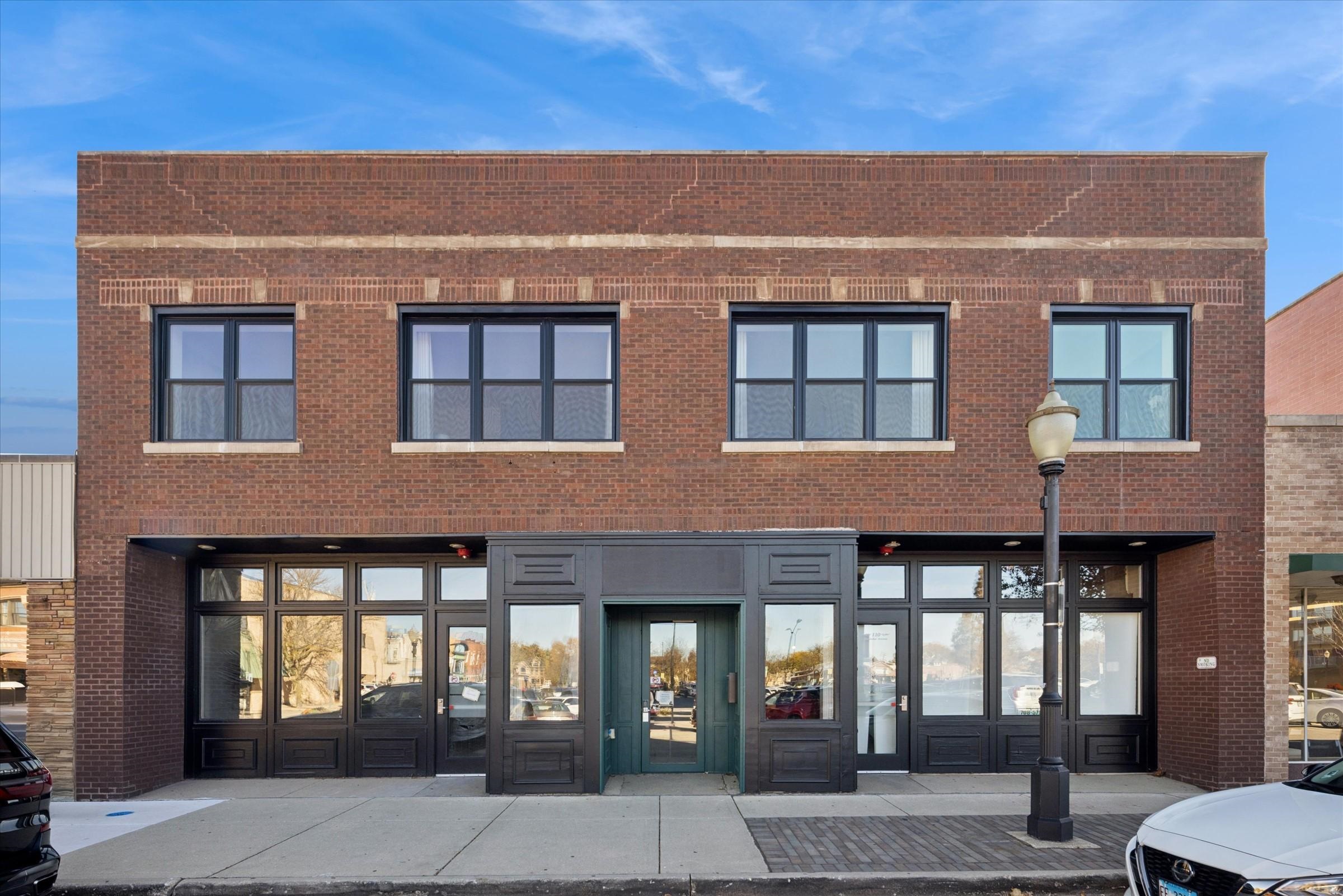
Commercial real estate investing can offer opportunities to build wealth, generate rental income, and expand a business. However, securing financing for commercial properties is not always easy, especially when traditional banks have strict lending requirements.
For investors looking to purchase, renovate, or refinance properties in Gary, Indiana, commercial hard money loans in Gary can provide an alternative to conventional financing.
These loans are typically offered by private lenders and focus heavily on the property’s value, the investment strategy, and the borrower’s ability to repay.
Whether you are purchasing a vacant retail building, improving an office space, or investing in a warehouse, understanding commercial hard money financing can help you make informed decisions.
This guide explains how these loans work, their benefits, typical costs, eligibility requirements, and how to choose the right financing option.
What Are Commercial Hard Money Loans?
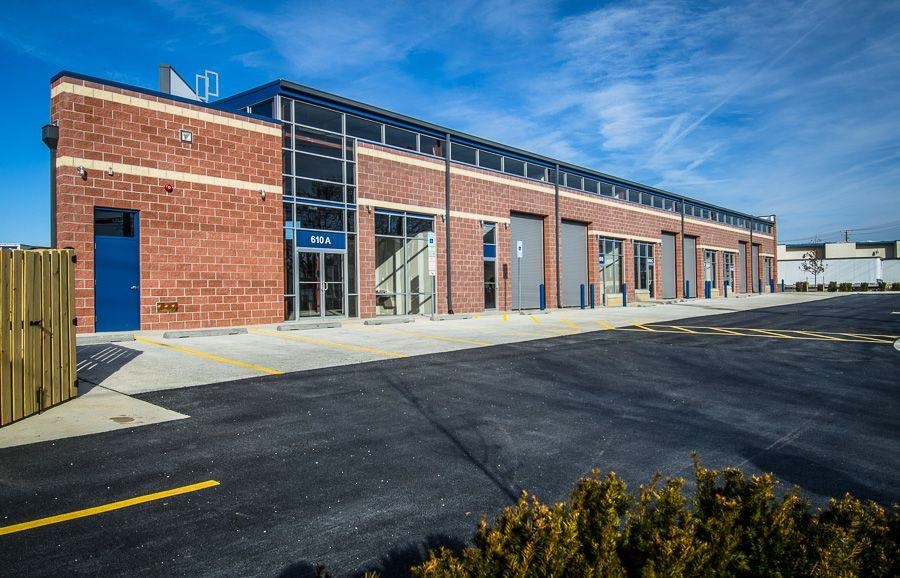
Commercial hard money loans are short-term, real estate-secured loans generally provided by private lenders or investment companies rather than traditional banks.
Unlike conventional commercial mortgages, which often require extensive financial documentation and stable property income, hard money lenders place greater emphasis on the property’s value and the proposed investment.
These loans are commonly used for commercial property acquisitions, renovations, refinancing, and time-sensitive transactions.
How Does Commercial Hard Money Lending Work?

A private lender reviews the property, its current market value, the borrower’s investment experience, available equity, and the planned repayment strategy.
The lender then determines how much financing may be available based on the project’s risk and value.
For example, an investor purchasing an older commercial building may qualify for financing even if the property currently has limited rental income.
However, approval is never automatic. Borrowers must still demonstrate that the investment is realistic and that the loan can be repaid.
Why Consider Commercial Hard Money Loans in Gary, Indiana?
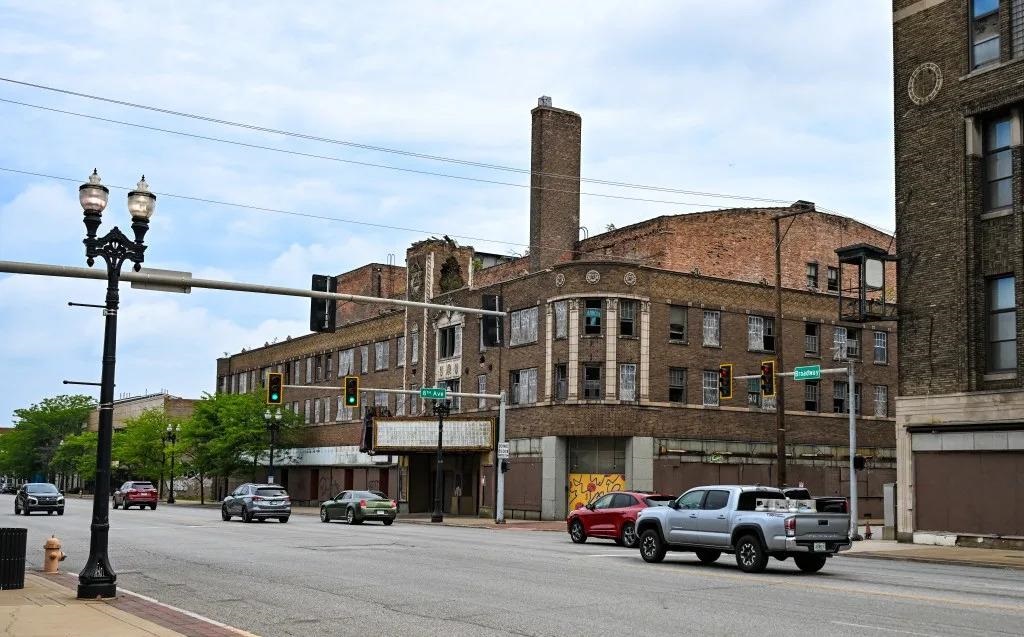
Gary is part of Northwest Indiana’s commercial real estate market, with access to the greater Chicago metropolitan region and established industrial and transportation infrastructure.
Its existing commercial buildings offer possibilities for investors interested in renovation, adaptive reuse, and business expansion.
Local Redevelopment Opportunities
Gary has been pursuing initiatives intended to encourage economic development and property reinvestment.
In September 2025, the city announced a $15 million READI 2.0-related grant for downtown revitalization, building improvements, and blight elimination. These projects reflect public investment in the city’s redevelopment strategy, although they do not guarantee higher property values or successful private investments.
gary.gov
Investors may find opportunities involving:
- Vacant commercial storefronts
- Small office buildings
- Mixed-use properties
- Warehouses and light industrial facilities
- Commercial buildings requiring major improvements
Because some properties need substantial renovations before generating income, traditional bank financing may be difficult to obtain.
Private commercial real estate lenders may be willing to evaluate these projects based on their potential after improvements.
When Should Investors Use Commercial Hard Money Loans?
Commercial hard money financing is most useful when speed, property condition, or financing flexibility makes conventional lending impractical.
1. Purchasing Commercial Property Quickly
Attractive commercial investment opportunities sometimes come with short closing deadlines.
A private lender may be able to evaluate and fund an eligible transaction faster than a conventional bank, depending on documentation, title clearance, and appraisal requirements.
This flexibility can help investors compete for time-sensitive properties.
2. Renovating Distressed Commercial Buildings
Properties requiring significant structural or cosmetic improvements may not qualify for conventional financing.
Hard money loans can help fund eligible acquisitions, while some lenders also offer renovation financing through construction draws or rehabilitation credit lines.
3. Refinancing an Existing Commercial Property
Investors may use short-term commercial real estate loans to replace an existing mortgage, address an approaching maturity date, or access available equity.
However, refinancing must make financial sense after considering interest expenses, lender fees, and the property’s current value.
4. Financing Properties With Limited Rental Income
Banks often prefer properties with reliable occupancy and documented cash flow.
Private lenders may consider vacant or partially occupied commercial properties when the borrower presents a credible leasing strategy and repayment plan.
Types of Commercial Properties That May Qualify
Commercial hard money lenders in Gary may finance several property categories, depending on their individual lending guidelines.
Retail and Mixed-Use Properties
Retail storefronts, neighborhood shopping buildings, and mixed-use properties may qualify when their location, condition, and future rental potential support the loan.
Office Buildings
Investors can use financing to purchase or improve smaller office properties. Lenders generally assess existing occupancy, tenant demand, and operating expenses.
Warehouses and Industrial Properties
Warehouses, distribution facilities, and light industrial properties may qualify for commercial bridge loans in Gary.
For older industrial buildings, environmental assessments and property-condition inspections can be particularly important.
Other Investment Properties
Certain lenders may also consider self-storage facilities, hospitality properties, and other specialized commercial assets.
Eligibility varies considerably, so borrowers should confirm that the lender finances their specific property type.
Commercial Hard Money Loan Rates and Terms in 2026
Understanding borrowing costs is essential before selecting a loan.
Private commercial real estate financing generally costs more than traditional bank financing because lenders accept different risks and often provide shorter repayment periods.
The following ranges are illustrative market estimates, not guaranteed quotes for Gary borrowers.
| Loan Feature | Illustrative Range |
|---|---|
| Interest rate | 10%–14% annually |
| Loan term | 6–24 months |
| Loan-to-value ratio | 50%–70% |
| Origination fees | 2–5 points |
| Funding timeline | Often several weeks |
Some lenders offer longer terms or different pricing. Actual offers depend on the property, borrower, leverage, and market conditions.
Axiant Partners
Understanding Loan-to-Value Ratio
The loan-to-value ratio, or LTV, compares the loan amount with the property’s value.
For instance, if a commercial building has an accepted valuation of $400,000 and the lender offers 65% LTV, the potential loan amount would be $260,000.
The borrower must cover the remaining acquisition cost and any additional expenses not included in the financing.
Some lenders use the lower of the purchase price or appraised value when calculating their maximum loan.
Example of Commercial Hard Money Loan Costs
Consider an investor purchasing a commercial building in Gary for $400,000.
Illustrative financing scenario
| Purchase price | $400,000 |
| Loan amount at 65% | $260,000 |
| Annual interest rate | 11% |
| Monthly interest-only payment | $2,383.33 |
| Origination fee at 2% | $5,200 |
| Loan term | 12 months |
Over 12 months, interest would total approximately $28,600 if the full principal remains outstanding.
The investor must also consider property taxes, insurance, renovation expenses, closing costs, and repayment of the $260,000 principal.
This example shows why understanding the total cost of borrowing matters more than comparing interest rates alone.
Requirements for Commercial Hard Money Loans in Gary
Eligibility requirements differ across lenders, but several factors commonly influence approval.
Property Value and Available Equity
The property’s condition, location, valuation, and marketability play a major role in underwriting.
Borrowers usually need sufficient cash or existing equity to satisfy the lender’s requirements.
Investment Experience and Financial Position
Although private lenders may be more flexible about credit scores and income documentation, they still evaluate financial stability.
Experienced investors may benefit from demonstrating successful previous projects.
A Clear Repayment Strategy
Lenders want to understand how the borrower intends to repay the loan.
Common exit strategies include selling the renovated property, refinancing into a long-term mortgage, or using proceeds from another verified source.
A realistic exit strategy is particularly important because short-term financing can create repayment pressure.
How to Apply for a Commercial Hard Money Loan in Gary
Applying for private commercial property financing is usually straightforward when the borrower prepares accurate information in advance.
Step 1: Define Your Investment Project
Identify the property, its purchase price, estimated value, renovation requirements, and intended use.
Determine how much funding you need and whether the project supports the expected borrowing costs.
Step 2: Find a Suitable Private Lender
Research lenders offering commercial property financing in Indiana.
Confirm their eligible property types, minimum loan sizes, repayment terms, and experience with commercial investment transactions.
Step 3: Prepare the Required Documentation
Depending on the lender, requested documents may include a purchase agreement, property photographs, rent roll, financial statements, renovation budget, or existing mortgage information.
Providing complete documents can prevent unnecessary delays.
Step 4: Review the Loan Proposal
Compare the interest rate, origination points, closing costs, default provisions, and prepayment conditions.
Ask whether the lender charges extension fees if the project takes longer than expected.
Step 5: Complete Due Diligence and Close
The lender may require an appraisal, title examination, property inspection, insurance, and environmental review.
Once all conditions are satisfied, the lender and closing professionals arrange the funding.
Important Property Checks Before Investing in Gary
Commercial real estate investors should evaluate more than a property’s purchase price.
Gary’s older commercial and industrial building inventory can present challenges involving repairs, permitted uses, and environmental conditions.
Zoning and Building Requirements
Before purchasing a property, verify that your planned commercial activity is permitted.
Gary’s Zoning Department provides information about zoning classifications and land-use requirements. The city’s Building Department also oversees permits and inspections for construction and renovations.
gary.gov
+1
Property Taxes and Title Issues
Review outstanding property taxes, special assessments, ownership records, and existing liens.
Lake County conducts tax sales involving properties with unpaid obligations. Investors should understand redemption rights and title requirements before purchasing tax-sale-related properties.
Lake County Indiana
Environmental Concerns
Industrial or previously developed properties may require additional environmental investigations.
The Environmental Protection Agency explains that Phase I environmental site assessments help evaluate potential contamination and environmental liability.
US EPA
Completing these checks can reduce the risk of unexpected expenses after closing.
Advantages and Disadvantages of Commercial Hard Money Financing
Hard money loans offer benefits, but they also involve financial risks.
Major advantages include faster decision-making, flexible property underwriting, access to financing for certain distressed buildings, and solutions for time-sensitive acquisitions.
These benefits can be particularly valuable for experienced investors who understand renovation schedules and commercial property values.
However, borrowers should also consider the disadvantages.
Higher interest rates, origination fees, shorter repayment periods, and potential balloon payments can increase financial pressure.
If renovation costs rise or property values decline, refinancing may become difficult.
For this reason, commercial hard money financing generally works best when investors have sufficient reserves and a dependable repayment strategy.
Commercial Hard Money Loans vs. Traditional Bank Loans
Traditional commercial mortgages and hard money loans serve different needs.
Bank financing is often more suitable for established businesses purchasing stable properties with predictable cash flow.
Borrowers may benefit from lower borrowing costs and longer repayment periods, although approval can require extensive documentation.
Hard money financing may better suit investors purchasing vacant buildings, completing renovations, or handling short closing deadlines.
Small-business owners should also explore SBA financing where eligible. For example, the SBA 504 program supports qualifying fixed-asset purchases but generally cannot finance speculative investment in rental real estate.
Small Business Administration
The best financing choice depends on the investment strategy rather than speed alone.
How to Choose the Best Commercial Hard Money Lender in Gary
Choosing an experienced lender can significantly influence the financing process.
Compare multiple proposals and ask whether the lender uses its own capital or arranges funding through third parties.
Review the complete fee schedule, maximum loan amount, closing timeline, renovation funding options, and customer service availability.
For example, BridgeWell Capital’s Gary commercial lending page describes small-balance commercial loans ranging from $150,000 to $2 million, with potential terms of up to five years. These are lender-advertised program parameters, not guaranteed approval or pricing.
Bridgewell Capital
Also verify the lender’s applicable credentials and business information. Indiana’s Department of Financial Institutions provides licensing information for financial activities under its oversight, although specific requirements depend on the type of lending transaction.
in.gov
A reliable lender should clearly explain financing costs, loan conditions, and potential risks before requesting a commitment.
Frequently Asked Questions About Commercial Hard Money Loans in Gary
1. Can I get a commercial hard money loan with bad credit?
Possibly. Some private lenders place greater emphasis on property value and available equity than traditional banks. However, credit history may still influence approval and loan pricing.
2. How fast can I get commercial hard money financing?
Some lenders may close eligible transactions in approximately two to four weeks, while others may take longer. Funding speed depends on documentation, property complexity, title clearance, and underwriting requirements.
3. Can I finance a vacant commercial property in Gary?
Yes, certain private lenders consider vacant or partially vacant properties. Approval depends on the property’s value, condition, investment plan, and anticipated repayment source.
4. Are commercial hard money loan interest rates fixed?
Some loans have fixed interest rates, while others use variable pricing. Borrowers should review their loan agreements to understand the rate structure and potential payment changes.
5. Can commercial hard money loans finance renovations?
Yes. Some lenders provide financing for eligible renovation projects through rehabilitation loans or construction-draw arrangements. Not all lenders offer this feature.
6. Are commercial hard money loans suitable for beginners?
They can be available to newer investors, but beginners should carefully review project costs, interest expenses, and repayment requirements. Professional legal and financial guidance may be especially valuable.
7. What happens when a commercial hard money loan matures?
The remaining principal generally becomes due according to the loan agreement. Borrowers typically repay through a sale, refinance, or other available funds. Extensions are not guaranteed.
Conclusion
Commercial hard money loans in Gary can provide valuable financing opportunities for investors purchasing, renovating, or refinancing commercial real estate.
Their flexibility and potentially faster funding make them useful for transactions that may not fit conventional bank requirements.
However, successful investing requires more than obtaining financing. Investors must evaluate property values, renovation costs, market demand, lending fees, and realistic repayment options.
By comparing experienced lenders, completing thorough due diligence, and developing a reliable investment strategy, borrowers can make better financing decisions.
For investors exploring commercial properties in Gary, Indiana, understanding private lending options is an important step toward building a sustainable real estate investment portfolio.

Written by Twastia Editorial Team
Twastia Editorial Team shares practical insights about website design, SEO services, Google Ads, content marketing, social media, conversion rate optimization, and digital marketing strategy.
Last updated: Oct 11, 2026
Related posts from Twastia
Explore more useful articles from twastia.com about digital marketing, SEO, websites, ads, content, and growth strategy.