Dermatologist Near Me: Expert Skin Care & Treatments
Your skin is more than just your appearance. It protects your body, reflects aspects of your overall health, and deserves […]
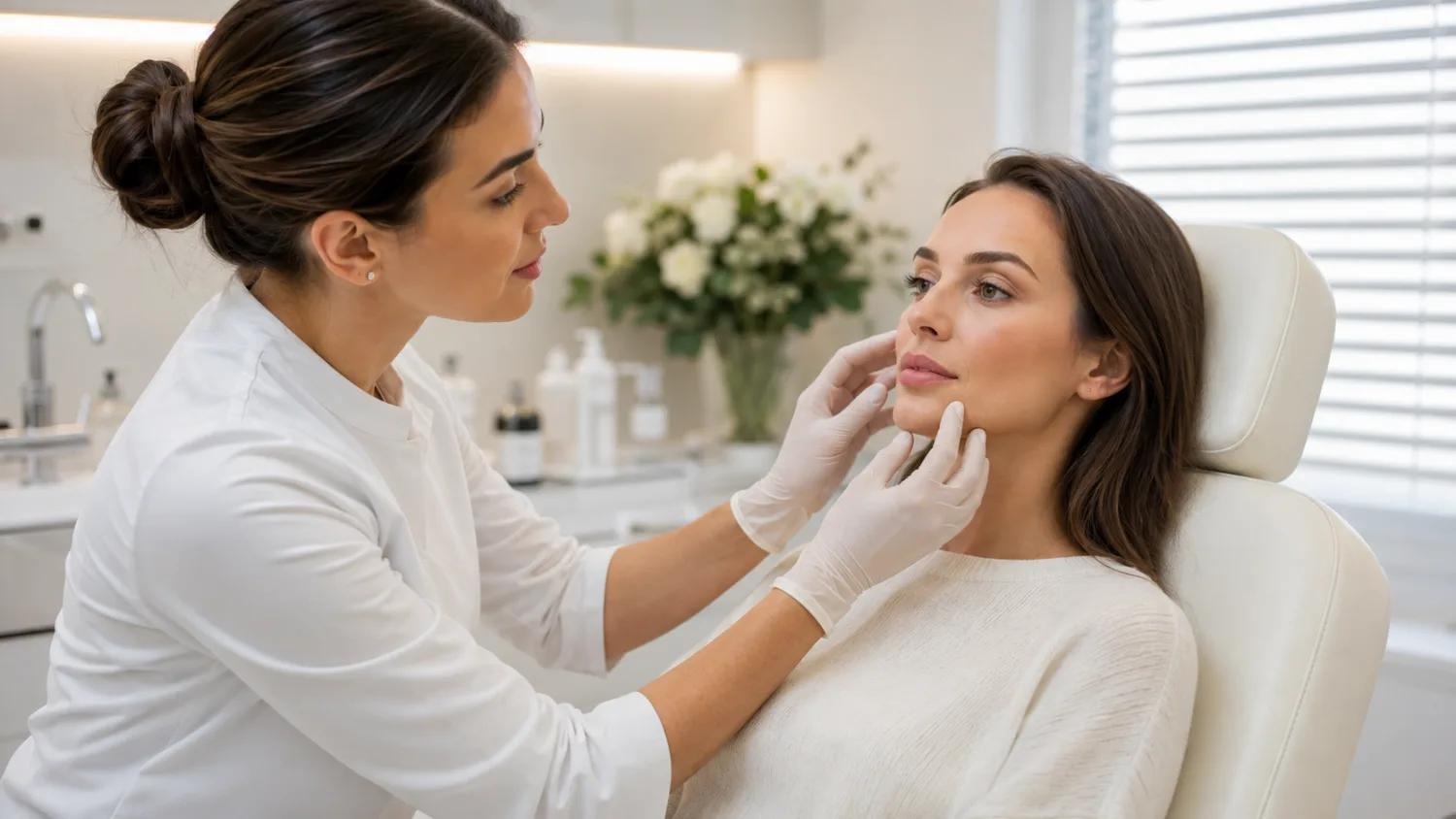
Your skin is more than just your appearance. It protects your body, reflects aspects of your overall health, and deserves professional attention when problems arise. Whether you’re dealing with stubborn acne, unexplained rashes, signs of aging, or changing moles, searching for a Dermatologist near me can be the first step toward healthier skin.
With so many dermatology clinics across the United States, choosing the right specialist can feel overwhelming. Some practices focus on medical conditions, while others specialize in cosmetic treatments such as Botox, laser therapy, and skin rejuvenation.
The key is finding a qualified dermatologist who understands your concerns and recommends treatments based on your individual needs.
In this guide, we’ll explain what dermatologists do, when you should schedule an appointment, which treatments are available, and how to choose a trusted skin specialist. We’ll also explore professional dermatology services available in New York City.
What Is a Dermatologist?

A dermatologist is a medical doctor who specializes in diagnosing and treating conditions affecting the skin, hair, and nails.
Dermatologists undergo extensive medical education and specialized training to understand both common and complex skin conditions.
They treat medical concerns such as acne, eczema, psoriasis, and skin cancer while also offering cosmetic procedures designed to improve the appearance of the skin.
Medical Dermatology vs. Cosmetic Dermatology
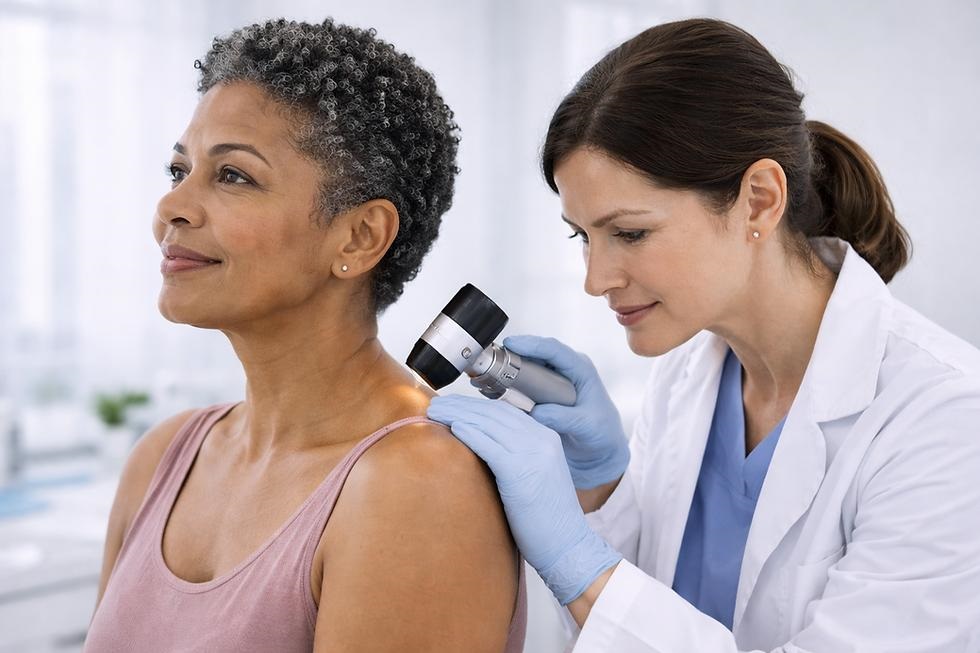
Understanding these two areas can help you choose the right provider.
Medical dermatology focuses on diagnosing and managing skin diseases, infections, inflammation, unusual growths, and other health-related concerns.
Cosmetic dermatology focuses on treatments that address concerns such as wrinkles, uneven skin tone, sun damage, texture, and certain types of scarring.
Many dermatologists provide both services, allowing patients to receive medical care and aesthetic consultations within the same practice.
When Should You Search for a Dermatologist Near Me?

Many people wait until a skin condition becomes uncomfortable before visiting a dermatologist. However, professional evaluation can be helpful before a concern becomes more difficult to manage.
Here are several common reasons to schedule an appointment.
1. Persistent Acne and Breakouts
Acne affects teenagers and adults and can develop for several reasons, including hormonal changes, clogged pores, inflammation, and increased oil production.
While over-the-counter products help some people, persistent or painful acne may require prescription treatment.
A dermatologist can assess your acne type and recommend appropriate medications, skincare products, or procedures.
The American Academy of Dermatology notes that even people without severe acne may benefit from professional dermatologic care.
American Academy of Dermatology
2. Unusual Moles or Skin Changes
A new mole or changing skin growth deserves attention.
Warning signs may include changes in size, shape, or color, irregular borders, bleeding, or a spot that looks noticeably different from others.
According to the American Academy of Dermatology, a growing, changing, or bleeding skin spot should be evaluated by a board-certified dermatologist.
American Academy of Dermatology
3. Eczema, Psoriasis, and Irritated Skin
Chronic itching, redness, scaling, and inflammation can interfere with everyday comfort.
Conditions such as eczema and psoriasis sometimes require long-term management.
A dermatologist can identify possible triggers and recommend suitable topical treatments, prescription medications, or other therapies.
4. Hair Loss and Scalp Problems
Hair thinning, excessive shedding, and scalp irritation may have several underlying causes.
Dermatologists can evaluate hair and scalp health, identify certain medical conditions, and recommend treatments when appropriate.
5. Wrinkles and Skin Aging Concerns
Fine lines, uneven texture, pigmentation, and loss of firmness are common reasons people visit cosmetic dermatologists.
An experienced specialist can explain available treatment options and help establish realistic expectations.
How to Choose the Best Dermatologist Near Me
Choosing a dermatologist should involve more than reading online reviews or comparing appointment prices.
The right specialist should have appropriate training, relevant experience, and a professional approach to patient care.
Check Board Certification
One of the first steps is confirming that the dermatologist is board-certified.
In the United States, certification from the American Board of Dermatology or American Osteopathic Board of Dermatology can help establish recognized professional qualifications.
The American Academy of Dermatology recommends checking credentials and identifying practitioners with appropriate specialist training.
American Academy of Dermatology
Look for Relevant Experience
Different dermatologists may have particular areas of interest.
If you have persistent acne, look for someone experienced in medical acne management.
For cosmetic concerns, consider a dermatologist who regularly performs the procedures you’re exploring.
When researching a cosmetic dermatologist near me, ask about the provider’s qualifications, treatment methods, possible side effects, and expected outcomes.
Review Patient Feedback Carefully
Online reviews can provide useful information about appointment experiences, communication, and clinic organization.
However, reviews alone cannot establish medical expertise or treatment safety.
Look for consistent feedback about professionalism, clear explanations, and respectful patient care.
Consider Location and Accessibility
Convenience matters, especially when a condition requires ongoing appointments.
Choose a clinic with reasonable travel arrangements, practical scheduling options, and clear communication about follow-up visits.
For patients in Manhattan, a dermatologist on the Upper East Side may be convenient for appointments before work, during the day, or after other activities.
Common Dermatology Treatments Available in the USA
Modern dermatology offers numerous treatments for medical and aesthetic concerns.
Your dermatologist will recommend options based on your diagnosis, goals, medical history, and skin characteristics.
Acne Treatment
Professional acne treatment may include prescription topical products, oral medications, hormonal therapies for suitable patients, or selected in-office procedures.
The treatment plan depends on acne severity, scarring risk, and individual medical considerations.
Skin Cancer Screening
A professional skin examination involves checking the skin for unusual lesions or suspicious changes.
Dermatologists may use a dermatoscope to examine certain spots more closely.
If a lesion appears concerning, a skin biopsy may be recommended to establish a diagnosis.
Prompt evaluation is particularly important for lesions that are changing, bleeding, or failing to heal.
Botox and Wrinkle-Relaxing Injections
Botulinum toxin injections are commonly used to temporarily reduce the appearance of certain expression lines.
Treatment areas may include forehead lines, crow’s feet, and frown lines.
Results and duration vary. Potential risks include bruising, unwanted muscle effects, and other complications, making provider qualifications important.
Laser Skin Treatments
Dermatologists use different laser technologies to address selected concerns, including visible blood vessels, pigmentation, scars, and certain signs of photoaging.
Not every laser is appropriate for every skin tone or condition.
An experienced provider should evaluate pigmentation risks, recovery requirements, and treatment limitations.
Chemical Peels and Skin Rejuvenation
Chemical peels use controlled exfoliation to improve certain types of uneven texture, discoloration, and superficial skin changes.
Peel strength and recovery time vary.
Professional guidance is especially important for people with sensitive skin or a history of post-inflammatory hyperpigmentation.
Why Personalized Dermatology Care Matters
No two patients have exactly the same skin.
Age, genetics, hormonal changes, medical conditions, environmental exposure, skin tone, and lifestyle can influence how skin responds to treatment.
A product that works well for one person might irritate another person’s skin.
Personalized dermatology begins with understanding these differences.
Understanding Your Skin Type
A dermatologist can assess whether your skin is oily, dry, sensitive, combination, or affected by a specific medical condition.
This assessment helps guide cleanser, moisturizer, sunscreen, and medication recommendations.
Creating a Practical Skincare Routine
An effective routine doesn’t necessarily require expensive products or numerous steps.
For many people, gentle cleansing, suitable moisturizing, and consistent sun protection provide a useful foundation.
Additional products may be recommended when addressing conditions such as acne, rosacea, or hyperpigmentation.
Treatment should be adjusted if irritation develops or the skin fails to respond as expected.
Dermatologist Near Me in NYC: Explore Expert Care
New York City has a wide range of dermatology practices offering medical and cosmetic services.
For people in Manhattan, selecting a specialist with appropriate credentials and relevant experience is particularly important.
One established option is Day Dermatology & Aesthetics, located on the Upper East Side.
Meet Dr. Doris Day, Board-Certified Dermatologist
Dr. Doris Day is the founder of Day Dermatology & Aesthetics in Manhattan.
Dr. Day is a board-certified dermatologist with experience in cosmetic, laser, surgical, and aesthetic dermatology.
She is also a Clinical Professor of Dermatology at NYU Grossman School of Medicine, bringing a combination of clinical practice and medical education to her work.
Doris Day MD
+1
Dermatology Services at Day Dermatology & Aesthetics
The practice provides consultations for medical skin concerns and offers a range of aesthetic treatments.
Its website identifies services relating to acne, rosacea, eczema, psoriasis, skin examinations, hair loss, melasma, and age-related skin changes.
Cosmetic services include options involving injectables, lasers, and skin rejuvenation.
Dr. Doris Day, MD
+1
Patients can discuss suitable options during an individualized consultation.
Location and Appointment Information
Day Dermatology & Aesthetics
10 East 70th Street, Suite 1C, New York, NY 10021
(212) 772-0740
Practice location and contact information verified against the official website.
Doris Day MD
The office is located between Fifth and Madison Avenues, near Central Park and The Frick Collection.
What to Expect During Your First Dermatology Appointment
If you’ve never visited a skin specialist, knowing what to expect can make your appointment more comfortable.
Initial Medical Consultation
The dermatologist will usually ask about your skin concerns, medical history, medications, allergies, and previous treatments.
Be prepared to explain when your symptoms began and whether anything makes them better or worse.
Professional Skin Examination
Depending on your concern, the dermatologist may examine your face, scalp, nails, or other affected areas.
For a full-body skin examination, you may be asked to change into a medical gown.
Your dermatologist may recommend additional testing or a biopsy if necessary.
Personalized Treatment Recommendations
After evaluating your condition, the dermatologist can explain the possible diagnosis and discuss appropriate treatment options.
You should have an opportunity to ask about benefits, risks, costs, expected timelines, and follow-up care.
How Much Does a Dermatologist Visit Cost?
Dermatology appointment costs vary across the United States.
Pricing depends on geographic location, insurance coverage, the type of consultation, and whether additional procedures are necessary.
Medical visits may qualify for insurance coverage depending on the patient’s plan and the reason for treatment.
Cosmetic procedures are generally paid for out of pocket.
Before booking, ask whether the practice accepts your insurance, whether a referral is required, and what charges may apply.
Your insurer is the best source for confirming specific coverage details.
American Academy of Dermatology
Tips for Maintaining Healthy Skin Between Appointments
Professional dermatology care works best alongside consistent everyday habits.
Protect Your Skin From Sun Exposure
Choose a broad-spectrum sunscreen with SPF 30 or higher and use it as directed.
Protective clothing, shade, and avoiding tanning beds can also help reduce ultraviolet exposure.
Avoid Overusing Skincare Products
Using multiple strong exfoliants, acids, or active ingredients can irritate the skin.
Introduce new products carefully and seek professional advice if persistent irritation develops.
Pay Attention to Changing Skin
Become familiar with the usual appearance of your skin.
If you notice a new, changing, or bleeding spot, arrange a professional evaluation rather than waiting for your next routine appointment.
Follow Your Dermatologist’s Treatment Plan
Many treatments require consistent use and time before meaningful improvement becomes visible.
Attend recommended follow-up appointments and discuss side effects instead of changing prescription treatments without medical guidance.
Frequently Asked Questions About Finding a Dermatologist Near Me
1. How do I find a good dermatologist near me?
Start by checking board certification, relevant experience, patient feedback, clinic location, and insurance compatibility. The American Academy of Dermatology also provides an online dermatologist directory.
2. Do I need a referral to see a dermatologist?
It depends on your health insurance plan. Some plans allow direct specialist appointments, while others require a referral from a primary care provider.
3. How often should I visit a dermatologist?
The appropriate frequency varies according to your medical history, skin concerns, and risk factors. Your dermatologist can recommend a personalized schedule.
4. Can a dermatologist help with adult acne?
Yes. Dermatologists treat acne in teenagers and adults using individualized approaches that may include topical medication, oral prescriptions, and selected procedures.
5. What is the difference between a dermatologist and an esthetician?
A dermatologist is a medical doctor trained to diagnose and treat skin diseases. An esthetician generally provides nonmedical skincare services and cannot perform the full range of medical dermatology procedures.
6. Can dermatologists treat dark spots and hyperpigmentation?
Yes. Dermatologists can evaluate pigmentation concerns and may recommend topical therapies, sun protection, chemical peels, or selected laser treatments depending on the underlying cause.
7. Are cosmetic dermatology treatments safe?
All medical and cosmetic procedures carry some risk. Appropriate practitioner training, patient assessment, suitable treatment selection, and informed consent help reduce avoidable complications.
8. Where can I find a dermatologist on the Upper East Side?
Day Dermatology & Aesthetics is located at 10 East 70th Street, Suite 1C, Manhattan. Patients can contact the practice to discuss appointments and available dermatology services.
Conclusion: Find the Right Dermatologist for Healthier Skin
Searching for a Dermatologist near me is an important step toward getting professional help for your skin, hair, and nail concerns.
Whether you need acne treatment, evaluation of an unusual mole, help with chronic irritation, or advice about cosmetic procedures, choosing a qualified specialist makes a meaningful difference.
Prioritize board certification, relevant clinical experience, personalized recommendations, and clear communication when selecting a dermatologist.
For patients seeking professional dermatology care in New York City, Dr. Doris Day at Day Dermatology & Aesthetics offers medical and cosmetic dermatology consultations on Manhattan’s Upper East Side.
Take the next step toward healthier skin. Visit the practice website or contact the office to learn more about available services and schedule a consultation.
Medical Disclaimer: This article is for educational purposes only and should not replace diagnosis, treatment, or individualized advice from a qualified healthcare professional.

Written by Twastia Editorial Team
Twastia Editorial Team shares practical insights about website design, SEO services, Google Ads, content marketing, social media, conversion rate optimization, and digital marketing strategy.
Last updated: Oct 11, 2026
Related posts from Twastia
Explore more useful articles from twastia.com about digital marketing, SEO, websites, ads, content, and growth strategy.