Emergency Plumbing Services: A Complete Homeowner’s Guide
A plumbing emergency can happen when you least expect it. A burst pipe, overflowing toilet, leaking water heater, or blocked […]
A plumbing emergency can happen when you least expect it. A burst pipe, overflowing toilet, leaking water heater, or blocked sewer line can disrupt your routine and potentially cause serious property damage. When water spreads across floors or sewage backs up into your home, knowing what to do next becomes essential.
Professional emergency plumbing services help homeowners and businesses respond to urgent plumbing problems before they become more expensive. From locating hidden leaks to repairing damaged pipes, experienced plumbers provide specialized equipment and practical solutions when time matters.
For homeowners across the United States, understanding common plumbing emergencies, immediate safety steps, and professional repair options can make unexpected situations easier to manage.
This guide explains when to call an emergency plumber, what services professionals provide, how much emergency repairs may cost, and how preventive maintenance can reduce future problems.
What Are Emergency Plumbing Services?
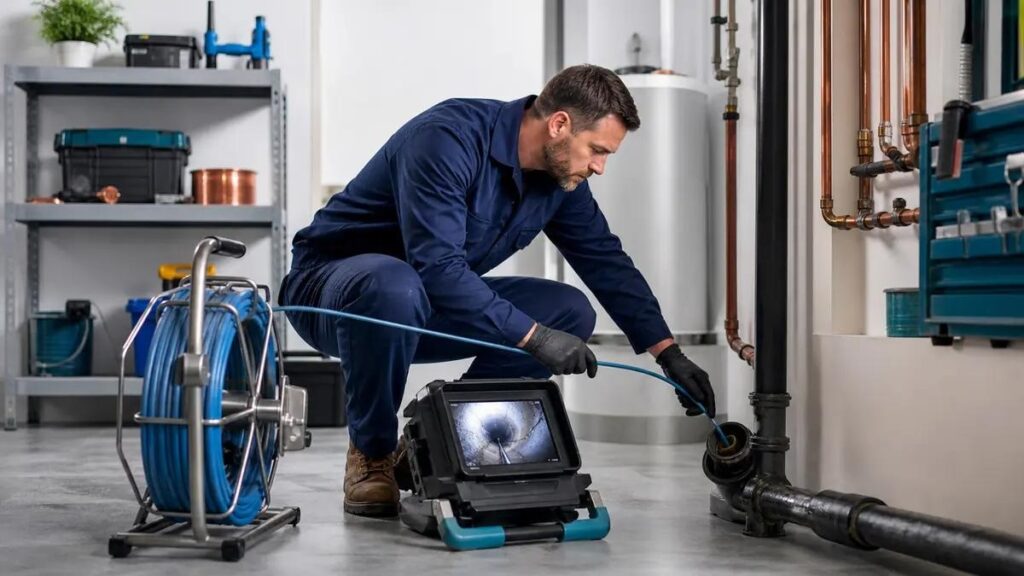
Emergency plumbing services provide urgent assistance for plumbing problems that threaten property, sanitation, safety, or essential water access.
Unlike routine appointments, emergency plumbing calls address situations that need attention outside normal scheduling.
Typical emergencies include burst water pipes, severe leaks, sewer backups, major drain blockages, and overflowing fixtures.
Many professional plumbing companies offer assistance during evenings, weekends, and holidays.
For example, emergency plumbing services from Roto-Rooter include support for urgent pipe leaks, sewer blockages, water heater problems, sump pump failures, and related water damage concerns.
The company advertises 24-hour emergency plumbing availability, although specific services and scheduling conditions may vary by location.
When Should You Call an Emergency Plumber?
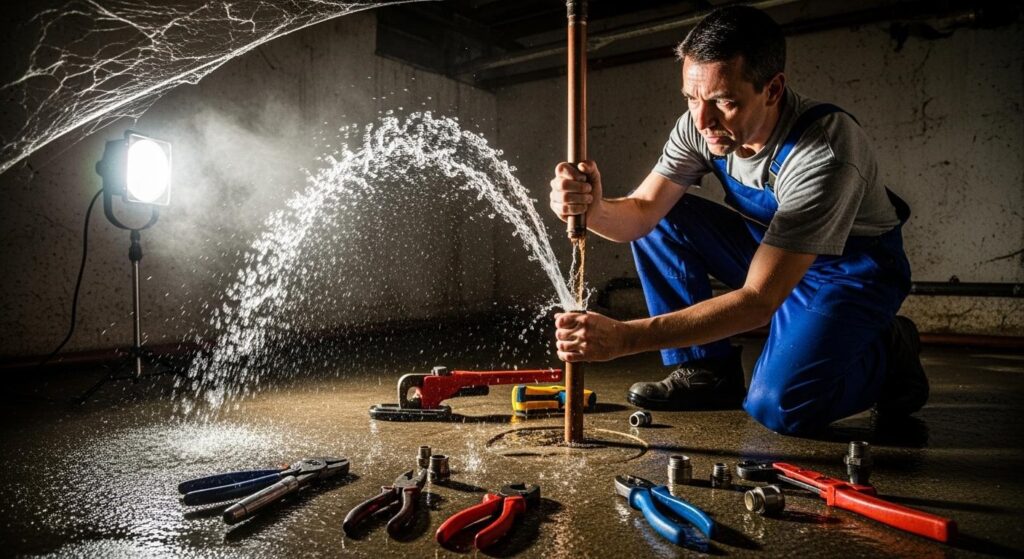
Not every plumbing problem requires an immediate service call.
A slowly dripping faucet may be suitable for a scheduled appointment, while a pipe spraying water into your living room requires urgent action.
Burst or Broken Water Pipes
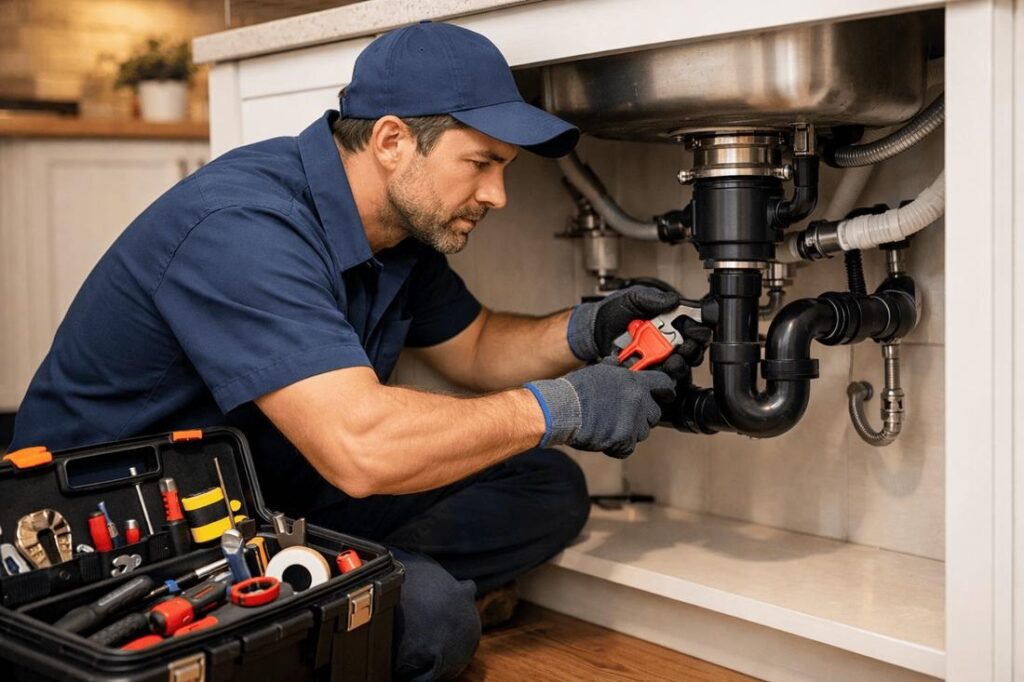
A burst pipe can release substantial amounts of water and damage drywall, flooring, insulation, and belongings.
This problem can occur because of freezing temperatures, pipe deterioration, excessive pressure, or physical damage.
If a pipe bursts, shut off the main water supply when safe and contact a professional plumber.
Avoid attempting repairs involving damaged structural areas or electrical hazards.
Severe Water Leaks
Water stains, damp walls, unexplained puddles, and unusually high water bills may indicate hidden plumbing leaks.
Some leaks develop slowly, while others spread quickly.
If water is actively entering walls, ceilings, or electrical areas, urgent professional attention may be necessary.
Sewage Backups
Sewage entering sinks, bathtubs, toilets, or basement drains is a serious sanitation concern.
Wastewater can contain harmful microorganisms and other contaminants.
Stop using affected plumbing fixtures, keep people and pets away from contaminated areas, and contact a qualified professional.
The U.S. Environmental Protection Agency recommends avoiding direct contact with sewage because of potential health hazards.
Overflowing Toilets
An overflowing toilet may result from a blockage, malfunctioning tank mechanism, or sewer line problem.
If water continues flowing, close the toilet’s supply valve when accessible.
Do not repeatedly flush a blocked toilet, as this may worsen the overflow.
Call an emergency plumber if wastewater cannot be contained or multiple fixtures are affected.
Water Heater Problems
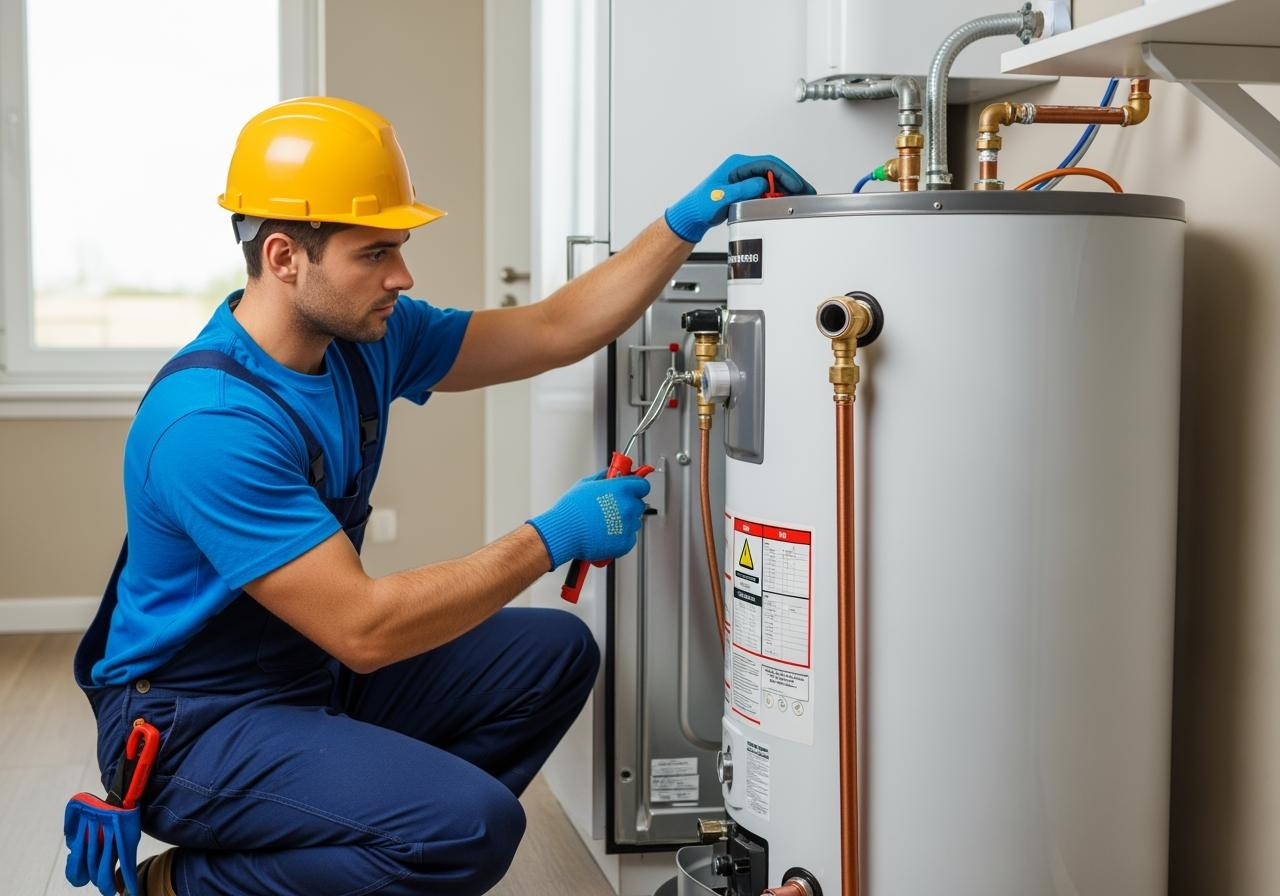
A leaking water heater may cause flooding and property damage.
Warning signs include water collecting around the tank, unusual noises, corrosion, and visible leaks.
A complete loss of hot water may also require prompt service for households with essential needs.
For significant leaks, follow the manufacturer’s shutdown instructions if safe, and contact a plumber. Gas-related hazards require additional precautions.
What to Do During a Plumbing Emergency
Knowing a few basic steps can reduce damage while professional assistance is arranged.
Step 1: Shut Off the Water Supply
If a supply pipe or fixture is leaking, locate the nearest appropriate shutoff valve.
For a major uncontrolled leak, use the main water shutoff when it is safe and accessible.
Main valves may be located in basements, utility rooms, garages, or near water meters.
Every household should identify its shutoff valve before an emergency occurs.
Step 2: Check for Electrical and Gas Hazards
Water and electricity create dangerous conditions.
Do not touch electrical equipment, breakers, or outlets while standing in water.
If you cannot safely reach an electrical panel, contact qualified emergency personnel.
If you smell natural gas, leave the building immediately without operating switches or creating sparks. Contact your gas utility’s emergency line or 911 from a safe location.
Step 3: Prevent Additional Water Damage
If conditions are safe, move electronics, documents, furniture, and valuable belongings away from wet areas.
Use towels to contain small amounts of clean water.
Do not use ordinary electrical equipment in flooded spaces or attempt to clean sewage without appropriate precautions.
Step 4: Contact a Professional
Explain the problem clearly when calling.
Mention visible flooding, sewage, affected rooms, and whether the water supply has been shut off.
Accurate information helps the service provider determine the appropriate response.
Common Types of Emergency Plumbing Repairs
Emergency Drain Cleaning
Severely blocked drains can prevent sinks, toilets, and other plumbing fixtures from operating properly.
Professional plumbers may use drain-cleaning equipment to remove buildup and restore wastewater flow.
Recurring blockages may indicate deeper sewer line problems that require further investigation.
Sewer Line Inspection and Repair
Sewer pipes can develop obstructions from tree roots, accumulated debris, deterioration, or damaged connections.
Professional inspection tools, including specialized cameras, may help locate the underlying problem.
Depending on the diagnosis, repairs could involve mechanical cleaning, hydro jetting, pipe lining, or replacement.
Water Leak Detection
Hidden leaks behind walls or beneath floors are difficult to identify without suitable equipment.
Plumbers may use moisture measurements, pressure testing, or electronic leak detection methods.
Accurately locating the source can help avoid unnecessary demolition and repeated repairs.
Sump Pump Repair
Sump pumps help remove collected groundwater from certain basements and crawl spaces.
A pump failure during heavy rainfall can contribute to flooding.
Emergency service may involve diagnosing electrical or mechanical problems, clearing discharge lines, or replacing the pump.
Emergency Pipe Replacement
A severely corroded or broken pipe may require partial replacement rather than temporary sealing.
The plumber should assess the pipe material, accessibility, surrounding damage, and condition of nearby connections before recommending a repair.
Why Hire Professional Emergency Plumbing Services?
Accurate Diagnosis
An overflowing drain does not always mean the blockage is directly beneath the fixture.
Professional plumbers can investigate the system and identify the actual cause.
This reduces the likelihood of repeatedly treating symptoms while the underlying problem remains unresolved.
Appropriate Tools and Equipment
Professional technicians may use specialized drain machines, inspection cameras, testing equipment, and repair tools.
Such equipment helps address problems that ordinary household tools cannot safely resolve.
Reduced Risk of Further Damage
Attempting complicated plumbing repairs without proper training can worsen leaks or damage connected systems.
Qualified professionals understand repair methods, safety precautions, and applicable plumbing requirements.
Support for Long-Term Solutions
Emergency service should do more than temporarily stop visible water.
A thorough repair may include identifying deteriorated components, checking nearby connections, and recommending maintenance to prevent recurrence.
How Much Do Emergency Plumbing Services Cost?
Emergency plumbing prices vary considerably throughout the United States.
The final amount depends on the type of problem, property location, repair complexity, required materials, and time of service.
Factors That Affect Pricing
A simple accessible repair usually involves different labor and equipment requirements than replacing a buried sewer line.
After-hours availability, travel distance, specialized diagnostics, and water damage cleanup can also influence costs.
Some companies charge separate dispatch or diagnostic fees, while others provide onsite estimates.
For example, Roto-Rooter advertises free onsite estimates and no additional plumbing or drain-service charges solely because an appointment occurs during nights, weekends, or holidays. Policies and service details may differ by location.
Request a Clear Written Estimate
Before approving substantial repairs, ask for a breakdown of labor, materials, equipment, and additional fees.
Confirm whether the proposed solution is temporary or permanent.
For complex repairs, request an explanation of alternatives and any applicable workmanship warranty.
When immediate safety permits, comparing estimates can help homeowners make informed decisions.
How to Choose a Reliable Emergency Plumber
A dependable emergency plumber should communicate clearly and explain the proposed work before proceeding.
Verify Licensing and Insurance
Plumbing licensing requirements vary by state and local jurisdiction.
Check relevant credentials through your state or local licensing authority.
Ask the company about liability insurance and other coverage appropriate to the work.
Evaluate Emergency Availability
A company advertising 24-hour availability may have different response arrangements across service areas.
Ask whether technicians are currently available, whether your location is covered, and what arrival window is expected.
Avoid assuming that emergency availability guarantees immediate arrival.
Check Customer Reviews
Look for feedback discussing responsiveness, professionalism, communication, and repair quality.
Read detailed reviews rather than relying only on average ratings.
Understand Payment Terms
A professional provider should explain expected charges and accepted payment methods.
For extensive repairs, request written documentation before authorizing work.
The Federal Trade Commission recommends checking contractor credentials, reviewing estimates, and avoiding suspicious demands for upfront payments.
Emergency Plumbing for Businesses and Commercial Properties
Commercial plumbing emergencies can disrupt employees, customers, and daily operations.
Restaurants, hotels, retail stores, offices, and healthcare facilities often depend on reliable water and drainage systems.
A severe blockage or major leak may force temporary closure until the issue is resolved.
Commercial emergency plumbers may provide sewer cleaning, leak repairs, fixture maintenance, and other services appropriate to business properties.
Facility managers should maintain updated emergency contacts, identify important shutoff valves, and establish response procedures for staff.
For larger buildings, emergency planning should also include communication with tenants and maintenance contractors.
How to Prevent Common Plumbing Emergencies
Although not every problem is preventable, regular maintenance can reduce avoidable failures.
Inspect Exposed Plumbing
Check visible pipes, valves, hoses, and appliance connections for corrosion, moisture, and deterioration.
Replace worn components before they fail.
Keep Drains Clear
Avoid pouring cooking grease into sinks.
Use drain strainers to catch hair and food debris.
Flush only toilet paper and human waste; wipes and other products can create blockages even when labeled flushable.
Protect Pipes During Winter
In colder U.S. regions, exposed plumbing may freeze during severe winter weather.
Insulate vulnerable pipes and follow local guidance for protecting plumbing during freezing conditions.
Never use an open flame to thaw frozen pipes.
Monitor Water Consumption
Unexpected increases in water use can indicate hidden leaks.
The EPA’s WaterSense program reports that average household leaks can waste thousands of gallons annually.
Check water bills, inspect fixtures, and consider leak detection devices when appropriate.
Maintain Water Heaters and Sump Pumps
Follow manufacturer recommendations for inspections and servicing.
Test sump pumps before periods of heavy rainfall and arrange professional repairs when performance becomes unreliable.
What Happens After an Emergency Plumbing Repair?
Stopping the leak is often only the first part of restoring a property.
Affected floors, insulation, walls, and furnishings may require drying or replacement.
The EPA recommends drying wet materials as quickly as possible because prolonged moisture can encourage mold growth.
Professional water damage restoration may be necessary when flooding is extensive or contaminated wastewater is involved.
Document visible damage with photographs and preserve invoices for potential insurance claims.
Review your homeowners insurance policy carefully, since coverage depends on the cause of damage and individual policy terms.
Frequently Asked Questions About Emergency Plumbing Services
1. What Qualifies as a Plumbing Emergency?
A plumbing emergency involves an urgent problem that threatens property, sanitation, safety, or essential water access.
Examples include burst pipes, uncontrolled leaks, sewer backups, and major flooding.
2. Are Emergency Plumbers Available 24 Hours a Day?
Many plumbing companies advertise 24-hour emergency assistance, including weekends and holidays.
Availability depends on the provider and service location.
Confirm current scheduling and expected response times directly.
3. What Should I Do If a Pipe Bursts at Night?
Turn off the main water supply if safe, avoid electrical hazards, and contact an emergency plumber.
Move valuables away from affected areas without entering dangerous conditions.
4. Can Emergency Plumbers Fix Sewer Backups?
Yes. Qualified emergency plumbers can diagnose many sewer blockages and repair drainage problems.
Professional cleanup may also be needed if sewage has contaminated the property.
5. Is a Clogged Drain Always an Emergency?
No. A slow-draining sink may be suitable for a scheduled appointment.
However, multiple blocked drains, overflowing wastewater, or sewage entering the home generally require urgent attention.
6. How Quickly Can an Emergency Plumber Arrive?
Response times depend on technician availability, location, traffic, weather, and the severity of other service calls.
Ask for an estimated arrival window rather than assuming a guaranteed response time.
7. Does Homeowners Insurance Cover Emergency Plumbing Damage?
Some policies cover certain sudden and accidental water damage, but exclusions and limits apply.
The cost of repairing the failed pipe itself may be treated differently from resulting property damage.
Contact your insurer to verify coverage.
8. How Can I Avoid Future Plumbing Emergencies?
Inspect plumbing regularly, repair minor leaks promptly, maintain water heaters, keep drains clear, and protect vulnerable pipes during freezing weather.
Preventive maintenance helps identify problems before they become severe.
Conclusion: Protect Your Home With Reliable Emergency Plumbing Services
Unexpected plumbing problems can create stressful situations, but preparation makes them easier to handle.
Knowing where your water shutoff valve is located, recognizing warning signs, and contacting qualified professionals can help limit property damage.
Professional emergency plumbing services provide essential support for burst pipes, major leaks, sewer backups, and other urgent plumbing concerns.
Before choosing a provider, verify credentials, understand pricing, and confirm service availability in your area.
Combine professional repairs with regular maintenance to protect your plumbing system, conserve water, and reduce the likelihood of costly future emergencies.
A little preparation today can make a significant difference when the next plumbing emergency occurs.

Written by Twastia Editorial Team
Twastia Editorial Team shares practical insights about website design, SEO services, Google Ads, content marketing, social media, conversion rate optimization, and digital marketing strategy.
Last updated: Oct 13, 2026
Related posts from Twastia
Explore more useful articles from twastia.com about digital marketing, SEO, websites, ads, content, and growth strategy.