Furniture Removalists: Complete Guide to Stress-Free Moving in 2026
Moving to a new home or office can be exciting, but transporting furniture is often one of the most challenging […]
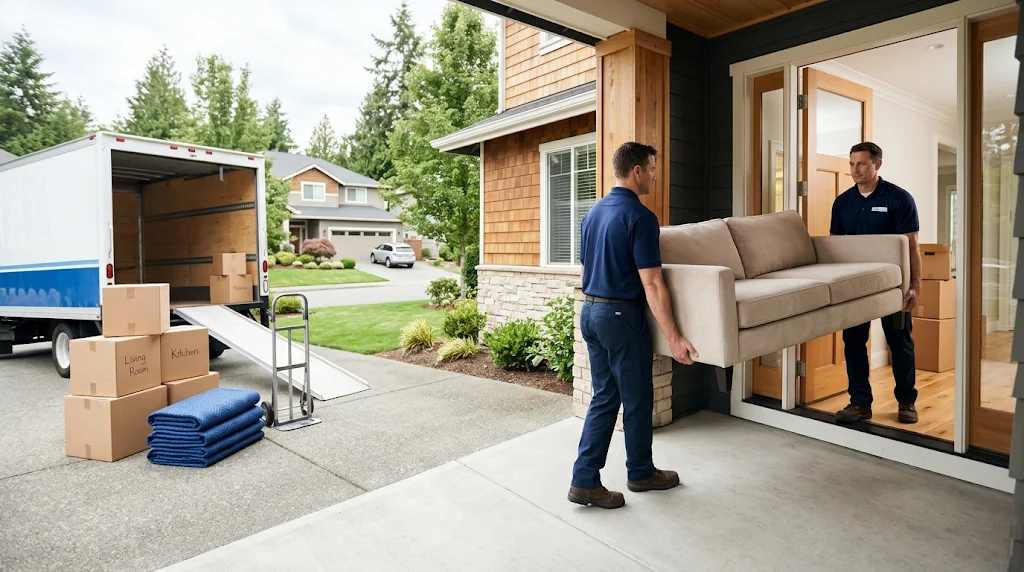
Moving to a new home or office can be exciting, but transporting furniture is often one of the most challenging parts of relocation. Heavy sofas, delicate tables, large wardrobes, and expensive appliances require careful handling to prevent damage and unnecessary stress.
Whether you are relocating across town or moving to another state, professional furniture removalists can make the process more organized, efficient, and manageable.
In the United States, these professionals are commonly called furniture movers or moving companies. They help individuals and businesses pack, load, transport, and unload furniture using appropriate equipment and handling techniques.
However, choosing the right moving service involves more than finding someone with a truck. Experience, transparent pricing, proper registration, and careful planning are equally important.
This guide explains what furniture removalists do, their benefits, common moving costs, and practical tips for choosing reliable professionals in 2026.
What Are Furniture Removalists?
Furniture removalists are professionals who specialize in moving furniture and household belongings between different locations.
The term is particularly common in countries such as Australia, while Americans generally use terms like furniture movers or professional moving companies.
Their responsibilities typically include preparing furniture for transportation, lifting heavy items, loading moving vehicles, and arranging belongings at the destination.
Depending on the provider, services may include:
- Residential and apartment furniture moving
- Office furniture relocation
- Furniture disassembly and reassembly
- Packing and protective wrapping
- Loading and unloading moving trucks
- Local and long-distance transportation
- Temporary furniture storage arrangements
Professional movers use equipment such as furniture dollies, moving straps, protective blankets, and suitable transportation vehicles.
These tools help reduce handling difficulties and protect belongings during relocation.
Why Hiring Professional Furniture Removalists Is Worth Considering
Moving furniture without professional assistance can create physical, financial, and logistical challenges.
Hiring experienced movers offers several practical advantages.
1. Reduced Risk of Furniture Damage
Furniture can suffer scratches, dents, broken fittings, or structural damage when handled incorrectly.
Professional movers understand how to protect delicate surfaces, secure items inside vehicles, and maneuver large furniture through narrow spaces.
Although no moving service can eliminate every risk, appropriate handling procedures can significantly reduce avoidable problems.
2. Time-Saving Moving Services
Moving involves numerous responsibilities, including packing, organizing transportation, updating addresses, and preparing the new property.
Professional furniture moving services can handle physically demanding tasks while you focus on other relocation requirements.
This support becomes especially valuable when moving an entire household.
3. Suitable Moving Equipment
Large furniture may require specialized lifting tools and transportation equipment.
Professional teams commonly use moving blankets, straps, dollies, and protective materials to manage heavy or awkward belongings.
Having suitable equipment can make the process more efficient.
4. Less Physical Strain
Lifting heavy furniture without proper training increases the possibility of injuries.
Professional assistance reduces the need for homeowners to move oversized items themselves.
This can be particularly beneficial for older adults, families, and individuals with mobility limitations.
Different Types of Furniture Moving Services
Not every relocation requires the same services.
Understanding the available options helps homeowners select appropriate assistance.
Local Furniture Moving
Local moving services generally involve relocating within the same city or surrounding area.
These moves may include transporting furniture between apartments, houses, or nearby office locations.
Local movers often charge according to labor time, crew size, and additional services.
Long-Distance Furniture Moving
Long-distance relocation involves transporting belongings across greater distances, sometimes between states.
These moves require additional coordination, careful scheduling, and transportation planning.
For interstate household moves, companies must meet applicable federal registration requirements. FMCSA
Residential Furniture Removal
Residential moving services help households relocate furniture and personal belongings.
Movers may handle bedroom sets, dining tables, sofas, cabinets, and other household items.
Full-service arrangements can also include packing and unpacking.
Office Furniture Relocation
Businesses often require moving services when changing offices or expanding into new commercial spaces.
Office relocation can involve desks, chairs, conference tables, storage cabinets, and workstation equipment.
Proper scheduling helps minimize interruptions to business operations.
Single-Item Furniture Moving
Some customers only need assistance transporting one or two large items.
For example, moving a heavy sectional sofa or dining table may require professional help without booking a complete household relocation.
How Much Do Furniture Removalists Cost in the USA?
Furniture moving costs vary depending on the size, distance, complexity, and requirements of the relocation.
Rather than relying on advertised starting prices, request a detailed written estimate tailored to your belongings.
Factors That Influence Moving Costs
Several considerations affect the final price:
- Moving distance: Longer journeys generally increase transportation expenses.
- Furniture quantity: Larger shipments may require additional labor and vehicle capacity.
- Accessibility: Stairs, elevators, narrow entrances, and difficult parking can complicate moving.
- Packing requirements: Additional packing materials and services increase costs.
- Moving schedule: Demand and availability may influence pricing.
- Special handling: Antiques, oversized furniture, and fragile items may require extra precautions.
Understanding Moving Estimates
Some companies provide binding estimates, while others offer nonbinding estimates.
A binding estimate generally establishes an agreed price for the listed shipment and services, subject to applicable conditions.
A nonbinding estimate is an approximation, meaning the final transportation cost may differ.
The Federal Motor Carrier Safety Administration recommends comparing written estimates and understanding their terms before selecting an interstate mover. FMCSA
How to Choose Reliable Furniture Removalists
Selecting a trustworthy moving company is essential for protecting your belongings and managing expenses.
Check Registration and Credentials
For interstate moves within the United States, verify the company’s registration through the Federal Motor Carrier Safety Administration.
Interstate household goods movers must have appropriate federal registration and a USDOT number.
For moves entirely within one state, licensing requirements vary by jurisdiction.
Review Customer Feedback
Customer reviews can reveal useful information about punctuality, communication, furniture handling, and service quality.
Look for consistent feedback rather than relying exclusively on individual positive or negative experiences.
Compare Written Quotes
Contact several moving companies and request detailed estimates.
Compare the services included, potential additional charges, payment conditions, and cancellation policies.
A suspiciously low estimate should encourage further investigation.
Understand Liability Protection
Ask how the company handles damaged or missing belongings.
For interstate moves, federal rules provide different valuation protection options, including Full Value Protection and Released Value Protection. FMCSA
Understand these options before signing an agreement.
How to Prepare Furniture Before Moving Day
Proper preparation makes moving easier and can reduce avoidable delays.
Step 1: Create a Furniture Inventory
List the furniture you intend to relocate.
Include approximate dimensions, condition, and any special handling requirements.
An inventory helps movers estimate equipment needs and provides a useful reference during delivery.
Step 2: Declutter Unnecessary Items
Moving presents an opportunity to evaluate belongings you no longer need.
Consider donating, selling, or responsibly recycling unwanted furniture.
Reducing the shipment can simplify packing and potentially lower transportation expenses.
Step 3: Protect Delicate Furniture
Remove loose accessories, secure drawers, and protect fragile surfaces.
Use appropriate wrapping materials for glass, polished wood, and delicate finishes.
Ask professionals whether they prefer to handle specific protective preparations themselves.
Step 4: Prepare the Property
Clear walkways, measure doorways, and identify obstacles that could complicate furniture movement.
Confirm parking arrangements and building access requirements.
If necessary, reserve elevators or obtain permission from property management.
Common Furniture Moving Mistakes to Avoid
Even well-planned relocations can encounter preventable difficulties.
One common mistake is underestimating furniture dimensions. Large items may not fit through narrow entrances or staircases.
Another issue is forgetting to discuss additional services before booking.
Customers should also avoid selecting a moving company without reviewing its credentials or written agreement.
The Federal Trade Commission warns against companies demanding large advance deposits, requiring signatures on incomplete documents, or refusing to provide clear estimates. Consumer Advice
Taking time to verify important details can prevent unnecessary complications.
Furniture Moving Trends in 2026
The moving industry continues to adopt technology that improves communication and operational planning.
Some companies offer online estimates, digital booking systems, shipment updates, and electronic documentation.
Virtual property assessments can help providers understand the volume and characteristics of furniture before preparing estimates.
Reusable packing materials and route planning may also help businesses reduce waste and unnecessary transportation.
However, service availability differs between providers.
Customers should confirm which features are actually included before booking.
Frequently Asked Questions About Furniture Removalists
What do furniture removalists do?
Furniture removalists transport furniture between residential or commercial locations. Depending on their services, they may also pack, wrap, disassemble, reassemble, load, and unload furniture.
Is hiring professional furniture movers worth it?
Professional movers can be valuable when transporting heavy, expensive, or delicate furniture. They provide equipment, handling experience, and transportation support that may reduce physical strain and moving difficulties.
How far in advance should I book furniture movers?
Booking several weeks ahead is often practical, especially during busy moving periods. Larger or interstate relocations may require additional planning.
Do furniture movers disassemble and reassemble furniture?
Many moving companies offer furniture disassembly and reassembly, but availability and charges vary. Confirm these services when requesting a quote.
How can I find affordable furniture removalists?
Compare written estimates from several providers, reduce unnecessary belongings, consider flexible moving dates, and confirm all potential charges before booking.
Are furniture moving companies responsible for damaged items?
Liability depends on applicable regulations, contractual terms, and selected valuation protection. Review the company’s damage claims procedures before your move.
Conclusion
Hiring professional furniture removalists can make residential and commercial relocation more manageable.
From protecting valuable belongings to handling heavy furniture and coordinating transportation, experienced movers provide practical assistance throughout the moving process.
However, a successful relocation depends on careful preparation and choosing a trustworthy service provider.
Compare written estimates, verify credentials, understand liability protection, and communicate your requirements before moving day.
Whether relocating across your neighborhood or moving to another state, thoughtful planning and reliable furniture moving services can help you enjoy a smoother transition into your new space.

Written by Twastia Editorial Team
Twastia Editorial Team shares practical insights about website design, SEO services, Google Ads, content marketing, social media, conversion rate optimization, and digital marketing strategy.
Last updated: Nov 14, 2026
Related posts from Twastia
Explore more useful articles from twastia.com about digital marketing, SEO, websites, ads, content, and growth strategy.