Gas Fireplaces: Benefits, Costs, Installation, and Home Heating Tips
A fireplace can transform an ordinary living room into a comfortable and inviting space. For many American homeowners, gas fireplaces […]
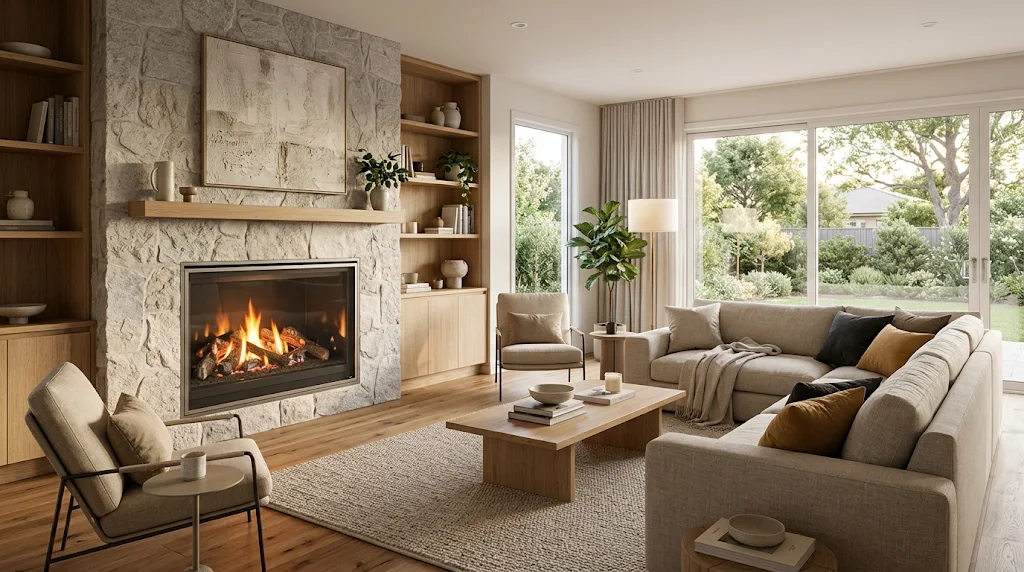
A fireplace can transform an ordinary living room into a comfortable and inviting space. For many American homeowners, gas fireplaces offer an attractive combination of warmth, convenience, and modern design without the everyday responsibilities associated with traditional wood-burning fireplaces.
Whether you are renovating your home, replacing an older fireplace, or exploring additional heating options, understanding how gas fireplaces work can help you make a confident decision.
Modern gas fireplaces come in various styles, sizes, and configurations. Some provide supplemental heating for frequently used rooms, while others focus primarily on decorative appeal.
If you are researching fireplace options, check this article to understand their advantages, installation requirements, maintenance needs, and important safety considerations.
This guide covers everything homeowners in the United States should know before choosing a residential gas fireplace.
What Is a Gas Fireplace?
A gas fireplace is a heating appliance that uses natural gas or propane to produce controlled flames and heat.
Unlike traditional wood-burning fireplaces, gas models do not require homeowners to purchase firewood, build fires manually, or regularly remove wood ash.
Many units feature realistic ceramic logs, decorative stones, or contemporary glass media that create an attractive flame display.
How Do Gas Fireplaces Work?
A gas fireplace delivers fuel through a controlled gas supply system to a burner.
When activated, the burner produces flames that generate heat within the appliance.
Depending on the model, homeowners may control the fireplace using a wall switch, remote control, thermostat, or compatible electronic system.
Some appliances include fans that help distribute warm air throughout the surrounding room.
However, heating performance depends on the fireplace design, installation, and manufacturer specifications.
Why Gas Fireplaces Are Popular in American Homes
Gas fireplaces have become appealing to homeowners who want comfortable living spaces with convenient heating controls.
Their ability to create an inviting atmosphere without storing firewood makes them suitable for many residential settings.
Convenience and Easy Operation
One significant advantage is simple operation.
Instead of preparing logs and lighting a traditional fire, users can activate many gas fireplaces through convenient controls.
Certain models also allow flame adjustments to match heating requirements and personal preferences.
Attractive Interior Design
Gas fireplaces are available in traditional and contemporary designs.
Homeowners can choose realistic log arrangements, sleek linear fireplaces, or minimalist installations that complement modern interiors.
A well-designed fireplace can become an attractive focal point in a living room, bedroom, or family gathering area.
Supplemental Home Heating
Many gas fireplaces provide supplemental warmth in frequently occupied spaces.
Depending on the appliance and home layout, this may improve comfort without requiring homeowners to heat additional rooms unnecessarily.
However, not every decorative fireplace is designed to provide substantial heating.
Different Types of Gas Fireplaces
Choosing the correct fireplace begins with understanding the main configurations available.
Each design has specific installation requirements, ventilation characteristics, and performance considerations.
Direct Vent Gas Fireplaces
Direct vent fireplaces use a sealed combustion system that draws combustion air from outside and directs exhaust gases outdoors.
These appliances are popular because they separate combustion from the indoor living environment.
They are available in different sizes and heating capacities.
Proper vent installation remains essential for safe operation.
Vent-Free Gas Fireplaces
Vent-free fireplaces operate without a conventional outdoor exhaust vent.
Because combustion products enter the indoor environment, these appliances require careful consideration of ventilation, indoor air quality, and applicable regulations.
Vent-free units are restricted or prohibited in certain jurisdictions.
Homeowners should verify local building codes and consult qualified professionals before considering this option.
Gas Fireplace Inserts
Gas fireplace inserts are designed for installation within compatible existing fireplace openings.
They can provide a practical alternative for homeowners who want to convert an older fireplace into a gas-operated system.
Installation requirements depend on the existing structure, venting arrangement, and selected appliance.
Freestanding Gas Stoves
Freestanding gas stoves provide another decorative and functional heating option.
Their distinctive appearance may complement rustic, traditional, or contemporary interiors.
Placement and clearance requirements must follow manufacturer instructions.
How Much Does a Gas Fireplace Cost?
Gas fireplace expenses vary depending on the appliance, installation complexity, fuel availability, and home design.
Some installations require relatively straightforward connections, while others involve significant structural or ventilation work.
Factors That Affect Installation Costs
The fireplace model and heating capacity influence equipment prices.
Additional expenses may include gas piping, venting components, electrical connections, permits, decorative finishing, and professional labor.
Converting an existing fireplace can involve different costs than constructing an entirely new installation.
Local contractor rates also vary across the United States.
For accurate budgeting, obtain detailed estimates from qualified installation professionals.
Ongoing Operating Expenses
Operating costs depend on fuel prices, appliance efficiency, heating output, and usage patterns.
Natural gas and propane prices can differ considerably between regions.
Homeowners should compare estimated fuel consumption with their local utility rates before making purchasing decisions.
Choosing an Energy-Efficient Gas Fireplace
Energy efficiency is an important consideration when selecting residential heating equipment.
An efficient fireplace converts a greater proportion of consumed fuel into useful heat under its rated operating conditions.
Understanding Fireplace Efficiency Ratings
Manufacturers may provide efficiency ratings and heating performance information for specific models.
These details help buyers compare appliances, although rating methods may differ between product categories.
Look at the complete specifications rather than relying only on promotional descriptions.
Match Heating Capacity to Room Size
An oversized heating appliance may create uncomfortable temperatures, while an undersized unit may struggle to provide adequate warmth.
Room dimensions, insulation, climate, ceiling height, and home layout all influence heating requirements.
A qualified professional can help determine an appropriate fireplace capacity.
Gas Fireplace Installation Requirements
Installing a gas fireplace involves fuel connections, combustion safety, ventilation, and compliance with applicable building regulations.
This work should be completed by appropriately qualified professionals.
Professional Installation Matters
Gas appliances require correct connections and careful testing.
Improper installation can create fire hazards, gas leaks, or dangerous combustion conditions.
Homeowners should never attempt unauthorized gas-line modifications or bypass manufacturer safety requirements.
Permits and Local Building Codes
Installation rules vary across states, counties, and municipalities.
Depending on the project, permits and inspections may be required.
Confirm local requirements before beginning construction or purchasing equipment.
Choosing the Right Location
Fireplace placement affects room appearance, heating performance, and installation complexity.
Consider ventilation routes, surrounding materials, furniture placement, and required clearances.
A professional installer can evaluate whether the preferred location is suitable.
Essential Gas Fireplace Safety Tips
Safety should always take priority when operating fuel-burning appliances.
Following manufacturer instructions and arranging appropriate maintenance can reduce avoidable risks.
Install Carbon Monoxide Detectors
Carbon monoxide is a dangerous gas that can result from incomplete combustion.
Install carbon monoxide alarms according to applicable safety guidance and local requirements.
Test alarms regularly and replace them as instructed by their manufacturers.
Keep Combustible Items Away
Furniture, curtains, decorations, and other combustible materials must remain outside the appliance’s specified clearance areas.
Glass fireplace fronts can become extremely hot during operation.
Households with children or pets should consider appropriate protective barriers.
Recognize Warning Signs
Unusual odors, soot accumulation, abnormal flame appearance, or repeated operational failures may indicate a problem.
If you suspect a gas leak, leave the area immediately and contact your gas utility or emergency services from a safe location.
Do not operate electrical switches or attempt repairs yourself.
Gas Fireplace Maintenance and Cleaning
Regular maintenance supports safe operation and helps preserve fireplace performance.
Maintenance needs vary by appliance type, manufacturer, and operating environment.
Schedule Professional Inspections
Arrange inspections according to manufacturer recommendations and applicable safety requirements.
A qualified technician may examine burners, ignition components, seals, gas connections, and venting systems.
Professional servicing can identify problems that are not visible during routine household cleaning.
Keep Fireplace Components Clean
Dust and debris can accumulate around accessible fireplace surfaces.
Follow the appliance manual before cleaning.
Never remove sealed glass panels or disassemble internal components unless the manufacturer permits the procedure and you are qualified to perform it.
Monitor Fireplace Performance
Pay attention to unexpected changes in flame appearance, heating performance, or appliance operation.
Unusual behavior should be investigated rather than ignored.
Gas Fireplaces vs. Wood-Burning Fireplaces
Both fireplace types offer unique advantages.
Wood-burning fireplaces provide the traditional experience of real burning logs, including natural crackling sounds.
However, they require firewood storage, ash removal, chimney maintenance, and careful fire management.
Gas fireplaces offer greater operational convenience and typically avoid the routine handling of wood and ash.
Which Fireplace Is Better?
The best option depends on your heating goals, budget, local regulations, fuel availability, and design preferences.
Homeowners seeking convenient operation may prefer gas appliances.
Those prioritizing a traditional wood-burning experience may choose a different approach.
Safety, emissions, maintenance, and installation conditions should influence the final decision.
Frequently Asked Questions
Are Gas Fireplaces Safe for Residential Use?
Properly listed, installed, operated, and maintained gas fireplaces can provide residential heating safely. Always follow manufacturer instructions and maintain appropriate carbon monoxide protection.
Do Gas Fireplaces Need Electricity?
Some models require electricity for fans, electronic ignition, or controls. Others may operate certain functions without household electricity. Check the specific appliance requirements.
Can a Gas Fireplace Heat an Entire House?
Most residential gas fireplaces primarily provide supplemental or localized heating. Whole-house performance depends on the system design and building characteristics.
How Often Should a Gas Fireplace Be Serviced?
Follow the manufacturer’s maintenance schedule. Annual professional inspections are commonly recommended, particularly before periods of regular use.
Are Gas Fireplaces Expensive to Operate?
Costs depend on local fuel prices, appliance efficiency, heating output, and operating hours. Compare manufacturer specifications with your utility rates.
Can I Install a Gas Fireplace in an Existing Home?
Many existing homes can accommodate suitable gas fireplace systems. Feasibility depends on available space, fuel connections, venting options, and local codes.
Conclusion
Gas fireplaces offer American homeowners an appealing combination of comfort, attractive design, and convenient operation.
Whether you prefer a traditional log-style fireplace or a contemporary linear model, understanding the available options is essential before investing.
When comparing heating solutions, check this article’s key considerations, including appliance efficiency, installation requirements, operating expenses, and safety practices.
Working with qualified professionals and following manufacturer recommendations can help ensure dependable performance.
With careful planning and proper maintenance, a suitable gas fireplace can create a welcoming atmosphere while providing practical supplemental warmth throughout the colder months.

Written by Twastia Editorial Team
Twastia Editorial Team shares practical insights about website design, SEO services, Google Ads, content marketing, social media, conversion rate optimization, and digital marketing strategy.
Last updated: Nov 13, 2026
Related posts from Twastia
Explore more useful articles from twastia.com about digital marketing, SEO, websites, ads, content, and growth strategy.