gas insert fireplace installation: Best Homeowner Guide
A traditional fireplace can make a living room feel warm and welcoming, but an older wood-burning fireplace may not provide […]
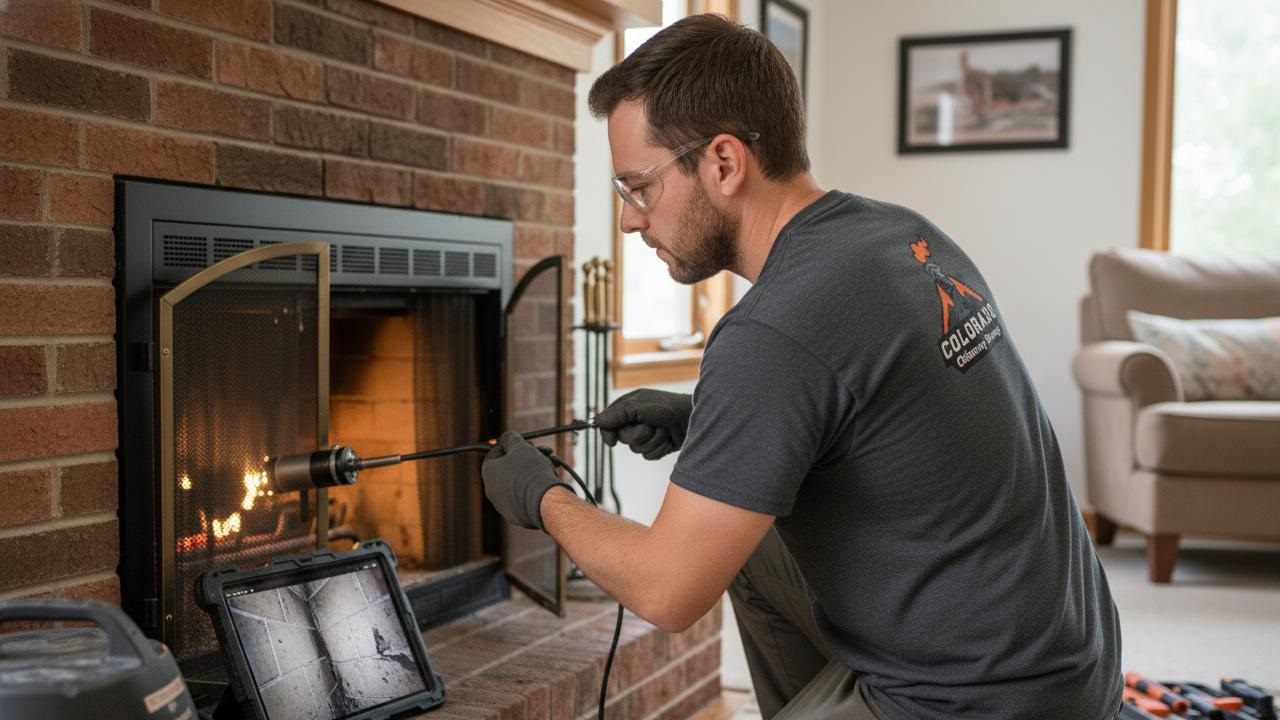
A traditional fireplace can make a living room feel warm and welcoming, but an older wood-burning fireplace may not provide the heating convenience homeowners expect. Cutting and storing firewood, removing ashes, and managing chimney maintenance can become tiring, especially during a long winter.
For homeowners who want a more convenient alternative, gas insert fireplace installation offers a way to transform an existing fireplace into a modern heating feature.
A gas fireplace insert fits inside a compatible fireplace opening and uses natural gas or propane to produce controlled flames. Many models offer remote operation, adjustable heat settings, and enclosed combustion systems.
However, installing a gas insert involves more than selecting an attractive appliance. The existing fireplace, chimney, fuel supply, ventilation, and local building requirements must be evaluated.
This guide explains how gas fireplace inserts work, what professional installation involves, how to compare costs, and what American homeowners should consider before converting their fireplaces.
What Is a Gas Fireplace Insert?
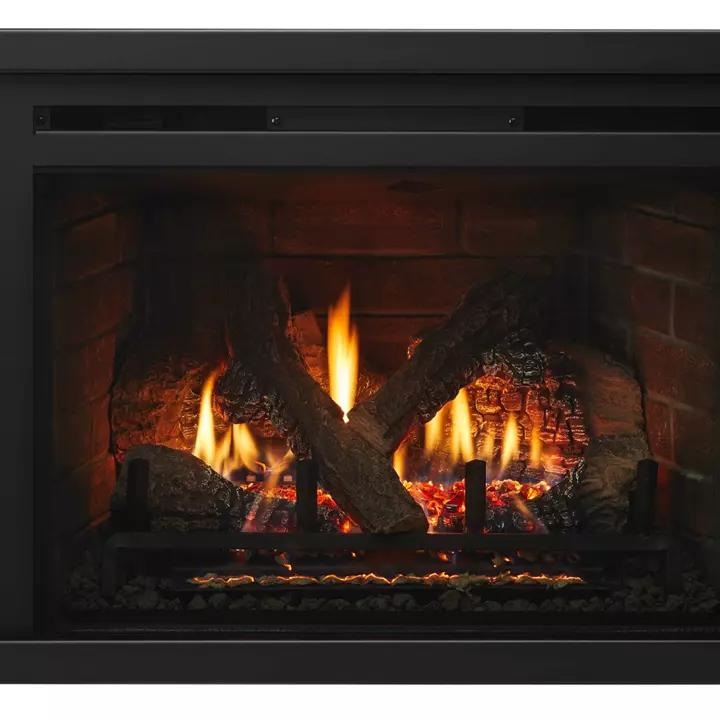
A gas fireplace insert is a manufactured appliance designed to fit inside a compatible existing fireplace.
It includes a gas burner, firebox, viewing window, and a suitable venting arrangement. Many models also feature decorative logs or other approved media.
Unlike an open wood-burning fireplace, a sealed gas insert can provide controlled heating without requiring homeowners to handle firewood.
How Does a Gas Insert Work?
The appliance burns natural gas or propane inside a designated combustion chamber.
Depending on the design, heat enters the room through radiant surfaces and natural or fan-assisted air circulation.
A control system regulates ignition and flame output.
Gas Insert vs. Gas Fireplace
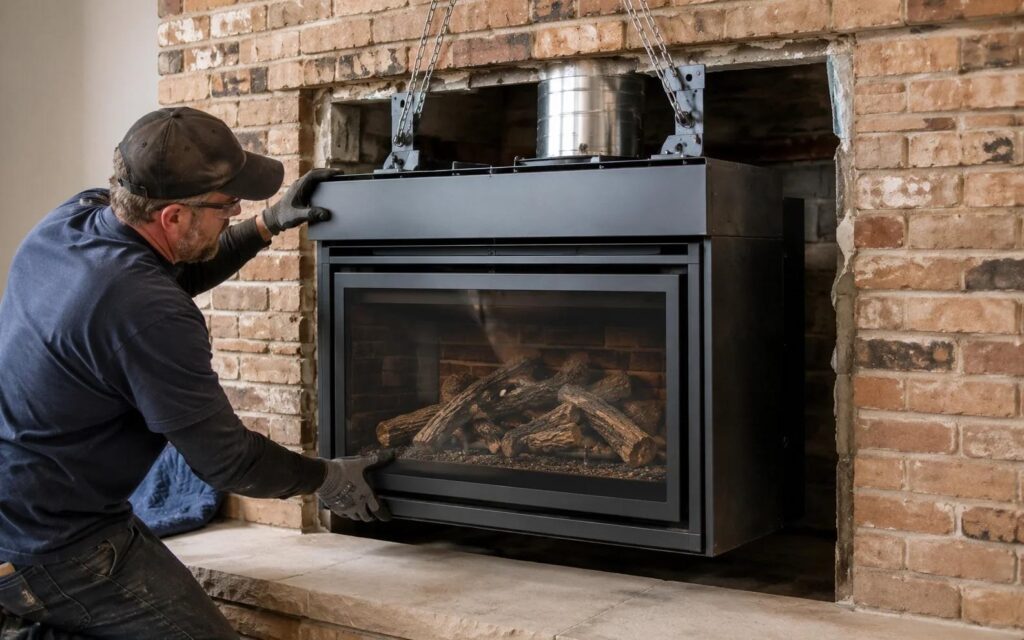
A gas insert is generally installed within an existing approved fireplace.
A built-in gas fireplace may be designed for new construction or installation where no fireplace previously existed.
The difference affects framing, venting, installation requirements, and total project costs.
Benefits of Installing a Gas Fireplace Insert
A properly selected insert can improve convenience and change how an existing fireplace is used.
Convenient Operation
Many gas inserts start using a wall switch or remote control.
Homeowners can enjoy the appearance of flames without arranging firewood or cleaning ashes after each use.
More Controlled Heating
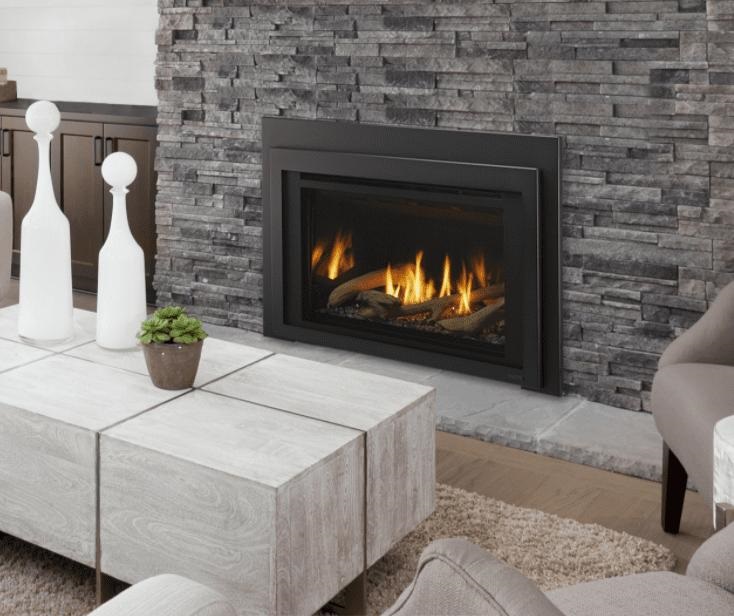
Certain models allow users to adjust flame height or heating output.
This can make it easier to maintain a comfortable temperature in the room.
However, actual heating performance depends on equipment capacity and the home’s conditions.
Cleaner Everyday Use
Gas inserts do not create the wood ash associated with conventional wood-burning fireplaces.
Gas combustion still produces exhaust gases, so proper venting and inspection remain essential.
Attractive Fireplace Designs
Manufacturers offer different trim finishes, decorative media, and viewing-window styles.
A compatible insert can refresh the appearance of an older fireplace without completely rebuilding the surrounding room.
Direct-Vent Gas Fireplace Inserts Explained
Direct-vent designs are a common consideration when converting an existing fireplace.
Sealed Combustion
A direct-vent appliance takes combustion air from outside and releases exhaust outdoors.
This separates the combustion process from indoor air when the system is installed correctly.
The U.S. Department of Energy identifies sealed-combustion equipment as an important approach to reducing combustion-related indoor air risks.
Venting Through Existing Chimneys
Some gas inserts use approved flexible vent liners routed through an existing chimney.
The exact arrangement depends on the appliance and manufacturer.
An existing chimney cannot automatically be reused without examination and suitable venting components.
Vent-Free Alternatives
Some gas heating products operate without outdoor exhaust venting.
However, the EPA does not support unvented gas fireplaces because of indoor air quality concerns, and certain jurisdictions restrict or prohibit them.
Homeowners should discuss properly vented alternatives with qualified professionals.
Can You Convert a Wood Fireplace to Gas?
Many existing fireplaces can accommodate suitable gas inserts, but compatibility must be confirmed.
Masonry Fireplaces
A traditional brick or stone fireplace may provide an opening for a manufactured insert.
The installer must assess dimensions, construction condition, chimney access, and appliance clearances.
Factory-Built Fireplaces
Prefabricated fireplaces have specific approval limitations.
An insert must be explicitly listed and approved for the particular installation conditions.
Do not assume every gas insert can be placed into an existing metal fireplace.
Chimney Condition
Damaged masonry, unsuitable flue arrangements, or moisture problems may need correction before conversion.
A thorough inspection helps identify these issues early.
Gas Insert Fireplace Installation: Step-by-Step Process
Professional installation follows a sequence of assessment, equipment selection, preparation, and testing.
Step 1: Inspect the Existing Fireplace
A qualified specialist examines the firebox, chimney, surrounding materials, and relevant structural conditions.
The inspection establishes whether the proposed conversion is practical.
Step 2: Select an Appropriate Insert
The contractor compares available models using fireplace dimensions, heating needs, fuel type, and manufacturer requirements.
Appearance matters, but safety and compatibility should come first.
Step 3: Review Gas Supply and Permits
The installation may require new gas piping or modifications to existing connections.
Applicable permits and inspections depend on local rules.
All fuel piping work should be performed by appropriately authorized professionals.
Step 4: Install the Approved Venting System
The technician fits the venting components required for the chosen insert.
The system must follow the manufacturer’s specifications and applicable codes.
Step 5: Fit and Connect the Appliance
The insert is positioned, secured, and connected by qualified installers.
Controls and any required electrical components are also installed.
Step 6: Test and Explain Operation
The technician checks appliance operation, safety functions, gas connections, and venting.
Homeowners should receive instructions for normal use, shutdown, and maintenance.
Professional Installation Services From Complete Chimneys
American homeowners researching gas insert fireplace installation can explore the services described by Complete Chimneys, a Maryland fireplace and chimney business.
Its website advertises gas, wood, and pellet fireplace insert installations.
Maryland Service Coverage
Complete Chimneys identifies service areas including Ellicott City, Russett, Severn, and Millersville, Maryland.
Its fireplace and stove store is located in Pasadena, Maryland.
This is a regional service provider rather than a verified nationwide installation company.
Fireplace Insert Selection
The company describes offering inserts from Regency and Hampton.
Its website emphasizes helping customers choose suitable models for their fireplaces and heating preferences.
Installation and Chimney Inspection
Complete Chimneys states that its installation technicians hold certifications from the National Fireplace Institute and Chimney Safety Institute of America.
It also recommends a complete fireplace and chimney inspection when installing an insert.
These are company-reported credentials and services; homeowners should confirm current qualifications and availability directly.
Gas Fireplace Insert Installation Costs
The total expense varies according to equipment selection and the condition of the existing fireplace.
Insert Purchase Price
Appliance size, heating output, controls, decorative finishes, and manufacturer can affect the price.
Premium models may offer additional features.
Gas Line Work
If suitable fuel piping is not already available, installation may involve additional materials and labor.
The cost depends on the location of the existing gas supply and applicable requirements.
Chimney and Venting Changes
Approved liners, vent components, chimney repairs, and other preparation work can affect the project budget.
Permits and Labor
Local permit fees, installation complexity, and professional labor rates also influence the final price.
Request an itemized estimate instead of relying on a generic national average.
Natural Gas vs. Propane Fireplace Inserts
Both fuel types can operate compatible gas appliances, but the correct configuration is essential.
Natural Gas Models
Natural gas may be convenient when the home already has a suitable utility connection.
The installer must confirm supply capacity and equipment compatibility.
Propane Models
Propane may be an option where natural gas service is unavailable.
Homeowners must account for fuel storage, delivery arrangements, and applicable tank requirements.
Compare Operating Expenses
Fuel prices vary by location and usage.
Ask your contractor to estimate expected consumption using the appliance’s specifications and your likely operating schedule.
Choosing the Right Insert for Your Home
The best appliance should match the fireplace and the way the room will be used.
Consider Heat Output
A large unit is not automatically better.
An oversized appliance may make a smaller room uncomfortable.
Ask the installer to evaluate heating needs rather than relying only on appearance.
Review Efficiency Information
Efficiency can vary considerably between gas fireplace models.
Compare manufacturer documentation and understand the testing method used for advertised ratings.
Evaluate Controls
Remote controls, thermostatic operation, and adjustable fans may improve convenience.
Choose features you will genuinely use.
Match Your Interior Style
Consider the fireplace surround, mantel, trim finish, and decorative log appearance.
The finished installation should coordinate with the rest of the room.
Essential Gas Fireplace Safety Considerations
Gas appliances must be installed and maintained with appropriate attention to combustion safety.
Carbon Monoxide Protection
Install working carbon monoxide alarms in appropriate locations according to manufacturer instructions and local requirements.
A carbon monoxide alarm does not replace professional inspections.
Safe Glass Temperatures
Gas fireplace viewing glass can become extremely hot.
Keep children, pets, and combustible materials away from operating equipment.
Use an approved protective barrier when required.
Recognizing Gas Leaks
If you suspect a gas leak, leave the building immediately.
Avoid operating electrical switches or creating ignition sources.
Contact your gas utility or emergency services from a safe location.
Follow Manufacturer Clearances
Mantels, furnishings, flooring, and decorative materials must remain within the appliance’s permitted installation conditions.
Do not modify the surrounding construction without checking the manufacturer’s requirements.
How Long Does Installation Take?
A straightforward project may require less work than one involving significant chimney or gas piping modifications.
Existing Fireplace Condition
An intact and compatible fireplace generally requires less corrective preparation.
Structural or venting problems may extend the project.
Equipment Availability
Special-order inserts, trim kits, and venting parts can affect scheduling.
Permit Requirements
Local approvals and inspections may create additional scheduling steps.
Ask the contractor for a timeline based on the property rather than assuming every project can be finished in one day.
Gas Fireplace Insert Maintenance Tips
Gas inserts require less cleanup than wood fireplaces but still need ongoing care.
Arrange Annual Inspections
The EPA recommends annual inspection of gas fireplace appliances by qualified technicians.
Servicing should follow the appliance manual.
Keep Vents Clear
Check that accessible outdoor terminations remain free from debris or obvious obstructions.
Do not disassemble vent components yourself.
Observe Flame Behavior
Unusual operation, persistent odors, ignition failures, or repeated shutdowns deserve professional assessment.
Clean Approved Surfaces
Clean accessible glass and decorative surfaces only as instructed by the manufacturer.
Turn off the appliance and allow it to cool completely beforehand.
Common Installation Mistakes to Avoid
Skipping the Chimney Inspection
Hidden problems may affect the safety and suitability of the installation.
Arrange an appropriate inspection before committing to a model.
Selecting an Incompatible Insert
A visually attractive appliance may not fit or be approved for your existing fireplace.
Confirm compatibility first.
Attempting DIY Gas Connections
Fuel piping and combustion systems involve serious hazards.
Use appropriately licensed and qualified professionals.
Overlooking Maintenance Costs
Include annual inspections, occasional repairs, and fuel expenses in your ownership budget.
Frequently Asked Questions About Gas Insert Fireplace Installation
1. What is gas insert fireplace installation?
It involves fitting an approved gas-burning insert into a compatible existing fireplace, including required fuel connections, venting, and safety testing.
2. Can I put a gas insert into my wood-burning fireplace?
Often, yes. A professional must inspect the fireplace and determine whether a suitable insert can be installed safely.
3. Does a gas fireplace insert need a chimney?
Many inserts use approved venting routed through an existing chimney. Requirements depend on the specific appliance and installation.
4. Are gas fireplace inserts energy-efficient?
Some models provide efficient supplemental heating, but performance varies. Compare verified product specifications.
5. Can I install a gas insert myself?
Professional installation is strongly recommended because gas connections, venting, permits, and safety requirements may apply.
6. How much does a gas fireplace insert cost?
The installed price depends on equipment, fuel piping, venting, chimney condition, labor, and local requirements.
7. Does a gas fireplace insert require maintenance?
Yes. Annual professional inspection and manufacturer-recommended maintenance are important.
8. Does Complete Chimneys install gas fireplace inserts?
Yes. Its website advertises gas fireplace insert installations in parts of Maryland, along with wood and pellet insert services.
Conclusion
Gas insert fireplace installation can transform an existing fireplace into a convenient, attractive source of supplemental heat.
A well-selected insert may offer easier operation, adjustable heating, and less routine cleanup than a traditional wood-burning fireplace.
However, proper installation requires careful attention to fireplace compatibility, gas supply, approved venting, chimney condition, and applicable safety requirements.
Before making a purchase, arrange a professional assessment, compare suitable models, and request a complete written estimate.
With qualified installation, responsible operation, and regular maintenance, a gas fireplace insert can provide a welcoming feature for many winter seasons.

Written by Twastia Editorial Team
Twastia Editorial Team shares practical insights about website design, SEO services, Google Ads, content marketing, social media, conversion rate optimization, and digital marketing strategy.
Last updated: Oct 28, 2026
Related posts from Twastia
Explore more useful articles from twastia.com about digital marketing, SEO, websites, ads, content, and growth strategy.