curb appeal: Best Budget-Friendly Home Makeover Ideas
Your home’s exterior creates the first impression visitors, neighbors, and potential buyers receive. A tidy lawn, attractive entrance, and well-maintained […]
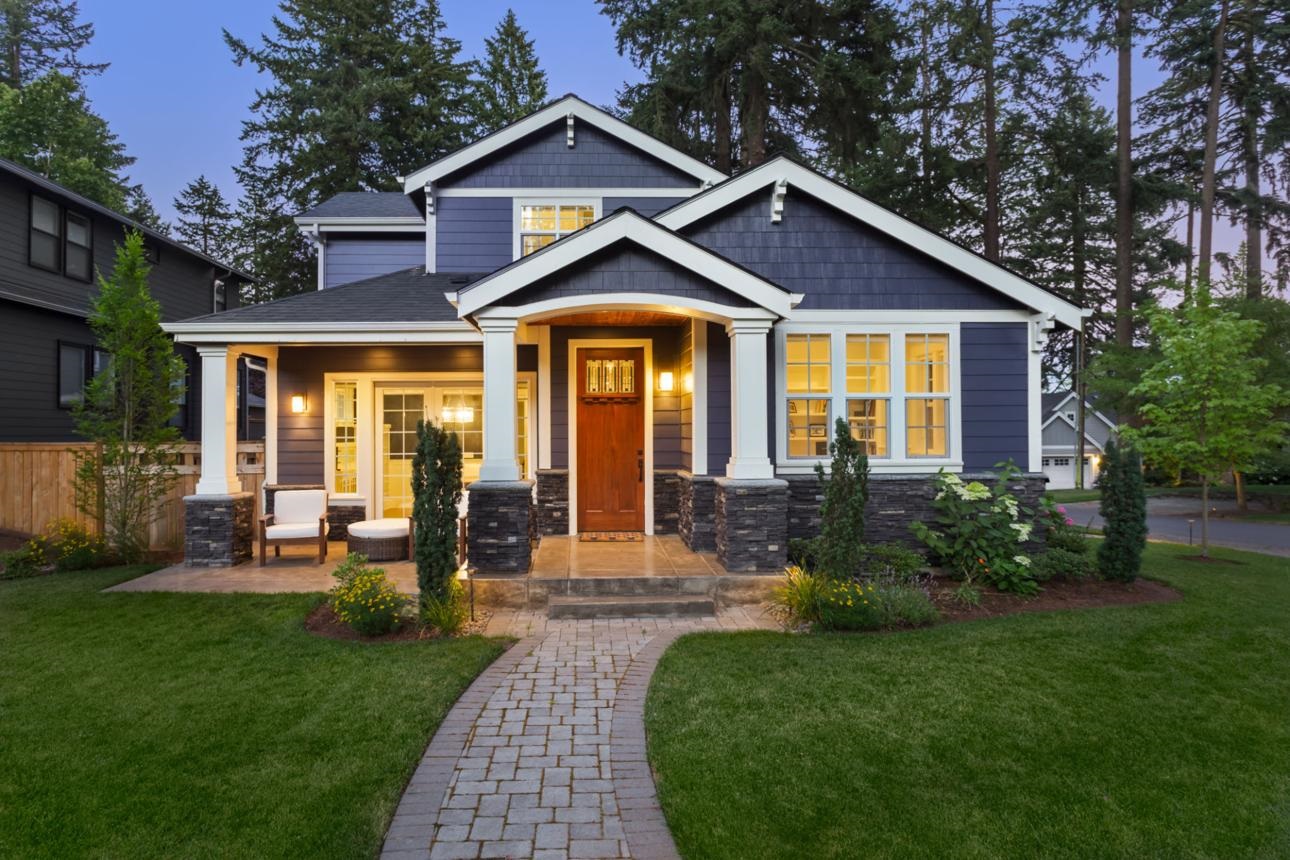
Your home’s exterior creates the first impression visitors, neighbors, and potential buyers receive. A tidy lawn, attractive entrance, and well-maintained walkway can make an ordinary house feel welcoming. Fortunately, improving that first impression does not always require an expensive renovation.
Curb appeal describes how attractive a property looks from the street. It includes landscaping, exterior paint, lighting, architectural details, and the overall condition of visible outdoor spaces.
Whether you’re preparing to sell your house or simply want to enjoy its appearance, small improvements can make a noticeable difference.
The National Association of REALTORS® reported in its 2023 outdoor remodeling research that 97% of surveyed real estate professionals considered curb appeal important in attracting a buyer. That reinforces the value of maintaining an appealing exterior without assuming every project guarantees a higher selling price.
This guide explores affordable exterior improvements, practical landscaping choices, and simple weekend projects that can refresh American homes of different styles and sizes.
Why Curb Appeal Matters for Homeowners
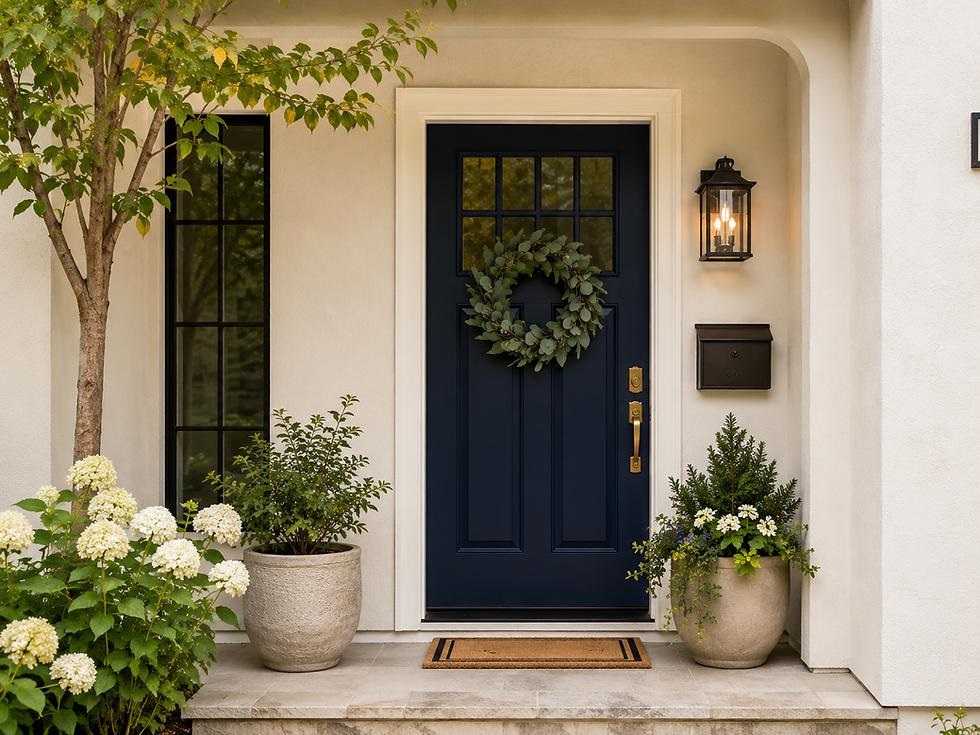
A home’s exterior communicates more than its architectural style. It also reflects how the visible parts of the property are maintained.
First Impressions Influence Buyers
People viewing a real estate listing often see exterior photographs before visiting a property.
A clean entrance, maintained landscaping, and attractive paint colors can encourage them to look more closely.
However, improvements should complement the home’s condition and local market rather than replace necessary repairs.
Everyday Enjoyment Matters Too
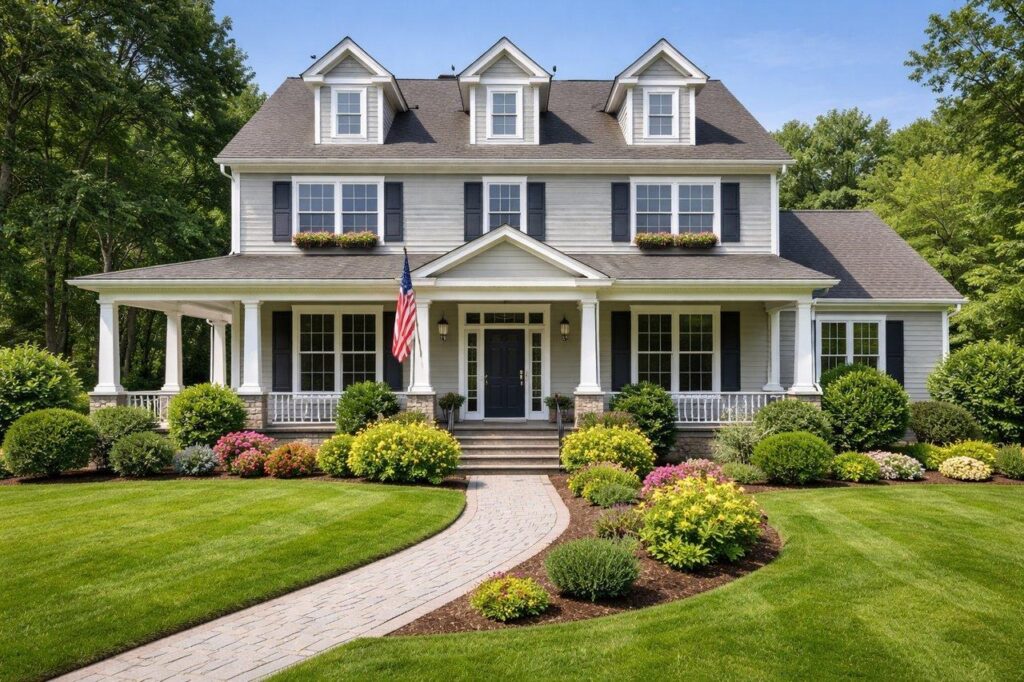
You don’t need to be selling your house to benefit from a welcoming entrance.
A comfortable porch, colorful planting beds, and clear walkways can make arriving home more enjoyable.
The best projects improve both appearance and everyday functionality.
1. Refresh Your Front Door
The front door is a natural focal point of most residential exteriors.
Choose a Coordinated Paint Color
A fresh coat of exterior-rated paint can transform an otherwise ordinary entrance.
Navy blue, forest green, charcoal, deep red, and classic black are popular possibilities. Choose a shade that coordinates with the siding, trim, and roof.
Prepare the surface properly and use paint appropriate for the door material.
Update Door Hardware
Consider replacing worn handles, house numbers, or a deteriorated doorbell cover.
Coordinated hardware finishes can make the entrance look more intentional.
If existing hardware works well, cleaning or refinishing it may be a more economical choice.
Add a Welcoming Detail
A simple wreath, attractive doormat, or pair of planters can complete the entrance.
Keep decorations proportional to the doorway so the area remains uncluttered.
2. Improve Your Lawn Without Overspending
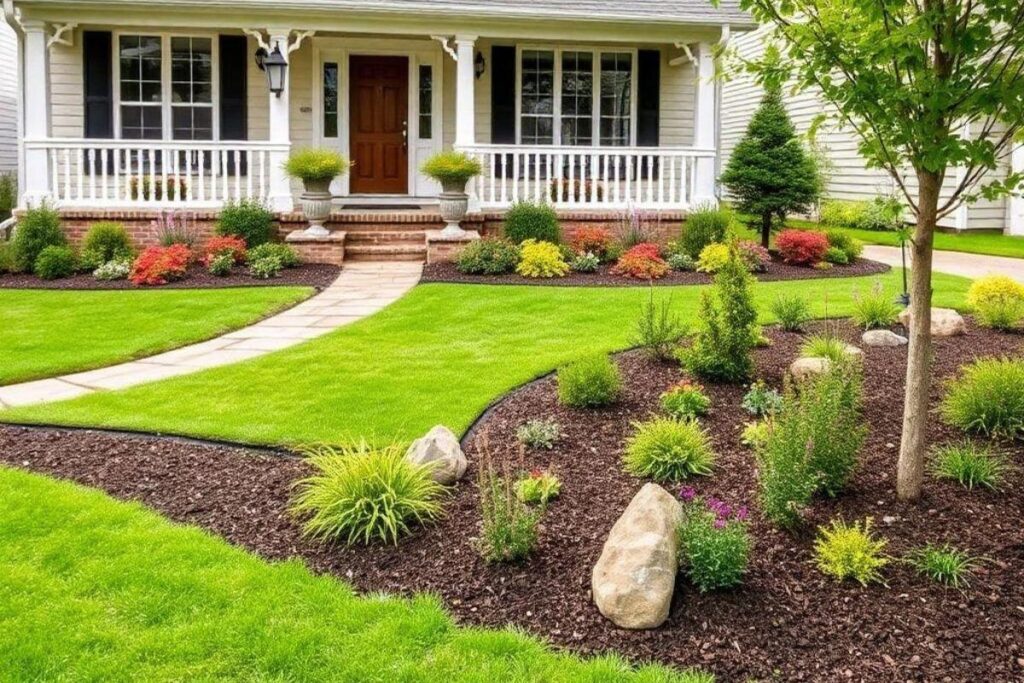
A neglected lawn can distract from an otherwise attractive property.
Start With Basic Maintenance
Mow according to the grass species, trim overgrown edges, and remove weeds.
Repair bare spots when local growing conditions are suitable.
Before applying lawn products, identify the actual problem instead of using treatments unnecessarily.
Choose Grass Suited to Your Climate
Warm-season and cool-season grasses have different maintenance needs.
A variety suited to your region may require less irrigation and corrective care than poorly adapted turf.
Local cooperative extension services can help identify appropriate options.
Reduce Unnecessary Watering
Overwatering wastes resources and may contribute to lawn problems.
Use weather conditions, soil moisture, and applicable watering restrictions to guide irrigation.
3. Make Landscaping Simple and Attractive
Landscaping can improve curb appeal without requiring an elaborate garden design.
Clean Existing Planting Beds
Remove weeds, dead plants, and accumulated debris.
Trim shrubs carefully while preserving their natural shape.
Simply making established planting beds look intentional can noticeably improve the front yard.
Add Regionally Appropriate Plants
Choose flowers, grasses, and shrubs suited to local sunlight, soil, and rainfall.
Native and climate-adapted plants may require less supplemental watering once established.
The EPA’s WaterSense program recommends selecting appropriate plants and grouping them according to their water needs.
Use Mulch for a Finished Look
A fresh layer of mulch can give planting beds a tidy appearance.
Mulch also helps moderate soil temperature, suppress weeds, and reduce moisture evaporation.
Avoid piling mulch against tree trunks or woody stems, where trapped moisture can cause problems.
4. Upgrade Outdoor Lighting
Exterior lighting can improve the appearance and usability of a home after sunset.
Replace Outdated Fixtures
New porch sconces can refresh an entryway without changing the home’s architecture.
Select fixtures designed for exterior conditions and sized appropriately for the entrance.
Highlight Walkways
Low-level path lighting can help visitors identify steps, turns, and garden edges.
Avoid excessive brightness or fixtures that shine directly into neighboring windows.
Consider Energy-Efficient Options
LED lighting generally uses less electricity than older incandescent technology.
Solar pathway lights may be practical in suitable sunny locations, although performance varies.
Hire a qualified professional for electrical work requiring new wiring.
5. Clean Siding, Walkways, and Driveways
Dirt and stains can make an otherwise sound exterior look older than it is.
Wash Surfaces Carefully
Remove cobwebs, dust, and surface grime from accessible areas.
Follow the manufacturer’s cleaning instructions for siding, brick, painted wood, and composite materials.
High-pressure washing can damage certain surfaces or force water behind exterior coverings.
Refresh the Walkway
Sweep paths, remove weeds growing between joints, and clean visible stains.
Repair uneven paving where necessary, especially if it creates a tripping hazard.
Organize the Driveway
Store unused tools, garden supplies, and recreation equipment neatly.
An orderly driveway improves the visual presentation of the entire property.
6. Give Your Porch a Simple Makeover
A porch can become an inviting transition between the street and your living space.
Add Practical Furniture
Where space permits, consider a small bench or pair of weather-resistant chairs.
Avoid blocking the door or accessible travel routes.
Coordinate Accessories
Choose cushions, planters, and a doormat that share a limited color palette.
Too many competing patterns can make a small porch appear crowded.
Focus on Maintenance
Tighten loose railings, clean steps, and repair damaged finishes.
Structural problems should be addressed before decorative upgrades.
7. Improve Windows and Exterior Trim
Windows and trim influence how polished a home’s façade appears.
Clean Window Glass
Wash accessible exterior windows and remove dust from surrounding frames.
Clear glass can make a property look brighter and better maintained.
Inspect Paint and Caulking
Peeling paint and deteriorated sealant may indicate maintenance needs.
Repair damaged areas with suitable products and methods.
For older homes, follow lead-safe renovation requirements where applicable.
Consider Shutters Carefully
Decorative shutters can complement certain architectural styles.
Choose appropriately sized designs that look consistent with the window proportions.
8. Create a More Attractive Entry Path
The route from the sidewalk or driveway to the front door shapes the arrival experience.
Define the Walking Route
Use clean edges, appropriately placed plants, or simple landscape borders to make the entrance easy to identify.
Avoid planting shrubs where they will eventually obstruct pedestrian access.
Repair Safety Issues
Uneven steps, unstable pavers, and slippery surfaces deserve attention.
Safety and ease of access should come before decorative improvements.
Add Visual Interest
A few coordinated planters or low-growing flowers can soften the walkway.
Choose plants that won’t spread into the walking area.
9. Try Budget-Friendly Weekend Projects
Some of the most effective improvements require more effort than money.
Refresh House Numbers
Replace faded or difficult-to-read numbers with a design that suits the exterior.
Ensure they remain clearly visible for visitors and emergency responders.
Replace a Worn Doormat
A clean, durable mat can make the entrance look cared for.
Select a size that fits the doorway without becoming a tripping hazard.
Remove Visual Clutter
Put away empty containers, unused decorations, broken pots, and unnecessary equipment.
Decluttering costs little and creates an immediate improvement.
Update Planters
Reuse existing pots with fresh soil and appropriate seasonal plants.
Matching planter styles can help create a coordinated entrance.
10. Design for Your Regional Climate
The most successful outdoor improvements respond to local conditions.
Hot and Dry Regions
In places such as Arizona and Nevada, consider water-efficient plants, mulch, and shade.
A large irrigated lawn may not be the most practical option.
Humid and Rainy Regions
In parts of Florida and the Southeast, drainage and moisture-resistant materials are important.
Select plants suited to rainfall patterns and maintain clear drainage routes.
Cold-Weather Regions
Northern homeowners should consider snow removal, ice accumulation, and weather-resistant finishes.
Keep pathways safe and choose plants suitable for local winter temperatures.
11. Build an Affordable Curb Appeal Budget
Planning helps prevent small exterior improvements from becoming an expensive project.
Prioritize Visible Problems
Start with obvious maintenance issues such as peeling paint, damaged steps, overgrown shrubs, and stained walkways.
These may matter more than decorative additions.
Choose DIY Tasks Carefully
Sweeping, planting flowers, replacing a doormat, and painting suitable surfaces may be manageable weekend projects.
Electrical work, major tree trimming, structural repairs, and unsafe ladder work are better handled by qualified professionals.
Track Spending
Create separate budgets for cleaning, painting, landscaping, and lighting.
Request written quotes for professional work and reserve some funds for unexpected repairs.
12. Prepare Your Home for Sale
If you plan to list your property, focus on presenting a clean and well-maintained exterior.
Think About Listing Photographs
Remove seasonal clutter, move vehicles when practical, and ensure landscaping looks tidy before photographs are taken.
Natural daylight can help show the home’s exterior clearly.
Avoid Overpersonalizing
Bold decorations may appeal to you but not to every buyer.
Choose improvements that complement the architecture and create a broadly welcoming appearance.
Understand Resale Expectations
The National Association of REALTORS® has identified lawn care and landscape maintenance among outdoor projects with favorable estimated cost recovery in its 2023 research.
Those estimates are survey-based, not guaranteed financial returns.
Select improvements according to your home’s condition and local market.
Budget-Friendly Inspiration From Urban Splatter
The article <a href=”https://www.urbansplatter.com/2021/06/simple-ways-to-boost-your-homes-curb-appeal-without-breaking-the-bank/“>Simple Ways to Boost Your Home’s Curb Appeal Without Breaking the Bank</a> emphasizes three accessible improvements: updating the front door, maintaining the lawn, and adding exterior lighting.
Its central message remains useful: homeowners can make visible improvements without undertaking a major renovation.
For a broader modern approach, those ideas can be combined with water-smart planting, appropriate surface cleaning, walkway repairs, and an organized entryway.
Common Curb Appeal Mistakes to Avoid
Spending Before Cleaning
Don’t buy new decorations while ignoring dirty siding, broken fixtures, or neglected landscaping.
Address maintenance first.
Choosing Unsuitable Plants
A beautiful nursery plant may struggle in the wrong climate or soil.
Research mature size, sunlight needs, and watering requirements.
Overcrowding the Front Yard
Too many planters, ornaments, and plant varieties can create visual confusion.
Leave open space and establish clear focal points.
Ignoring Homeowners Association Rules
Some communities regulate exterior colors, fencing, landscaping, and lighting.
Check relevant rules before making visible changes.
Frequently Asked Questions About Curb Appeal
1. What does curb appeal mean?
Curb appeal is the overall attractiveness of a property as viewed from the street, including landscaping, exterior maintenance, and the entrance.
2. What is the cheapest way to improve curb appeal?
Cleaning walkways, removing clutter, trimming plants, and refreshing existing decorations are inexpensive starting points.
3. Does painting the front door improve curb appeal?
A fresh, coordinated paint finish can make the entrance appear cleaner and more welcoming.
4. Which landscaping upgrades are most affordable?
Weeding, edging, applying mulch, and adding suitable seasonal plants can refresh existing beds without redesigning the entire yard.
5. Does curb appeal increase home value?
Attractive exterior presentation may support buyer interest, but specific improvements do not guarantee a higher selling price.
6. What color should I paint my front door?
Choose a color that works with your siding, trim, roof, and architectural style. Test samples in natural daylight.
7. How can I improve curb appeal without a lawn?
Use climate-appropriate shrubs, groundcovers, attractive hardscaping, mulch, and decorative planters to create a balanced exterior.
8. Should I hire a landscaper or do the work myself?
Simple maintenance may be suitable for DIY work. Hire qualified professionals for hazardous tasks, major structural changes, or specialized installations.
Conclusion
Improving curb appeal doesn’t have to involve a large renovation budget.
A refreshed front door, clean walkways, tidy landscaping, attractive lighting, and an organized porch can make a home feel more welcoming.
Begin with necessary maintenance, then choose small upgrades that complement your property’s architecture and regional climate.
For homeowners preparing to sell, thoughtful exterior presentation may help create a stronger first impression. For everyone else, it can make everyday home life more enjoyable.
The most effective improvements are practical, affordable, and easy to maintain over time.

Written by Twastia Editorial Team
Twastia Editorial Team shares practical insights about website design, SEO services, Google Ads, content marketing, social media, conversion rate optimization, and digital marketing strategy.
Last updated: Oct 28, 2026
Related posts from Twastia
Explore more useful articles from twastia.com about digital marketing, SEO, websites, ads, content, and growth strategy.