glass wool: The Best Guide to Thermal and Acoustic Insulation
In modern residential and commercial building construction across the United States, managing energy consumption and maintaining interior thermal comfort are […]
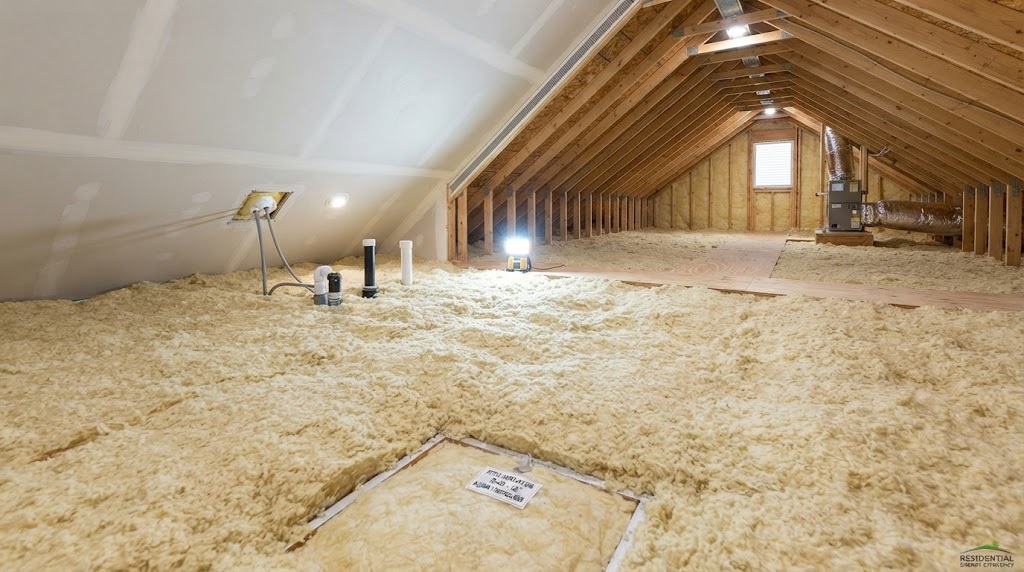
In modern residential and commercial building construction across the United States, managing energy consumption and maintaining interior thermal comfort are top priorities for builders, architects, and homeowners. Heating and cooling account for more than half of the energy used in a typical American home. As energy costs rise and building codes enforce stricter energy efficiency guidelines, high-performance insulation has become essential to sustainable building design. Among the various insulation materials available on the market today, glass wool remains one of the most reliable, cost-effective, and versatile solutions for thermal and acoustic control.
Commercially known as fiberglass insulation, this flexible fibrous material has protected structures from extreme weather for nearly a century. From residential attic spaces and wall cavities to commercial HVAC ductwork and industrial facilities, incorporating glass wool into a building envelope creates an effective barrier against heat transfer and airborne sound transmission. By reducing conditioned air loss during hot summer months and preventing heat escaping during freezing winters, it directly lowers monthly utility bills while improving overall indoor environmental quality.
Whether you are a contractor evaluating insulation specifications for a new construction project, a DIY enthusiast remodeling a basement, or a homeowner seeking ways to reduce carbon emissions, understanding how this material performs is crucial. In this comprehensive guide, we will explore how it is manufactured, analyze its thermal and acoustic benefits, compare it with alternative materials, detail safe installation practices, and answer the most frequently asked questions regarding glass wool insulation.
What Is Glass Wool and How Is It Manufactured?
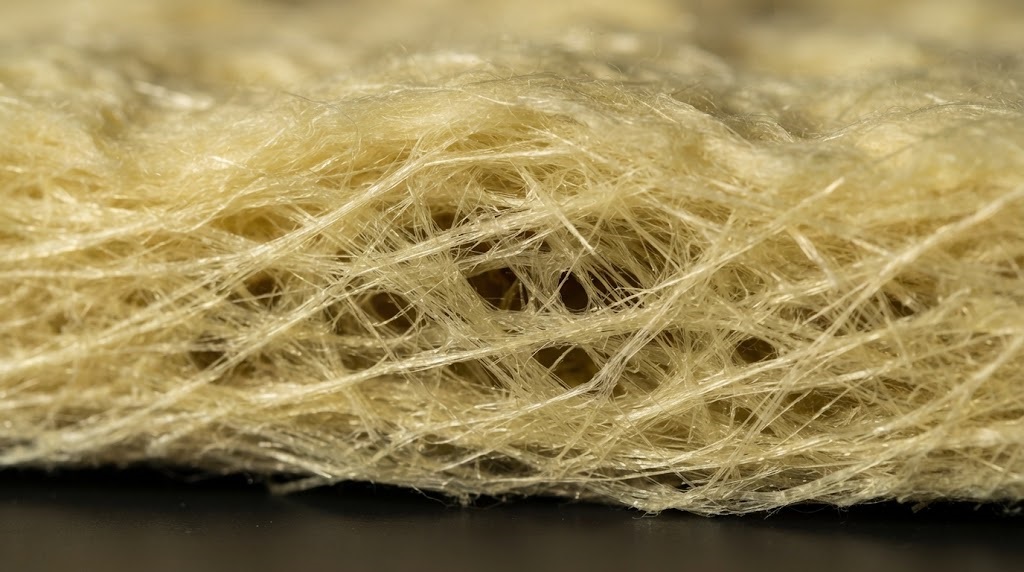
Understanding the composition and production mechanics of fibrous insulation helps explain why it delivers such balanced thermal, acoustic, and fire-resistant properties.
The Recycled Glass Composition and Fiberizing Process
Manufacturing glass wool involves melting a carefully balanced mixture of natural sand, soda ash, limestone, and a high percentage of recycled glass cullet (often up to 70% or more from post-consumer glass bottles and windows). This raw mixture is fed into an industrial furnace and heated to temperatures exceeding 2,500°F (1,370°C) until it transforms into liquid glass.
Once molten, the liquid glass flows into a rapidly spinning device known as a fiberizer. Centrifugal force pushes the liquid glass through thousands of micro-fine orifices, spinning it into ultra-thin, interlocking glass filaments. During this spinning process, a binding agent and dust-suppressing oils are sprayed onto the fibers. The golden or pink web of fibers then passes through a curing oven, where hot air sets the binder, producing a springy, resilient mat of interlocking glass fibers trapped within millions of tiny dead-air pockets.
Glass Wool Batts vs. Rolls vs. Loose-Fill
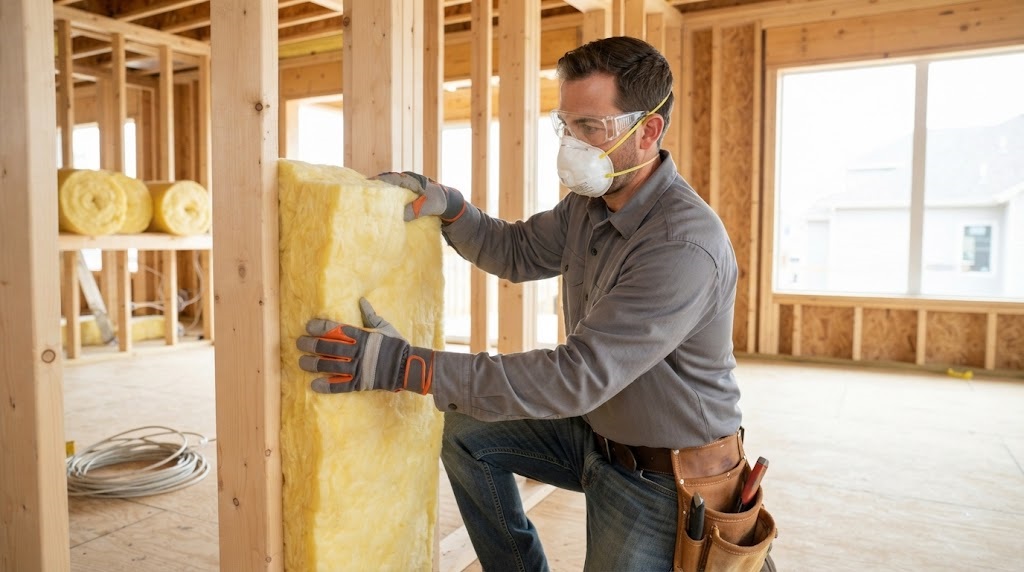
Once cured, the insulation mat is processed into several convenient forms tailored for specific construction applications:
- Batts: Pre-cut rectangular panels engineered to fit standard stud wall spacing (typically 16-inch or 24-inch centers). Batts are ideal for vertical wall cavities, floor joists, and open framed spaces.
- Rolls (Blankets): Continuous long rolls that can be unrolled across vast open spaces, such as attic floors or long commercial roof spans, and cut to custom lengths on-site.
- Loose-Fill (Blown-In): Unbound glass fibers packaged in compressed bags, designed to be fed into an insulation blowing machine. Blown-in fibers fill irregular attic corners, hard-to-reach ceiling joists, and existing wall cavities seamlessly.
Key Benefits of Glass Wool Insulation for US Homes
Specifying high-quality insulation delivers multiple performance advantages that enhance structural durability, occupant health, and long-term financial savings.
Exceptional Thermal Resistance and Energy Savings
The primary reason architects and builders specify glass wool is its exceptional thermal resistance, measured by its R-value per inch. Heat naturally moves from warmer areas to cooler spaces. In winter, interior heat tries to escape outward, while in summer, exterior atmospheric heat attempts to penetrate indoors. The microscopic structure of trapped air pockets between the glass fibers restricts conductive and convective heat transfer.
By insulating attics, exterior walls, and basements with appropriate R-values (ranging from R-13 in 2×4 walls to R-38 or R-60 in attic ceiling spaces), homeowners can reduce heating and cooling energy demands by up to 15% to 30%. This energy reduction translates into substantial utility cost savings year after year while reducing strain on residential HVAC equipment.
Superior Acoustic Insulation and Soundproofing Performance
In addition to thermal regulation, glass wool provides superior acoustic dampening. Noise pollution from exterior traffic, neighbors, or interior plumbing can compromise home comfort and workplace productivity. Sound waves travel through building assemblies by vibrating air and rigid construction materials.
When acoustic sound waves hit a layer of open-cell fibrous glass insulation, the flexible fibers flex and vibrate against one another. This friction converts mechanical sound wave energy into microscopic heat energy, dramatically reducing noise transmission between interior room walls, ceiling assemblies, and multi-family floor partitions. Using dense acoustic insulation batts in interior partition walls creates quieter, peaceful living spaces.
Fire Resistance and Structural Safety Standards
Fire safety is a vital consideration in commercial and residential building design. Because it is manufactured from inorganic silica sand and recycled glass, glass wool is naturally non-combustible and will not ignite or fuel flame spread. It meets rigorous ASTM E136 standards for non-combustibility.
In the event of a structural building fire, high-grade glass fiber insulation does not emit toxic smoke or hazardous fumes. When installed correctly in rated wall assemblies, it serves as an effective fire stop, slowing the spread of flames between structural wall studs and floor joists, providing occupants with precious time to evacuate safely.
Comparing Glass Wool with Rock Wool, Cellulose, and Foam
Selecting the ideal insulation material requires comparing physical performance, cost, moisture tolerance, and installation complexity against competing alternatives.
Glass Wool vs. Mineral Rock Wool
Mineral rock wool (stone wool) is manufactured by melting basalt rock and slag. Both glass fiber and rock wool offer non-combustible fire protection and excellent sound absorption. However, rock wool possesses a higher physical density, making it slightly stiffer and more resistant to high heat exposure. On the other hand, glass wool is lighter in weight, easier to transport and handle, more flexible during installation around electrical boxes and plumbing pipes, and generally more economical per square foot for standard residential construction.
Glass Wool vs. Spray Foam and Cellulose
Cellulose insulation consists of shredded recycled newsprint treated with borate chemicals for fire resistance. While eco-friendly, cellulose is heavier, prone to settling over time if improperly blown, and susceptible to mold if exposed to moisture.
Spray polyurethane foam (SPF) offers an airtight air barrier and high R-value per inch. However, spray foam carries significantly higher material and specialized contractor installation costs, utilizes chemical blowing agents, and requires complete building evacuation during curing. While spray foam offers air sealing, glass wool provides a far more cost-effective solution that balances high thermal resistance, non-combustibility, and easy installation without toxic chemical off-gassing.
Applications of Glass Wool Across Residential and Commercial Buildings
Thanks to its flexible form factors and moisture-resistant properties, fibrous insulation adapts to virtually every structural building component.
Attics, Exterior Walls, and Crawl Spaces
In residential wood-frame construction, batts and rolls fit snugly between wood or steel studs in exterior walls. Installing glass wool in attics, exterior wall cavities, and crawl spaces prevents thermal bridging and air infiltration. Faced batts feature an attached kraft paper or foil vapor retarder that faces inward toward the conditioned living space, preventing humid interior air from condensing inside the wall assembly during winter months.
For attic retrofits, blowing loose-fill glass fibers over existing aging insulation provides a continuous, gap-free blanket that fills around joists, wiring, and ductwork, restoring the home’s total thermal efficiency.
HVAC Duct Insulation and Industrial Systems
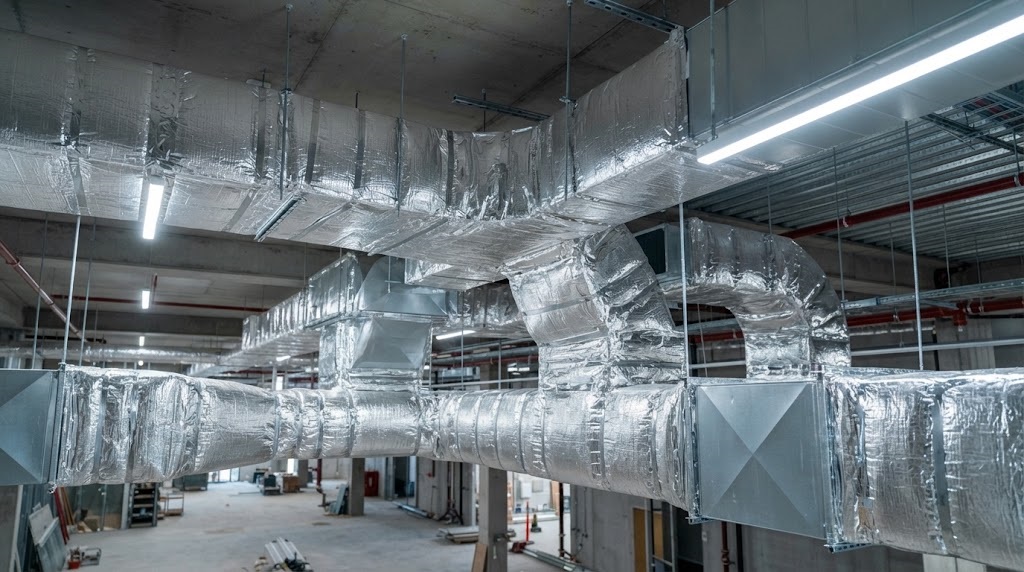
In commercial construction, glass wool is extensively used for HVAC duct wrapping and pipe insulation. Ductwork carrying chilled or heated air throughout a commercial building can lose thermal energy rapidly if left uninsulated. Wrapping sheet metal supply and return ducts with foil-faced insulation blankets prevents thermal loss and stops surface condensation (sweating) from forming in hot, humid ceiling plenums, protecting ceiling tiles from water damage and mold growth.
Step-by-Step Installation and Safety Best Practices
Installing insulation correctly is essential to achieving its rated thermal R-value. Improper installation—such as compressing batts, leaving gaps along stud edges, or failing to wear safety gear—reduces insulation efficiency and creates physical discomfort.
Personal Protective Equipment (PPE) Requirements
Working with glass wool requires proper safety precautions to avoid skin irritation, eye contact, and respiratory inhalation of loose glass fibers. Installers should always wear the following Personal Protective Equipment (PPE):
- Clothing: Long-sleeved shirts, long pants, and work gloves to shield skin from direct fiber contact.
- Respiratory Protection: A NIOSH-approved N95 disposable dust mask or respirator to prevent inhaling fine airborne dust and fibers.
- Eye Protection: Safety goggles with side shields to protect eyes during overhead ceiling installation.
- Headwear: A hood or cap to keep glass fibers out of hair.
Cutting, Fitting, and Moisture Barrier Application
Follow these professional guidelines for a seamless installation:
- Measure and Cut Accurately: Measure wall cavity heights and widths precisely. Lay the batt flat on a clean wood board, place a metal straightedge ruler along your cut line, and press down firmly to compress the insulation. Use a sharp utility knife to slice cleanly through the fibers in a single pass.
- Avoid Excessive Compression: Never squeeze thick insulation batts into shallow wall studs (for example, stuffing an R-19 6-inch batt into a 3.5-inch 2×4 wall). Compressing insulation reduces the volume of trapped air pockets, significantly lowering its effective R-value.
- Seal Around Obstacles: Cut neat notches or split batts in half to slide neatly around electrical junction boxes, plumbing pipes, and structural wire bracing. Gaps around insulation allow air convection currents to bypass the thermal barrier.
- Install Vapor Retarders Properly: Ensure kraft paper facing faces the warm interior side of the building envelope in cold climates. Secure kraft paper flanges to stud faces using staples spaced every 8 to 12 inches.
Frequently Asked Questions
What is the R-value of glass wool insulation per inch?
Standard glass fiber batts typically provide an R-value ranging from R-3.1 to R-4.3 per inch of thickness, depending on density. High-density batts deliver higher thermal resistance within narrower stud wall cavities.
Is glass wool insulation safe for indoor air quality?
Yes. Modern glass fiber insulation manufactured today is certified by independent bodies like GREENGUARD for low chemical emissions. Once installed behind drywall, plaster, or sealed ceiling panels, it does not release harmful volatile organic compounds (VOCs) or impact indoor air quality.
Does glass wool absorb water or grow mold?
Glass fibers are inorganic and naturally hydro-phobic, meaning they do not absorb moisture or support mold, mildew, or bacterial growth. However, if batts become wet from plumbing leaks or roof floods, the water traps in the air spaces, temporarily reducing R-value. Once dried completely, the material regains its original thermal performance.
How long does glass wool insulation last in a building?
When installed correctly in dry, undisturbed wall and attic assemblies, glass fiber insulation lasts for the lifetime of the building—often 50 to 100 years or more—without degrading, settling, or losing its thermal R-value performance.
Is glass wool non-combustible?
Yes. Pure glass fibers are inherently non-combustible and meet ASTM E136 fire testing standards. Facing materials like kraft paper are combustible, but unfaced or foil-faced products provide excellent fire resistance.
How does glass wool compare to rock wool in price?
Glass fiber insulation is generally 20% to 40% less expensive per square foot than rock wool, making it a more economical choice for large-scale residential construction and retrofit projects.
Is glass wool eco-friendly?
Yes. Modern manufacturing processes utilize up to 70% or more post-consumer recycled glass cullet, diverting tons of glass waste from landfills. Additionally, the energy saved by installing insulation offsets the energy used in its manufacturing within just a few months of operation.
Conclusion
Choosing glass wool for your residential or commercial insulation project is one of the most effective ways to lower energy costs, enhance occupant comfort, and minimize environmental impact. Its unique combination of high thermal resistance, sound dampening, non-combustible fire safety, lightweight flexibility, and affordability makes it a premier choice for modern construction.
Whether you are insulating an attic floor, retrofitting exterior walls, or wrapping commercial ductwork, proper installation practices ensure that your investment pays dividends for decades through reduced utility bills and a quieter interior environment. Partnering with experienced insulation suppliers and following manufacturer guidelines will ensure your building envelope stays comfortable, safe, and energy-efficient in every season.

Written by Twastia Editorial Team
Twastia Editorial Team shares practical insights about website design, SEO services, Google Ads, content marketing, social media, conversion rate optimization, and digital marketing strategy.
Last updated: Oct 20, 2026
Related posts from Twastia
Explore more useful articles from twastia.com about digital marketing, SEO, websites, ads, content, and growth strategy.