How HID Is Transforming Everyday Building Access with Mobile Credentials at 101 Collins Street
Modern workplaces are rapidly embracing digital transformation, and physical access control is evolving alongside it. Traditional access cards are increasingly […]
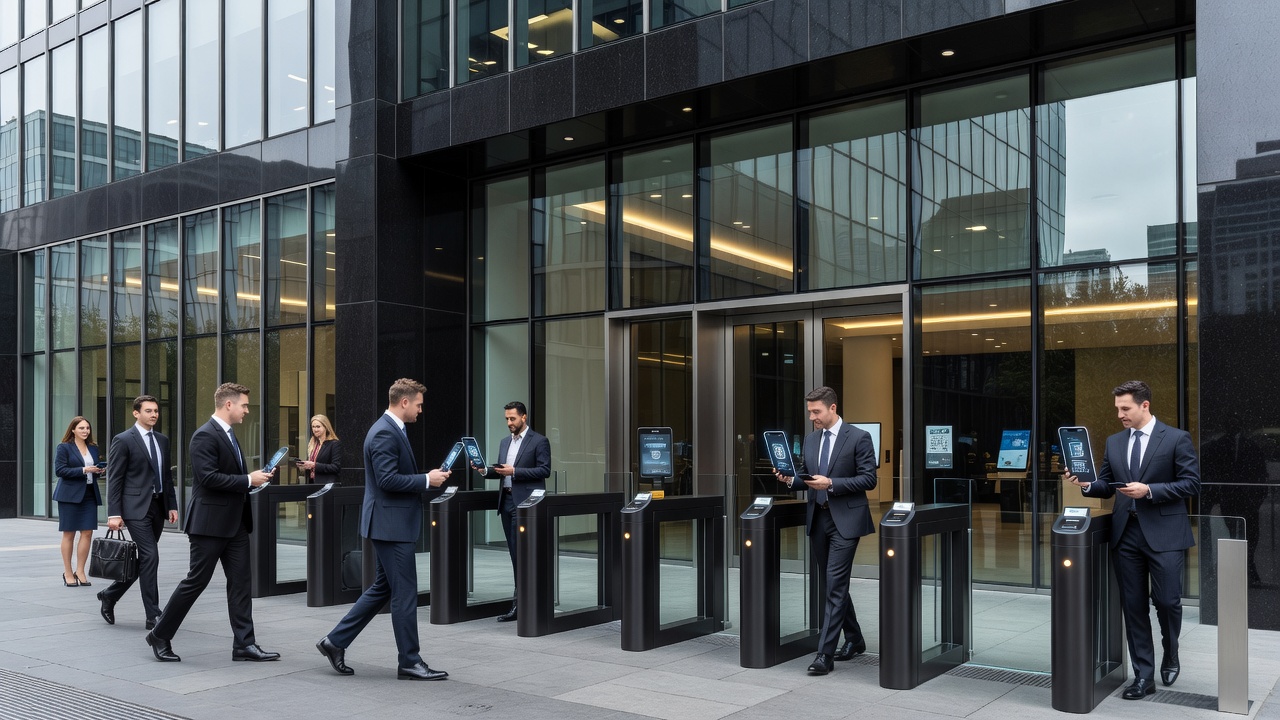
Modern workplaces are rapidly embracing digital transformation, and physical access control is evolving alongside it. Traditional access cards are increasingly being complemented—or in some cases replaced—by secure mobile credentials that allow people to enter buildings using smartphones and digital wallets. As organizations seek greater convenience, security, and operational efficiency, HID continues to play a significant role in advancing trusted identity and access control technologies across commercial, institutional, and enterprise environments.
A recent deployment at Melbourne’s iconic 101 Collins Street demonstrates how mobile credentials are moving beyond limited pilot programs into everyday building operations. Developed through a collaboration involving HID and Australian digital consultancy Kodaa, the implementation allows thousands of tenants and visitors to access one of Australia’s best-known commercial towers using mobile wallet technology instead of traditional physical access cards.
This deployment reflects broader industry trends as commercial property owners, facility managers, and enterprise organizations increasingly modernize their access control infrastructure to improve user experience while strengthening building security.
This article explores the technology behind HID’s mobile credential solutions, how digital access systems work, the benefits for commercial buildings, and why mobile identity is becoming an important part of modern workplace infrastructure.
Note: This article is based on publicly announced information regarding HID and Kodaa’s collaboration. Technology implementations may evolve over time, and specific product capabilities should be confirmed through official sources.
What Is HID?
HID is a global provider of identity, credential, and access control technologies used by organizations across government, healthcare, education, commercial real estate, financial services, and enterprise sectors.
Its portfolio includes solutions for:
- Physical access control
- Mobile credentials
- Digital identity
- Secure authentication
- Identity management
- Visitor management
- Biometric technologies
- RFID and smart card systems
The company’s technologies support secure identification and authentication across both physical and digital environments.
Understanding Mobile Credentials
Mobile credentials allow authorized users to access secure facilities using smartphones or wearable devices instead of traditional plastic access cards.
Instead of presenting a physical card, users typically authenticate through:
- Mobile wallet applications
- Secure credential apps
- NFC-enabled smartphones
- Bluetooth-enabled devices
The authentication process is designed to provide convenience while maintaining secure identity verification.
The 101 Collins Street Implementation
Located in Melbourne’s central business district, 101 Collins Street is one of Australia’s most recognizable premium commercial office towers.
According to the announced deployment, thousands of tenants and visitors can now use mobile wallet credentials to access the building without relying on traditional physical access cards.
This implementation illustrates how mobile credential technology is transitioning from controlled pilot projects into daily operational use within large commercial properties.
Rather than carrying separate building access cards, authorized users can access designated areas through supported mobile devices.
Why Commercial Buildings Are Adopting Mobile Access
Commercial property owners continue seeking technologies that improve both tenant experience and operational efficiency.
Several factors are contributing to growing adoption.
Improved Convenience
Most people already carry smartphones throughout the day.
Mobile credentials reduce the need to carry separate access cards.
Simplified Credential Management
Digital credentials can often be issued, updated, or revoked more efficiently than physical cards, depending on the access management system.
Reduced Physical Card Administration
Building managers may spend less time replacing lost or damaged cards.
Enhanced User Experience
Digital access creates a more seamless entry process for employees, visitors, and contractors.
How Mobile Wallet Access Works
Modern access systems typically follow a structured authentication process.
The workflow generally includes:
- Identity verification.
- Credential issuance.
- Secure credential storage.
- User authentication.
- Access approval.
- Entry logging.
The exact implementation depends on the building’s access control infrastructure and the technologies being used.
Security Features
Security remains one of the primary considerations in digital identity systems.
Modern mobile credential platforms often incorporate multiple protective measures.
Encryption
Credential information is typically protected through advanced encryption technologies.
Secure Authentication
Access requests are verified before entry is granted.
Digital Credential Management
Administrators can often manage credentials centrally rather than manually distributing physical cards.
Device-Based Protection
Many mobile devices include additional security features such as:
- Biometric authentication
- Device passcodes
- Secure hardware modules
These protections complement the overall access control system.
Benefits for Building Owners
Commercial property operators may experience several operational advantages.
Faster Credential Distribution
Digital credentials can often be issued more efficiently than printing and distributing physical cards.
Simplified Administration
Managing access permissions digitally may improve operational efficiency.
Better Visitor Management
Some systems support temporary digital credentials for visitors, contractors, and service providers.
Reduced Physical Inventory
Lower reliance on printed access cards may reduce replacement and inventory requirements.
Benefits for Building Occupants
Occupants also experience practical advantages.
Greater Convenience
Users no longer need to carry separate building access cards where mobile credentials are supported.
Familiar Technology
Using smartphones for access aligns with everyday digital habits.
Faster Access
Digital authentication may simplify building entry depending on the system configuration.
Reduced Risk of Lost Cards
Replacing digital credentials may be more efficient than replacing physical cards in many environments.
The Role of Digital Consultancy
Technology deployments of this scale typically involve collaboration between multiple organizations.
Digital consultancies often contribute expertise in:
- System integration
- User experience
- Mobile application development
- Digital transformation strategy
- Infrastructure planning
- Technology implementation
These partnerships help organizations integrate new technologies into existing operational environments.
HID and the Future of Trusted Identity
Identity management continues evolving beyond physical credentials.
Modern identity ecosystems increasingly combine:
- Mobile credentials
- Cloud infrastructure
- Identity management platforms
- Multi-factor authentication
- Biometric verification
- Digital wallets
These technologies help organizations manage both physical and digital access through unified identity systems.
Mobile Credentials vs Physical Access Cards
Both approaches continue serving different organizational needs.
Physical Cards
Advantages include:
- Familiar operation
- Broad compatibility
- No smartphone requirement
Mobile Credentials
Potential advantages include:
- Digital convenience
- Simplified credential management
- Integration with mobile devices
- Reduced physical card dependency
Many organizations support both methods simultaneously during transition periods.
Industries Using HID Technologies
Identity and access management solutions are used across many sectors.
Commercial Real Estate
Office buildings increasingly adopt mobile access systems for tenants and visitors.
Healthcare
Hospitals and medical facilities require secure identity management for staff and controlled areas.
Education
Universities and schools use access control to manage campus facilities.
Government
Government organizations rely on identity technologies to support secure access management.
Corporate Offices
Enterprise businesses continue investing in modern workplace access systems.
Technology Behind Mobile Access
Several technologies work together to support secure mobile credentials.
Near Field Communication (NFC)
NFC enables short-range secure communication between compatible mobile devices and access readers.
Bluetooth Low Energy (BLE)
BLE supports wireless communication over longer distances than NFC in certain implementations.
Cloud Management
Cloud platforms often simplify credential management across multiple locations.
Identity Platforms
Centralized identity systems help administrators manage users, permissions, and access events.
Artificial Intelligence in Access Control
Artificial intelligence is beginning to support access management in several areas.
Current applications include:
- Security monitoring
- Anomaly detection
- Identity verification
- Operational analytics
- Predictive maintenance
- Occupancy analysis
AI assists administrators by improving visibility into system performance while supporting operational decision-making.
Challenges of Mobile Credential Adoption
Despite growing adoption, organizations should consider several implementation factors.
Device Compatibility
Users may have different smartphone models and operating systems.
Change Management
Successful implementation often includes user education and communication.
Cybersecurity
Organizations should maintain strong cybersecurity practices to protect digital identity systems.
Infrastructure Upgrades
Older buildings may require hardware modernization to support mobile credential technologies.
Future of Digital Building Access
The evolution of digital identity continues accelerating.
Future developments may include:
- Greater mobile wallet integration
- Digital identity ecosystems
- Contactless workplace experiences
- Enhanced biometric authentication
- Smarter building automation
- AI-assisted access management
As organizations continue investing in digital transformation, mobile credentials are expected to become increasingly common across commercial real estate.
Best Practices for Organizations
Businesses planning digital access projects should consider several recommendations.
- Evaluate existing infrastructure.
- Prioritize cybersecurity.
- Educate building occupants.
- Plan phased implementation.
- Monitor system performance.
- Maintain strong identity governance.
- Review privacy requirements.
- Work with experienced technology partners.
Careful planning supports successful long-term deployment.
Conclusion
HID continues to contribute to the evolution of secure identity and access management through technologies that simplify how people interact with modern buildings. The deployment at Melbourne’s 101 Collins Street illustrates how mobile credentials are becoming part of everyday workplace operations, allowing tenants and visitors to use their mobile wallets instead of relying solely on physical access cards. As organizations continue modernizing commercial buildings through digital transformation, mobile identity solutions are expected to play an increasingly important role in improving convenience, operational efficiency, and secure access management. By combining trusted identity technologies with thoughtful implementation strategies, commercial property owners can create more connected and user-friendly workplace environments while maintaining strong security standards.
FAQs
What is HID?
HID is a global provider of identity and access management technologies, offering solutions for physical access control, mobile credentials, digital identity, authentication, and secure credential management.
What are mobile credentials?
Mobile credentials are digital access credentials stored on compatible mobile devices that allow authorized users to enter secure locations without using traditional physical access cards.
How does mobile wallet access work?
Authorized credentials are securely stored on supported mobile devices and used to authenticate users at compatible access control readers.
Why are commercial buildings adopting mobile access?
Many organizations seek improved convenience, simplified credential management, enhanced user experience, and more efficient access administration.
Does mobile access replace physical access cards?
Not always. Many organizations support both mobile credentials and physical cards during implementation or based on operational requirements.
Which industries use HID access control technologies?
Commercial real estate, healthcare, education, government, financial services, manufacturing, and enterprise organizations commonly use identity and access management technologies.

Written by Twastia Editorial Team
Twastia Editorial Team shares practical insights about website design, SEO services, Google Ads, content marketing, social media, conversion rate optimization, and digital marketing strategy.
Last updated: Aug 6, 2026
Related posts from Twastia
Explore more useful articles from twastia.com about digital marketing, SEO, websites, ads, content, and growth strategy.