HVAC Installation Contractor: Complete Guide to Heating & Cooling Replacement
Hiring a professional HVAC installation contractor is the most important decision you will make when upgrading your home’s heating and cooling system. […]
Hiring a professional HVAC installation contractor is the most important decision you will make when upgrading your home’s heating and cooling system. A new HVAC unit is a massive investment. If it is sized incorrectly or installed poorly, you will face high energy bills, frequent breakdowns, and a shortened system lifespan. A certified HVAC installation contractor ensures your equipment operates at peak energy efficiency, maintains manufacturer warranties, and keeps your family safe. This comprehensive guide explains what these specialists do, the critical services they provide, and how to vet a contractor for your next furnace replacement or air conditioning installation.
What Does an HVAC Installation Contractor Do?
An HVAC installation contractor does far more than simply drop a metal box into your yard or basement. They are highly trained technicians who understand the complex thermodynamics, electrical wiring, and airflow dynamics of your home.
Beyond Basic AC Installation
Many homeowners mistakenly believe that installing a new air conditioner or furnace is as simple as swapping out the old unit for a new one. A professional HVAC system installation is a complex engineering process. It involves calculating exact heating and cooling loads, designing ductwork transitions, verifying gas pressures, and ensuring proper refrigerant charges. A poor install can reduce a system’s efficiency by up to 30%, effectively wiping out the savings of buying a high-tier unit.
Comprehensive Heating and Cooling Solutions
A full-service contractor handles the entire lifecycle of your climate control systems. This includes initial design, equipment sourcing, installation, and ongoing HVAC maintenance. They work with all types of systems, including central air conditioners, heat pumps, gas furnaces, boilers, and ductless mini-splits. Their ultimate goal is to provide whole-home comfort while keeping energy efficiency at the forefront of the design.
Why Professional HVAC System Installation Matters
Cutting corners on your HVAC install is the most expensive mistake a homeowner can make. The quality of the installation dictates the performance of the equipment.
Protecting Energy Efficiency and Warranty
When you purchase a high-efficiency furnace or AC unit, you expect lower utility bills. However, that efficiency rating (SEER, AFUE, or HSPF) is only achieved if the system is installed to the manufacturer’s exact specifications. Improper refrigerant charging or incorrect airflow drastically degrades performance.
Furthermore, major HVAC manufacturers like Carrier, Lennox, and Trane require proof of professional installation to honor their warranties. If an unlicensed handyman installs your system and it fails, you will pay for the replacement parts out of pocket. A licensed HVAC installation contractor secures your warranty protection.
Ensuring Safety and Code Compliance
Heating and cooling systems involve high voltage electricity, natural gas, and chemical refrigerants. An improper gas connection can cause a carbon monoxide leak, which is lethal. Incorrect wiring can cause an electrical fire. Professional contractors pull the necessary permits and schedule city inspections. This ensures your HVAC system installation is strictly up to local building and safety codes.
Key Services Offered by an HVAC Installation Contractor
When you hire a professional, you gain access to a wide array of specialized services that guarantee a seamless transition from your old system to your new one.
Furnace Replacement and Heating Upgrades
If your heating system is over 15 years old, or if your repair bills are mounting, it is time for a furnace replacement. A contractor will safely remove your old unit, update the gas piping and flue venting to meet current codes, and install the new furnace. They will also ensure the blower motor is properly matched to your home’s ductwork to prevent short cycling.
Air Conditioning Installation and Sizing
The most critical part of an AC installation is proper sizing. A system that is too large will short cycle, failing to dehumidify the air. A system that is too small will run constantly, never reaching the desired temperature. A reliable contractor performs a Manual J Load Calculation. This industry-standard formula factors in your home’s square footage, insulation, window placement, and sun exposure to determine the exact cooling capacity needed.
Ductwork Modification and Indoor Air Quality
Your new HVAC unit is only as good as the ductwork delivering the air. If your ducts are leaky, undersized, or poorly designed, up to 30% of your conditioned air escapes into the attic or walls. An HVAC installation contractor will test your ductwork for leaks, seal the connections, and modify or replace sections to ensure optimal airflow.
They also address indoor air quality. By integrating media air filters, UV germicidal lights, and whole-home humidifiers or dehumidifiers into the new system, they ensure the air you breathe is clean and properly balanced.
How to Choose the Right HVAC Installation Contractor
The HVAC industry is highly competitive, and not all companies maintain the same standards. Taking the time to vet your contractor protects your investment.
Licensing, Insurance, and Certifications
Always verify that the contractor holds a current state mechanical license and carries both general liability and worker’s compensation insurance.
Beyond basic licensing, look for industry-recognized certifications. NATE (North American Technician Excellence) certification is the gold standard in the HVAC industry. Technicians who pass NATE exams have proven their knowledge of proper installation techniques and refrigerant handling.
The Importance of Manual J Calculations
Never trust a contractor who sizes your new system solely based on the square footage of your home. Rule-of-thumb sizing is notoriously inaccurate. A trustworthy HVAC installation contractor will always perform a Manual J calculation. Ask them directly: “Will you perform a Manual J load calculation to size my new system?” If they say no, find a different contractor.
Evaluating Warranties and Maintenance Agreements
Compare the warranties offered by different contractors. A confident contractor will offer a solid labor warranty in addition to the manufacturer’s parts warranty. A one-year labor warranty is standard, but top-tier companies often offer five to ten years.
Additionally, ask about their preventive HVAC maintenance agreements. Regular tune-ups are vital to keep your new system running efficiently and to fulfill warranty requirements. Many contractors offer priority service and discounts on repairs for members.
The HVAC System Installation Process: What to Expect
Understanding the workflow helps you prepare your home and sets clear expectations for installation day.
Home Evaluation and Quoting
The process begins with an in-home consultation. The estimator will inspect your existing equipment, measure your home, check the ductwork, and discuss your comfort issues. They should present you with a detailed, written estimate that outlines the equipment model numbers, efficiency ratings, scope of work, and total cost. Avoid contractors who give quotes over the phone without seeing your home.
Installation Day and System Setup
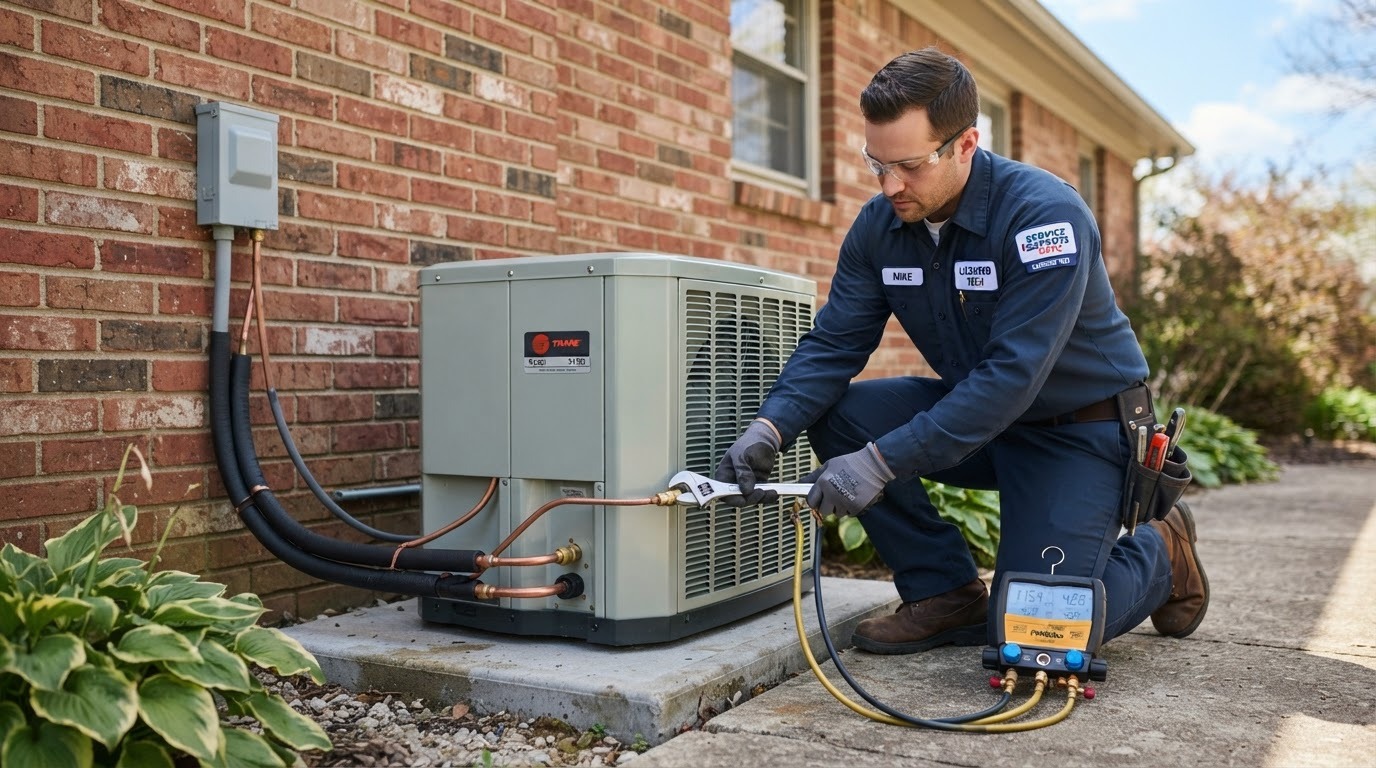
On the day of the install, the crew will lay down floor protectors and begin carefully removing the old equipment. For an air conditioning installation, they will set the outdoor condenser on a level pad, run the refrigerant lines, and install the indoor evaporator coil. For a furnace replacement, they will connect the gas line, venting, and electrical components.
Once the new system is in place, the contractor will test all connections. They will measure the refrigerant charge using superheat and subcooling methods, test the gas pressure for leaks, and verify the airflow across the system. Finally, they will walk you through the new thermostat controls and ensure you understand the HVAC maintenance requirements before they leave.
Common Mistakes to Avoid When Hiring for Furnace Replacement
To ensure a flawless installation, avoid these common homeowner pitfalls:
- Choosing the Lowest Bid: Extremely low bids often mean the contractor is cutting corners on permits, manual J calculations, or skilled labor. You get what you pay for.
- Ignoring Ductwork Issues: Replacing the HVAC unit without fixing leaky or poorly sized ductwork will not solve your comfort problems.
- Oversizing the System: Bigger is not better in HVAC. An oversized system costs more to run, dehumidifies poorly, and wears out faster due to short cycling.
- Forgetting to Get Permits: Unpermitted work is illegal. If you sell your home, unpermitted HVAC work will flag a home inspection and can ruin the sale.
Conclusion: Invest in a Trusted HVAC Installation Contractor
Your home’s comfort, safety, and energy efficiency rely entirely on the quality of your heating and cooling infrastructure. Whether you need a central air conditioning installation, a gas furnace replacement, or a complete HVAC system installation, the expertise of the installer is paramount. A certified HVAC installation contractor guarantees that your system is sized correctly, installed to code, and protected by valid warranties. By verifying licenses, demanding Manual J calculations, and focusing on long-term value over cheap estimates, you secure a reliable, efficient system for decades to come. Do not gamble with your home comfort. Hire a professional HVAC installation contractor and invest in quality that lasts.
Frequently Asked Questions (FAQs)
1. How much does a new HVAC system installation cost?
A full HVAC system installation typically costs between $5,000 and $12,000, depending on the size of the home, the efficiency tier of the equipment, and the complexity of the ductwork.
2. How long does an air conditioning installation take?
A standard AC installation or furnace replacement usually takes one full day for a professional crew, though adding ductwork modifications can extend it to two days.
3. Why is a Manual J calculation important for HVAC sizing?
A Manual J calculation accurately determines the exact heating and cooling load of your home, preventing the purchase of an oversized or undersized system that would run inefficiently.
4. Can I install an HVAC unit myself to save money?
No, HVAC installation requires handling high-voltage electricity, pressurized refrigerants, and gas lines; improper installation violates building codes, voids warranties, and poses severe safety risks.
5. How do I verify if an HVAC contractor is licensed and insured?
You can ask the contractor for their license number and verify it through your state’s contractor licensing board, and request a copy of their insurance certificate before signing a contract.
6. Does a new HVAC system installation require a permit?
Yes, most municipalities require a mechanical permit for HVAC replacement to ensure the work meets local safety and building codes; a reputable contractor will always pull the necessary permits.

Written by Twastia Editorial Team
Twastia Editorial Team shares practical insights about website design, SEO services, Google Ads, content marketing, social media, conversion rate optimization, and digital marketing strategy.
Last updated: Aug 13, 2026
Related posts from Twastia
Explore more useful articles from twastia.com about digital marketing, SEO, websites, ads, content, and growth strategy.