Miami Remodeling Contractor: How to Plan a Successful Home Renovation
Remodeling a home in Miami is an exciting opportunity to improve your living space, increase everyday comfort, and create a […]
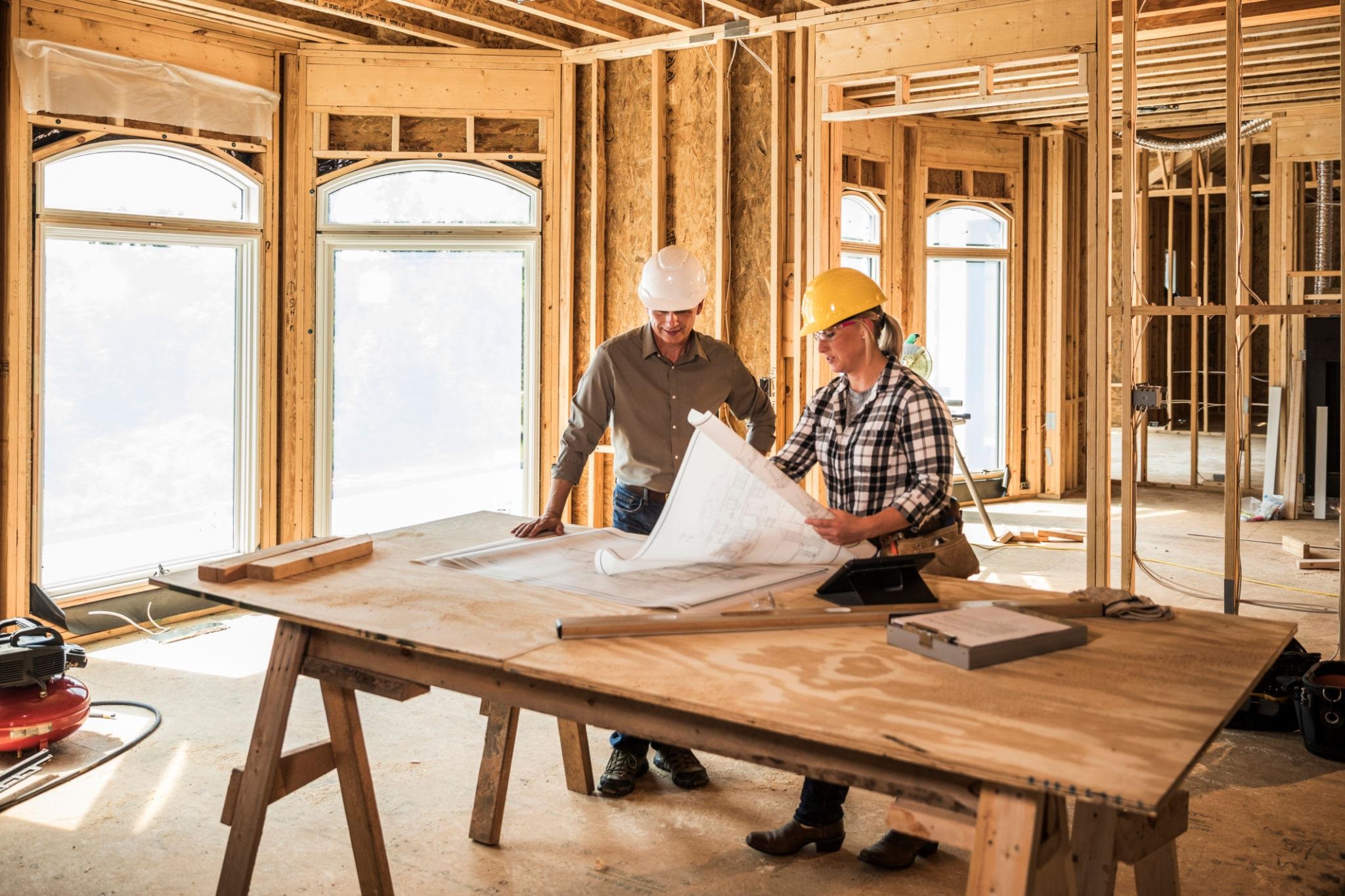
Remodeling a home in Miami is an exciting opportunity to improve your living space, increase everyday comfort, and create a home that better reflects your lifestyle. Whether you’re planning a modern kitchen, updating an outdated bathroom, or transforming your entire property, the decisions you make before construction begins can influence the success of your project.
However, renovating a home in South Florida comes with considerations that homeowners in other parts of the country may not face.
Miami’s humid climate, hurricane exposure, local building requirements, and diverse architectural styles can affect everything from material selection to construction schedules.
That’s why choosing the right Miami remodeling contractor is one of the most important steps in the renovation process.
An experienced professional can help coordinate construction activities, identify potential challenges, and ensure that the work follows applicable regulations.
But how do you know which contractor is right for your project? What should you expect during the remodeling process, and how can you avoid expensive mistakes?
This guide covers everything Miami homeowners should consider before starting a renovation, from budgeting and design planning to permits, materials, and contractor selection.
Why Home Remodeling in Miami Requires Careful Planning
Miami offers a distinctive lifestyle shaped by tropical weather, coastal influences, and contemporary architecture.
These characteristics make the city attractive, but they also create specific renovation challenges.
Homes in South Florida are exposed to high humidity, strong sunlight, heavy rainfall, and potentially severe storms.
Over time, these conditions can affect flooring, exterior finishes, windows, roofing systems, and other building components.
A renovation that looks beautiful immediately after completion may require additional maintenance if unsuitable materials were installed.
Understanding Miami’s Climate

Humidity is an important factor when selecting construction materials.
Homeowners should consider moisture-resistant finishes, suitable ventilation systems, and installation methods designed for the local environment.
Bathrooms, kitchens, and laundry areas deserve particular attention because they regularly experience increased moisture.
Appropriate waterproofing, ventilation, and material selection can help reduce the risk of preventable damage.
Designing for South Florida Living

Miami homeowners often prefer bright interiors, practical layouts, and comfortable connections between indoor and outdoor spaces.
Large windows, open living areas, and functional kitchens can complement the region’s lifestyle.
However, exterior modifications and certain window replacements must also satisfy applicable building requirements, including relevant wind-resistance standards.
Thoughtful planning balances appearance, comfort, durability, and compliance.
What Services Does a Miami Remodeling Contractor Provide?
The scope of services depends on the contractor’s license, qualifications, and business operations.
Some professionals specialize in specific renovation types, while others coordinate larger residential projects.
Understanding the typical categories of remodeling work can help you identify the services your home actually needs.
Kitchen Remodeling
Kitchen renovations are among the most common home improvement projects.
A kitchen remodel may involve installing cabinetry, replacing countertops, improving lighting, updating appliances, or modifying the existing layout.
For homeowners who regularly cook or entertain guests, a better-designed kitchen can make daily activities more convenient.
Popular design choices include spacious islands, durable countertops, organized storage, and energy-efficient appliances.
Before selecting finishes, consider how the space will function.
Cabinet placement, appliance clearance, ventilation, and electrical requirements should be addressed during the planning stage.
Bathroom Remodeling
Bathroom renovations can improve functionality, comfort, and accessibility.
Depending on the scope, a project may include replacing a shower, installing a new vanity, updating plumbing fixtures, or improving ventilation.
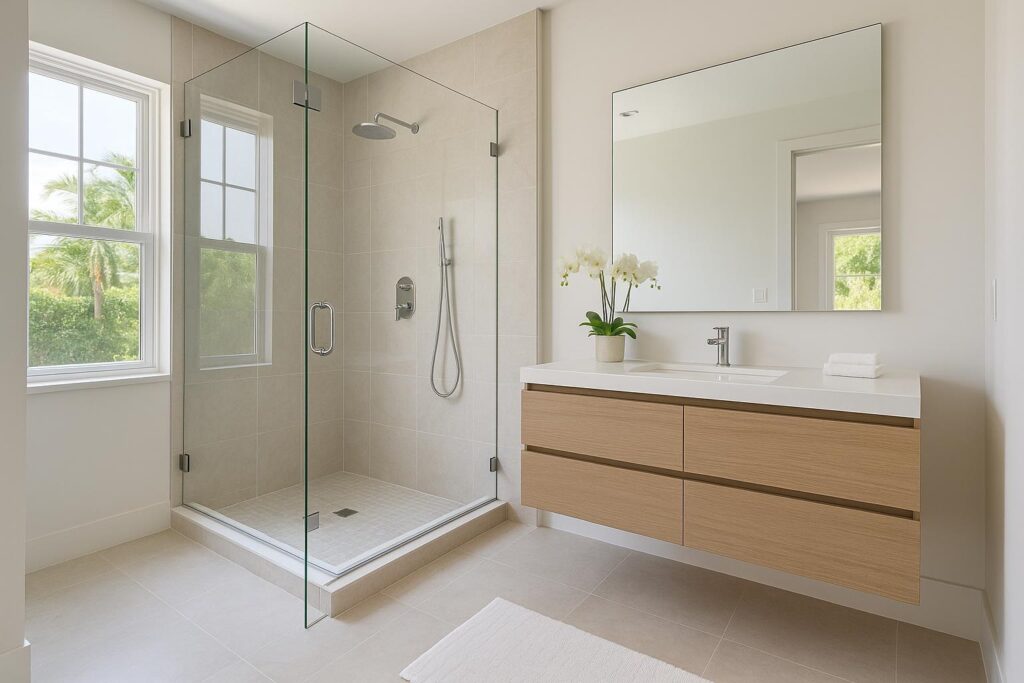
Walk-in showers, large-format tiles, and floating vanities are common elements of contemporary bathroom design.
However, proper waterproofing is more important than decorative finishes.
Poorly installed shower systems can create moisture problems that become expensive to repair.
Whole-Home Remodeling
A whole-home renovation involves updating multiple areas of a property.
Projects may include new flooring, redesigned living spaces, upgraded electrical systems, kitchen improvements, and bathroom renovations.
These projects require careful coordination because changes in one area can affect another.
For example, modifying a floor plan may influence lighting placement, air conditioning distribution, and plumbing routes.
A detailed construction plan helps reduce unnecessary disruption and conflicting decisions.
How to Choose the Right Miami Remodeling Contractor
Hiring a contractor shouldn’t be based on price alone.
The lowest estimate may exclude important materials, inspections, or work that becomes necessary later.
A more reliable approach is to compare qualifications, project experience, communication practices, and written proposals.
Verify Licensing and Insurance
Before signing a remodeling contract, verify that the professional holds the appropriate license for the proposed work.
Florida’s Department of Business and Professional Regulation provides resources for checking contractor licenses.
Miami-Dade County also has contractor licensing requirements.
The license category matters because not every contractor is authorized to perform every type of construction activity.
Request proof of applicable insurance and confirm that coverage is appropriate for the project.
Review Previous Projects
A contractor’s portfolio can help you evaluate their experience with projects similar to yours.
Look for completed kitchens, bathrooms, or whole-home renovations that match your intended scope.
Pay attention to construction details, layout improvements, and how consistently the finished spaces appear.
If possible, ask about the challenges encountered during comparable projects and how they were resolved.
Request a Detailed Written Estimate
A professional proposal should clearly identify the work being performed.
Look for information about materials, labor, project phases, payment schedules, permit responsibilities, and exclusions.
The document should also explain how changes will be priced and approved.
Comparing detailed estimates is more useful than simply comparing the final totals.
Evaluate Communication
Remodeling involves numerous decisions throughout the construction process.
A contractor who communicates clearly can help homeowners understand progress, potential delays, and unexpected conditions.
Ask who will supervise the project, how frequently updates will be provided, and whom you should contact when questions arise.
Understanding Miami Home Remodeling Costs
One of the first questions homeowners ask is how much their renovation will cost.
Unfortunately, there isn’t a single reliable price for every Miami remodeling project.
Costs vary according to property size, project complexity, material quality, existing conditions, and the amount of specialized labor required.
Factors That Influence Renovation Prices
A simple cosmetic update generally requires less work than a renovation involving structural modifications.
Replacing cabinets without changing the layout can be less complex than relocating plumbing and electrical connections.
Other major cost factors include:
- The size and condition of the property
- Materials and finish selections
- Structural changes
- Plumbing and electrical upgrades
- Permit and inspection requirements
- Labor availability
- Condominium or building restrictions
Custom cabinetry, imported materials, and specialized installations can increase expenses.
Creating a Realistic Remodeling Budget
Begin with a clear list of priorities.
Separate essential improvements from optional design upgrades.
Request comparable estimates from qualified contractors and confirm which expenses are included.
You should also establish a contingency allowance for unexpected conditions.
Older properties may reveal concealed water damage, outdated systems, or other issues after demolition begins.
A contingency helps you manage these discoveries without immediately disrupting your financial plan.
Avoid making major design changes after construction begins unless they are necessary.
Late changes can increase costs and affect scheduling.
Building Permits and Remodeling Regulations in Miami
Permits are an essential consideration for many renovation projects.
Miami-Dade County explains that various construction activities require approval, including significant alterations and certain plumbing, electrical, and mechanical work.
Permit requirements depend on the property’s jurisdiction and the exact nature of the renovation.
When Are Permits Required?
Projects involving structural walls, relocated plumbing, new electrical systems, and certain window or door replacements commonly require permits.
Some minor cosmetic improvements may qualify for exemptions.
For example, painting interior walls or replacing certain finishes without modifying regulated systems may not require a building permit.
However, exemptions are not universal.
Always verify the requirements with the appropriate local building department before work begins.
Why Permits Matter
Permits help ensure that regulated construction is reviewed for compliance with applicable building codes.
Inspections may identify problems that aren’t visible after walls and finishes are completed.
Unpermitted work can lead to enforcement issues, costly corrections, and complications during property transactions.
A responsible remodeling plan should identify required approvals before construction begins.
Remodeling Ideas That Work Well in Miami Homes
The best renovations combine personal style with practical improvements suited to the property.
Rather than following every popular design trend, focus on upgrades that will remain functional over time.
Open-Concept Living Spaces
Open layouts can improve movement between kitchens, dining rooms, and living areas.
They may also help distribute natural light throughout the interior.
However, removing walls requires professional evaluation.
Some walls provide structural support, and changes may require engineering plans and additional permits.
Durable Flooring Choices
Flooring should be selected with Miami’s climate and the home’s daily usage in mind.
Porcelain tile is a popular consideration because of its moisture resistance and durability.
Other materials may also be suitable when properly selected and installed.
Consider slip resistance, maintenance requirements, comfort, and compatibility with the existing subfloor.
Energy-Efficient Improvements
Renovations can provide opportunities to improve energy performance.
Appropriate insulation, efficient cooling systems, LED lighting, and suitable windows may help reduce energy consumption.
The actual financial benefit depends on installation quality, equipment performance, energy prices, and household usage.
Choose improvements based on your property’s needs rather than assuming every upgrade will produce identical savings.
The Typical Home Remodeling Process
Understanding the construction process helps homeowners set realistic expectations.
Although every project differs, most renovations follow several general stages.
Initial Consultation and Planning
The process typically begins with discussing your goals, existing problems, budget, and preferred design.
A contractor may inspect the property, take measurements, and identify issues requiring further evaluation.
This is the right time to clarify which improvements are essential and which are optional.
Design, Estimates, and Approvals
Once the scope becomes clearer, design decisions and material selections can move forward.
Depending on the project, architectural or engineering documents may be necessary.
The contractor and homeowner should establish responsibilities for obtaining required permits and coordinating inspections.
Construction and Installation
Construction may involve demolition, structural work, mechanical systems, installation of finishes, and final detailing.
Proper scheduling is particularly important when several specialized trades are involved.
Maintain regular communication and request written documentation of approved changes.
Final Inspection and Walkthrough
Before considering the project complete, carefully inspect the finished work.
Review the agreed scope, identify any remaining corrections, and confirm the status of required inspections.
Collect warranties, product information, and relevant project documents for future reference.
Common Home Remodeling Mistakes to Avoid
Some renovation mistakes are expensive because they occur before the first day of construction.
Starting without a clear budget is one example.
Another is selecting materials based exclusively on appearance without considering installation requirements or long-term maintenance.
Homeowners should also avoid beginning regulated work before permit obligations are understood.
Finally, unclear contracts can create disagreements over what was included in the original price.
Take time to document decisions, establish a clear scope, and review changes before approving additional work.
Working With a Local Miami Remodeling Professional
Local experience can be valuable when planning a renovation in South Florida.
Contractors familiar with Miami’s residential properties may better understand common construction challenges, local approval processes, and the practical requirements of different building types.
For homeowners exploring local options, NXT Construction is one company to consider when researching a Miami remodeling contractor.
Before selecting any contractor, including NXT Construction, independently confirm its current licensing, insurance, service offerings, availability, and project experience.
Discuss your renovation goals, ask for a detailed written proposal, and compare the response with other qualified professionals.
The right working relationship should provide clarity about responsibilities, costs, communication, and the expected result.
Frequently Asked Questions About Miami Remodeling Contractors
How do I find a reliable Miami remodeling contractor?
Start by checking contractor licensing, insurance, relevant experience, and customer feedback. Request written estimates and review completed projects similar to yours. Compare the scope and contract terms rather than choosing solely on price.
Do I need a permit to remodel my kitchen in Miami?
It depends on the work involved. Replacing certain cabinets or finishes may be exempt, while relocating plumbing, modifying electrical systems, or changing structural components commonly requires permits. Check with the building department responsible for your property.
How long does a home remodeling project take?
The timeline depends on the project’s size, complexity, material availability, and permit requirements. Cosmetic improvements may take relatively little time, while extensive renovations can require several months. Request a project-specific schedule before construction begins.
Can I live in my home during remodeling?
Some homeowners remain in their properties during smaller renovations. However, extensive construction may disrupt water, electricity, cooking facilities, or bathrooms. Discuss safety, access, dust control, and temporary accommodations with your contractor.
What should be included in a remodeling contract?
A written contract should identify the scope of work, materials, costs, payment schedule, estimated timeline, permit responsibilities, change-order procedures, and applicable warranty terms. Review the document carefully before signing.
Is remodeling a home in Miami worth the investment?
Renovation can improve comfort, usability, and property appeal. However, financial returns depend on the renovation cost, neighborhood, market conditions, and buyer preferences. Prioritize improvements that meet your needs rather than assuming every project will increase resale value.
Conclusion: Plan Your Miami Home Renovation With Confidence
A successful renovation begins long before construction crews arrive.
Clear goals, realistic budgeting, appropriate materials, and careful contractor selection all contribute to a better remodeling experience.
Miami homeowners should also consider local climate conditions, permit requirements, and the unique characteristics of their properties.
Whether you’re updating a kitchen, renovating a bathroom, or planning a complete home transformation, taking time to prepare can help you avoid preventable complications.
Choosing a qualified Miami remodeling contractor means looking beyond attractive project photographs and evaluating the professional’s credentials, communication, and approach to project management.
With thoughtful planning and the right construction team, your renovation can create a more comfortable, functional, and attractive home that supports your lifestyle for years to come.

Written by Twastia Editorial Team
Twastia Editorial Team shares practical insights about website design, SEO services, Google Ads, content marketing, social media, conversion rate optimization, and digital marketing strategy.
Last updated: Oct 9, 2026
Related posts from Twastia
Explore more useful articles from twastia.com about digital marketing, SEO, websites, ads, content, and growth strategy.