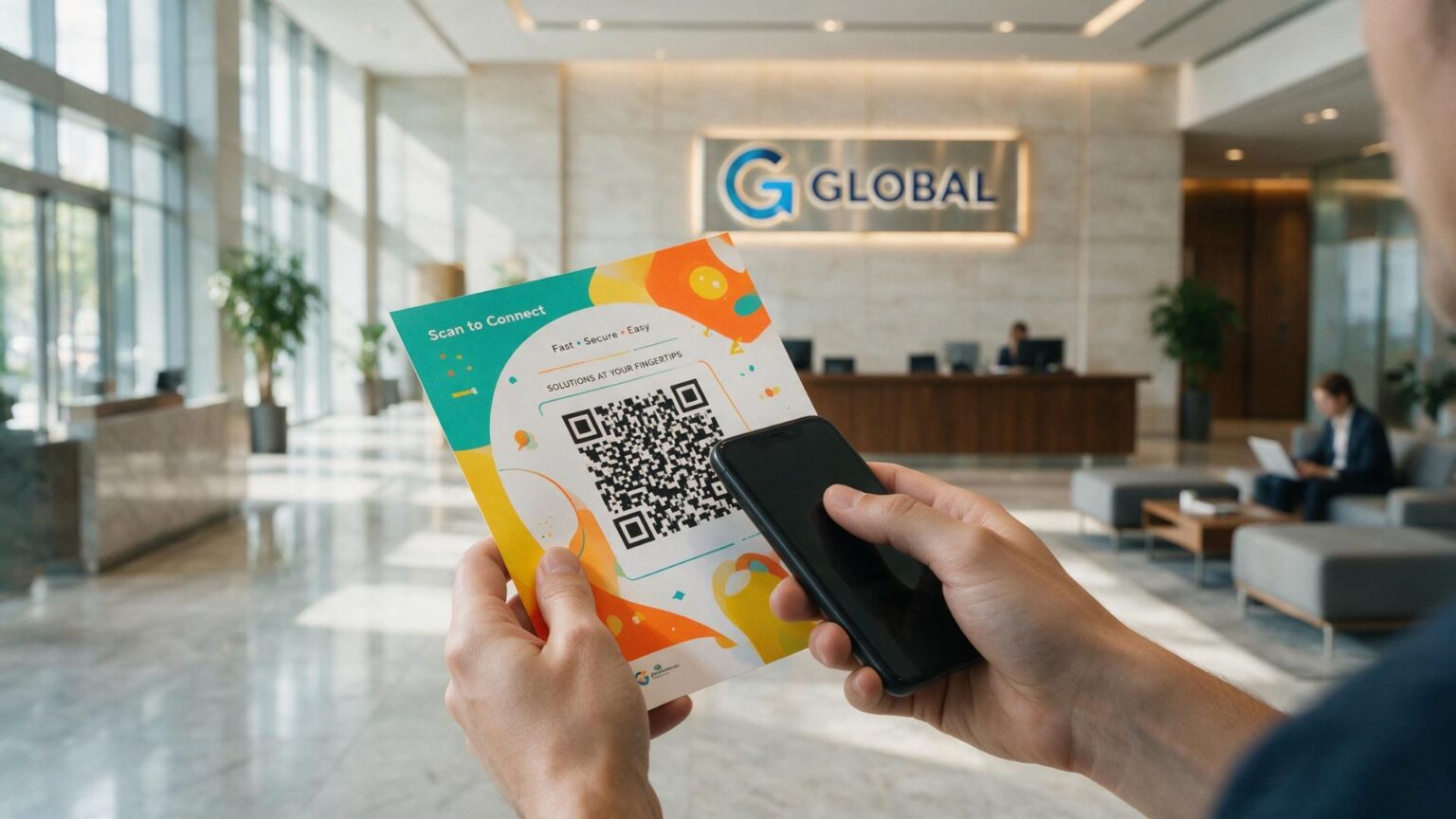
QR code flyer: Strategies for Modern Print Marketing
Print marketing remains a powerful tool, but it inherently lacks the interactive tracking capabilities of digital campaigns. Consequently, marketers often […]
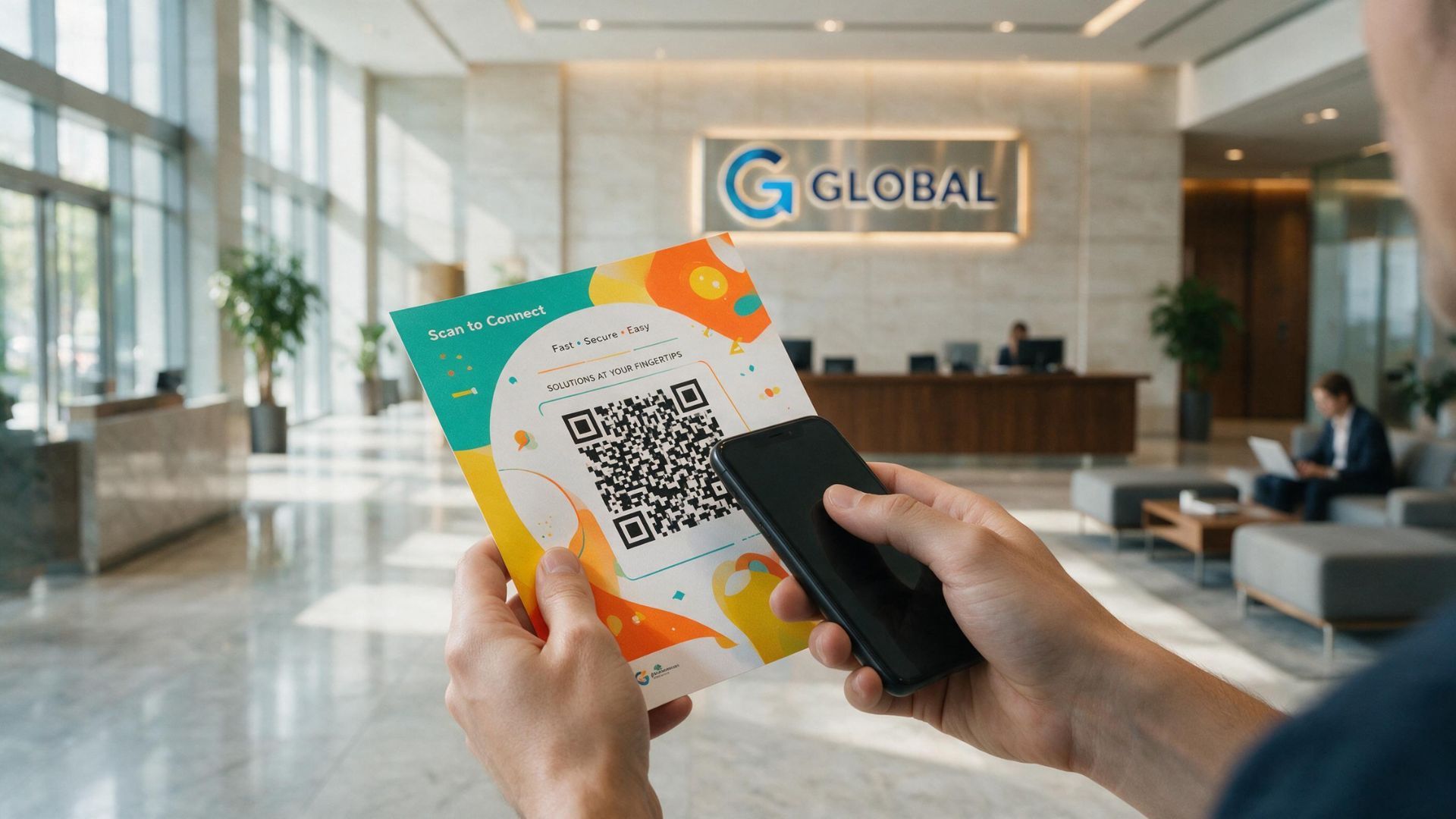
Print marketing remains a powerful tool, but it inherently lacks the interactive tracking capabilities of digital campaigns. Consequently, marketers often struggle to measure the direct impact of physical advertisements. To solve this problem, businesses integrate interactive elements into their printed materials. Creating a QR code flyer bridges the gap between offline media and online engagement. By scanning the code, users instantly access digital content, allowing businesses to track offline conversions and drive web traffic effectively. Therefore, this hybrid approach maximizes the return on investment for traditional print campaigns.
The Strategic Value of a QR code flyer
Traditional flyers deliver information but require the reader to manually type a web address later, which often leads to high drop-off rates. Therefore, adding a QR code removes this friction entirely. A quick scan immediately connects the consumer to the desired landing page. Furthermore, this integration extends the lifespan of a printed asset. Instead of being discarded after a single read, the flyer becomes a dynamic portal to continuously updated digital content. As a result, businesses can provide far more information than could ever fit on a single piece of paper.
Bridging Physical and Digital Marketing Ecosystems
The modern consumer journey rarely happens in a single channel. A customer might see a poster on the street and immediately want more information. A QR code flyer facilitates this immediate transition from physical to digital. For example, a restaurant can link a printed flyer directly to its digital menu and reservation system. Consequently, the physical advertisement directly generates a digital action, like a booking. This seamless transition maximizes the utility of printed materials and keeps the brand accessible.
Designing an Effective QR code flyer
Simply placing a black-and-white square onto a page does not guarantee scans. Effective design requires strategic thought and visual integration. The code must stand out without clashing with the overall aesthetic of the flyer. Furthermore, the surrounding text must clearly instruct the user on what to do. Visual cues significantly impact scan rates, and a poorly designed layout will simply be ignored.
Placement and Visual Hierarchy in a QR code flyer
Eye-tracking studies show that users naturally scan printed materials in an F-pattern. Therefore, placing the QR code in the lower right quadrant or centered at the bottom often yields high visibility. However, the code must be large enough to scan from a reasonable distance. A good rule of thumb is that the code should be at least one inch square for every ten feet of expected viewing distance. Additionally, incorporating brand colors into the QR code design helps it feel native to the flyer. Consequently, a well-integrated design increases user trust and scan frequency.
Contrast and Error Correction
For a scanner to read the code accurately, there must be high contrast between the code and the background. Dark codes on light backgrounds work best. While modern QR generators offer high error correction levels—meaning the code still scans even if part of it is obscured or customized—compromising too much on contrast leads to scanning failures. Therefore, marketers must test printed proofs extensively before launching a full distribution. Ensuring the error correction level is set appropriately allows for the inclusion of a small logo in the center of the code without rendering it unscannable.
Best Use Cases for a QR code flyer Campaign
Certain industries benefit immensely from combining print and digital channels. Real estate, retail, and event management frequently use these tools to provide instant value to consumers. By tailoring the destination URL to the specific campaign goal, businesses can drive highly targeted actions. The versatility of the technology means it can be adapted for almost any sector.
Real Estate and Event Promotion via QR code flyer
Real estate agents place flyers in front of listed properties or in local mailboxes. Traditionally, these flyers contain basic photos and specs. However, a QR code flyer can link directly to a virtual tour, a downloadable property disclosure packet, or a scheduling app. Therefore, potential buyers get an immersive experience immediately, which captures leads while their interest is peak. Similarly, event promoters use flyers to sell tickets. Instead of directing people to a generic homepage where they must search for the event, the QR code routes them straight to the checkout page. Consequently, reducing the steps to purchase dramatically increases conversion rates.
Retail Loyalty and Direct Mail
Retailers also leverage this technology to build customer loyalty. A direct mail flyer can include a QR code that links directly to a digital coupon or a loyalty program sign-up page. When the customer presents the scanned code at the register, the discount applies automatically. Furthermore, this method allows retailers to track exactly which mailers drove in-store traffic. As a result, they can measure the effectiveness of their direct mail campaigns with digital precision, optimizing future mailings based on geographic response rates.
Tracking and Analytics for Your QR code flyer
One of the greatest advantages of digital marketing is measurability. Print marketing historically lacked this precision. However, dynamic QR codes change the landscape entirely. Unlike static codes, dynamic codes allow marketers to change the destination URL without reprinting the flyer. Furthermore, they provide detailed analytics that static codes cannot offer.
Measuring Offline Conversion Rates with a QR code flyer
When a user scans a dynamic QR code flyer, the system logs the time, location, and device type. Marketers track exactly how many people engaged with the physical print and took digital action. This data allows businesses to calculate the true return on investment of their print campaigns. For example, if a company distributes flyers in two different neighborhoods, unique QR codes can identify which location drove more traffic. Consequently, future marketing budgets can be allocated more effectively based on concrete data.
Integrating with Google Analytics and UTM Parameters
To gain even deeper insights, marketers use UTM parameters on the destination URLs. When someone scans the QR code flyer, the UTM parameters pass data directly into Google Analytics. This integration shows exactly how those users behaved after arriving on the website. Did they bounce immediately, or did they browse other pages? Did they complete a purchase? By analyzing this behavior, businesses understand the quality of traffic generated by their print materials. Therefore, they can optimize the landing pages to better serve visitors arriving from offline channels.
Common Mistakes to Avoid with a QR code flyer
Despite their simplicity, marketers frequently make errors that ruin QR code campaigns. The most detrimental mistake is linking to a non-mobile-friendly website. Since users scan the code with a smartphone, the destination must look perfect on a small screen. Additionally, failing to provide context for the scan severely limits engagement. Users will not scan a code if they do not know what they will get in return.
Ensuring Mobile Optimization for a QR code flyer
A user scans a QR code flyer expecting immediate value. If the landing page takes too long to load or requires excessive pinching and zooming, they will abandon the site instantly. Therefore, all destination pages must feature responsive design and fast loading speeds. Furthermore, the flyer itself must include a clear call to action next to the code. Phrases like “Scan to get 20% off” or “Scan to watch the video” tell the user exactly what to expect. Providing this context builds anticipation and dramatically increases scan rates. Finally, businesses must ensure they do not place QR codes in areas without cellular or Wi-Fi access, such as underground subway stations, as users cannot load the destination content.
FAQs
1. What is a QR code flyer?
It is a printed promotional document that includes a scannable QR code to direct users straight to a digital landing page or resource.
2. How big should a QR code be on a flyer?
The code should be at least one inch square, increasing in size depending on the expected viewing distance of the audience.
3. Can I track scans from a QR code flyer?
Yes, using dynamic QR codes allows you to track scan locations, times, device types, and subsequent website interactions.
4. Do QR codes on flyers expire?
Static QR codes do not expire, but dynamic codes require an active subscription with the generating service to remain functional.
5. What makes a good destination page for a QR code flyer?
The destination page must be highly optimized for mobile devices, load quickly, and directly deliver the offer promised on the flyer.
6. Can I change the link on a QR code flyer after printing?
Yes, if you use a dynamic QR code, you can update the destination URL at any time without needing to reprint the flyers.
Conclusion
Integrating interactive technology into traditional print media revitalizes offline marketing efforts. A well-executed QR code flyer bridges the physical and digital divide, offering consumers a frictionless path to online engagement. By prioritizing thoughtful design, mobile optimization, and clear calls to action, businesses can dramatically increase scan rates. Furthermore, utilizing dynamic codes and UTM parameters provides precise analytics, allowing marketers to measure offline ROI with digital accuracy. Avoiding common pitfalls, such as poor contrast or non-mobile-friendly landing pages, ensures the campaign succeeds. Ultimately, leveraging a QR code flyer empowers brands to create highly measurable, engaging, and modern print marketing campaigns that drive tangible business results.

Written by Twastia Editorial Team
Twastia Editorial Team shares practical insights about website design, SEO services, Google Ads, content marketing, social media, conversion rate optimization, and digital marketing strategy.
Last updated: Jul 24, 2026
Related posts from Twastia
Explore more useful articles from twastia.com about digital marketing, SEO, websites, ads, content, and growth strategy.