
Local SEO for Small Businesses: Complete 2026 Growth Guide
Imagine someone in your neighborhood searching Google for “best coffee shop near me,” “emergency plumber in Dallas,” or “family dentist […]

Imagine someone in your neighborhood searching Google for “best coffee shop near me,” “emergency plumber in Dallas,” or “family dentist in Orlando.” If your business doesn’t appear in the results, you’re missing an opportunity to connect with someone actively looking for your services.
That’s why Local SEO for Small Businesses has become an essential part of digital marketing.
Local search engine optimization helps businesses improve their visibility in location-based Google searches and Google Maps. Instead of competing with every company nationwide, you focus on reaching customers in your city, neighborhood, or service area.
For American small businesses operating with limited marketing budgets, this targeted approach can be particularly valuable.
Whether you own a restaurant in Miami, a landscaping company in Houston, or a boutique in Chicago, local SEO can help potential customers discover your business when they’re ready to take action.
This guide explains how local SEO works, why it matters, and the practical strategies you can use to attract more nearby customers in 2026.
What Is Local SEO for Small Businesses?
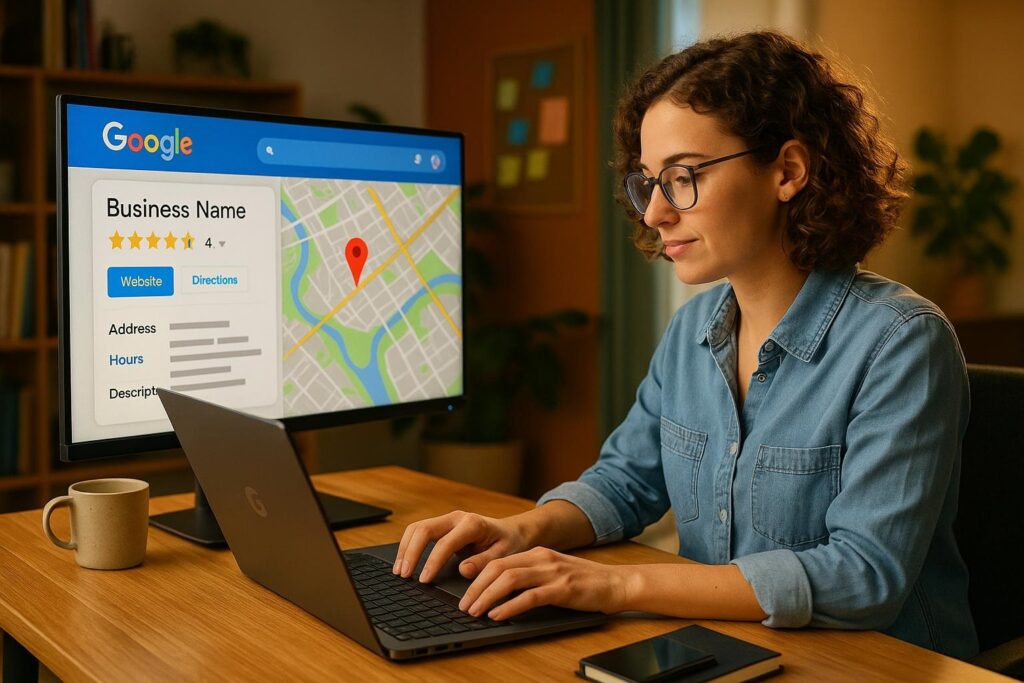
Local SEO is the process of improving a business’s visibility in geographically relevant search results.
When someone searches for a product or service in a specific location, Google attempts to connect that person with suitable nearby businesses.
For example, a search for “roof repair in Tampa” might display local roofing contractors, Google Maps listings, customer reviews, and relevant websites.
Local SEO helps a business become more discoverable in these results.
Local SEO vs. Traditional SEO

Traditional SEO generally focuses on improving website visibility for searches that may come from anywhere.
Local SEO concentrates on attracting customers within a particular geographic area.
A national ecommerce company might target “best running shoes,” while a neighborhood shoe store could target “running shoe store in Austin.”
Both strategies involve search optimization, but their target audiences and search intentions differ.
For businesses serving customers at physical locations or traveling to customers’ homes, local search optimization is often especially important.
Why Local SEO Matters for Small Businesses in 2026

Consumers regularly use search engines to find nearby products, compare businesses, read reviews, and check operating hours.
An effective local SEO strategy helps your company appear during these decision-making moments.
Reach Customers With Local Buying Intent
People searching for “electrician near me” or “same-day appliance repair” often have an immediate need.
These searches may represent stronger purchase intent than general informational searches.
Appearing in relevant local results increases your opportunity to receive calls, appointment requests, and store visits.
Compete With Larger Companies
Small businesses may struggle to match national brands’ advertising budgets.
However, geographic relevance gives local companies an opportunity to compete in searches connected to their immediate communities.
An independent bakery can become visible for neighborhood searches without building a nationwide marketing campaign.
Build Trust Before Customers Visit
Accurate business information, useful website content, authentic customer reviews, and updated photos help customers evaluate your business.
When prospective customers can quickly confirm your location, hours, services, and contact information, they’re better equipped to choose you.
How Google’s Local Search Rankings Work
Google identifies three primary factors influencing local search rankings: relevance, distance, and prominence.
Google Business Profile Help
Relevance
Relevance describes how closely your business matches the searcher’s request.
Accurate business categories, detailed services, and clear website content help communicate what your company offers.
Distance
Distance considers how close a business is to the location associated with a search.
You cannot simply optimize away geographic distance. Businesses naturally have different visibility depending on where customers search.
Prominence
Prominence reflects how well-known or established a business appears to be.
Google considers signals such as online references, links, reviews, and ratings.
Improving these signals can strengthen your local presence, but no legitimate SEO provider can guarantee a particular Google Maps ranking.
1. Optimize Your Google Business Profile

Your Google Business Profile is one of the most important assets in a local SEO strategy.
This free listing helps your business appear in Google Search and Maps and lets customers discover useful information about your services.
Complete Your Business Information
Start by claiming or creating an eligible profile and completing the verification process.
Include your real business name, accurate phone number, website, opening hours, primary business category, and relevant services.
If customers visit your location, provide the correct physical address. If you operate as a service-area business, configure your address visibility according to Google’s guidelines.
Avoid adding unnecessary keywords to your business name.
Upload High-Quality Photos
Photos help potential customers understand what your business looks like.
A restaurant can share dining-area and food photography, while a remodeling contractor can showcase completed projects.
Use original, accurate images that reflect your actual business.
Keep Your Profile Updated
Update holiday hours, new services, contact details, and other information whenever something changes.
A complete, accurate profile creates a better experience for customers and supports local discoverability.
Google for Developers
2. Find the Right Local SEO Keywords
Local keyword research helps identify what nearby customers are actually searching for.
Begin with your main products or services and combine them with relevant locations.
For example:
- “HVAC repair in Phoenix”
- “family lawyer in Atlanta”
- “pet grooming near me”
- “affordable landscaping in Orlando”
Use tools such as Google Keyword Planner, Google Search Console, and keyword research platforms to evaluate relevant search terms.
Focus on Search Intent
Not every keyword deserves its own page.
Someone searching for “how to clean an air conditioner” may want instructions, while “AC repair company in Phoenix” suggests an interest in hiring a service provider.
Create pages that satisfy the actual need behind each search.
Naturally integrate geographic phrases into page titles, headings, descriptions, and body content.
Avoid repeating city names excessively or creating nearly identical pages for every nearby town.
3. Optimize Your Website for Local Searches
Your website should make it easy for visitors and search engines to understand where you operate and what you offer.
Create Useful Service Pages
Each major service should have a clear, informative page.
For example, a plumbing company may need separate pages for emergency repairs, drain cleaning, and water heater installation.
Explain the service, who needs it, what customers can expect, and how to request an appointment.
Include relevant service areas where they naturally help the reader.
Make Your Website Mobile-Friendly
Many local searches happen on smartphones.
A mobile-friendly website should load efficiently, display readable text, and provide convenient contact options.
Customers shouldn’t have to zoom repeatedly or navigate complicated menus to find your phone number.
Add Local Business Structured Data
Structured data helps search engines interpret information on your website.
Appropriate LocalBusiness schema markup can describe details such as your business name, address, telephone number, and operating hours.
Google recommends using the most specific applicable business type and validating your implementation.
Google for Developers
Structured data improves how information is communicated, but it doesn’t guarantee enhanced search appearances or higher rankings.
4. Build Consistent Local Business Citations
Local citations are online mentions of your business information, commonly including its name, address, and phone number.
These mentions may appear on business directories, local association websites, professional organizations, and industry-specific platforms.
Maintain Accurate Business Details
Review your business information across important platforms, including Google, Bing Places, Apple Maps, and relevant directories.
Correct outdated phone numbers, duplicate listings, and inaccurate addresses.
Consistency helps customers reach the right business and reduces confusion across the web.
Prioritize Quality Over Quantity
Submitting your business to hundreds of unrelated directories isn’t a productive long-term strategy.
Instead, focus on credible sources that customers actually use.
For example, a contractor may benefit from relevant professional association listings, while a restaurant should maintain accurate profiles on appropriate dining platforms.
5. Generate Authentic Customer Reviews
Customer reviews influence how people evaluate local businesses.
They also contribute to Google’s understanding of business prominence. However, positive reviews alone do not guarantee higher rankings.
Ask Customers for Honest Feedback
Encourage customers to share genuine experiences after receiving your product or service.
You can provide a review link in a follow-up email, thank-you message, or receipt.
Never purchase reviews, create fake customer accounts, or offer incentives in exchange for Google reviews.
Respond Professionally
Thank customers who leave positive feedback.
When receiving criticism, acknowledge the concern and offer an appropriate way to resolve the issue.
Avoid disclosing private customer information in public responses.
Thoughtful replies demonstrate professionalism to future customers reading your reviews.
6. Create Helpful Local Content
Local content marketing supports SEO by answering questions relevant to customers in your community.
A landscaping business in Florida might publish an article about maintaining lawns during the rainy season.
A Chicago HVAC company could explain how homeowners should prepare heating systems for winter.
Target Real Customer Questions
Consider writing articles that address:
- Seasonal problems affecting your customers.
- Common questions about your services.
- Local regulations relevant to your industry.
- Neighborhood-specific service considerations.
- Practical advice based on your professional experience.
Good content should be accurate, original, and genuinely useful.
Avoid publishing repetitive city pages that simply replace one location name with another.
7. Earn Relevant Local Backlinks
Backlinks are links from other websites to yours.
Relevant, trustworthy links can help search engines discover your website and understand its relationship to your industry or community.
Build Local Relationships
Look for authentic opportunities through community organizations, business partnerships, professional associations, and local events.
For example, sponsoring a legitimate neighborhood event may lead to a mention on the organizer’s website.
Publishing helpful resources can also encourage other websites to reference your content.
Avoid buying low-quality backlink packages or participating in artificial link schemes.
8. Track Local SEO Performance
Successful local SEO requires ongoing measurement.
Rankings can be useful, but they don’t tell the entire story.
Focus on whether your business is attracting relevant visitors and generating valuable customer inquiries.
Monitor Meaningful Metrics
Track Google Business Profile interactions, website search impressions, organic traffic, phone inquiries, appointment requests, and completed leads.
Google Search Console can reveal which search queries bring visitors to your website.
Google Analytics can help you understand what visitors do after arriving.
For businesses serving several neighborhoods, consider tracking search visibility across different geographic areas.
Evaluate Results Over Time
Local SEO progress isn’t always immediate.
Results depend on competition, website condition, market size, geographic location, and the consistency of your improvements.
Review performance monthly and adjust your strategy based on evidence rather than assuming every ranking change reflects a problem.
Local SEO Mistakes Small Businesses Should Avoid
Several common mistakes can prevent businesses from getting the most from their local search strategy.
These include leaving Google Business Profile information incomplete, choosing incorrect business categories, neglecting mobile usability, and allowing outdated contact information to remain online.
Other problems include publishing thin location pages, targeting irrelevant keywords, ignoring customer reviews, and purchasing questionable backlinks.
Businesses should also avoid creating fake locations or additional Google profiles for addresses where they aren’t genuinely eligible to operate.
Effective local SEO is built around accurate information, useful content, and trustworthy business practices.
Should You Hire a Local SEO Company?
Some small businesses can manage basic optimization independently.
However, companies operating in competitive markets or managing multiple locations may benefit from professional assistance.
An experienced local SEO provider can help with website audits, keyword research, business profile optimization, technical improvements, content planning, and performance reporting.
When comparing providers, ask about their methods, deliverables, reporting process, and experience with businesses similar to yours.
For example, Web Market Florida’s local SEO services include local search optimization, location-focused campaigns, local submissions, and ranking-related reporting resources.
Local Internet Marketing Provider
Choose a provider that communicates realistic expectations and measures results against your business goals rather than promising guaranteed first-place rankings.
Frequently Asked Questions About Local SEO for Small Businesses
How much does local SEO cost for a small business?
Costs depend on your location, competition, number of business locations, and required services. Some foundational tasks can be handled independently, while professional campaigns involve ongoing expenses. Request a detailed proposal before choosing an agency.
How long does local SEO take to show results?
Some improvements may appear within weeks, while competitive ranking gains can take several months or longer. Results depend on your starting position, competition, and implementation quality.
Is Google Business Profile free?
Yes. Creating and managing an eligible Google Business Profile is free. Businesses may separately pay for advertising or professional profile-management services.
Can local SEO help a business without a storefront?
Yes. Eligible service-area businesses, such as mobile cleaners and plumbers, can use local SEO to reach customers in the areas they serve. Their Google Business Profiles must follow the applicable eligibility and address-display rules.
What’s the difference between Google Ads and local SEO?
Google Ads provides paid advertising placements, while local SEO aims to improve visibility in unpaid local search results. Both strategies can work together, depending on your marketing budget and goals.
Is local SEO worth it for small businesses?
Local SEO is often valuable for businesses that depend on customers in specific geographic areas. It can improve discoverability, build credibility, and create opportunities for qualified leads without relying exclusively on paid advertising.
Conclusion: Grow Your Business With a Strong Local SEO Strategy
Local SEO for Small Businesses is about connecting with the right customers at the right time.
By optimizing your Google Business Profile, targeting relevant local keywords, maintaining accurate business listings, earning authentic reviews, and creating helpful website content, you can strengthen your presence in local search results.
Success requires consistency, attention to customer needs, and continuous improvement.
Start with the basics, measure your progress, and focus on attracting visitors who are genuinely interested in your products or services.
If you need professional support, explore Web Market Florida’s Local SEO services to learn how a location-focused search strategy could support your small business.
The goal isn’t simply to appear on Google. It’s to help nearby customers discover, trust, and choose your business.

Written by Twastia Editorial Team
Twastia Editorial Team shares practical insights about website design, SEO services, Google Ads, content marketing, social media, conversion rate optimization, and digital marketing strategy.
Last updated: Oct 10, 2026
Related posts from Twastia
Explore more useful articles from twastia.com about digital marketing, SEO, websites, ads, content, and growth strategy.